Barney Hot Springs, Idaho: A Practical Soaking Guide
Barney Hot Springs pairs an Idaho soak with fishing and camping in Kootenai County. Get honest guidance on access, water temperature and trip timing.
On this page
Barney Hot Springs suits anglers and campers who want a warm soak folded into a day on the water rather than a resort-style pool afternoon. It sits in Kootenai County in northern Idaho, a region where hot springs and cold trout streams sit close together and where a soak works best as a reward after fishing.
Plan this as a shoulder-season add-on to a broader northern Idaho road trip rather than the headline destination. The soak itself is short, so the quality of the trip depends on how well you build the surrounding fishing, camping and driving into the same day.
What Barney Hot Springs Is and Who It Suits
Barney Hot Springs is a northern Idaho geothermal soak in Kootenai County, and it draws a mix of local soakers and anglers working nearby water. Treat it as a scenic pause rather than a full-day destination; the surrounding creeks and forest land do most of the work of filling your itinerary.
It suits self-sufficient travelers who carry their own water, towels and traction for slick rock and who are comfortable with a short, informal approach. Travelers who want lifeguards, changing rooms and posted pool temperatures should build their trip around a developed Idaho resort instead and use Barney as a scenic detour.
You need your own trip planning here: what to soak in, where to camp and how long to stay are decisions you make before you leave. The Idaho fishing planner lists Barney Creek in Kootenai County as a 4.0-mile water open all year, which makes the creek the natural anchor for a fishing-and-soaking day.
Where Barney Hot Springs Sits in Idaho
Barney Hot Springs lies in Kootenai County in the Idaho Panhandle, a northern region of dense forest, cold creeks and long winter snowpack. The nearest services are in the small communities of the Coeur d'Alene corridor, so fuel and supplies belong on your list before you turn off the highway.
Distances in this corner of Idaho stretch out quickly on forest roads, and cell coverage thins as you climb. Download offline maps before you leave town, and note that the exact final approach changes with logging activity and snowmelt, so ask locally about road conditions rather than relying on a saved pin.
The Panhandle fits neatly into a longer Idaho hot springs circuit, with Ketchum and the Sawtooths far to the south and the Payette region to the south again. If your loop eventually swings west into the Rockies, our Washington hot springs guide covers the Cascade soaks that make a natural next comparison. Build the route around one or two soaks per day so the driving does not crowd out the soaking.
Getting There: Roads, Parking and the Final Walk
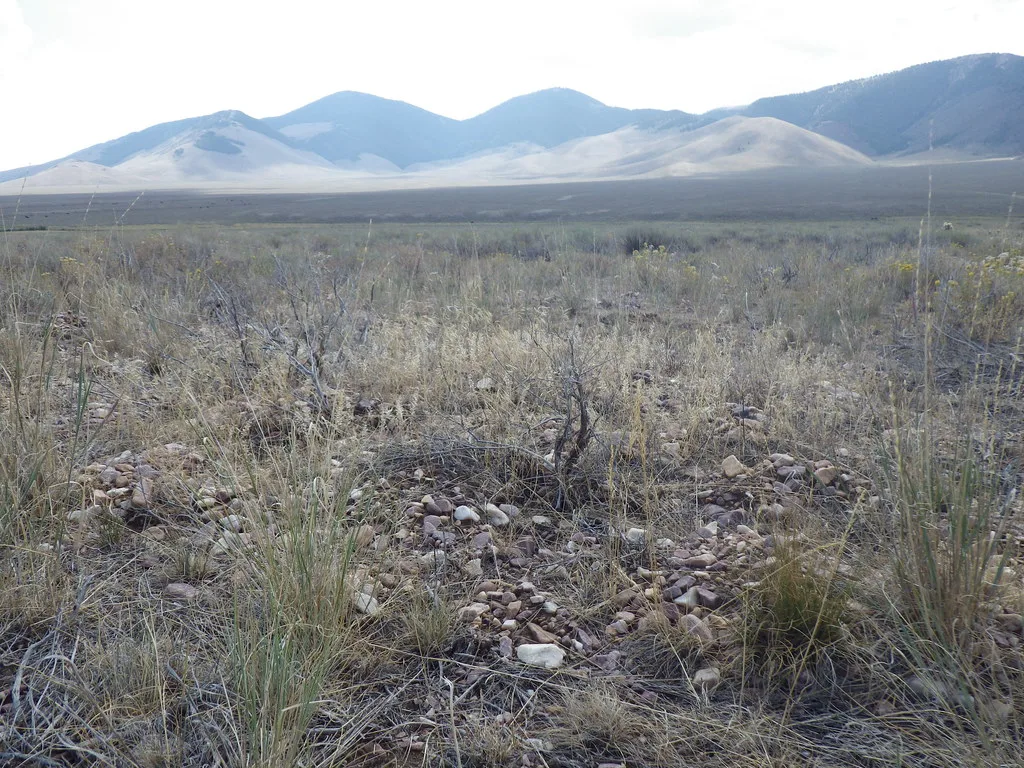
Access to Barney Hot Springs runs on forest roads, so start with a vehicle that handles washboard gravel and a spare tire you have actually checked. The last stretch typically involves a short walk from a pullout to the water, so pack in a day bag rather than hauling coolers to the soak.
Pack in a day bag rather than hauling coolers to the soak, and time the drive for daylight. The forest roads here offer little shoulder and no lighting once the sun drops.
Spring melt and early-season storms can leave ruts, downed limbs and standing water on the final road, and winter snow pushes the approach onto foot or skis. Time your drive for daylight, since the forest roads here offer little shoulder and no lighting once the sun drops.
Parking is informal and limited, which makes an early start the simplest fix for both space and quiet. If the pullout is full, wait for a turnover rather than widening the roadside, and never block a gate or a logging track.
The Pools: Layout and Water Temperature
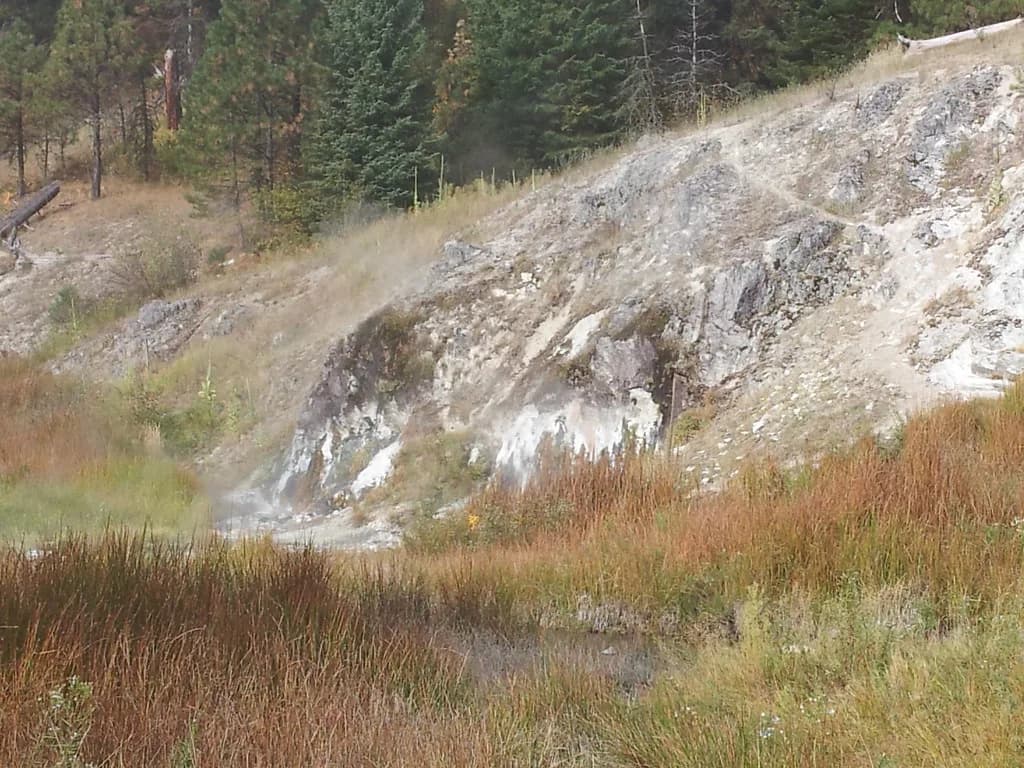
Expect a small, rock-bordered soak rather than a pool deck, with the hot water mixing with cool creek water at the edges. Where the spring water enters, it can be scalding, and the temperature changes as you move across the pool, so test with a hand before you commit a foot.
Published water temperatures come from the managing agency or operator, not from a roadside sign, and the reading shifts with flow and season. For comparison, Frenchman's Bend Hot Springs near Ketchum documents source water entering its rock-walled pools at 120 to 138 degrees Fahrenheit and adjustable pools near 105 degrees, a useful benchmark for how hot natural spring water can run before it mixes.
Keep your head above water in any untreated geothermal soak, and skip the soak if you have open cuts. The rocks around the pool stay slick with algae and mineral film, so sandals or water shoes make the entry far less precarious.
Rules, Clothing and Day-Use Expectations
Clothing is the norm at northern Idaho soaks that see families and anglers, and Barney sees both. Bring a swimsuit rather than expecting a clothing-optional scene, and keep your setup compact so the pool area stays usable for the next group.
Pack out every wrapper, can and bit of food waste, since there are no bins at an informal soak like this. Glass, soap and shampoo have no place in the water; rinse off with plain water well away from the pool.
Camping and Overnight Options
Camping near Barney Hot Springs means public-land dispersed sites along the surrounding forest roads, which offer space but no amenities. Arrive with a full water supply, a portable toilet plan and a camp stove, and choose a spot on durable ground well back from the creek.
If you want a bed and a hot shower, base yourself in Coeur d'Alene or a nearby Panhandle town and drive in for the day. That trade-off costs you an early alarm but spares you a cold, dark camp setup after a soak.
For a developed overnight, Bear River Hot Springs, Idaho, in the Riverdale Valley is a different style of trip with built facilities and a soak on site. It works as a comfortable second night if you are linking several Idaho soaks into one loop.
Fishing and Other Things to Do Nearby
Fishing is the main pairing here. The Idaho fishing planner lists Barney Creek in Kootenai County as a 4.0-mile water open all year, so bring a light rod and check current regulations before you wet a line.
Beyond the creek, the Panhandle offers forest roads for mountain biking, trailheads into thick timber and plenty of pullouts for a picnic. Plan the soak for the end of the day so wet gear and damp clothes do not sit in the car through hours of hiking.
Crowds and the Best Time to Go
Summer weekends bring the heaviest use, with anglers, campers and day-trippers converging on the same short stretch of road. Aim for a weekday morning or a shoulder-season visit in late spring or early fall, when the water is comfortable and the pullout has room.
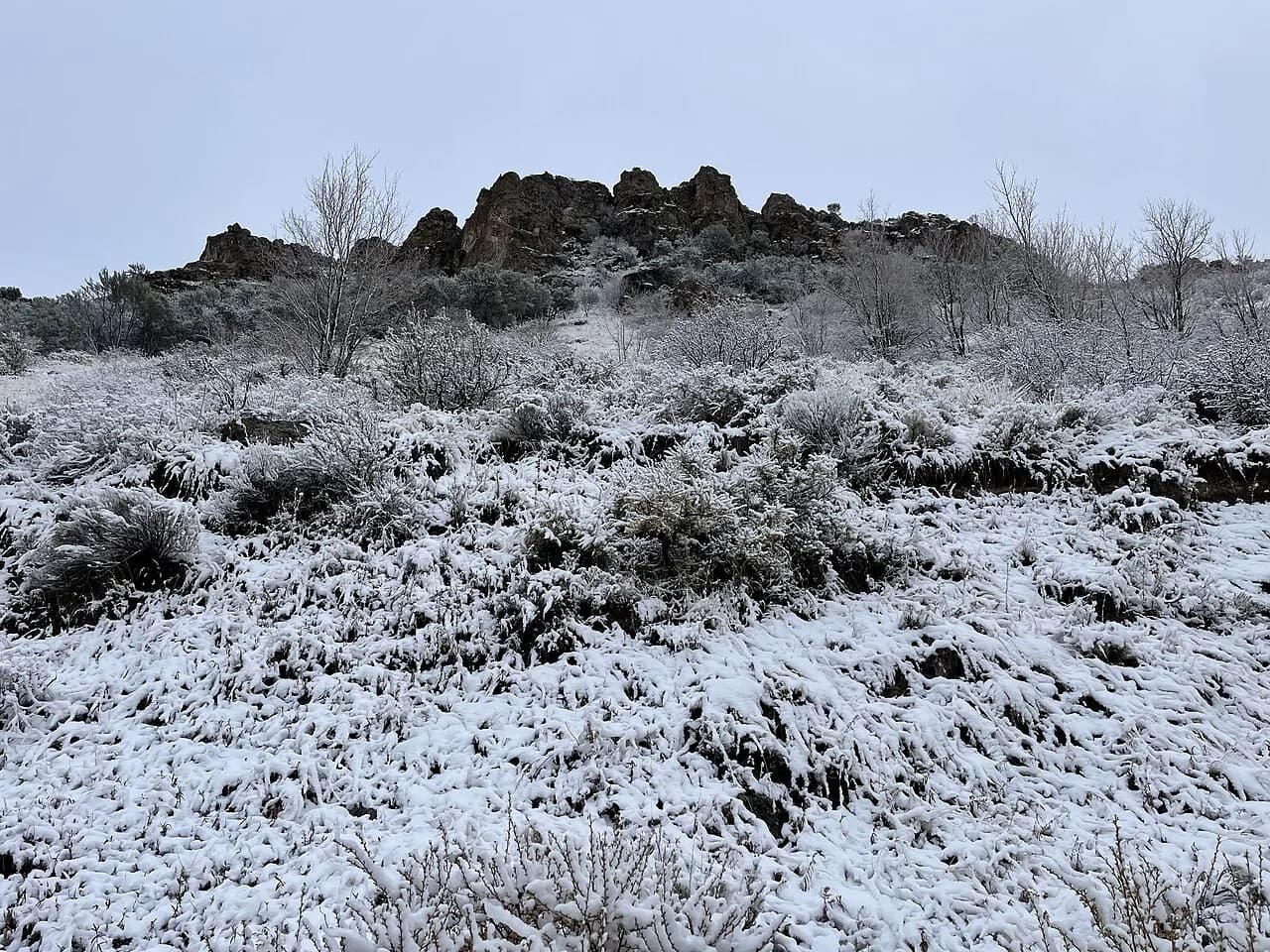
Winter soaks are striking in falling snow, but the forest roads demand a capable vehicle, a shovel and a realistic turnaround time. Check the forecast the night before and be ready to switch to a lower-elevation plan if the road looks doubtful.
Combining Barney With Other Idaho Soaks
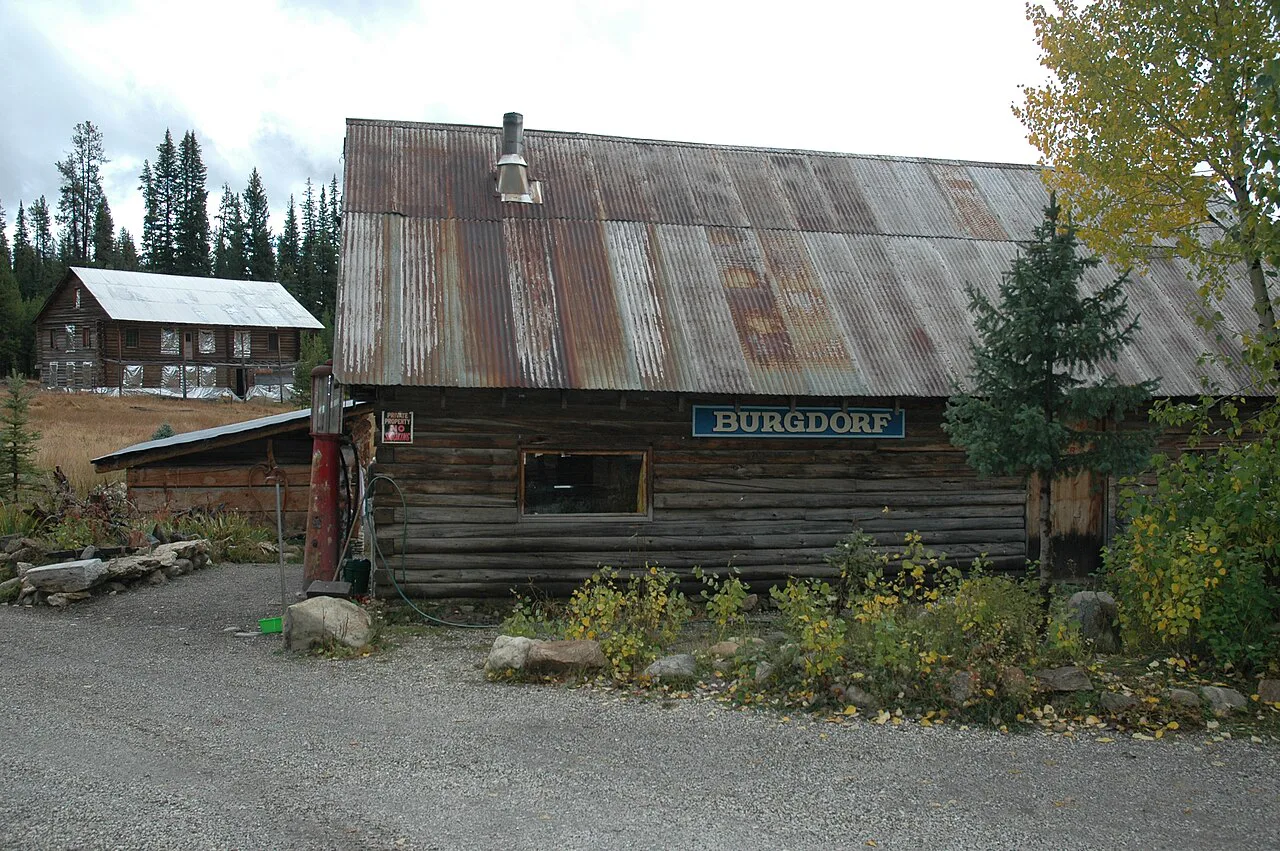
A northern Idaho loop can pair Barney with hot springs near McCall and the Payette National Forest, where Burgdorf Hot Springs sits deep in the mountains and rewards a dedicated detour. Farther south, Kirkham Hot Springs along the South Fork Payette gives you a roadside soak on the drive toward Boise and the Sawtooths.
For a more primitive option, Rocky Canyon Hot Springs in Idaho offers tiered pools along the Middle Fork Payette River that suit travelers chasing a wilder soak. Each of these sits at a different level of development, so match the stop to your energy and the weather rather than trying to tick off all of them in one push.
Downata Hot Springs in southeastern Idaho shows the other end of the spectrum, with a developed geothermal resort and on-site lodging for families who want slides and a restaurant rather than a forest pool. Use it as a contrast stop on a longer tour when kids are along for the drive.
Leave No Trace at a Primitive Soak
Barney is an informal, user-maintained kind of place, so the pool only stays pleasant if visitors leave it as they found it. Do not move rocks to rebuild a dam, do not scrub the pool bottom, and pack out everything you brought, including food scraps and wet wipes.
Safety: Hot Vents, Slippery Rock and Untreated Water
The hottest water sits at the spring vents, so ease in slowly and keep a cool-water exit within reach. Untreated geothermal water should never go in your mouth, and anyone who is pregnant, heat-sensitive or managing a heart condition should talk to a doctor before soaking.
The hottest water sits at the spring vents, so ease in slowly and keep a cool-water exit within reach. Untreated geothermal water should never go in your mouth.
Watch footing on the algae-slick rock around the water, and keep children within arm's reach near the pool edge. If the creek is running high from snowmelt, skip the soak and come back when the crossings calm down.
Plan Your Visit
Barney Hot Springs works best as one piece of a northern Idaho fishing and camping day, with an early start on forest roads and a soak saved for the end of the afternoon. Bring a suit, water shoes and a full tank of gas, and build in extra driving time for washboard and weather.
Check road and water conditions with the Idaho Department of Fish and Game or the local ranger district before you set out, then commit to the trip and let the creek set the pace. For every soak in the state, start with our guide to Idaho hot springs.
Frequently Asked Questions
Where is Barney Hot Springs in Idaho?
Barney Hot Springs is in Kootenai County in the Idaho Panhandle, north of the Coeur d'Alene corridor. The nearest fuel and supplies are in the small towns along that corridor, so stock up before turning onto forest roads.
How do you get to Barney Hot Springs?
The approach is on forest roads, with a short walk from an informal pullout to the water. A vehicle with decent clearance and a checked spare helps, and offline maps are worth having since cell coverage thins as you climb.
What is the water temperature at Barney Hot Springs?
The water runs hottest at the spring vents and cools as it mixes with creek water across the pool. Test with a hand near the vent before entering, and never submerge your head in untreated geothermal water.
Can you camp near Barney Hot Springs?
Overnight stays typically mean dispersed sites on the surrounding public land, which have no amenities such as water or toilets. Pack in your own water, plan for a portable toilet, and camp on durable ground away from the creek.
Is there fishing near Barney Hot Springs?
Yes. The Idaho fishing planner lists Barney Creek in Kootenai County as a 4.0-mile water open all year, making the creek the natural anchor for a fishing day around the soak. Check current Idaho fishing regulations before you go.
When is the best time to visit Barney Hot Springs?
Late spring through early fall gives you the most reliable road access and the widest window of comfortable soaking weather. Weekday mornings see lighter use, while winter visits demand a capable vehicle and a willingness to turn around if conditions worsen.
Sources
Hot springs notes for your next road trip
Optional updates when we add or revise hot springs guides.
You might also like
Continue reading
More guides you'll find useful