Hot Springs in Oregon: A Soaker's Guide to the Best Pools
Compare Oregon hot springs by drive time, hike length, and pool type, from the travertine terraces at Umpqua to the cedar tubs at Bagby.
On this page
Oregon rewards soakers who are willing to earn the water. The state's signature soaks are not roadside pools with a ticket window: they sit at the end of forest roads and steep trails, which is exactly why the reward feels outsized. The two most people end up choosing between are a terraced cliffside spring above a river canyon and a set of wooden tubs in a mossy old-growth drainage.
Your decision comes down to three variables: how far you want to drive, how hard you want to walk, and whether you want raw rock or built tubs. Get those sorted and the rest of the planning — fees, camping, timing, crowds — falls into place quickly. Both springs are clothing-optional and both sit on federal land, so the etiquette is similar even though the settings are not. If you're weighing a longer road trip further afield, our guide to hot springs in Idaho applies the same soak-by-soak comparison to pools across the border.
Why Oregon Hot Springs Split Into Two Trips
The forested Cascades hold most of Oregon's accessible soaks, and they're reachable year-round in many cases from the Willamette Valley. The catch is that the popular ones are close enough to Portland and Eugene that a sunny weekend brings a crowd. That reality shapes everything about when you go.
The second trip is the long haul south and east into Umpqua country, where the springs sit more than 230 miles from Portland and at least 100 miles from any major city. Treat that one as a weekend or multi-day outing rather than a day trip, and build the drive into your plan instead of fighting it.
A useful way to frame it: pick a Cascade soak when you have a free morning and want a short approach, and commit to the southern route when you want the setting itself to be the event. Both reward an early start, but only one requires a serious fuel-and-groceries plan before you leave pavement.
Umpqua Hot Springs: Terraced Pools Above the North Umpqua River
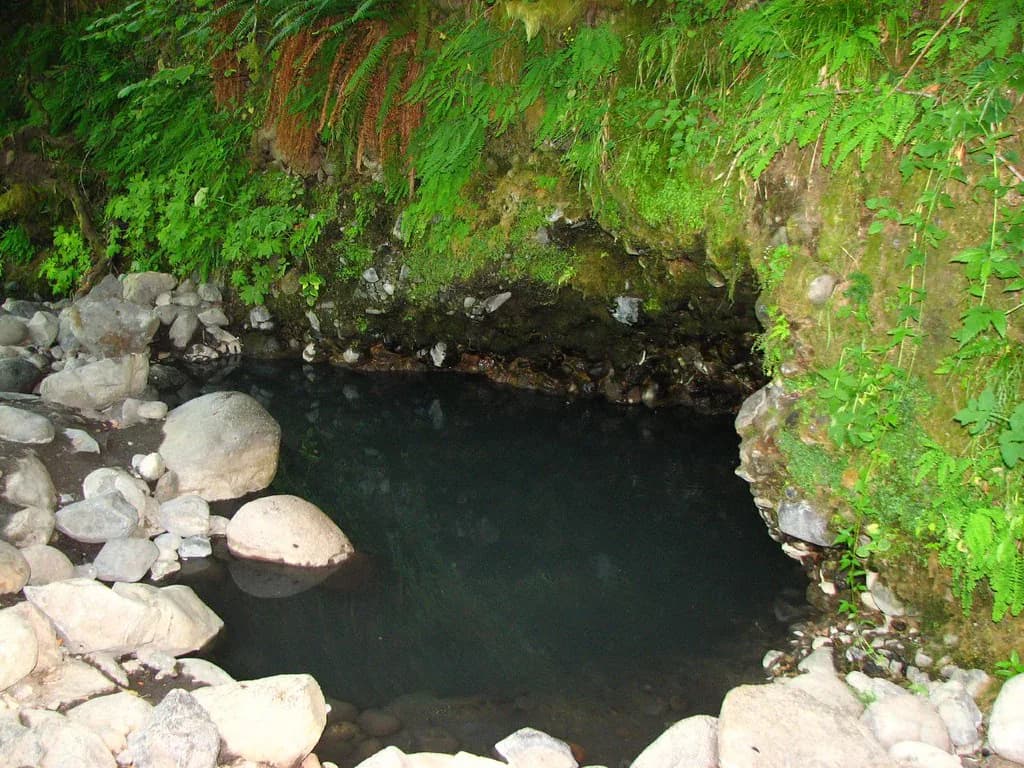
Umpqua Hot Springs is a stack of mineral terraces clinging to a canyon wall above the North Umpqua River in Umpqua National Forest. The pools cascade down a travertine slope under a forest canopy, with the hottest water at the top and progressively cooler soaks below. It is also called Toketee Hot Springs, so you'll see both names on maps and signs.
Water temperatures run from roughly 100°F to 115°F, with the upper pool holding the hottest water and the wooden shelter at the top marking the end of the climb. The pools are rustic and rock-walled rather than tiled, and the setting means footing between tiers is uneven and mineral-slick. Bring water sandals or shoes you don't mind soaking.
The site sits at about 2,640 feet in elevation and is managed by Umpqua National Forest as a day-use area. That designation is the single most important planning fact: you soak and you leave, and camping at the springs themselves is prohibited.
Nudity is common here and the spring is clothing-optional, which is worth knowing before you arrive if you're traveling with people who would find that uncomfortable. The vibe is popular and rustic rather than private or quiet.
Driving to Umpqua: Highways, Forest Roads, and the Climb
The approach runs on state highways before turning onto forest roads. From Medford or Crater Lake, take OR-62 to OR-230 and then follow Highway 138 west, turning onto Forest Road 34 near milepost 59. From Bend, head south on US-97 and transition to OR-138 west past Chemult; from Portland, take I-5 south and pick up OR-138 west near Roseburg.
In winter the access road on NF-3401 is typically gated from November through April. Snowshoes or skis and traction devices become part of the kit.
The final stretch is Forest Road 34, also signed as Toketee-Rigdon Road, for about 2.2 miles, then a right turn onto Forest Road 3401 for the last 2 miles to the trailhead. These are rough dirt roads with potholes, and a high-clearance vehicle is the sensible choice.
From the parking area, cross the narrow footbridge and follow the trail right for about 0.2 miles, then bear right again at the first major junction and keep climbing another 0.2 miles to the top pool and shelter. The whole 0.4-mile climb gains elevation fast, most hikers reach the top in about 15 minutes, and rain makes the tread steep and slippery.
In winter the access road on NF-3401 is typically gated from November through April, which turns the outing into a snowbound trek of several miles each way. Snowshoes or skis and traction devices become part of the kit rather than an afterthought.
Fees, Hours, and the Day-Use Setup at Umpqua
Parking at the Umpqua trailhead requires a $5 per-vehicle day-use fee paid cashlessly through the Recreation.gov app. A Northwest Forest Pass or an America the Beautiful pass also covers the day-use requirement, so bring the pass you already own rather than paying twice.
The springs are open during daylight hours only, and the site is day-use only, with no overnight staying at the pools. Plan your soak to finish with enough light for the descent, because the trail is steep and slick in the wrong conditions.
There is a pit toilet near the trailhead, but no trash service at the springs. Cell coverage typically drops off shortly after Glide, so download offline maps before you leave and top off fuel and ice at the last store on the way in.
Bagby Hot Springs: Cedar Tubs at the End of a Trail
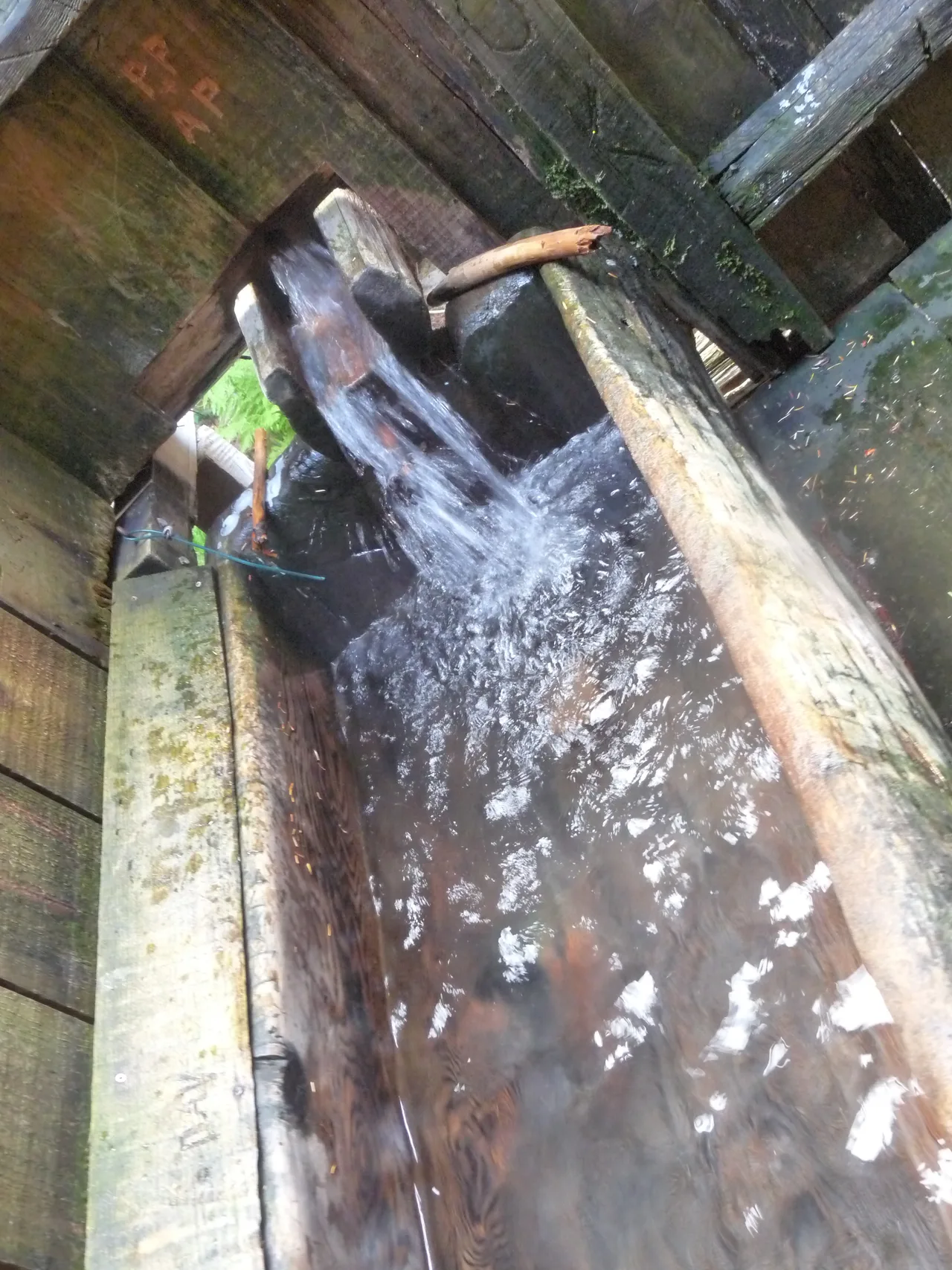
Bagby Hot Springs sits in Mt. Hood National Forest and offers a very different soak: hand-hewn tubs plumbed with cedar, fed by the spring, and reached only on foot. The approach is a 1.4-mile trail, which gives you a longer walk than Umpqua but a gentler arrival at built wooden tubs instead of slick rock terraces.
The facilities are deliberately primitive, and the tubs and cedar plumbing are characteristic of the site rather than polished spa fixtures. If you want a soak you can sit in with your back against wood and your feet flat, this is the one to pick.
Because it's an easy drive from Portland, Bagby draws steady traffic from the city, and the same weekend-morning logic applies as everywhere else in the Cascades: go early in the week if your schedule allows. The trade-off is convenience versus solitude.
How to Pick Between Umpqua and Bagby
Choose Umpqua if you want the drama: terraced travertine pools stacked above a river canyon, a short but genuinely steep climb, and water hot enough at the top to make you ease in slowly. Budget a full weekend because of the drive, and accept that you'll share the pools on summer weekends.
Choose Bagby if you want wooden tubs, a straightforward trail, and a Cascade setting that fits into a shorter trip. The walk is longer than Umpqua's but far less steep, which suits people carrying a daypack or traveling with friends who aren't climbers.
If you have the time and the vehicle for it, do both on separate trips rather than trying to jam them into one loop — they sit in different national forests on opposite sides of the state. Combining them in a single itinerary means a long highway day between soaks.
Clothing-Optional Etiquette at Oregon Soaks
Nudity is common at popular Oregon springs, and Umpqua in particular attracts naturists. If seeing unclothed soakers would bother you, plan around it; if you'd rather wear a suit, that's normal too.
Choose a dark-colored swimsuit if you bring one, since the minerals in geothermal water can stain light fabrics. A quick-dry towel and a dry bag for your clothes keep the walk back comfortable and protect your phone and keys from the wet rock.
Keep your voice low, give people room in small pools, and don't take photos of strangers. These norms matter more than any posted sign at a clothing-optional spring.
What to Bring for a Forest Soak
Sturdy footwear with real traction is the item people most often regret leaving behind. Both approaches involve wet, steep ground, and mineral-slick rock around the pools is unforgiving in flip-flops. Add water sandals for walking between tiers.
Carry more fresh water than you think you need, because hot water plus a climb dehydrates you faster than a normal hike. A headlamp belongs in the bag even on a day trip, since the descent takes longer than the climb.
For a winter attempt at Umpqua, add insulating layers, microspikes or snowshoes, and a warm jacket you can pull on immediately after soaking, because the chill hits fast when you step out. A dry bag and a rain shell round out the kit.
Primitive Springs and Leave No Trace
Both of these springs sit on public land where trash service is limited or nonexistent, so pack out everything you bring, and ideally a bit more than you brought. Leave the pools cleaner than you found them and don't build rock walls, dams, or new fire rings.
Don't use soap, shampoo, or biodegradable cleansers in the water; carry water away from the pools if you need to wash. Glass is a hard no around the soaking areas, and it's worth keeping food and drinks away from the water entirely.
Soaking Safely: Heat, Slippery Rock, and Untreated Water
Source water at Umpqua reaches 115°F at the top pool, which is hot enough to scald. Test a lower pool first, ease in slowly, and keep your head above water in untreated geothermal springs.
Test a lower pool first and ease in slowly, since source water at Umpqua reaches 115°F at the top pool.
Travertine terraces are wet and uneven, so move deliberately between tiers and keep your hands free. Heavy rain makes the access trail steep and slippery, and a fast-moving river below the pools is scenery, not a swimming spot.
Alcohol, sun exposure, and heat combine badly at any spring; the standard advice is to drink water, take breaks out of the pools, and not to soak alone if you can avoid it. A satellite communicator is a reasonable carry in remote canyon country where cell service ends at Glide.
Camping and Lodging Near the Springs
For Umpqua, the closest base is Toketee Lake Campground about 3 miles and 8 minutes from the trailhead, with 32 sites, year-round access, and reservations required at least two days ahead through Recreation.gov. Expect roughly $16 per night and book early on summer weekends.
East Lemolo Campground sits 4.6 miles and about 13 minutes away, with 15 reservations-only sites and a seasonal window from May through October; it's the quieter alternative. Umpqua's Last Resort, 16 miles out, offers cabins, tiny homes, glamping tents, and RV spots, with non-guests able to buy hot showers.
Lemolo Lake KOA, 10 miles from the trailhead, has lakefront cabins, RV hookups, a general store, and boat rentals, which makes it a sensible base for families. For a completely different landscape and a developed pool, look at Crystal Crane Hot Springs in Harney County on another trip east.
Closer to the northern Cascades, Belknap Hot Springs and its McKenzie River setting make a comfortable overnight if you'd rather sleep in a bed than a tent. The trade-off is a shorter, easier soak day in exchange for fewer rough-road miles.
Crowds and Timing: Weekday Mornings and the May–September Window
May through September is the dependable season for Umpqua, when the access road is open and the trail is dry enough to enjoy. Outside that window the gate on NF-3401 typically closes and the trip gets considerably longer.
For a popular spring, a weekday morning is the single best move you can make for both parking and pool space. Arrive as early as daylight allows, especially in peak summer.
Shoulder seasons bring thinner crowds and moodier weather, while winter rewards prepared snow travelers with the loneliest version of the soak at the cost of a much longer approach. Pick your season by which of those trade-offs you actually want.
Combining Springs on a Road Trip
A southern Oregon loop built around Umpqua pairs naturally with the North Umpqua Highway corridor and Crater Lake, which share the same highway approach. Use Toketee Lake or Lemolo Lake as a base camp and soak in the morning before the drive.
A northern loop works around Mt. Hood National Forest, with Bagby as the anchor and other Cascade soaks nearby for a second day. Keep the days short and the drives shorter; two soaks in one day usually means rushing both.
If you're coming from the Portland area, the practical version is Bagby on a weekday morning with a Portland departure before dawn. For Umpqua, book a campsite first and build the drive around it rather than the reverse.
Nearby Springs Worth a Detour
The Cascade corridor offers several other soaks within a reasonable drive of Bagby, from rustic forest pools to developed resorts with pools and lodging. The forest service and state tourism pages are the best place to confirm which are open before you commit.
In the southern part of the state, the Umpqua country soak is the main event, but the drive itself passes through some of the best scenery in Oregon. Build in stops at Toketee Falls and the North Umpqua Trail if you have an extra half day.
For a developed option with a different landscape entirely, the high desert around Crystal Crane Hot Springs makes a good contrast to forest soaking and gives you a reason to keep driving east.
Plan Your Visit
Pick your spring by the trip you can actually take: Umpqua if you have a weekend and want the terraced pools and canyon setting, Bagby if you want cedar tubs and a shorter drive from the city. Book the campsite or cabin first, then build the drive around it.
Bring traction-friendly footwear, more water than feels necessary, and a dry bag, and plan to arrive early on a weekday. Confirm road and trail conditions with Umpqua National Forest before you leave, especially outside the May–September window.
Explore more Oregon hot springs
- Bagby Hot Springs
- Belknap Hot Springs
- Breitenbush Hot Springs
- Crystal Crane Hot Springs
- Summer Lake Hot Springs, Oregon
- Terwilliger (Cougar) Hot Springs
- Umpqua Hot Springs
- Alvord Hot Springs
- Austin Hot Springs, Oregon
- Bigelow Hot Springs
- Free Hot Springs in Oregon
- Hart Mountain Hot Springs
- Hot Springs Camping in Oregon
- Hot Springs Near Ashland, Oregon
- Hot Springs Near Bend, Oregon
- Hot Springs Near Portland
- Kah-Nee-Ta Hot Springs
- McCredie Hot Springs
- Paulina Lake Hot Springs
- Snively Hot Springs
- Antelope Hot Springs, Oregon
- Borax Hot Springs, Oregon
- Cove Hot Springs, Oregon
- East Lake Hot Springs
- Foley Hot Springs
- Hot Springs in Eastern Oregon
- Hot Springs Near Baker City, Oregon
- Hot Springs Near Burns, Oregon
- Hot Springs Near Crater Lake, Oregon
- Hot Springs Near Eugene, Oregon
- Hot Springs Near Klamath Falls, Oregon
- Hunter's Hot Springs, Oregon
- Juntura Hot Springs
- Kitson Hot Springs
- Lehman Hot Springs, Oregon
- Mickey Hot Springs, Oregon
- Owyhee Hot Springs, Oregon
- Ritter Hot Springs, Oregon
- Three Forks Hot Springs, Oregon
- Wall Creek Hot Springs
- Willow Creek Hot Springs, Oregon
Frequently Asked Questions
Is Umpqua Hot Springs clothing optional?
Yes. Nudity is common at Umpqua Hot Springs, which attracts naturists alongside suited soakers. If seeing unclothed bathers would make you uncomfortable, choose a different spring; if you prefer a swimsuit, wear a dark color because minerals can stain light fabrics.
How hard is the hike to Umpqua Hot Springs?
The trail is only 0.4 miles, but it gains elevation quickly and most hikers take about 15 minutes to reach the top pool. The tread is steep and gets slippery in rain, so wear shoes with real traction rather than sandals.
Can you camp at Umpqua Hot Springs?
No. The springs are a day-use-only site, and camping at the pools themselves is prohibited. Campers should use nearby options such as Toketee Lake Campground, about 3 miles from the trailhead, or East Lemolo Campground, about 4.6 miles away.
What is the water temperature at Umpqua Hot Springs?
Published temperatures run from about 100°F to 115°F, with the hottest water in the top pool. Test a lower pool first and ease in slowly, since source water at the top can scald.
What should I bring to a hot spring?
Bring sturdy footwear with traction, water sandals for walking between pools, a quick-dry towel, a dry bag, drinking water, and a headlamp. In winter at Umpqua, add insulating layers, microspikes or snowshoes, and a warm jacket for after the soak.
Are there hot springs near Portland?
Yes. Bagby Hot Springs is in Mt. Hood National Forest and is reached by a 1.4-mile trail, which makes it the classic close-to-Portland soak. It has hand-hewn cedar tubs and primitive facilities, and it draws steady weekend traffic from the city.
Do I need a pass to park at Umpqua Hot Springs?
Yes. Trailhead parking requires a per-vehicle day-use fee paid cashlessly through the Recreation.gov app, and a Northwest Forest Pass or America the Beautiful pass also covers the requirement. Set up the app before you lose cell service near Glide, and see the current fee on the Recreation.gov listing.
When is the best time to visit Umpqua Hot Springs?
May through September is the dependable window, when the access road on NF-3401 is open and the trail is dry. In winter the gate typically closes from November through April, adding several miles of snowbound hiking each way.
Sources
Hot springs notes for your next road trip
Optional updates when we add or revise hot springs guides.
You might also like



Continue reading
More guides you'll find useful