
Kah-Nee-Ta Hot Springs: Oregon Day Passes & Pools Guide
Plan a soak at Kah-Nee-Ta Hot Springs near Warm Springs, Oregon, with details on the pools, day passes, the drive from Portland, and where to stay nearby.
On this page
Kah-Nee-Ta Hot Springs suits travelers who want a resort soak with real facilities rather than a hike-in pool: a high desert setting, a developed property, and a drive short enough for a long weekend from Portland. It is the practical choice for families, groups mixing soakers and swimmers, and anyone who would rather book lodging than pitch a tent.
The resort sits on the Warm Springs Reservation in central Oregon, and Kah-Nee-Ta describes it as roughly two hours from Portland. That places it within easy reach of US-26 and US-97, which makes it a natural stop on a loop between the Willamette Valley and the Cascades. Tribal rules apply on reservation land, so plan to follow the property's posted policies rather than the norms of a national forest soak.
What Kah-Nee-Ta is
This is a developed hot springs resort, not a primitive pool. The property combines soaking water with a larger swimming pool and on-site lodging, which means you can build a trip around a single base instead of stringing together forest roads and trailheads. That structure is the main trade-off: you give up the solitude of a backcountry soak and get predictable access, facilities, and a bed at the end of the day.
Because it is a resort, the experience depends on what you book. A day visitor gets the pools and whatever day-use amenities the property opens that day; an overnight guest adds a room and the flexibility to soak early or late without a long drive back to Madras or Redmond. Decide which of those you want before you look at dates, because the two trips have different planning rhythms.
Getting there
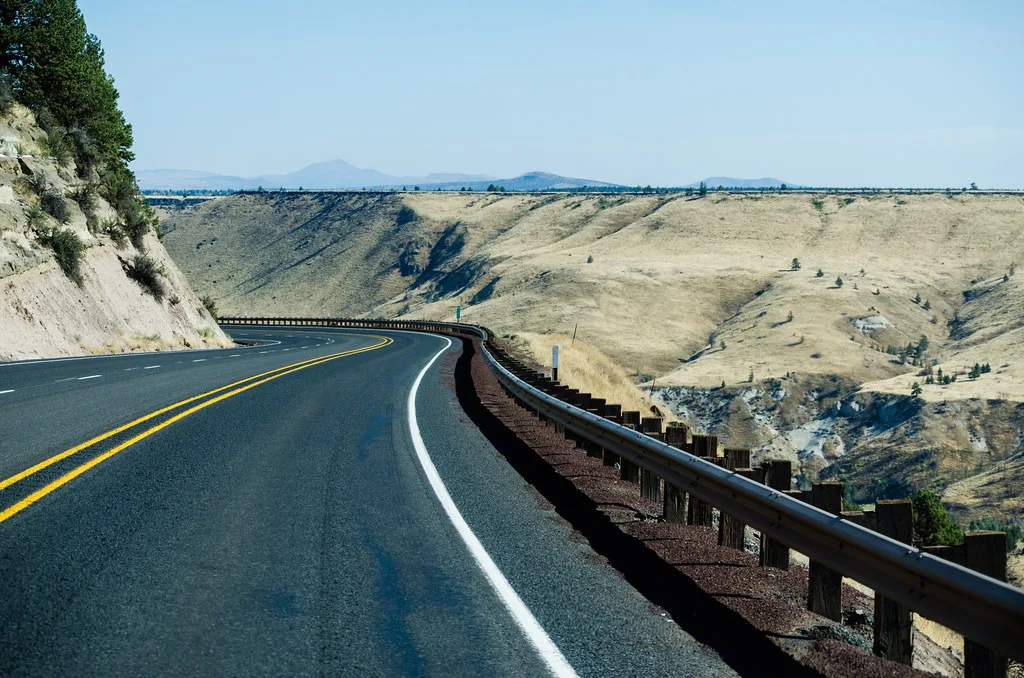
From Portland, the resort's own description puts the drive at about two hours. The route runs east through the Cascades on US-26 and then south on US-97 toward Warm Springs, with the final stretch dropping into the Warm Springs valley. Fuel and food are easiest to sort in Madras or Redmond before the last leg, since services thin out as you approach the reservation.
From Bend, the approach is shorter: north on US-97 to Warm Springs, then the signed road to the resort. Either way, high desert weather is the variable that matters most. Winter storms can slow the mountain passes on US-26, and summer afternoons bring wind and sun exposure, so build slack into the drive rather than treating the two-hour figure as a guarantee.
Day passes versus overnight stays
The day-pass trip is the right call if you are passing through central Oregon or tacking a soak onto a Bend or Mt. Hood weekend. You drive in, soak, and leave the same day, which keeps the trip cheap in time and lets you stay in Madras or Redmond at whatever price suits you. The cost is flexibility: you soak within the property's day-use window rather than at dawn or after dark.
Ask whether pool access is included with a room, so you are not paying twice for the same pool time.
An overnight stay makes more sense for families with young kids, groups celebrating something, or anyone who wants two soaking sessions in one trip. Staying on site removes the drive between pool and bed and lets you split the day between the water and other activities. Book lodging directly with the resort, and ask what is included with the room so you are not paying twice for pool access.
The pools
The property pairs hot spring soaking water with a larger swimming pool, which is the detail that separates Kah-Nee-Ta from a single-temperature soak. Kids who want to splash and adults who want still, hot water can use different parts of the property at the same time. Check the pool layout and any age or supervision rules at the front desk when you arrive, since posted rules govern the water.
Keep your head above the surface in the hot pools, and move out if you feel overheated.
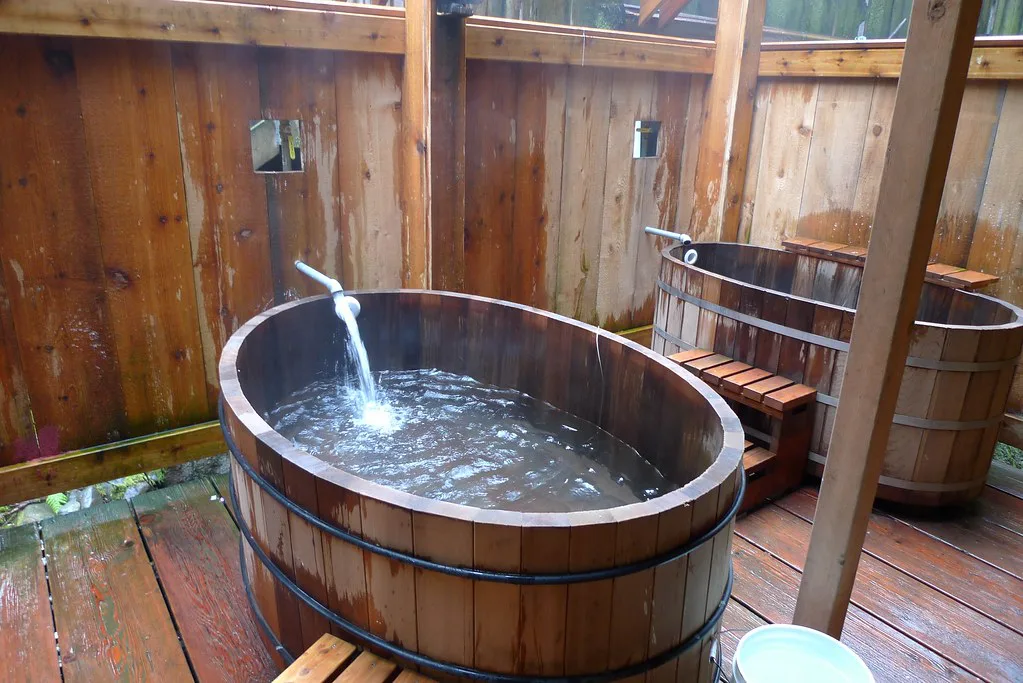
Treat the hot pools the way you would any geothermal water: keep your head above the surface, move out if you feel overheated, and give yourself cool-down breaks in the desert air. The high desert swing between hot afternoons and cold nights is the real feature here; a fall or spring visit lets you soak in warmth and then stand in genuinely crisp air between rounds.
Fees, hours and season
Prices, day-use windows and the operating calendar change with the season, and the resort publishes them on its own site and confirms them by phone. Ask specifically about day-pass pricing for your dates, whether pool access is included with a room, and whether any part of the property is closed during your visit. Those three questions cover most of the cost uncertainty in a Kah-Nee-Ta trip.
Confirm current conditions and hours with Kah-Nee-Ta Hot Springs Resort before you drive out, especially on holiday weekends when the property fills and schedules shift. If you are coming from Portland, a quick call before you leave saves a wasted two-hour drive.
Where to stay
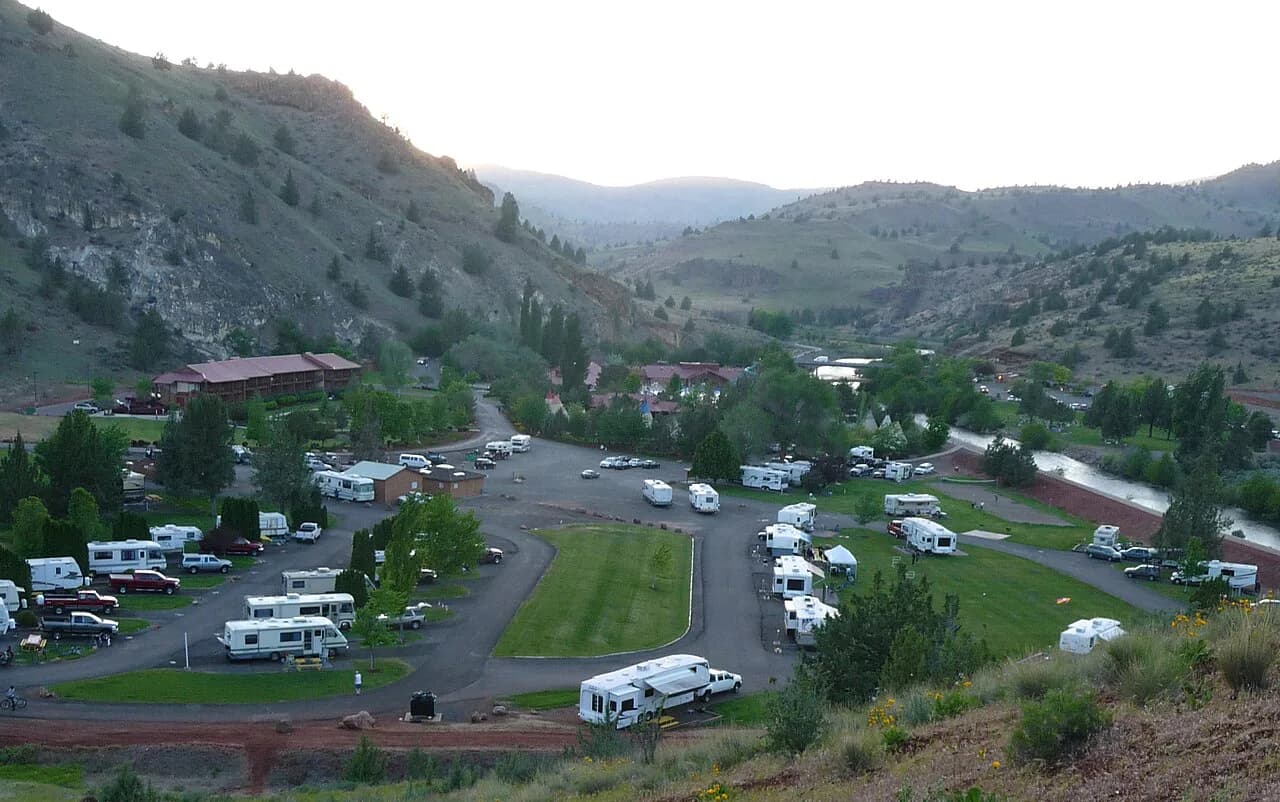
On-site lodging is the simplest option and the one that makes a two-soak trip work: you park once and walk to the water. The resort also offers camping and RV options alongside rooms, so ask which categories are open for your dates before you compare prices. For a quieter base, Madras and Redmond have conventional motels and rentals within a reasonable drive.
Staying in Bend is the other reasonable play, particularly if you want restaurants and a larger town at the end of the day. The trade-off is a longer return drive after soaking, which is exactly when you least want one. If you go that route, soak earlier in the day and leave the resort with daylight to spare.
Crowds and the best time to go
Summer weekends and holiday periods are the busiest stretch, when the swimming pool and hot pools both fill and day visitors compete for space. Weekdays in spring and fall give you the best combination of open water, comfortable soaking weather and easy lodging. Winter visits are quieter but depend on road conditions over the Cascades, so check the forecast before committing.
Time your soak for the edges of the day. Mornings tend to be calmer and cooler, which suits hot pools, while afternoons bring the desert wind and the family crowd at the swimming pool. If you are staying overnight, use the early slot for a quiet soak and save the middle of the day for other plans.
What to bring
Pack swimwear, a towel and sun protection, and add a warm layer for the evening even in midsummer. High desert nights cool off fast, and the walk between pool and room is where you will feel it. Bring your own water bottle and refill it often; soaking plus dry air dehydrates faster than most people expect.
Leave glass containers behind and plan to follow the property's posted pool rules, including any restrictions on alcohol or outside food. If you are visiting with kids, ask at check-in which pool suits their ages and whether supervision ratios apply. A two-minute conversation at the desk prevents most of the friction on a busy day.
Nearby springs and road trips
Kah-Nee-Ta works well as the developed, bookable anchor of a longer hot springs road trip across the state. The broader guide to hot springs in Oregon covers the range from resort soaks to primitive forest pools, which helps you decide how much driving and hiking you want between soaks. Build the resort day first, then add the wilder stops around it.
East of the Cascades, Crystal Crane Hot Springs near Burns makes a natural second stop on a southeastern Oregon loop, with a soaking pond and overnight options in Harney County. It is a different kind of property from Kah-Nee-Ta, which is the point: one is a full resort, the other a rural soak with a campground feel.
If your route heads toward the Cascades instead, Breitenbush Hot Springs sits in the mountains east of Salem as a retreat-style property with its own booking rhythm. Closer to the mountain highways, Belknap Hot Springs and Bagby Hot Springs give you a resort pool and a hike-in tub respectively, so you can match the soak to your energy on any given day.
Reservation land and posted rules
Kah-Nee-Ta operates on the Warm Springs Reservation, so the property's rules carry the authority of tribal land rather than a federal recreation site. Read the posted policies at the pool and in your room, and treat staff direction as final. That is normal etiquette on reservation land, and it is the reason a resort soak here feels more structured than a national forest pool.
For comparison, a primitive BLM site nearby in eastern Oregon sets its own distinct rules: Snively Hot Springs is day use only, open sunrise to sunset, with no camping allowed at the site. Knowing how developed properties and public-land soaks differ in regulation helps you plan a trip that mixes both without assuming the rules carry over.
Plan Your Visit
Decide first whether you are making a day trip or an overnight stay, then book accordingly: day visitors should confirm pricing and pool hours for their dates, while overnight guests should ask what the room includes. That single decision shapes the drive, the budget and how long you get in the water.
Build the trip around a weekday if you can, bring layers for cold desert nights, and pair the soak with one contrasting stop, whether that is a mountain retreat or a rural pond soak. If your road trip keeps heading north, the hot springs in Washington offer Cascade soaks and gorge resorts that follow the same developed-versus-wild logic. Confirm conditions with the resort before you leave home, then let the two-hour drive from Portland be the easy part of the plan.
Frequently Asked Questions
Can you visit Kah-Nee-Ta Hot Springs for the day?
Yes, the resort offers day access to the pools alongside overnight lodging, but availability and day-use windows vary by season and demand. Confirm the day-pass options for your specific dates directly with the resort before you drive out.
How far is Kah-Nee-Ta from Portland?
The resort describes itself as about two hours from Portland. The drive runs east on US-26 through the Cascades and then south on US-97 toward Warm Springs, and winter pass conditions can add time.
What should I bring to Kah-Nee-Ta Hot Springs?
Bring swimwear, a towel, sun protection and a warm layer for the evening, since high desert nights cool off quickly. A refillable water bottle matters more than most people expect when soaking in dry air.
Is Kah-Nee-Ta good for families?
The property pairs hot soaking water with a larger swimming pool, which lets kids splash while adults soak nearby. Ask at check-in which pool suits your children's ages and what supervision rules apply.
Where should I stay near Kah-Nee-Ta Hot Springs?
On-site lodging is the simplest choice and keeps you within walking distance of the water. Madras and Redmond have conventional motels within a reasonable drive, and Bend works as a base if you want a larger town at the end of the day.
When is the best time to visit Kah-Nee-Ta?
Weekdays in spring and fall give you open pools, comfortable soaking weather and easier lodging. Summer weekends and holidays are the busiest stretch, and winter visits depend on road conditions over the Cascades.
Sources
Hot springs notes for your next road trip
Optional updates when we add or revise hot springs guides.
You might also like



Continue reading
More guides you'll find useful



