

Bagby Hot Springs, Oregon: The Hike-In Soak Guide
Bagby Hot Springs rewards a hike through Mt. Hood National Forest with cedar tubs and forest air. Plan the trail, timing, gear, rules, and nearby soaks here.
On this page
Bagby is the rare hot spring that asks you to earn the soak, and that walk through old Douglas fir, hemlock, and cedar is the reason to come. The payoff is a bathhouse of cedar tubs tucked into Mt. Hood National Forest above the Clackamas River, filled by a forest spring and shared by whoever made the hike that day. It suits fit hikers who want a rustic soak and a full afternoon outside.
Why Bagby Is Worth the Walk
Bagby's draw is a hand-built soaking scene rather than a resort pool: wooden tubs in a grove, forest air, and the quiet that comes with a setting you cannot drive to. The tubs hold geothermal water from the spring, and the cool Clackamas River country around the trailhead is what people mean when they talk about the Mt. Hood backcountry. Anyone willing to trade a car door for a trail gets something the roadside soaks cannot offer.
Before you lock in a date, look at the Mt. Hood National Forest recreation page, which posts notices for closed sites across the forest, and read the specific notice for Bagby. The forest carries repairs and routine cleaning alongside closures for wildfire and weather, so the site status can change between seasons. The forest also publishes trailhead and pass information on the same recreation pages.
Where Bagby Hot Springs Is
Bagby sits in the Clackamas River drainage of Mt. Hood National Forest, southeast of Estacada, the last town with a full spread of services before the forest roads begin. Estacada is the usual supply stop and the place to top off fuel before the drive in. Portland travelers make the run through the metro area and up the Clackamas corridor, with the final stretch on national forest roads.
Routing matters because forest road numbers change at junctions and signage can be sparse. Download the forest's motor vehicle use map for the Clackamas River Ranger District and pin the Bagby trailhead before you leave cell coverage. The Mt. Hood National Forest recreation listing names the forest as the managing land manager, so route questions belong with the Clackamas River Ranger District. Expect to drive gravel and expect to take your time.
The Hike In
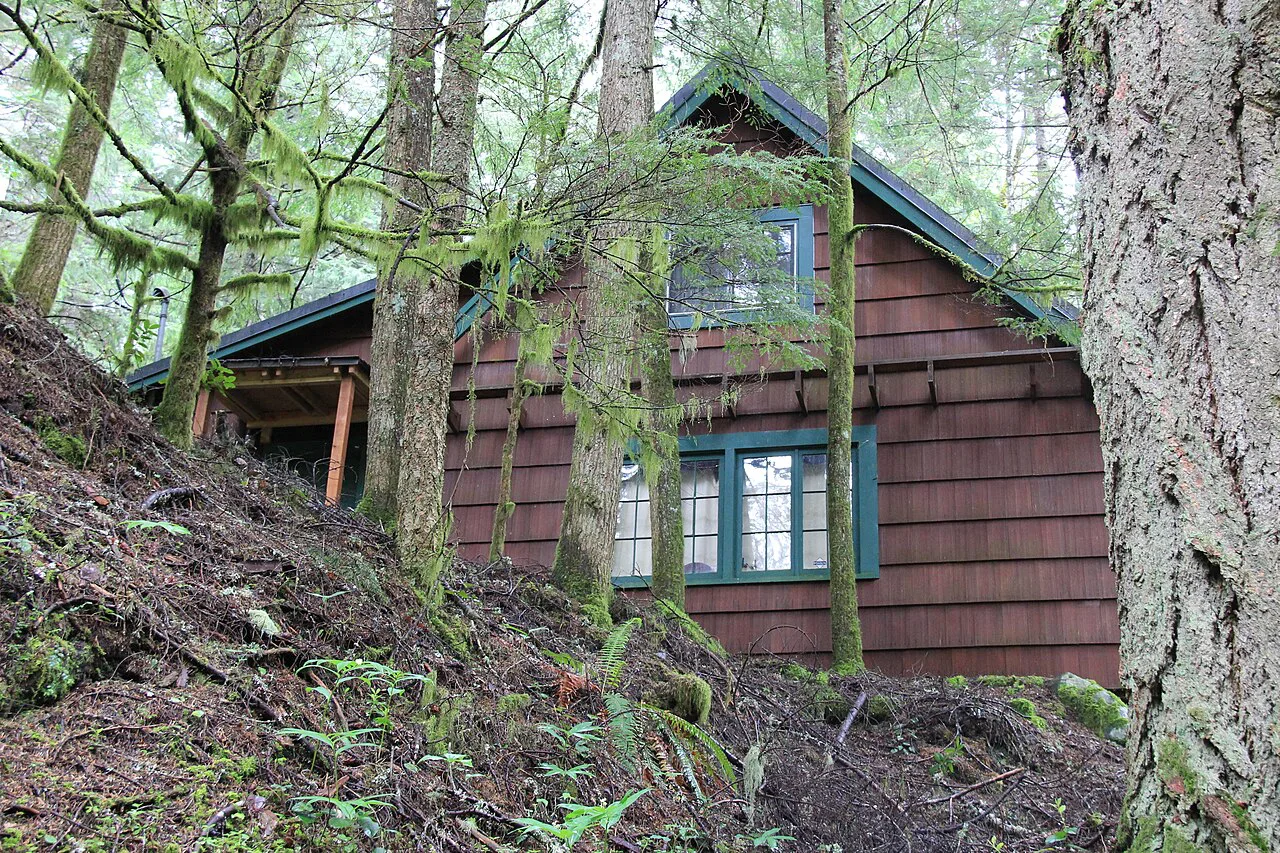
The Bagby Hot Springs Trail climbs from the trailhead through dense conifer forest, gaining steadily without being technical. The route is short enough to hike in street shoes and long enough to feel earned, and the tread is a forest singletrack with roots and rock that stay slick after rain. Trail listings describe this as a well-used route to the springs, and hikers share it with people carrying towels and coolers.
Winter adds snow and ice on the tread and short daylight, so carry traction devices and a headlamp and start early enough to hike out before dark.
Winter turns the same trail into a different trip: snow and ice on the tread, short daylight, and a trailhead that can require a higher-clearance vehicle after storms. Carry traction devices and a headlamp, and start early enough to hike out before dark. Storms and snow also trigger closures and repair work in the national forest, including the cleaning and repair closure the Mt. Hood National Forest recreation page lists for Bagby, so confirm status before a winter drive.
The Bathhouse and Cedar Tubs
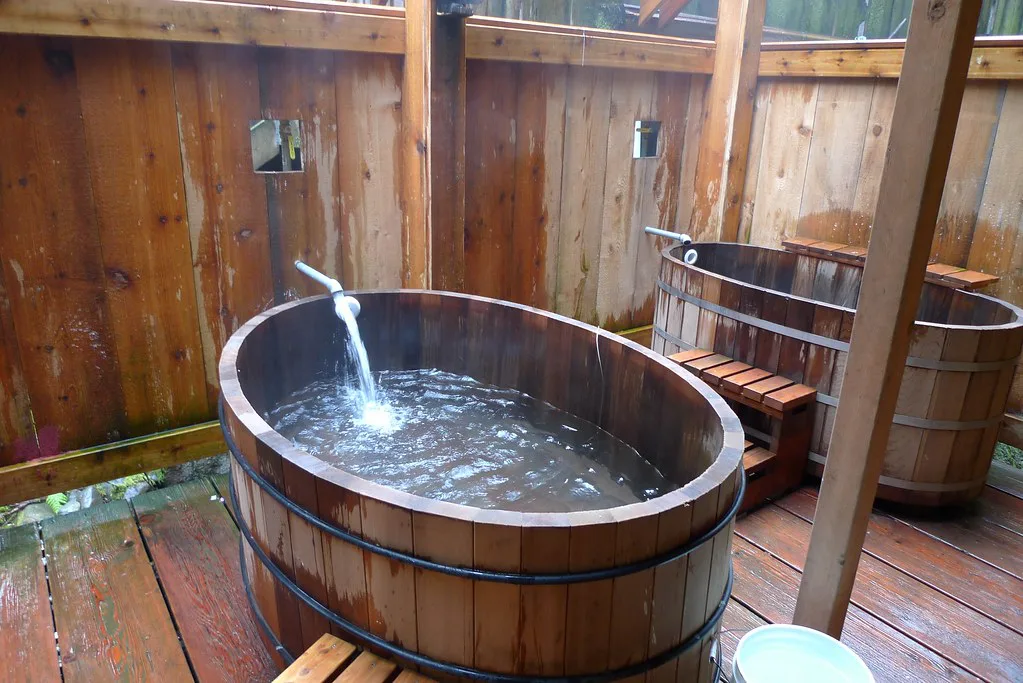
At the top, the bathhouse is built of cedar: a row of communal soaking tubs under a roof plus enclosed tubs for people who want privacy. The springs feed the tubs and bathers adjust the flow to get a soakable temperature, so expect to fiddle with the spigot when you arrive. The fixtures and plank floors are original timber construction, and the whole thing feels closer to a backcountry cabin than to a spa.
Plan on sharing. The communal tubs hold several people, and a busy afternoon means waiting for space or taking a short turn. Arrive with a towel, a water bottle, and a dry layer, and keep your things off the wet floor. Never put your head under the water in an untreated geothermal spring, and step carefully on the slick cedar planks and tub rims.
Fees, Passes, and Trailhead Logistics
Hike length and any access fee are best taken from the official forest listing rather than from a video or a trail app, because day-use rules in Mt. Hood National Forest are tied to the specific trailhead and can change with the season. The trail is not an outfitted trip, so there is no concessionaire shuttle or gear rental at the trailhead. Take the forest's own page as the authority on passes and rules before you leave.
The northern trailhead approach has long been used by hikers, and one trail listing describes a longer route that continues past the springs. Treat any online trip description as a planning aid and confirm the current trailhead access on the forest pages. Parking is a forest pullout, so carpool when you can.
Rules That Shape a Visit
Bagby's clothing-optional tradition is the first thing many visitors want settled, and it is best treated as a live policy question rather than a fixed fact. Ask the Clackamas River Ranger District when you plan the trip, and read the posted signs at the trailhead and bathhouse on arrival. Follow what is posted: forest rules in Mt. Hood National Forest are enforceable, and signs at the site reflect current management decisions.
Bagby is a day-use destination: the bathhouse is for soaking, not sleeping, and overnight camping is not part of the visit. Pack out everything, including food scraps and wipes, and leave the tub area as clean as you found it. If you want a campfire-and-tent night, plan it elsewhere in the forest under the current fire restrictions.
Crowds and Timing
Bagby is popular because it is close to Portland and reasonably short on foot, so midday on summer weekends is the worst time to show up expecting an empty tub. Weekday mornings and the shoulder seasons give you a quieter bathhouse and an easier park. Fall brings cool air and golden larch on the drive in, spring brings runoff and mud, and summer brings the heaviest foot traffic.
Weather drives the experience more than the calendar. Rain makes the trail greasy and the tub decks slippery, snow closes roads and changes the hike, and a hot afternoon on an exposed stretch of trail is no fun with a heavy pack. Watch the Mt. Hood forecast, and pick a clear, mild day over a crowded holiday weekend.
What to Bring for a Hike-In Soak
Pack for the spring, not just the trail: a quick-dry towel, sandals for the bathhouse deck, a dry base layer to change into, and a bag that keeps your clothes and phone off the wet floor. Water shoes help on slick cedar, and a headlamp covers a late hike out. Cash is worth carrying in case the trailhead posts a fee station.
Bring more water than you think you need and food for after the soak, plus a trash bag for anything you carry in. A dry bag keeps spare layers dry if rain moves in. Forest roads and trailheads can lack services, so plan your fuel and supplies around Estacada before heading up the Clackamas.
Camping and Lodging Near Bagby
Bagby is a day trip, so plan your bed somewhere else. Dispersed camping is available across Mt. Hood National Forest on open forest land, and the forest's camping pages list designated campgrounds along the Clackamas River corridor within reach of the trailhead. The nearest motels and rental cabins cluster in Estacada and the Clackamas River communities, useful on a rainy night. Book a base and drive to the trailhead each morning rather than counting on a spot at the springs.
For a different kind of stay, the forest also has hot-spring-linked lodging at Breitenbush Hot Springs, a worker-owned retreat and conference center on 155 acres roughly 60 miles east of Salem. Breitenbush is open to visitors by booking a day or overnight stay, and its retreat center operates on hydro and geothermal power. It is a longer drive from Bagby but a comfortable base for a multi-day soak trip.
Nearby Soaks on a Mt. Hood Road Trip
Bagby is not the only soak in the Mt. Hood National Forest orbit, and pairing it with Terwilliger (Cougar) Hot Springs gives you two very different stops. Terwilliger sits on Cougar Reservoir along Highway 126 and is known for its clothing-optional tubs and forest setting, so a two-day loop from the Clackamas drainage south to the McKenzie corridor works well. If you want to compare how Oregon's drive-in and hike-in soaks stack up against pools further north, our Idaho hot springs guide covers the same decision in a different state. Check each site's current status before you commit the route.
Bagby Hot Springs is a short, steep option, while Umpqua Hot Springs, Oregon, is best for a longer southern road trip. Umpqua Hot Springs sits above the North Umpqua River east of Roseburg and is reached by a short, steep trail, with a different character altogether. Build Bagby and Umpqua into separate legs rather than one long day, and use the state guide to fill in the rest of the route.
Leave No Trace at a Hike-In Spring
At a hike-in spring, everything you bring leaves with you. That includes food scraps, wipes, and packaging, and it counts double around the bathhouse where wet cedar holds onto whatever lands on it. Stay on the established trail and the bathhouse deck rather than cutting new paths through the trees.
Safety Around Hot Water and Slick Cedar
Spring water at the source is scalding, so adjust the tub flow with care and test the water with a hand before you step in. Cedar planks, tub rims, and rock steps around a forest hot spring stay slick year-round. Keep your head above water in untreated geothermal water and drink plenty of water before and after soaking.
Forest roads and winter storms are the other half of the risk. Ice, snow, and downed trees close access roads and trails in the Mt. Hood National Forest, so carry chains for a winter drive and a charged phone for the drive out. Check current conditions with the Clackamas River Ranger District before you set out.
Plan Your Bagby Soak
Bagby Hot Springs is a hike-in bathhouse in Mt. Hood National Forest that rewards a short uphill walk with cedar tubs, forest quiet, and a genuine change of pace. Weekday mornings in a mild season give you the best shot at an uncrowded soak, dry trail, and space in the communal tub. Go prepared for rain, carry a towel and water, and confirm the forest notice before you commit to the drive. For every soak in the state, start with our guide to Oregon hot springs.
Frequently Asked Questions
How long of a hike is it to Bagby Hot Springs?
The trail climbs at a steady grade through conifer forest to the bathhouse, a walk most hikers handle in street shoes or light boots. Distance and trailhead access are best confirmed on the Mt. Hood National Forest recreation listing before you go, since routes and closures shift by season.
Is Bagby Hot Springs open?
Bagby opens and closes with forest management, weather, and repair work, and the Mt. Hood National Forest recreation page posts closures when they apply. Check that page before you drive out, especially in winter and early spring when snow can close forest roads.
What is the clothing policy at Bagby Hot Springs?
Clothing rules at hike-in springs can change with management decisions. Ask the Clackamas River Ranger District when you plan the trip and follow the signs posted at the trailhead and bathhouse, which reflect the current policy on site.
Do you need reservations for Bagby Hot Springs?
Bagby is a walk-in bathhouse rather than a bookable venue, so there is no reservation system for a soak. The forest's recreation pages are the place to confirm access, passes, and any notices before you hike in.
Can you camp at Bagby Hot Springs?
Bagby is a day-use site, so plan to camp elsewhere in Mt. Hood National Forest or stay in Estacada and the Clackamas corridor. Dispersed camping and designated campgrounds appear on the forest camping pages.
How much does it cost to soak at Bagby Hot Springs?
Access costs at Bagby depend on the trailhead and the forest's current pass rules, which the Mt. Hood National Forest recreation pages cover. Bring cash so you can pay any posted trailhead fee without a detour.
Sources
Hot springs notes for your next road trip
Optional updates when we add or revise hot springs guides.
You might also like



Continue reading
More guides you'll find useful


.jpg)