
Bigelow Hot Springs, Oregon: Relaxing Roadside Soak Guide
Bigelow Hot Springs is a tiny roadside pool on the McKenzie River off Highway 126, best in summer and fall. Here is how to find it and what to expect.
On this page
Bigelow Hot Springs is the two-to-four-person sand-and-gravel pool tucked against the north bank of the McKenzie River in Willamette National Forest, and it suits travelers on Highway 126 who want a quick, honest roadside soak rather than a resort afternoon. The pool sits right beside the river, so you get moving water, forest shade and a short walk instead of a parking-lot scene.
What makes it worth a stop is the setting and the size: one small pool with a rock overhang, warm water in summer and fall, and a five-minute approach from a roadside parking area. It is not the place for a long, quiet retreat, and it is not the place to bring a big group.
Where Bigelow Hot Springs sits
The spring is on the McKenzie River in Willamette National Forest, just off the scenic McKenzie Highway 126, which puts it within easy reach of McKenzie Bridge and roughly 60 miles from Eugene. The drive follows the river most of the way, so the soak fits naturally into a day on this stretch of highway.
The turnoff is Forest Road 2654, about five miles from the junction of Highway 126 and Highway 242. From there you cross the bridge and reach the parking area, with the pool a short walk downhill at the river.
Getting there
Turn onto Forest Road 2654 off Highway 126 five miles from the Highway 126/Highway 242 junction, drive across the bridge and park in the lot, then walk down to the river to reach the spring. The approach is brief, but the bank is uneven and can be slick, so boots or shoes with grip beat flip-flops on the way down.
Aim for the pool on the downstream side of the bridge rather than trusting a phone pin to put you at the water. Leave room for other cars in the lot, since this is a popular stop and the parking area is the only staging point for the soak.
The pool
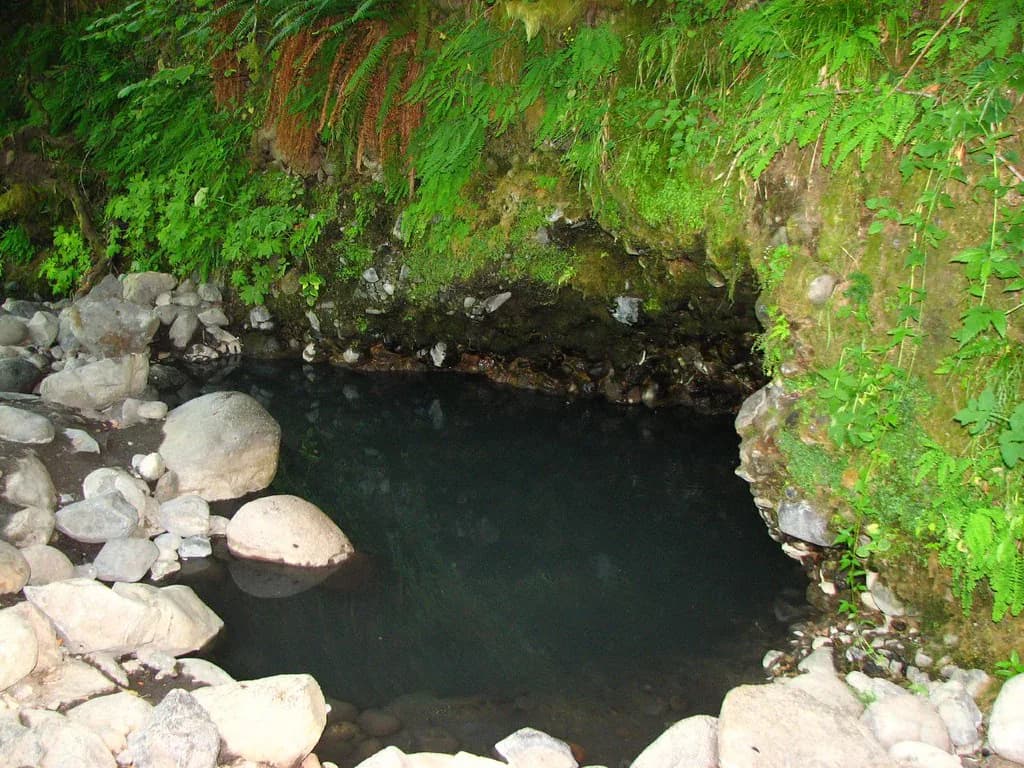
This is one small pool, sized for two to four people, built of sand and gravel at the river's edge. The water is murky rather than clear, and it carries a noticeable sulfur smell, which is the trade-off for soaking somewhere this wild and this easy to reach.
| Detail | What to expect |
|---|---|
| Size | Sized for two to four people |
| Summer and fall temperature | Typically 102 to 104 degrees Fahrenheit |
| Hours | Nighttime use is closed |
| Facilities | None, with no toilets |
Part of the spring sits under a rock overhang, which adds a bit of shelter but also limits how many people can soak comfortably at once. Plan on a short session and be ready to share the pool or wait for space, especially on a sunny weekend.
The water temperature
In summer and fall the pool typically runs between 102 and 104 degrees Fahrenheit, which is a comfortable soak when the river is low and the weather is warm. Treat the source water as hot and keep your head above water; geothermal water is untreated and not meant for drinking or submerging your face.
Expect the water to feel distinctly hot when you first step in, and give yourself a moment to adjust before settling onto the gravel bottom. Because the pool is shallow, you will likely find the warmest spot by shifting around rather than by digging in deeper.
Season and river conditions
Summer and fall are the window here. When the McKenzie runs high, in winter and spring, river water mixes into the pool and it becomes too cool to soak, so a cold-season visit often means looking at a pretty riverside puddle rather than getting in.
When the McKenzie runs high, river water mixes into the pool and it becomes too cool to soak. A cold-season visit often means a riverside look rather than a soak.
River levels respond quickly to rain and snowmelt, so the state of the pool can change within days on either side of the season. A warm, dry stretch is your best bet, and a low, clear river is the sign that the soak is on.
Rules and overnight closure
Nighttime use is closed at this site, so plan your soak for daylight hours and be out before dark. There are no toilets or other facilities, so bring your own water, snacks and a bag for trash, and carry everything back up to the car with you.
Plan your soak for daylight hours and be out before dark, since nighttime use is closed. Carry everything you brought back up to the car.
Soaking here is clothing-optional, and that is the long-standing norm rather than an exception, so choose your swimwear and your company accordingly. Treat other bathers with the same courtesy you would want at a small, shared pool: give space, keep voices low and don't crowd the water.
Crowds and best time to go
Bigelow is high-visibility and heavily used, and its small size makes that use feel concentrated. A weekday morning or an early-afternoon arrival on a shoulder-season day gives you the best odds of having the pool to yourself or sharing it with just one or two other people.
The pool sits in forest shade, which keeps the soak comfortable even on a hot afternoon, but shade also means the surrounding ground stays damp and the bank stays slick. Watch your footing on the way in and out, and keep an eye on the river if you wade beyond the pool.
Camping and lodging nearby
There is no on-site camping at Bigelow; the nearest options are established campgrounds and lodging along Highway 126 and around McKenzie Bridge. That makes the spring a natural stop on the way to or from a night at a nearby camp or cabin rather than a destination for an overnight stay.
If you want a comfortable base with more amenities, check what Belknap Hot Springs, Oregon offers as a lodging and soaking stop on the same highway before you commit to camping. Book ahead in summer, when the McKenzie corridor fills up with rafters, hikers and road-trippers.
Nearby springs to combine
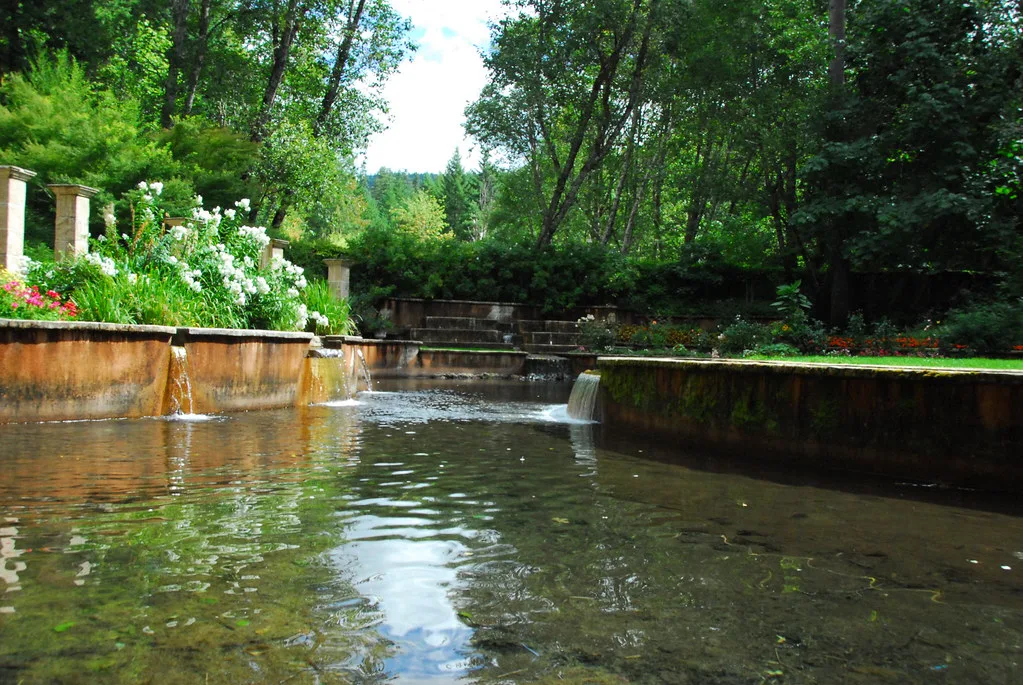
Bigelow pairs naturally with other soaks along Highway 126. Belknap Hot Springs is the developed, reservable option close by, with landscaped pools and lodging, and it makes a good counterpoint to Bigelow's single small gravel pool. If you are planning soaks further afield on the same trip, the guide to hot springs in Idaho covers a similar mix of roadside pools and reservable resorts.
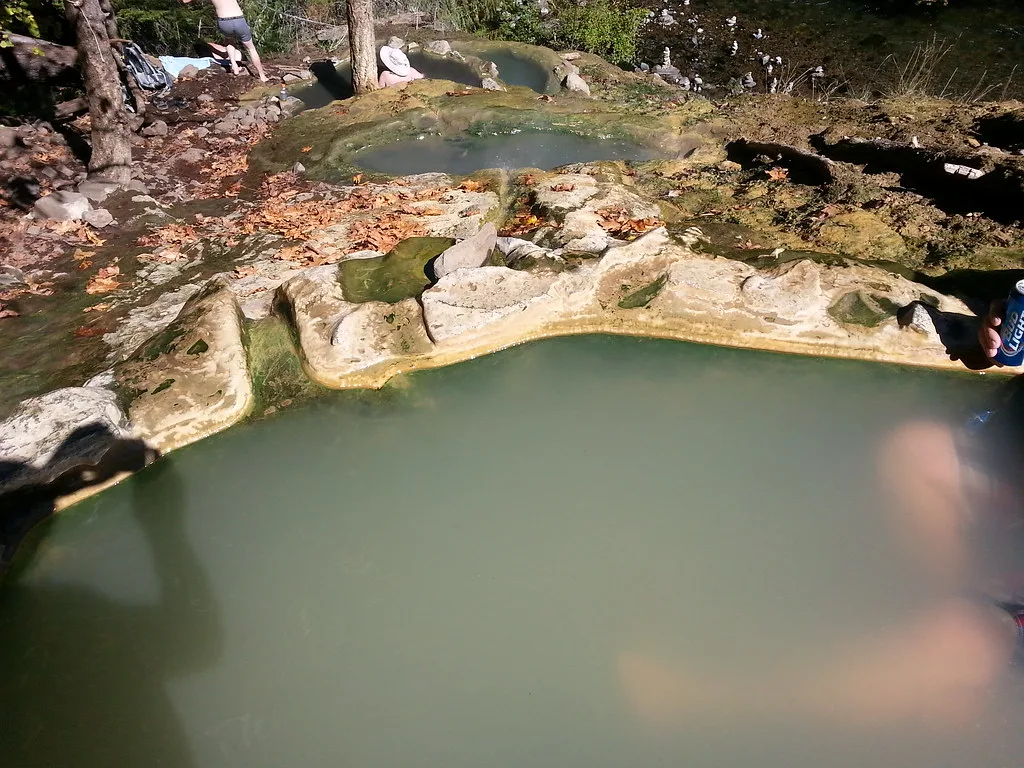
Terwilliger (Cougar) Hot Springs is another Forest Service soak in this corridor, reached by a separate forest road, and it is worth checking access before you add it to the day. For a broader map of options across the state, the wider guide to hot springs in oregon covers developed resorts and primitive pools alike.
What to bring
Pack a towel, a dry layer, water and shoes that can get wet and grip slick rock, plus a bag to carry out everything you bring in. A small tarp or sit pad helps if you want to change or sit on the damp bank without getting soaked.
Leave glass at home, keep food and drink simple, and expect no picnic tables or benches at the pool. On the drive out, use the trash bag you brought; this is a pack-it-out site with no facilities.
Keep the pool wild
This is a primitive riverside soak, so the etiquette is simple: no soap or shampoo in the water, no glass, and everything you carry down to the river goes back up with you. Build your visit around a short soak and a clean exit rather than a long camp-out at the pool.
Plan Your Bigelow Soak
Bigelow Hot Springs rewards a small commitment: a short detour off Highway 126, a short walk and a soak in a two-to-four-person riverside pool with warm summer water and a sulfur smell. Plan it for summer or fall, aim for a weekday, and treat it as one stop on a McKenzie River day rather than the whole trip.
Rain, snowmelt and storms can change river levels, road access and the pool itself, so confirm current conditions with the Willamette National Forest before you commit to the drive. Outside summer and fall, the water is likely to run too cool to enjoy.
Frequently Asked Questions
Is Bigelow Hot Springs clothing optional?
Yes. Clothing-optional use is the norm at Bigelow, so expect to share the pool with nude and suited bathers alike. Give others space and follow the same courtesy you would want at a small shared soak.
How do I get to Bigelow Hot Springs?
Turn onto Forest Road 2654 off Highway 126, about five miles from the Highway 126/Highway 242 junction. Cross the bridge to the parking area, then walk down to the river; the pool is on the bank, on the downstream side of the bridge.
How big is the pool at Bigelow Hot Springs?
It is one small sand-and-gravel pool, sized for roughly two to four people. Part of it sits under a rock overhang, so space is limited and you may need to wait on a busy day.
When is the best time to soak at Bigelow Hot Springs?
Summer and fall are the window. In winter and spring the McKenzie runs high and the pool can be too cool to soak, so aim for a warm, dry stretch when the river is low.
What is the water temperature at Bigelow Hot Springs?
In summer and fall the pool typically runs around 102 to 104 degrees Fahrenheit. Keep your head above the water, since geothermal water is untreated.
Can you camp at Bigelow Hot Springs?
There is no on-site camping. Campgrounds and lodging along Highway 126 and around McKenzie Bridge are the closest options, so plan the soak as a stop on the way to or from your overnight base.
Is there a fee or reservation at Bigelow Hot Springs?
Fees and reservations are not the focus here; the site is a small primitive Forest Service pool with no facilities, and nighttime use is closed. Check the current rules with the Willamette National Forest before you go.
Which nearby hot springs can you combine with Bigelow?
Pair Bigelow with Belknap Hot Springs, the developed soaking and lodging stop on the same highway, or with Terwilliger (Cougar) Hot Springs. Both sit in the same McKenzie corridor.
Sources
Hot springs notes for your next road trip
Optional updates when we add or revise hot springs guides.
You might also like



Continue reading
More guides you'll find useful


