Antelope Hot Springs, Oregon: Soaking & Camping Guide
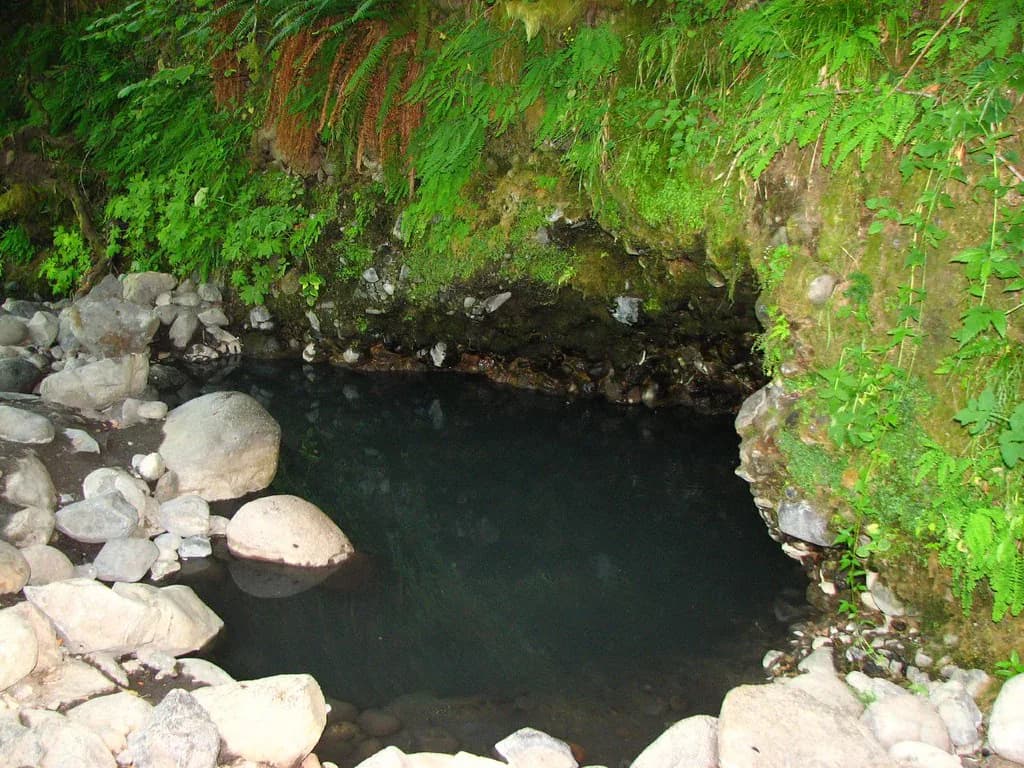
Antelope Hot Springs in Oregon's Hart Mountain refuge pairs a rock-walled developed pool with warmer primitive soaks and a 25-site first-come campground.
On this page
Antelope Hot Springs rewards the kind of traveler who will trade a long dirt-road drive for hot water, pronghorn on the flats and nobody waiting behind them for a turn in the pool. The soak sits inside Hart Mountain National Antelope Refuge in south-central Oregon, where a rock-walled developed pool and a pair of primitive meadow pools share a parking area and a primitive campground. It suits road-trippers with a full tank, a spare tire and a couple of nights to spare, not a quick detour off the interstate.
Why Antelope Hot Springs is worth the drive
The draw here is range: you can soak in a walled pool with a ladder and a handrail, then walk a few minutes into open meadow for shallower pools with nothing between you and the view of Hart Mountain. That mix makes the spring work for couples, small groups and campers who want a soak at dawn without a queue. The refuge setting adds pronghorn, mule deer and sage-grouse to the trip, so a soak day doubles as wildlife watching.
This is also one of the most remote soaks in the state, reached over miles of dirt and gravel with no cell signal at the springs. That distance is the trade-off: fewer bathers, but no quick run for supplies, fuel or help. Plan the drive as its own task and the soak as the reward.
Where Antelope Hot Springs is
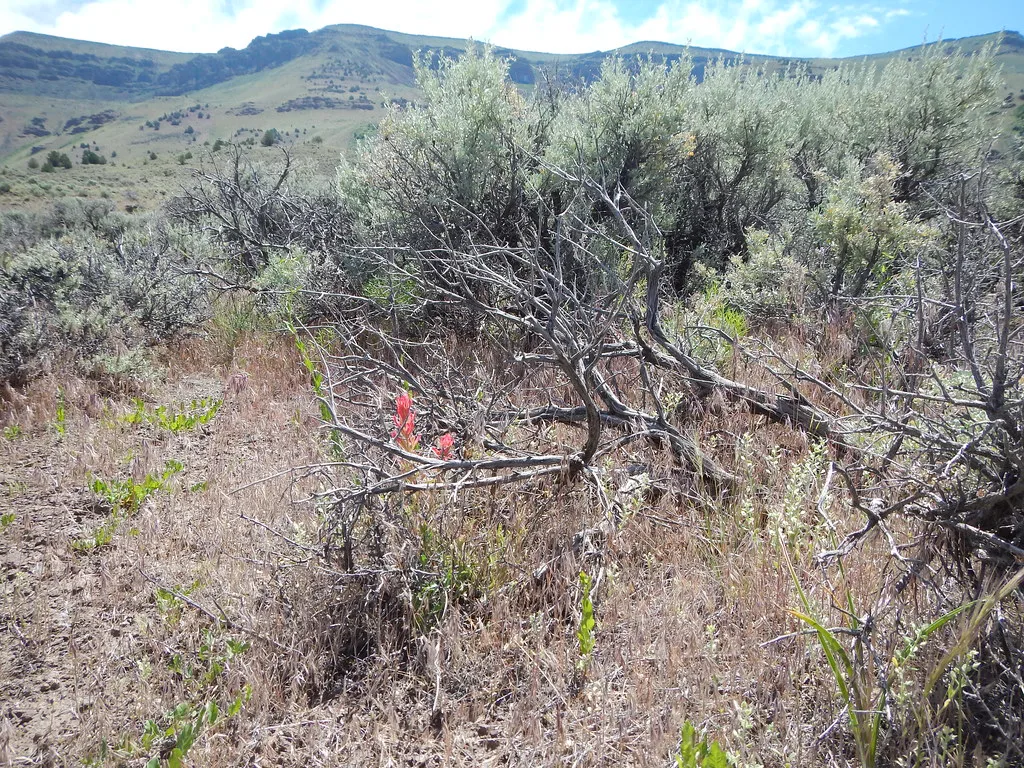
The spring lies on a high-desert plateau in Hart Mountain National Antelope Refuge, roughly two and a half hours from Lakeview. From Plush, the usual approach, you climb Hart Mountain Road to the refuge headquarters, where Hart Mountain, Frenchglen and Blue Sky roads converge; turn onto Blue Sky, then take the slight right onto Hot Springs Campground Road, and the pools are about two and a half miles on.
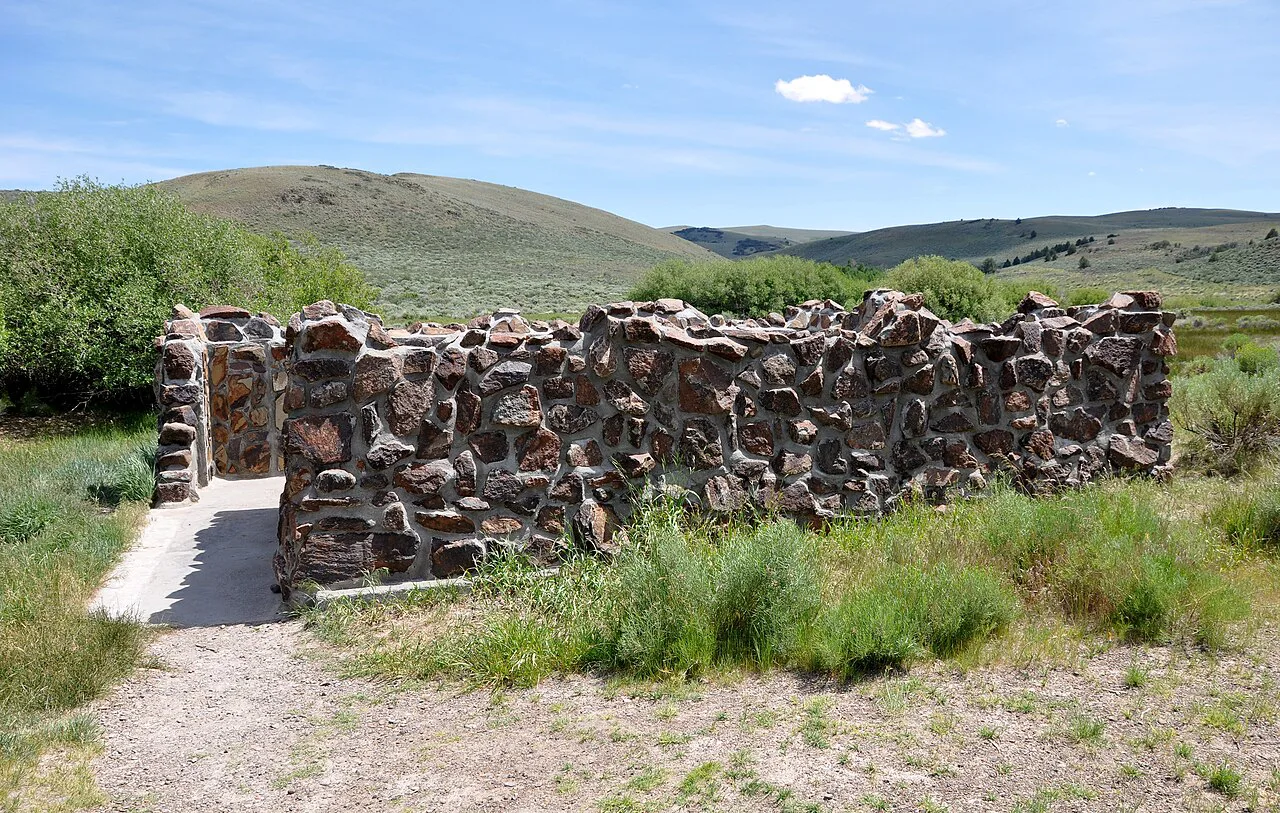
The final stretch drops downhill to Rock Creek. Turning right crosses the creek toward the campground, while turning left brings you to the parking turnaround and the stone wall of the developed pool. Signs near the springs point the way, but the junctions come fast on dirt, so load a map before you lose service.
Getting there from the nearest cities
This is an all-day drive from most of the Northwest. Portland runs about eight hours, Boise a little over five, and Spokane and Salt Lake City each land near nine. Plan to arrive with daylight to spare for setting camp and finding the pools.
Approach from Plush rather than Frenchglen. The road in from Plush is graded dirt and gravel that a standard SUV with some clearance handles well, and the Frenchglen side is a long, badly washboarded stretch that will rattle a small car and its occupants. If you do come from the east, budget more than an hour of slow driving.
Rain changes the equation on the climb, where steep gravel switchbacks turn slick; if a storm rolls in while you are up top, wait it out rather than testing the descent. Snow can close the road entirely in winter, and the campground stays open year-round only as long as the road is drivable. Before a shoulder-season or winter trip, confirm road and fire status with the refuge, and watch Inciweb during fire season.
Fuel, water and offline planning
There is no cell service at the springs, so download offline maps and drop a pin on the parking area before you leave pavement. Carry a full-size spare, a printed topographic map and several gallons of extra water, because the nearest fuel is in Plush or Fields and both keep limited hours.
There is no cell service at the springs, so download offline maps and drop a pin on the parking area before you leave pavement.
Plush is about 90 minutes west and has a gas pump and a small convenience store; Adel is roughly two hours out and Lakeview, the closest full-service town, about two and a quarter hours, with grocery chains, restaurants, gas and a small hospital. Top off and buy water before the dirt begins.
The campground has vault toilets but no drinking water, and the refuge visitor center is the nearest tap when it is open. Bring your own supply for soaking, cooking and the drive out, plus a packable water filter as backup.
The developed pool
The main pool is a rock-and-concrete basin set against a stone wall, with a metal ladder for entry and a handrail. It holds about six people comfortably, runs roughly 9 by 12 feet and reaches about 5 feet at its deepest, so adults can stand on the shelves while shorter soakers may find themselves neck-deep.
The bottom is an uneven mix of concrete and rock, and it gets slippery, so water shoes or sandals with tread are worth the small packing space. The wall earns its keep on cold, windy mornings by blocking the breeze while you soak.
Water in the developed pool typically measures in the 95-105°F range, with the source bubbling up between 100 and 104°F. Treat the source crack as scalding and ease in rather than plunging, and keep your head above the water.
The primitive pools
From the west corner of the parking lot, a trail of roughly 0.2 miles, about five minutes on foot, leads to the primitive soaks out in the meadow. These pools are shallower with a soft dirt bottom, so you lie back rather than stand, and they tend to run a few degrees warmer than the developed pool.
There are two primitive pools west of the parking area, both roomy enough for several adults and deep enough to cover your body, with wide-open views across the refuge. They sit fully exposed, so wind can make them feel cooler than the walled pool even when the water reads hotter. On a gusty day the developed pool is the more comfortable choice; on a calm morning, the meadow wins.
Camping at Hart Mountain Hot Springs Campground
The campground holds 25 primitive, first-come sites with a 14-day stay limit, spread along Rock Creek north and south of the springs, each with a fire ring. Vault toilets are scattered through the loops and were kept clean and stocked on a recent visit. There is no potable water, trash service or other amenity, so pack out everything you bring.
Choose your loop by vehicle and temperament. The northern sites sit close together and turn soggy in spring, which makes them a poor fit for trailers and RVs; the southern sites down Barnhardi Road are more secluded, with trees between most of them and the creek right behind. Campervans and trucks do fine on the tighter north side.
If the hot springs campground is full, Camp Hart Mountain, about 45 minutes back toward Plush, has eight primitive first-come sites and a 14-day limit, with potable water when temperatures stay above freezing. Sleeping in pull-offs along refuge roads is not allowed, and backcountry tent camping requires a permit with your site at least a half mile from your vehicle and 50 feet from water.
Rules and etiquette at the pools
Soaking here is clothing-optional, and signage at the pools prohibits glass. Keep dogs leashed and out of the water, use the vault toilets before you soak, and skip soaps, lotions and oils so the pools stay clean for the next bather.
Because this is a hike-in soak off a dirt lot, plan to pack out every bit of trash, including the small stuff that blows away, and stay on the existing path to the meadow pools instead of cutting new tracks through the grass. A bag for stray litter is a small addition to your pack.
Best time to visit
Spring and fall are the sweet spots. Days are mild, nights cold, and the crowds stay thin; April, May, October and November are the months to target. Spring rain can flood the campground and block access, and summer brings heat, bigger weekend crowds and the start of fire season, with August the hottest month.
Winter soaks are quiet and scenic when the road stays open, with highs in the upper 30s to low 40s and lows in the teens and twenties, so bring a robe and dry layers for the dash back to the car. A 2024 fire, the Warner Peak Fire, burned across the refuge and closed the springs into 2025; check the refuge website and Inciweb before any late-summer or fall trip.
Crowds, timing and what to pack
Hunting season is the one reliable traffic spike, when the refuge fills with trucks and the pools get busy. The rest of the year the distance keeps numbers down, and an early start pays off: soak at sunrise and you may have the developed pool to yourself for half an hour before the first arrival.
Pack a bathrobe or a quick-dry towel, warm dry clothes that slide over wet skin, treaded sandals for the slippery pool bottom, a headlamp for dawn and evening soaks, and more water than you think you need. Binoculars earn their place too, since pronghorn and bighorn sheep are regulars on the flats.
Wildlife and hikes nearby
The refuge was set aside for pronghorn, and you will likely see them grazing or running the open meadows, along with mule deer, bighorn sheep and sage-grouse. Go early or late in the day, keep your distance and stay quiet.
Two hikes justify a second night. Petroglyph Lake is a 6.1-mile out-and-back from a trailhead near the refuge visitor center, flat but shadeless, with rock art along the way, while the Warner Peak scramble climbs about 1,100 feet from the campground's southwest corner for a view over the whole basin.
Nearby springs for a road trip
Willow Creek Hot Springs, on BLM land near Fields, is the closest companion soak: a free, primitive campground with a single pool split into hot and warm sides. It fits naturally onto the drive home if you are heading east or south.
Two and a half hours north, Crane Hot Springs is a developed resort with lodging and an RV and tent campground, a comfortable contrast to the refuge. Farther west, Umpqua Hot Springs trades the dry high desert for a lush national forest setting, and our guide to hot springs in oregon maps the rest of the circuit for planning a longer loop. If you are willing to cross a state line for the same kind of remote road-trip soak, our Idaho hot springs guide covers similar high-desert pools.
Safety at the pools
The source crack feeding the developed pool is the hottest water on site, so find a shelf away from it before you settle in. Rock and concrete underfoot are slick, which is why water shoes help, and keeping your head above untreated geothermal water is the standard habit at any natural soak.
Remote travel here means self-sufficiency: no cell signal, limited fuel hours and long drives to a hospital. Carry a satellite communicator if you have one, tell someone your itinerary, and top off water and fuel before leaving Plush.
Plan Your Hart Mountain Soak
Antelope Hot Springs suits travelers who want a real high-desert road trip with a developed pool for cold mornings, meadow soaks for calm evenings and a free first-come campground a short walk away. Build in the long drive from Portland or Boise, approach from Plush, and arrive with water, fuel and offline maps already handled.
For the rest of the state's soaks, from the Clackamas River to the Cascades, browse our companion guides and treat this refuge stop as the remote anchor of a longer Oregon hot springs itinerary. For every soak in the state, start with our guide to Oregon hot springs.
Frequently Asked Questions
Is Antelope Hot Springs the same as Hart Mountain Hot Springs?
Yes. The pools inside Hart Mountain National Antelope Refuge are known by both names and appear on maps as Hart Mountain Hot Springs. The developed pool, the primitive meadow pools and the campground all sit off Hot Springs Campground Road above Rock Creek in south-central Oregon.
Do you need four-wheel drive to reach Antelope Hot Springs?
A standard SUV with some clearance handles the graded dirt and gravel approach from Plush in dry weather. Rain turns the steep gravel switchbacks slick, and snow can close the road, so time your trip for a dry forecast and be ready to wait out a storm on the mountain.
What is the water temperature at Antelope Hot Springs?
The developed pool typically measures in the 95-105°F range, with the source bubbling up between 100 and 104°F. The primitive meadow pools tend to run a few degrees warmer but feel cooler in the wind because they sit fully exposed.
Can you camp at Antelope Hot Springs?
Yes. Hart Mountain Hot Springs Campground has 25 primitive first-come sites with a 14-day stay limit, fire rings and vault toilets, but no drinking water, so bring your own and pack out all trash. Camp Hart Mountain, about 45 minutes toward Plush, has eight more primitive sites as overflow.
Is Antelope Hot Springs clothing optional?
Soaking here is clothing-optional. Expect a mix of suited and unsuited soakers, keep noise low, and follow the posted rules, which include no glass at the pools.
Are dogs allowed at Antelope Hot Springs?
Dogs are allowed in the area but must stay leashed and are not permitted in the pools. The campground is pet-friendly, and the refuge's open ground makes short leashed walks easy.
When is the best time to visit Hart Mountain Hot Springs?
Spring and fall bring the most comfortable camping weather, with April, May, October and November standing out. Summer runs hot and busy with fire risk, while winter soaks are quiet and scenic when the road stays open.
Are there other hot springs near Plush, Oregon?
Willow Creek Hot Springs, on BLM land near Fields, is the nearest companion soak, with a primitive free campground and one pool split into hot and warm sides. Crane Hot Springs, a developed resort, sits about two and a half hours north and makes a comfortable second stop.
Sources
Hot springs notes for your next road trip
Optional updates when we add or revise hot springs guides.
You might also like



Continue reading
More guides you'll find useful