Hot Springs in Washington: Gorge Resorts and Cascade Soaks
Plan a Washington hot springs trip with Columbia Gorge resorts, Sol Duc's rainforest pools and hike-in Cascade soaks, plus what each one asks of you.
On this page
Washington rewards soak-seekers with two very different trips. In the Columbia River Gorge you can park near a historic bathhouse and be in mineral water within minutes, while the Cascades and the Olympic Peninsula hide primitive pools at the end of long trails and rough forest roads. The right choice comes down to how much effort you want to trade for solitude.
This guide groups the state's notable springs by region, flags which ones are geothermal and which are not, and notes the access limits that shape each visit. Where a source gives a posted temperature, season or reservation rule, it appears below so you can plan around it.
Two Kinds of Washington Soak
The state's springs fall into a simple split. Developed properties around the Gorge and on the Olympic Peninsula give you changing rooms, posted pool temperatures and lodging, while wild soaks in the Cascades and Olympic Mountains ask for a hike, a reservation or both. Match the spring to your group first, then to your vehicle and the season.
Timing matters more in the mountains than in the Gorge. The wet Cascade climate keeps many wild soaks snowbound into summer, and trails and river crossings ease from late summer into fall, while several Gorge resorts stay open year-round as a mild-weather alternative. Use that contrast to pick a shoulder-season trip rather than forcing a high-country soak in June.
The Columbia Gorge: Carson Hot Springs Resort, TenZen Springs and Bonneville
The densest cluster of developed soaks sits on the Washington side of the Columbia Gorge near Carson and Stevenson, roughly an hour from Portland. It is the easiest place in the state to combine a soak with a meal and a bed, and the reason many travelers start here before heading into the mountains.
Carson Hot Springs is a historic 1901 property with a 1930s bathhouse, individual clawfoot tubs fed from the Wind River and larger public soaking pools posted at 98 to 104 degrees. It runs year-round and accepts day visitors, and guests can soak by the hour during set times or book overnight lodging with a balcony hot tub. Read the full Carson Hot Springs, Washington breakdown before you pick a tub or a room.
TenZen Springs & Cabins is an adults-only hilltop retreat that opened in 2022, with private two-person wooden tubs in each cabin fed by geothermal water from the Wind River. Guests control the temperature themselves, and the tubs are drained and cleaned between stays. It is reservation-only and built for overnight guests rather than drop-in soaks.
Bonneville Hot Springs Resort & Spa reopened in 2025 with an indoor pool, an outdoor hot tub, a sauna and a restaurant, and it runs year-round with direct trail access. For a Gorge base that mixes a soak with a sit-down dinner, it is the most full-service option on this stretch of the river.
Sol Duc Hot Springs in Olympic National Park
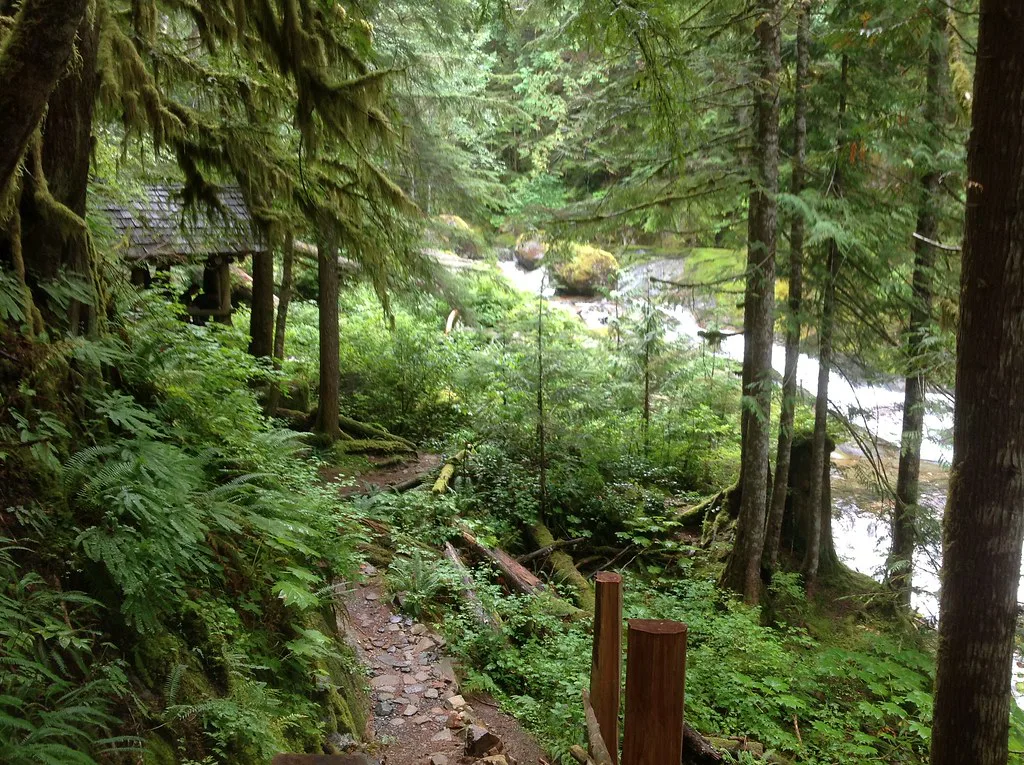
Sol Duc is the classic Olympic Peninsula soak: man-made outdoor pools set in old-growth rainforest, fed by water that has percolated through sedimentary rock and picked up minerals before surfacing. It suits families and travelers who want a soak folded into a national park day rather than a backcountry mission. See the Sol Duc Hot Springs, Washington page for pool layout and lodging detail.
Access comes with a resort stay or a non-guest visitor pass, and sessions run 1.5 hours with pool temperatures from 99 to 104 degrees. Reservations are recommended and are made in person, so build a buffer into your day rather than arriving at the last slot. The resort operates from late March to early November.
Lodging ranges from lodge suites to cabins, and both include pool access, with a campground for tents and RVs nearby. During the peak season a weekday or a spring or fall visit gives you noticeably more room in the water. Book the Sol Duc Hot Springs Resort stay and session together so pool access is settled before you arrive.
Scenic Hot Springs near Skykomish
Scenic Hot Springs is a minimally developed private property about 10 miles east of Skykomish, roughly two hours from Seattle, with two natural rock pools and two smaller temporary soaking pools. The water is unchlorinated and the setting is forested and quiet, which is why the reservation system matters: no-shows and drop-ins are turned away.
The hot springs sit at the end of a 2-mile uphill hike with about 1,100 feet of elevation gain. That is a real climb in any weather, and it filters out anyone looking for a roadside dip. Pack layers, food, water and two ways to make fire, and lock valuables out of sight at the trailhead.
Winter changes the trip entirely. Snow can be deep, snowshoes or skis are essential, and steep slopes turn slippery enough to need spikes or crampons. Scenic Hot Springs does not refund weather-related cancellations, so watch the forecast through the week and allow at least 72 hours to reschedule if conditions look rough.
Pets are prohibited on the Scenic Hot Springs property under county health rules. The reservation calendar and current trailhead conditions are on the Scenic Hot Springs site, and the drive from Seattle climbs over the pass, so check road status before you commit to the trip.
Goldmyer Hot Springs: Cap and Approach
Goldmyer Hot Springs sits east of North Bend in protected Cascades wilderness and is reached on a 4.5-mile hike. Three pools run 98 to 111 degrees, fed by a 125-degree mine shaft source, and the site caps visitors at 20 people per day. That cap is the whole point: it keeps a fragile wilderness soak from being loved to death.
Reservations are required and the site is paid, and bathing is clothing optional. Because the daily limit is small, popular weekends fill early, so lock in a date before you plan the rest of a North Bend trip. Bring water, food and layers; the hike in is the main event of the day.
Olympic Hot Springs and the Closed Road
Olympic Hot Springs is a set of primitive pools in Olympic National Park near Port Angeles, with temperatures around 85 to 105 degrees. There are no facilities, and a national park entry fee applies. It rewards hikers with a genuinely wild rainforest soak, but only if you plan for the mileage.
Plan for the mileage: the closed road turns a moderate outing into a long hike or bike ride, so treat it as a full day.
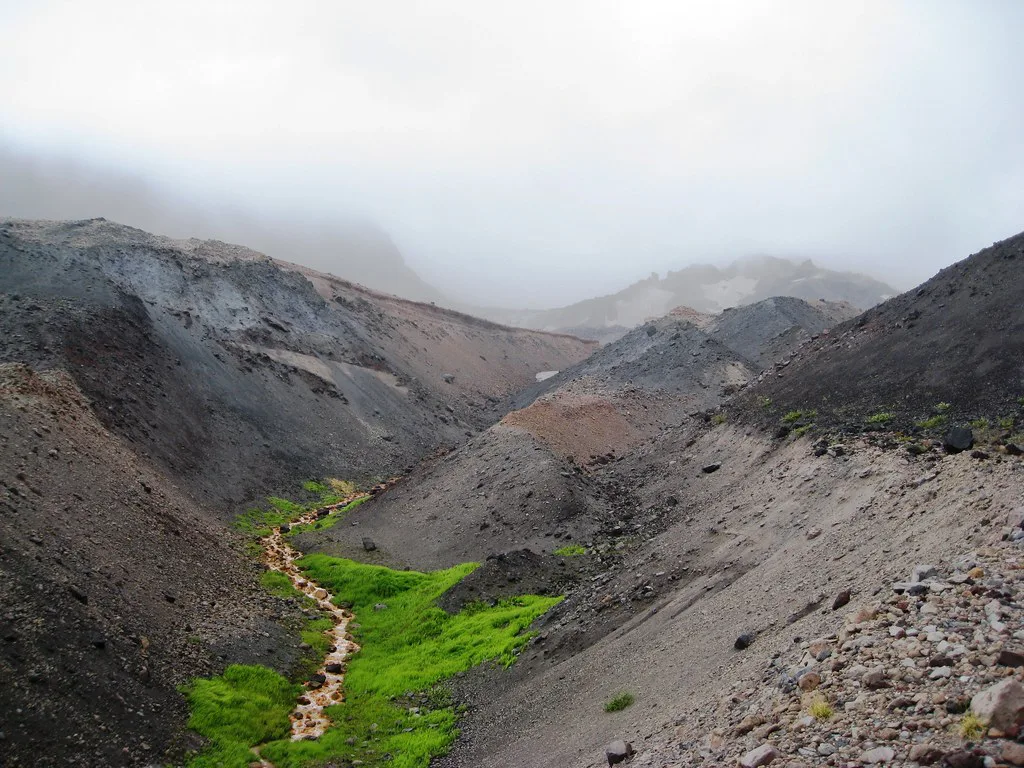
The access road has been closed since 2024, which adds about 8 miles to the approach. That turns a moderate outing into a long hike or bike ride, so treat it as a full day and carry more water than you think you need. The pools are unmanaged, so leave no trace and pack out everything you bring in.
Because the pools sit inside Olympic National Park, the National Park Service sets the rules and entry fees. Check the park's current road and trail status before you load the car, since the approach length is the one detail that can wreck an otherwise good plan.
Baker Hot Springs near Concrete
Baker Hot Springs is a free U.S. Forest Service soak near Concrete with a 0.3-mile trail. The main pool runs about 110 degrees and carries a distinct sulfur smell, and the forest road in is rough enough that a low-clearance car is a poor choice. Clothing is optional and there are no facilities.
The short walk makes this one of the most accessible wild soaks in the North Cascades, which also means it draws a crowd on summer weekends. Go early on a weekday, bring water and a towel, and plan your soak around the rough drive rather than the hike.
Soap Lake and Doe Bay: Mineral and Saltwater Soaks
Not every Washington soak is geothermal, and knowing the difference keeps expectations honest. Soap Lake Natural Spa & Resort sits on a cold mineral lake formed during the Ice Age, with in-room mineral tubs, a freshwater hot tub, a sauna and a private beach. It is a lake resort experience, not a hot spring.
Doe Bay Resort & Retreat on Orcas Island runs outdoor soaking tubs at 104 degrees, a sauna and a creek-side deck. The water is saltwater, not geothermal, and overnight reservations are required to access the spa, with communal and private sessions available. Getting there means a ferry ride, and summer sailings often sell out in advance.
Ohanapecosh and Longmire: Springs You Cannot Soak
Mount Rainier National Park holds two mineral sites that are interpretive stops, not soaking pools. Ohanapecosh Hot Springs is on the Hot Springs Nature Trail, and the resort there closed in 1960; Longmire Springs sits on the Trail of the Shadows loop. Both are worth a walk for the geology and history, but neither is open for bathing.
Park entry fees apply at both, and Ohanapecosh campground is set to reopen in 2026. Pair either trail with a day of park sightseeing rather than a towel, and use them as a break between real soaks on a longer Rainier loop.
Matching the Spring to Your Group, Vehicle and Season
Drive-up resorts in the Gorge and at Sol Duc work for families, older travelers and winter trips, because lodging, pools and food are on one property. Primitive soaks like Olympic, Baker and Goldmyer ask for fitness, a vehicle that handles forest roads and a full day. Decide which of those you have before committing to a trip.
| Spring | Region | Pool temperature | Access |
|---|---|---|---|
| Carson Hot Springs | Columbia Gorge | Posted at 98 to 104 degrees | Accepts day visitors, open year-round |
| Sol Duc Hot Springs | Olympic National Park | 99 to 104 degrees | Resort stay or non-guest visitor pass, reservations recommended |
| Goldmyer Hot Springs | East of North Bend | 98 to 111 degrees | Reservations required, capped at 20 visitors per day |
| Olympic Hot Springs | Near Port Angeles | Around 85 to 105 degrees | Primitive, park entry fee, access road closed since 2024 |
| Baker Hot Springs | Near Concrete | Main pool about 110 degrees | Free Forest Service soak with a 0.3-mile trail |
Reservation systems are the other dividing line. Goldmyer caps visitors at 20 per day and Scenic requires advance booking, which makes both planning-first destinations; Olympic and Baker have no such gate but demand more trail time. A rough forest road can turn a 0.3-mile walk into an hour of driving, so check the road before you judge the hike.
When to Go: Snow, River Crossings and Late-Summer Access
Late summer into fall is the sweet spot for high-country soaks. Trails clear of snow, river crossings drop and the weather is steadier, while the Gorge resorts stay open year-round as a fallback. Winter is for the drive-up properties or a snowshoe trip to Scenic with the right gear.
Shoulder seasons bring trade-offs. Spring means mud and lingering snow on Cascade trails, and fall brings shorter days and colder nights at primitive pools. For Sol Duc specifically, a weekday or a spring or fall visit gives you fewer people in the water.
Where to Stay and Camp Near Each Cluster
In the Gorge, Carson Hot Springs and TenZen Springs & Cabins both offer overnight stays, and Bonneville adds a restaurant and trail access, so you can base in one place for several soaks. Sol Duc has lodge suites, cabins and a campground inside the national park, which simplifies a multi-day Olympic trip.
For Goldmyer and Scenic, North Bend and Skykomish are the nearest towns for food and lodging, and both soaks are day trips from Seattle. Baker Hot Springs pairs with Concrete for supplies. Book early for summer weekends at any of these, since the reservation-based soaks fill first.
Pairing Springs on a Gorge or Olympic Road Trip
A Gorge loop stacks Carson Hot Springs, TenZen and Bonneville in a single day or two, with Portland close enough for an evening return. Add a cross-river detour if you are chasing a wider circuit of hot springs in Oregon, and keep the driving short so the soaks stay the point of the trip.
On the Olympic Peninsula, Sol Duc anchors a day that can include Olympic Hot Springs if you are fit enough for the longer approach. Give each a separate day, and treat the park's road status as the deciding factor. North Cascades travelers can pair Baker Hot Springs with Goldmyer or Scenic, but only if the drives and reservations line up.
Leave No Trace at Primitive and Hike-In Springs
At Olympic, Baker and Goldmyer, everything you carry in comes back out. Pack out trash, skip glass, leave the pools as you found them and keep your group small enough that the site absorbs the visit. These are unmanaged places, and their condition depends on how visitors treat them.
At the reservation-based springs, posted rules replace general etiquette: Goldmyer caps daily visitors and Scenic Hot Springs prohibits pets. At developed pools, follow the property's own rules on clothing, food and glass rather than importing habits from the backcountry.
Safety at the Pools
Source water at some springs is scalding, so test the temperature before you commit and ease in at the cooler edge. Rock at primitive pools is slick with algae and mineral deposits, and river levels rise fast after rain. Keep your head above water in untreated geothermal pools, and never soak alone at a remote site.
Source water at some springs is scalding, so test the temperature before you commit.
At Scenic, winter snow makes the climb genuinely hazardous and Scenic Hot Springs asks visitors to carry survival supplies. At the Gorge resorts, posted temperatures and lifeguard-style rules make the soak far more predictable. Choose the spring that matches your experience level, not just the photos.
Plan Your Washington Soak
Start with the Gorge if you want a low-effort soak with a bed and a meal nearby, and head to Sol Duc if you want rainforest pools inside a national park. Save Olympic, Goldmyer, Scenic and Baker for days when you have the fitness, the vehicle and the time for a real trail.
Reserve the capped and private springs well ahead, check current road and trail status through the land manager or the resort you,re booking with, and leave the pools cleaner than you found them. That is enough to turn a Washington hot springs list into a trip you actually enjoy.
Explore more Washington hot springs
Frequently Asked Questions
Are there any hot springs in Washington?
Yes. Washington has developed soaking resorts in the Columbia Gorge and on the Olympic Peninsula, plus primitive pools in the Cascades and Olympic Mountains. The developed properties offer pools, lodging and posted temperatures; the wild soaks require hiking, and some require reservations.
Are there any free hot springs in Washington?
Baker Hot Springs near Concrete is a free U.S. Forest Service soak with a short trail, and Olympic Hot Springs is a primitive set of pools in Olympic National Park that carries a park entry fee rather than a spring fee. Other soaks charge for access or require reservations, so read each property's terms before you go.
Where are the Scenic Hot Springs in Washington state?
Scenic Hot Springs sits on private land about 10 miles east of Skykomish, roughly two hours from Seattle. The pools are reached by a 2-mile uphill hike with about 1,100 feet of gain, and reservations are required.
Do you need a reservation for Washington hot springs?
Some do. Goldmyer Hot Springs caps visitors at 20 per day and requires reservations, Scenic Hot Springs requires advance booking, and TenZen Springs & Cabins is reservation-only. Carson and Sol Duc accept day visitors, though Sol Duc recommends reserving a session.
Which Washington hot springs are easiest to reach?
Carson Hot Springs in the Gorge is a drive-up historic resort, and Baker Hot Springs has a 0.3-mile trail from a rough forest road. Sol Duc requires a park drive but no hiking to the pools, while Olympic and Goldmyer demand long trail days.
Which Washington soaks are not geothermal?
Doe Bay Resort & Retreat on Orcas Island and Soap Lake Natural Spa & Resort are the main non-geothermal options. Doe Bay's tubs are saltwater, and Soap Lake is a cold mineral lake, so choose them for the setting and amenities rather than for spring-fed water.
Sources
Hot springs notes for your next road trip
Optional updates when we add or revise hot springs guides.
You might also like
Continue reading
More guides you'll find useful