Goldmyer Hot Springs, WA: Hike, Reservations and What to Expect
Goldmyer Hot Springs rewards a 5-mile hike with a cave soak and a 20-visitor daily cap. Here is how to plan the Dingford Creek trip.
On this page
Goldmyer Hot Springs is the rare soak that rewards effort rather than a parking spot: a cluster of warm pools and a cold plunge at the end of a forested hike in the Middle Fork Snoqualmie valley, roughly an hour and forty minutes from Seattle. It suits hikers who want quiet water in old growth and are willing to plan around a hard daily visitor cap.
The springs sit on a small private preserve managed by a nonprofit, with a caretaker on site and a strict limit on how many people enter each day. That combination makes reservations the real bottleneck of the trip, well ahead of gear or fitness.
What Goldmyer Is and Where It Sits
Goldmyer is a primitive, hike-in soak on a 20-acre preserve at the edge of the Alpine Lakes Wilderness, reached only on foot through old-growth forest above the Middle Fork of the Snoqualmie River. The property is owned and run by Northwest Wilderness Programs, and a caretaker cabin near the pools serves as the check-in point.
Facilities are deliberately minimal: three outhouses and an open-air cabana at the pools, two picnic tables, a bike rack, campsites in the woods for overnight guests, and no cell or internet service. Plan on carrying everything you need and packing it all out.
Getting There
From Seattle, take I-90 east to Exit 34, then follow 468th Avenue SE as it becomes Middle Fork Road, also signed as Forest Road 56. The drive leads to the Dingford Creek trailhead, where the hike into the springs begins; expect about 1 hour 40 minutes of driving from the city before the trail even starts.
Middle Fork Road is rough in its upper reaches. The final stretch to the trailhead calls for an SUV or truck with all-wheel or four-wheel drive and 8 to 9 inches of ground clearance, and sedans lack the clearance to make it safely. That vehicle trade-off decides who can attempt this trip as much as fitness does.
Parking at Dingford Creek trailhead is limited, so arriving early matters most on weekends. A Northwest Forest Pass or America the Beautiful pass is required to park legally at the trailhead.
The Hike In
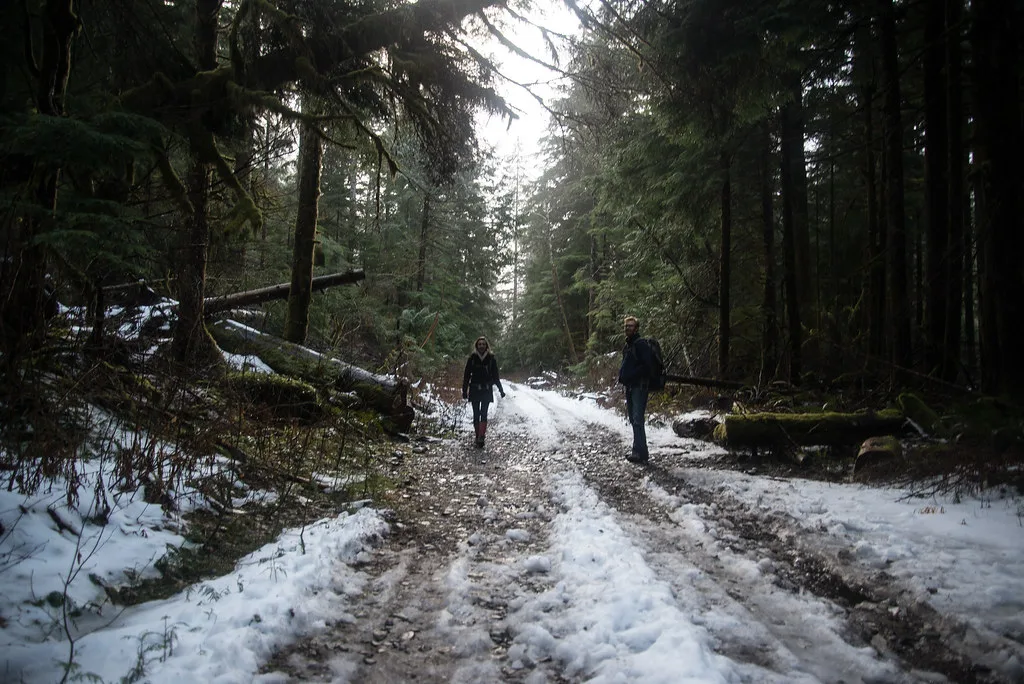
Vehicles cannot drive to the property, so the last five miles are on foot or by mountain bike. The route the operator recommends is the Dutch Miller Gap Trail, which starts past the metal gate in the Dingford Creek parking area and runs about 5 miles each way with roughly 200 feet of elevation gain. Plan on 2 to 3 hours of walking each direction, and carry a full pack if you are staying overnight.
The trail follows an old road, so expect rocks, ruts and potholes rather than singletrack. It stays moderate and mostly shaded, and it is open to mountain bikes year-round, which makes a bike a reasonable way to cover the distance if you carry the soaking gear in a pack.
The Middle Fork Trail, number 1003, is the other way in, but the operator does not recommend it because it is unmaintained and has frequent debris. Burnt Boot Creek has no bridge and can be dangerous to cross, and bikes are allowed there only from June to October on odd-numbered days.
Reservations and the Daily Cap
Goldmyer admits a maximum of 20 people per day. Permits are bought by phone with the office at least two business days before the visit, and the booking calendar shows FULL when a day reaches its limit. Cancellations reopen spots, though there is no waitlist, and advance requests can also go through a lottery window that opens dates up to two months out.
Treat the reservation as the first step in planning, before you sort out a vehicle or a free weekend, because a date you want may never open up. The nonprofit posts road closures, access reports and booking guidance on its site, which is where the current process and any seasonal limits live.
The Pools
The water emerges from an old mine shaft at 125°F, flows through a restored miners' tunnel where the pool sits around 111°F, and then cascades through three interconnected pools that cool as the water moves downstream. A separate cold pool sits beside the hot pools for a plunge.
Because the pools step down in temperature, you pick your soak rather than committing to one hot tub. The cave end runs hottest, the open pools below are progressively milder, and the cold pool gives you a reset between rounds.
The rock around the pools is natural and the setting is a working cave mouth, so move carefully and keep your head above the untreated water. Slippery stone at the pool edges is the main hazard after rain.
Rules on Site
Soaking at Goldmyer is swimsuit-optional, and some visitors soak nude, which shapes the atmosphere as much as the temperature does. Soap and shampoo are not allowed in the springs, campfires are not allowed anywhere on the property, and the caretaker expects visitors to follow minimum-impact practice throughout.
Dogs are welcome on the trail but not on the Goldmyer property, so leave pets at home for this trip. Report to the caretakers on arrival so your permit is confirmed and you hear about any site-specific instructions.
Camping Overnight
Overnight visitors stay at campsites in the forest near the springs. Camping costs extra, depends on availability, covers the day of arrival only rather than the night before, and is not offered on Mondays. Food canisters and hang lines are provided for storing supplies away from animals, while tents, sleeping bags and food are yours to bring.
Camping turns the trip into an overnight rather than a long day hike, which spreads the 4.5-mile walk over two days and puts you at the pools in the quiet morning hours. The trade-off is a heavier pack on the way in and a strict pack-it-out ethic.
What to Bring
Pack a swimsuit and towel, sturdy hiking shoes, layers including a warm jacket for after soaking, a headlamp, and water and food for the whole trip. A trash bag for packing out everything you carry in belongs on the list too.
A flashlight or headlamp matters if you plan to soak late or camp, and a first-aid kit covers the minor scrapes that come with roots and rocky pool edges. Leave the soap at home, because it is not allowed in the springs.
Best Time to Go and Crowds
The 20-person daily cap keeps the pools from ever feeling crowded, which is the point of the reservation system. Weekdays and shoulder-season dates are the easiest to book, and mountain weather can shift quickly from rain to snow, so pack for the conditions rather than the forecast alone.
The property is open every day of the year in rain, wind or snow, but winter raises the stakes: the road in can call for tire chains and the hike gets colder and wetter. Look at the access report before you drive so you know the state of the road and creek crossings. The nonprofit publishes current road and access information online.
Combining Goldmyer with the Middle Fork Valley
The Middle Fork Snoqualmie valley around the trailhead offers camping and hiking of its own, so a Goldmyer reservation can anchor a longer weekend in the valley. The towns of North Bend and Snoqualmie, a short drive back toward I-90, have cafes and shops for a meal before or after the hike.
If you are stringing together soaks across the state, the Olympic Peninsula is the other classic hike-in destination, and Olympic Hot Springs in Olympic National Park pairs a similar forest walk with primitive pools. Farther afield, Bonneville Hot Springs sits on the Washington side of the Columbia River Gorge for a developed-pool contrast to Goldmyer's backcountry setting. If you are comparing reservation-based soaks beyond Washington, the hot springs in Oregon follow a similar mix of primitive and developed pools.
Fees, Hours and Walk-Ins
Shared-use days run Wednesday through Monday at $30 for adults aged 18 to 64 and $25 for seniors, with children under 18 free. Camping adds $10 per adult or senior per night. Tuesday works differently: the springs are rented for exclusive use at $240 per time slot, and groups are capped at eight people including children. Confirm current rates with Northwest Wilderness Programs when you book.
Tuesday works differently: the springs are rented for exclusive use at $240 per time slot, with groups capped at eight people including children.
Check-in runs from 9:00am to 9:00pm, and arrivals outside those hours are not admitted. Dates with less than two business days of notice are walk-in only, first come and first served, and walk-ins pay the caretaker in exact cash. Arriving when the property opens at 9:00am gives the best chance, but the 20-person cap can fill first, so a walk-in is a gamble rather than a plan. Refunds are not issued for bad weather.
The pools are closed for cleaning from 9:00pm to 2:00am on certain dates marked on the booking calendar, which matters if you are planning a late soak.
Road Conditions and Creek Crossings
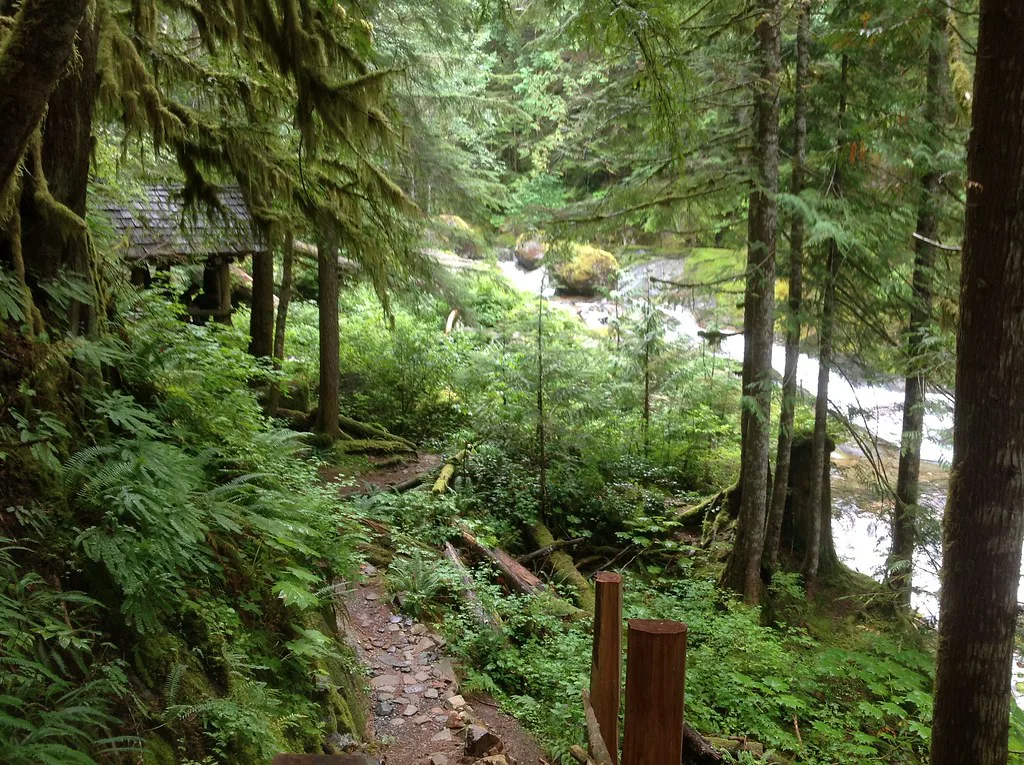
The Forest Service road has soft shoulders, drop-offs, rocks, ruts, washouts, potholes and creek crossings, with limited pull-offs. After heavy rain those crossings can run one to two feet deep and fast, and snow may call for tire chains. If the road is beyond your vehicle or your nerve, park farther back and walk in the rest of the way, because recovering a stuck vehicle is the visitor's responsibility.
After heavy rain the creek crossings can run one to two feet deep and fast. If the road is beyond your vehicle or your nerve, park farther back and walk in.
Navigation apps can misroute you on this stretch, so save the directions before you lose signal. Hikers who choose the Middle Fork Trail should know that the Burntboot Creek bridge logs have washed out, leaving a fast, deep ford, and that walking the closed road from Dingford avoids it.
Water, Facilities and Safety
Safe drinking water and garbage collection are not provided, so fill every bottle before you leave and carry out all trash. Bring your own tent, sleeping bag, food and towels; the property has no lockers, showers or changing rooms.
With no cell or internet service in the valley, tell someone your plan and expected return before leaving the trailhead. Visitors are expected to be self-supported, to follow wilderness guidelines for bears and mountain lions, and to carry the Mountaineers' ten essentials.
Accessibility and Who the Trip Suits
Goldmyer is a backcountry destination with no road to the property, and the last five miles must be walked or cycled. That makes it a poor fit for travelers who cannot manage a 10-mile round trip on uneven old roadbed. Children are free on shared-use days and welcome to come, but they count toward the eight-person group limit and have to manage the full hike in and out.
Leave No Trace at a Primitive Soak
Goldmyer is a primitive site on private land, so the etiquette is simple: carry out every bit of trash, keep soap and food out of the water, and leave the pools and campsites as you found them. Store food properly at the campsites and give other soakers room, since the daily cap is small and the pools are shared.
Plan Your Visit
Goldmyer rewards the people who plan in the right order: book a permit through the nonprofit first, then line up a high-clearance vehicle, then build a 5-mile hike and a pack list around the date you get. The payoff is a cave soak, stepped pools and a cold plunge in old-growth forest, with no more than 20 people sharing the day.
If you want a developed pool instead of a hike-in soak, or you are mapping a wider Washington road trip, the state's range of hot springs runs from primitive forest pools to resort baths. For every soak in the state, start with our guide to Washington hot springs.
Frequently Asked Questions
Is Goldmyer Hot Springs clothing optional?
Yes. Soaking at Goldmyer is clothing optional, which is part of the culture at the site. Soap and shampoo are not allowed in the springs, and visitors are expected to follow Leave No Trace practice.
How do you get to Goldmyer Hot Springs?
Drive I-90 east from Seattle to Exit 34, then follow 468th Avenue SE as it becomes Middle Fork Road, also signed as Forest Road 56, to the Dingford Creek parking area. The upper road is rough and calls for a high-clearance SUV or truck with all-wheel or four-wheel drive. From the parking area, take the Dutch Miller Gap Trail past the metal gate for about 5 miles to the springs.
How long is the hike to Goldmyer Hot Springs?
The hike is about 5 miles each way on the Dutch Miller Gap Trail with roughly 200 feet of elevation gain, and most people take 2 to 3 hours in each direction. Expect rocks, ruts and potholes on the old roadbed. The trail is open to mountain bikes year-round.
Do you need a reservation for Goldmyer Hot Springs?
A permit is the only guaranteed way in. Goldmyer admits a maximum of 20 people per day, and permits are bought by phone at least two business days ahead. Dates inside that window are walk-in only, first come and first served, with exact cash paid to the caretaker.
Can you camp at Goldmyer Hot Springs?
Yes, there are campsites in the forest near the springs, with food canisters and hang lines for storing supplies. Camping costs extra, covers the day of arrival only and is not offered on Mondays. Bring your own tent, food and water, and pack out everything you carry in. Outhouses are available at the pools.
How hot is the water at Goldmyer Hot Springs?
Water emerges from the old mine shaft at 125°F, and the pool inside the miners' tunnel sits around 111°F. The water then cascades through three interconnected pools that cool as it moves downstream, and a separate cold pool sits beside them for a plunge.
Is there a daily visitor limit at Goldmyer Hot Springs?
Yes. The site caps entry at 20 people per day, which keeps the pools quiet and makes advance reservations essential. Booking happens through the managing nonprofit before your visit.
Sources
Hot springs notes for your next road trip
Optional updates when we add or revise hot springs guides.
You might also like
Continue reading
More guides you'll find useful