
Hot Springs in Nevada: Soaking and Road-Trip Guide
Plan a Nevada hot spring trip around Trego, Soldier Meadows, Black Rock and Double Hot, with Black Rock Desert access, camping rules and scalding hazards.
On this page
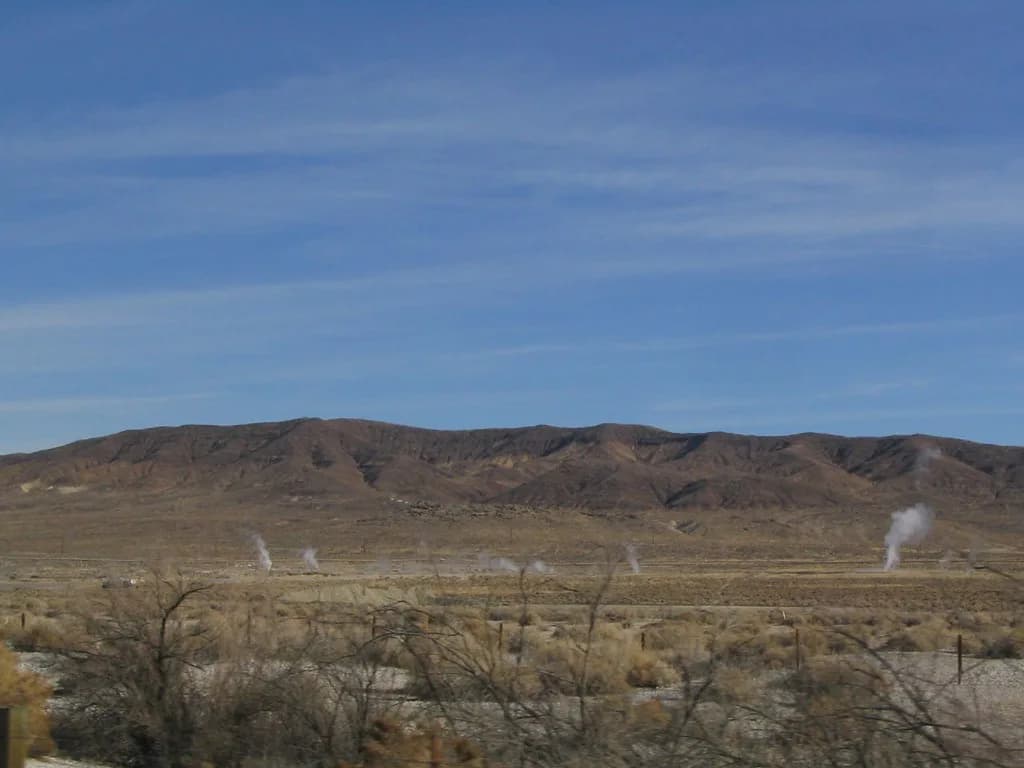
Nevada's Black Rock-High Rock country rewards road-trippers who want wide-open desert, self-sufficient camping and a soak at the end of a washboard drive. Of the four well-known hot springs in this corner of Pershing County, only Trego Hot Springs is easy to swim, which makes the area a different proposition from a developed resort pool. Trego suits travellers who want a natural desert soak; the other three suit photographers and geology-minded travellers who are happy to view hot water from a safe distance.
The area sits around Gerlach, a small town on the southern edge of the Black Rock Desert, and the springs are strung across the playa and the surrounding range. Routes combine dirt roads, playa crossings and unmarked railroad crossings, so the practical planning question is less which spring to visit than which roads your vehicle and the weather will allow. The sequencing below follows the actual turns into each spring and treats dry ground as the deciding condition.
How Nevada's hot springs work
Nevada is one of the most geothermally active states, and Soaking Springs counts 314 documented thermal springs across the state with temperatures running from 68°F to 210°F. That range explains why the state combines easy roadside soaks with water hot enough to scald: the same geothermal plumbing produces both.
The contrast matters when you plan a trip. A spring that looks calm can be far hotter than a home hot tub, and a spring that runs cool enough to soak still sits in a fragile desert setting. Choose springs by published temperature and access, then treat anything without reliable information as a viewing stop rather than a soak. The same temperature-first approach applies to the hot springs in utah, where developed resort pools and wild desert soaks sit side by side.
The four Black Rock-High Rock springs cover that spectrum. Trego is a natural spring that was altered during railroad construction and is the one spring in the group people can swim in, while Double Hot Springs runs at roughly 180 degrees and is fenced. Between those extremes sit Black Rock Springs and Soldier Meadows, whose layout and access shape the rest of the trip.
Trego Hot Springs
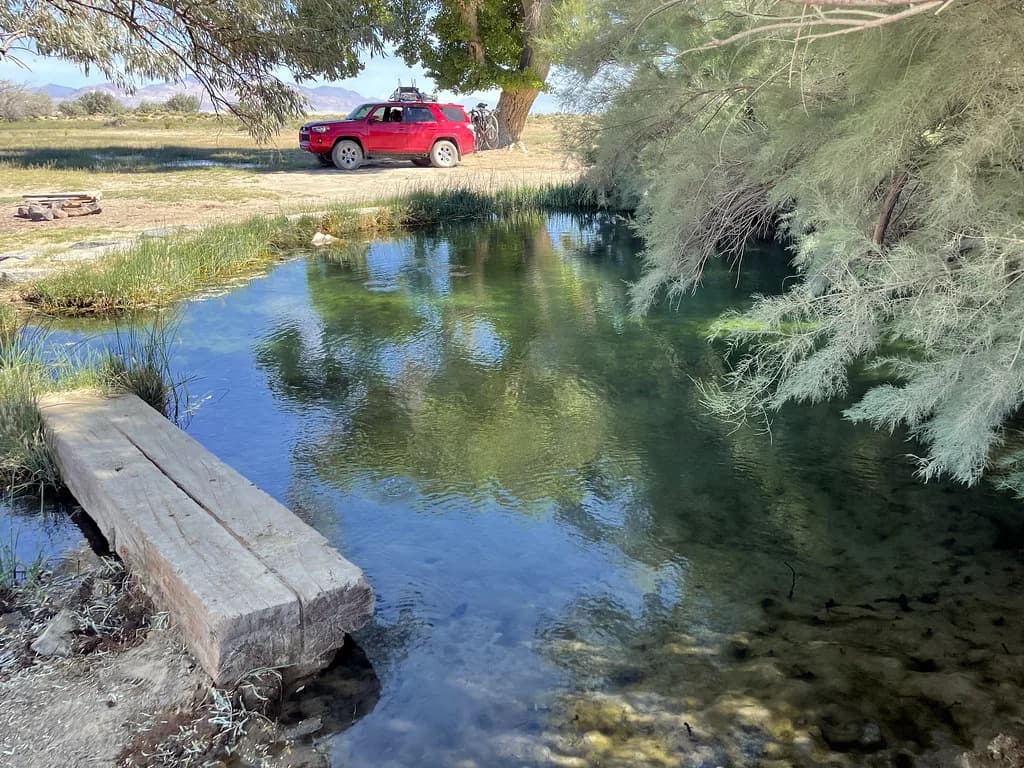
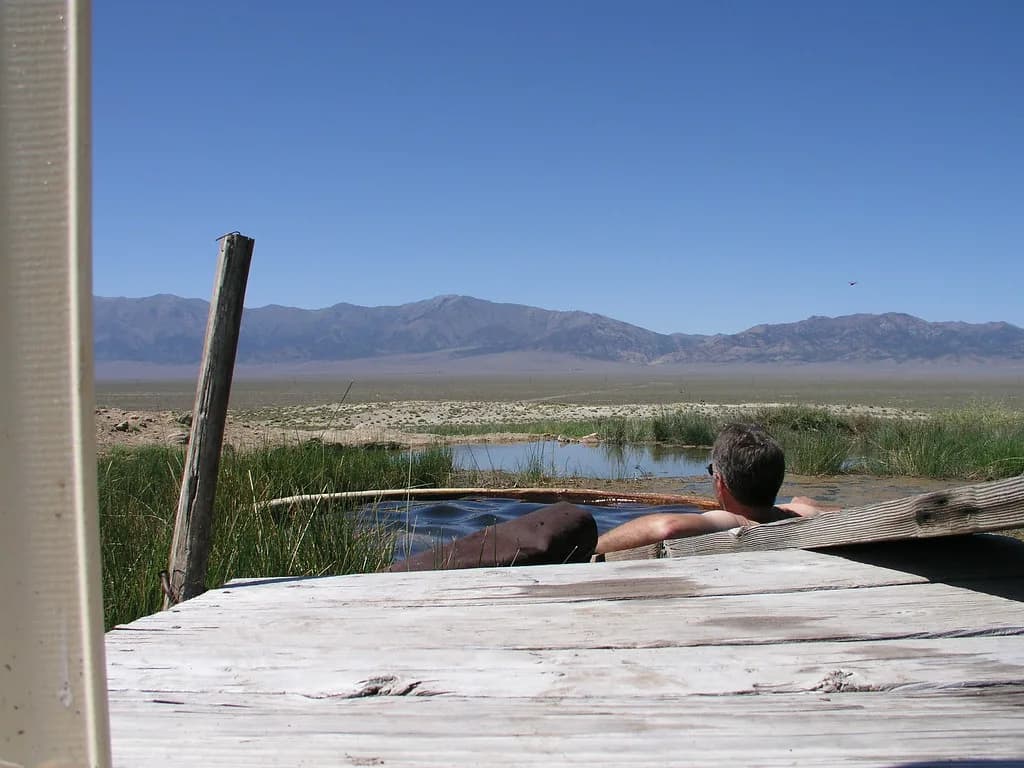
Trego Hot Springs sits on the east side of the Black Rock playa. It formed when a ditch dug during railroad construction filled with water and created the spring conditions visible today, which is why it stands out as the only spring in the area people can swim in. The water is road-accessible, making it the natural first soak for a Black Rock itinerary.
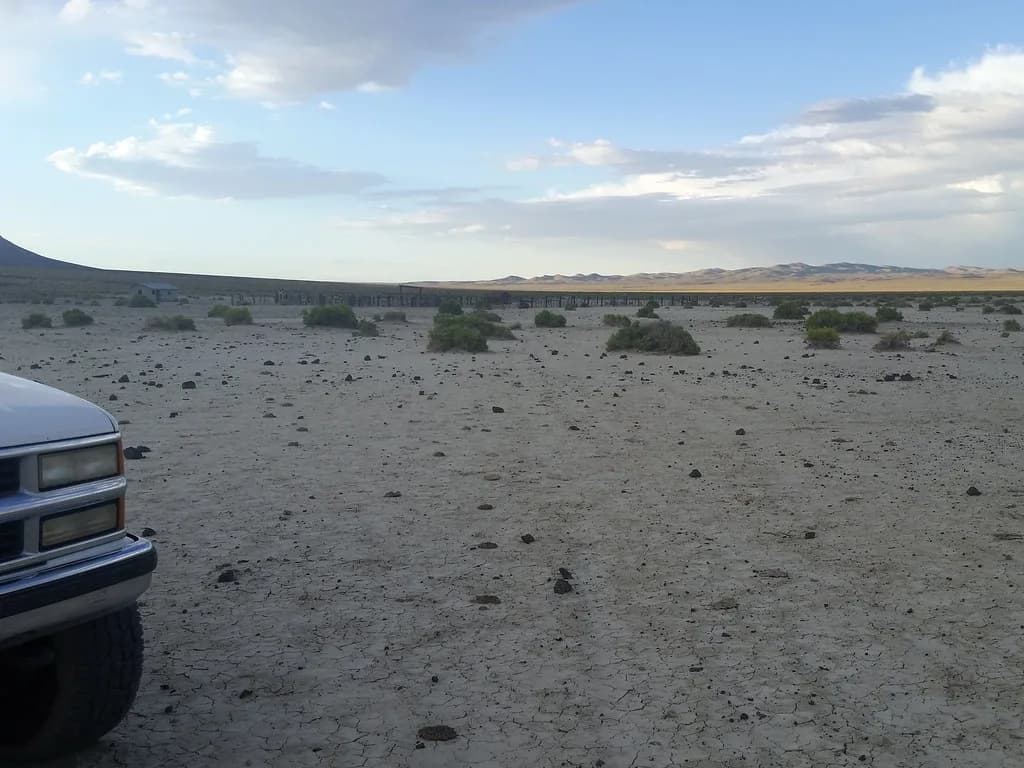
You can reach Trego off Jungo Road; heading east, the spring lies on the north side of the road. The alternative approach crosses the playa: take the twelve-mile access road off Highway 34 north of Gerlach, head east across the playa staying on the dirt road, and cross two railroad tracks. Those crossings are unmarked, so stop and proceed with care. Wet playa turns this route into a stuck vehicle, so keep the crossing for dry weather.
Camp away from the water: the source asks visitors to respect a 300-foot rule and not camp close to the springs. That shapes your site choice more than any other rule here, because flat ground near the water is tempting but off-limits. Plan a campsite back from the spring, then walk in for the soak.
Soldier Meadows Hot Springs
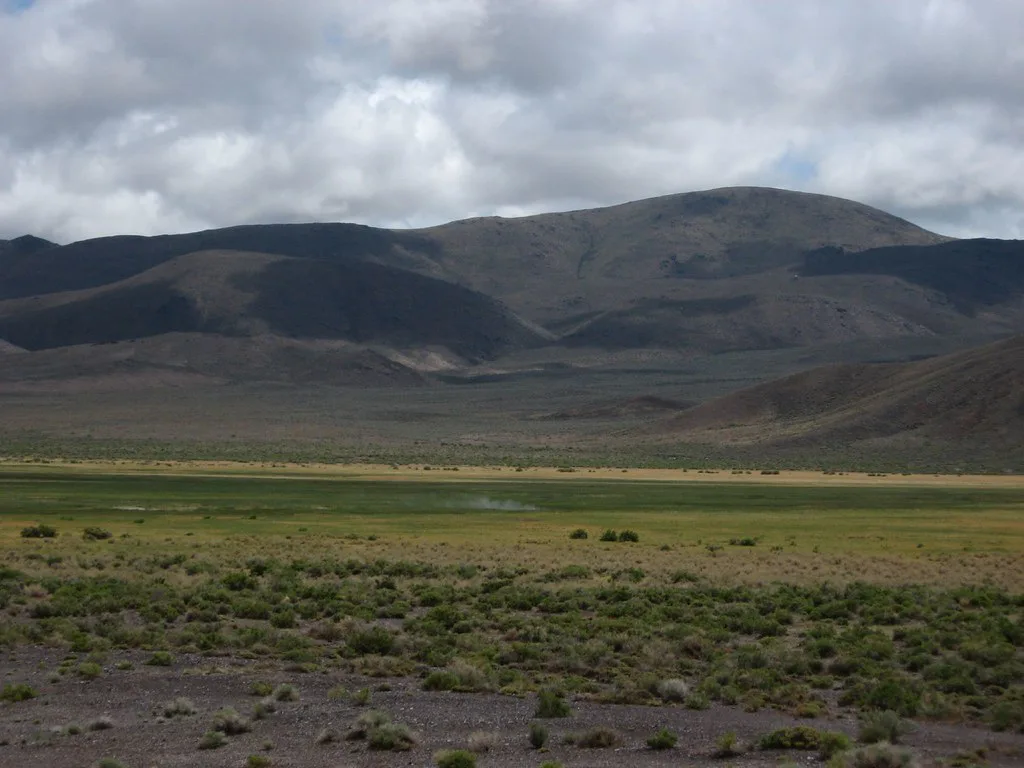
Soldier Meadows Hot Springs lies north of Fly Canyon Road in the northern part of the region. Man-made dams have created a series of shallow pools, so you are soaking in an altered landscape rather than a single natural basin. The Black Rock Range rises to the east of the pools and gives the site its distinctive backdrop as well as a landmark for the drive in.
Treat the pools with the same caution as any desert spring. The source describes them as very hot and advises approaching with care, so test the shallow edge gradually instead of stepping straight into the deepest pool. The dams create several small basins, which gives you options for finding a temperature that suits you.
The drive north from Gerlach covers a long stretch of remote road, so carry water, fuel and a spare tire before leaving town. Soldier Meadows pairs naturally with the northern end of a Black Rock loop, but it is not a quick detour from Trego: plan it as a separate leg with its own camping night.
Black Rock Springs
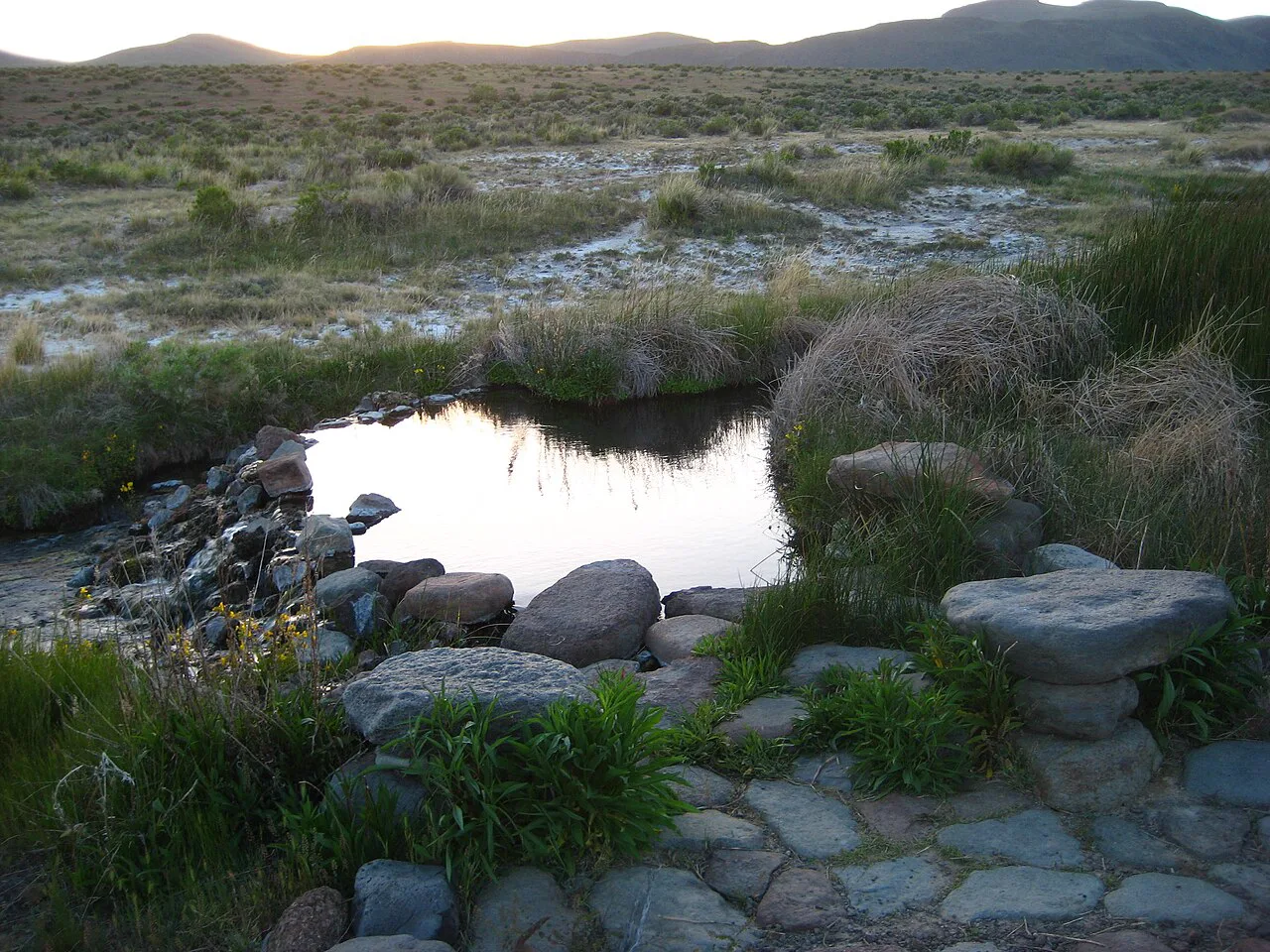
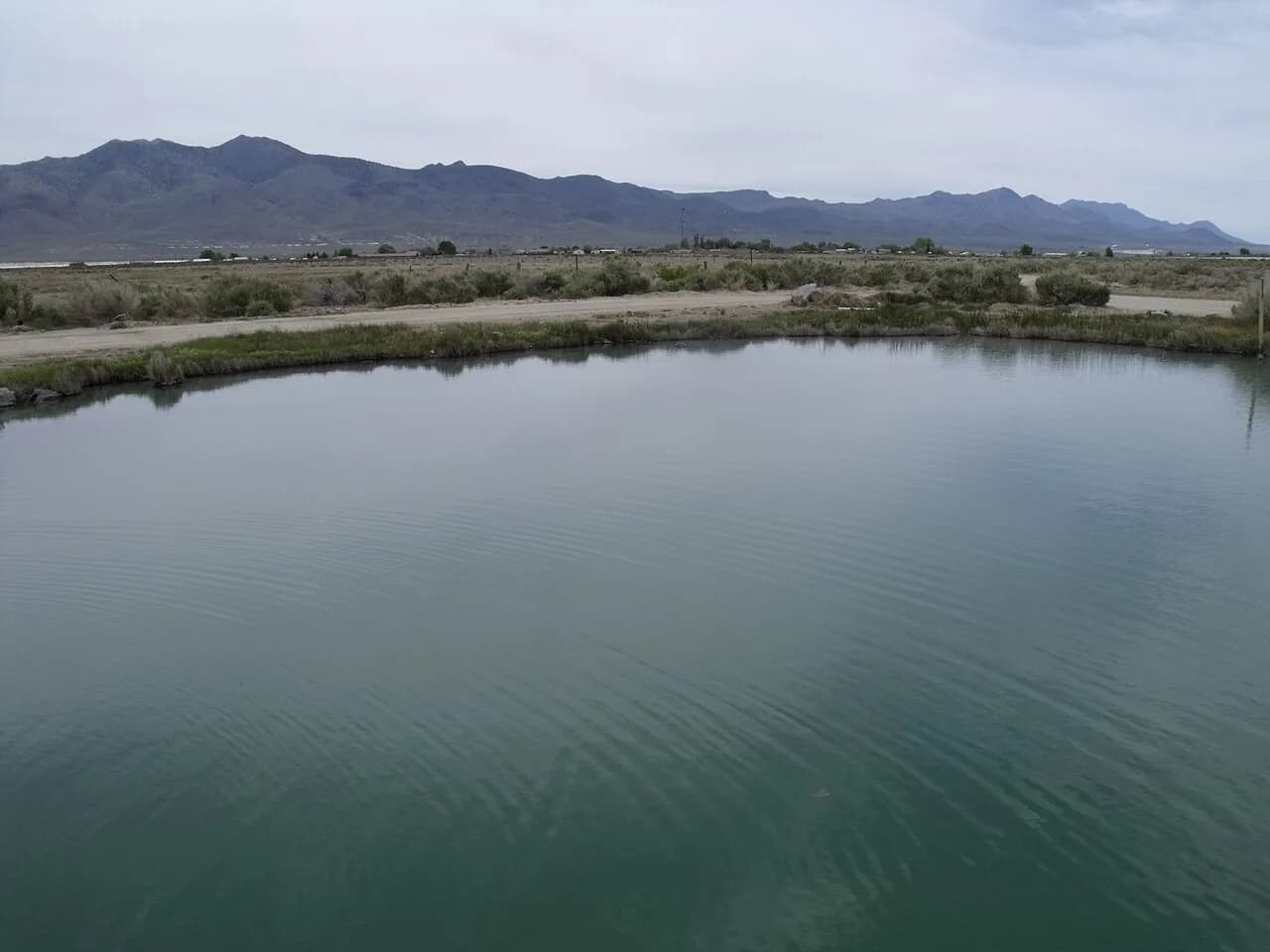
Black Rock Springs lies about a tenth of a mile northwest of Black Rock Point. The spring has two overlapping pools: a smaller, deeper pool that reaches unknown depths and should not be entered because of extreme temperatures, and a larger, shallower pool that is also very hot. Both demand caution, and the spring feeds a marshy area where the water cools considerably as it spreads.
Reach the spring by following the western arm of the playa and then the main dirt road north to the springs. The road is accessible in dry conditions only, which makes this the most weather-dependent stop in the group. Do not drive on wet playa: the source notes that a stuck vehicle may wait days before anyone passes, so pack sustainable supplies in case.
An old sheepherder's wagon sits south of the springs, and the source asks visitors not to climb on it. South of the spring, the view opens across the Black Rock playa. Plan time for both, and keep the spring itself a look-don't-touch stop.
Double Hot Springs
Double Hot Springs is fenced and should not be entered. The pools are extremely hot, and the spring has scalded humans and pets in the past. The water is strikingly clear, which is exactly why the fence matters: clarity here says nothing about temperature. About 50 yards downstream a soaking tub sits on private property.
The banks are steep and slippery, and the runoff streams stay nearly as hot for some distance downstream. The source is blunt about the consequence of a fall: you cannot get out in time to avoid serious injury. Keep back from the edge, do not dip a hand or foot to test the temperature, and watch your footing on the paths around the pools.
To find Double Hot, take the same road as Black Rock Springs and head north. At the intersection east of the springs, a sign points toward Hardin City; turn west there to reach the spring. The turn is the key move, and a soaking tub roughly 50 yards downstream lies on private property, so stay on public ground.
Keep dogs leashed and children close. The source notes that dogs jump into the springs and almost always die, and that dogs have scalded their tongues drinking from the streams and burned their feet crossing them. This is a short, instructive stop, not a picnic spot.
Scalding and water hazards
Scalding is the leading hazard at Nevada hot springs. Many springs in the state are hotter than 150°F and some reach 180°F, while a home hot tub averages 104°F; skin scalds within three seconds at 140°F. The practical rule is simple: never assume a spring is a suitable soaking temperature just because it looks inviting or because no steam is rising on a hot day.
Some springs run hotter than 150°F, and a home hot tub averages 104°F, so test the water before you get in.
The source lists other hazards beyond heat: loss of consciousness from chemical fumes, cuts from sharp rocks or broken glass, bacterial irritations such as swimmer's itch, and bacterial diseases such as meningitis. Keep your head above untreated geothermal water and avoid submerging open cuts. Banks around hot springs are typically slippery and steep, so stand back from the edge and look for hazard signs or fences before approaching.
Posted signs and fences exist for a reason. Where a spring is fenced, as at Double Hot, the fence is the message, and removing a hazard sign is both dangerous and destructive. Where a spring has no barrier, the choice of whether to soak is yours, and it should rest on published temperature information rather than on the look of the water.
Camping near the springs
Camping near the Black Rock springs follows one firm rule: no camping within 300 feet of any water source. The source describes the rule as a matter of safety and of keeping the springs enjoyable for others, and it applies at Trego as well as the other springs. Choose your site on higher, drier ground away from the water, then walk in to soak.
Fuel, water, food and a spare should all be aboard before you leave Gerlach.
Plan for full self-sufficiency. Fuel, water, food and a spare should all be aboard before you leave Gerlach, and a two-way communication device or satellite messenger is sensible in country where a stuck vehicle may wait days for another traveller. The source's stuck-vehicle warning for the playa is a supply-planning warning as much as a driving one.
Lodging in the area is concentrated around Gerlach, so a base there works for the southern springs and for staging a longer loop. For an alternative developed soak with a town base, Carson Hot Springs in Carson City, Nevada offers a very different experience from these primitive desert springs, and it can anchor the western end of a longer Nevada hot spring tour. If you want a remote primitive soak on a different route entirely, Spencer Hot Springs, Nevada sits in Big Smoky Valley country and pairs well with a central-Nevada itinerary.
Best time to go
Dry ground is the deciding factor for the Black Rock playa approaches. The road to Black Rock Springs is accessible in dry conditions only, and the playa route to Trego carries the same constraint. Build your trip around a settled weather window rather than a fixed date, and keep a road-based backup plan for the day you arrive.
Desert heat is the second consideration. Summer afternoons make the drive and the walk to the springs harder, and the soak itself is less appealing, so aim for cooler months and start early in the day. Cooler weather also means more reliable dry ground on the playa roads.
Crowds in this corner of Nevada follow the event calendar and the weather rather than any fixed season, and the springs are remote enough that a weekday visit is likely to be quiet. If you arrive and find the spring busy, the desert offers plenty of room to wait out a group before your soak.
Combining springs on a road trip
The four springs string into a Black Rock-High Rock loop if you sequence them by road logic. Start with Trego on the east side of the playa, working off Jungo Road or the Highway 34 access road, then return to Gerlach. Drive north toward Soldier Meadows on a second leg, with a camp near the dammed pools. Use the western playa arm for Black Rock Springs and the Hardin City junction for Double Hot, treating the last two as a paired viewing day because they share an approach road.
| Spring | How to reach it |
|---|---|
| Trego | Off Jungo Road; on the north side of the road heading east |
| Soldier Meadows | North of Fly Canyon Road; a long drive north from Gerlach |
| Black Rock Springs | Western arm of the playa, then the main dirt road north; dry conditions only |
| Double Hot | Same road as Black Rock Springs, then north |
Give the loop two nights rather than one. The distances between the southern springs and Soldier Meadows are long, and a single overnight forces either a rushed morning or a late drive on dirt. Two nights let you soak at Trego on the first evening, drive north the next morning, and end with Black Rock Springs and Double Hot on the way back south.
For a longer Nevada tour, the state's geothermal map runs from the Black Rock country down toward Tonopah and Pahrump, so you can extend south after the loop. Central-Nevada options such as Spencer Hot Springs, Nevada give you a stop between the desert and the state's interior. Southern Nevada travellers can look at hot springs near Las Vegas on another leg, and Gold Strike Hot Springs offers a very different canyon approach.
Leave No Trace at primitive Nevada springs
These springs are primitive desert sites with no bins, no water and no facilities, so treat them as pack-it-out places. Carry out everything you bring, including food scraps, and avoid leaving soap or sunscreen residue in the pools. Stay on established dirt roads and tracks rather than cutting new ruts across the playa, and leave the sheepherder's wagon and any other historic remains untouched. If a spring is fenced, respect the barrier; Leave No Trace in these surroundings is mostly about leaving the water clean and the ground unmarked.
Plan Your Soak
The Black Rock-High Rock springs reward planning: pick Trego for a swim, treat Double Hot as a viewing stop, and give Black Rock Springs a dry-weather day. Soldier Meadows is the long northern leg and the one that most justifies an overnight camp. Build the trip around dry ground and cool weather, and carry enough supplies that a stuck vehicle or a closed road is an inconvenience rather than an emergency.
Before you drive out, check current road and fire conditions with the Black Rock Desert-High Rock Canyon Emigrant Trails National Conservation Area manager or Friends of Black Rock-High Rock in Gerlach. For a different kind of Nevada soak on the same trip, Carson Hot Springs in Carson City, Nevada works as a bookend to the western side of the state.
Explore more Nevada hot springs
- Carson Hot Springs in Carson City, Nevada
- Gold Strike Hot Springs
- Hot Springs Near Las Vegas
- Hot Springs Near Reno
- Nevada Hot Springs Resorts and Soaking Spots Worth the Drive
- Sauna Cave Hot Springs
- Spencer Hot Springs, Nevada
- Walley's Hot Springs
- Alkali Hot Springs, Nevada
- Bailey Hot Springs, Nevada
- Bog Hot Springs, Nevada
- Elko Hot Springs
- Fish Lake Valley Hot Springs
- Gerlach Hot Springs
- Kyle Hot Springs, Nevada
- Ruby Valley Hot Springs, Nevada
- Soldier Meadows Hot Springs
- Trego Hot Springs
- Twelve Mile Hot Springs, Nevada
Frequently Asked Questions
What is Black Rock Hot Springs?
Black Rock Hot Springs sits about a tenth of a mile northwest of Black Rock Point in Nevada's Black Rock Desert. It has two overlapping pools: a smaller, deeper pool that should not be entered because of extreme temperatures and a larger, shallower pool that is also very hot. The spring feeds a marshy area where the water cools. Visitors reach it by following the western arm of the playa and the main dirt road north, and the road is accessible only in dry conditions.
Can you swim in Nevada hot springs?
At some springs, yes. In the Black Rock-High Rock group, Trego Hot Springs is the one spring people can swim in. Double Hot Springs is fenced and should not be entered because its pools run around 180 degrees. Black Rock Springs and Soldier Meadows are very hot, so approach them carefully and treat the water as a soak at the edge rather than a swim.
How hot are Nevada's hot springs?
Soaking Springs documents 314 thermal springs in Nevada with temperatures spanning 68°F to 210°F. Many springs in the state run hotter than 150°F, and some reach 180°F. For comparison, a home hot tub averages 104°F, and skin scalds within three seconds at 140°F. A spring's appearance tells you nothing about its temperature, so rely on posted signs and published figures.
Where are the Black Rock Desert hot springs?
The four well-known springs in Black Rock-High Rock country lie around Gerlach in Pershing County. Trego sits on the east side of the playa off Jungo Road. Black Rock Springs and Double Hot share the western playa approach road, with the Hardin City junction pointing the way to Double Hot. Soldier Meadows lies north of Fly Canyon Road, with the Black Rock Range to the east.
Can you camp at Nevada hot springs?
Camping near the Black Rock springs follows a 300-foot rule: no camping within 300 feet of any water source. That applies at Trego and the other springs in the group. Choose a site on higher, drier ground away from the water and walk in to soak. Come self-sufficient with fuel, water, food and a spare tire, because a stuck vehicle on the playa can wait days for another traveller.
How do you reach Trego Hot Springs?
Trego is accessible off Jungo Road, on the north side of the road if you are heading east. Alternatively, take the twelve-mile access road off Highway 34 north of Gerlach and head east across the playa on the dirt road, crossing two unmarked railroad tracks with care. Do not attempt the playa crossing when it is wet, and do not camp within 300 feet of the springs.
Sources
Hot springs notes for your next road trip
Optional updates when we add or revise hot springs guides.
You might also like
Continue reading
More guides you'll find useful
.jpg)