
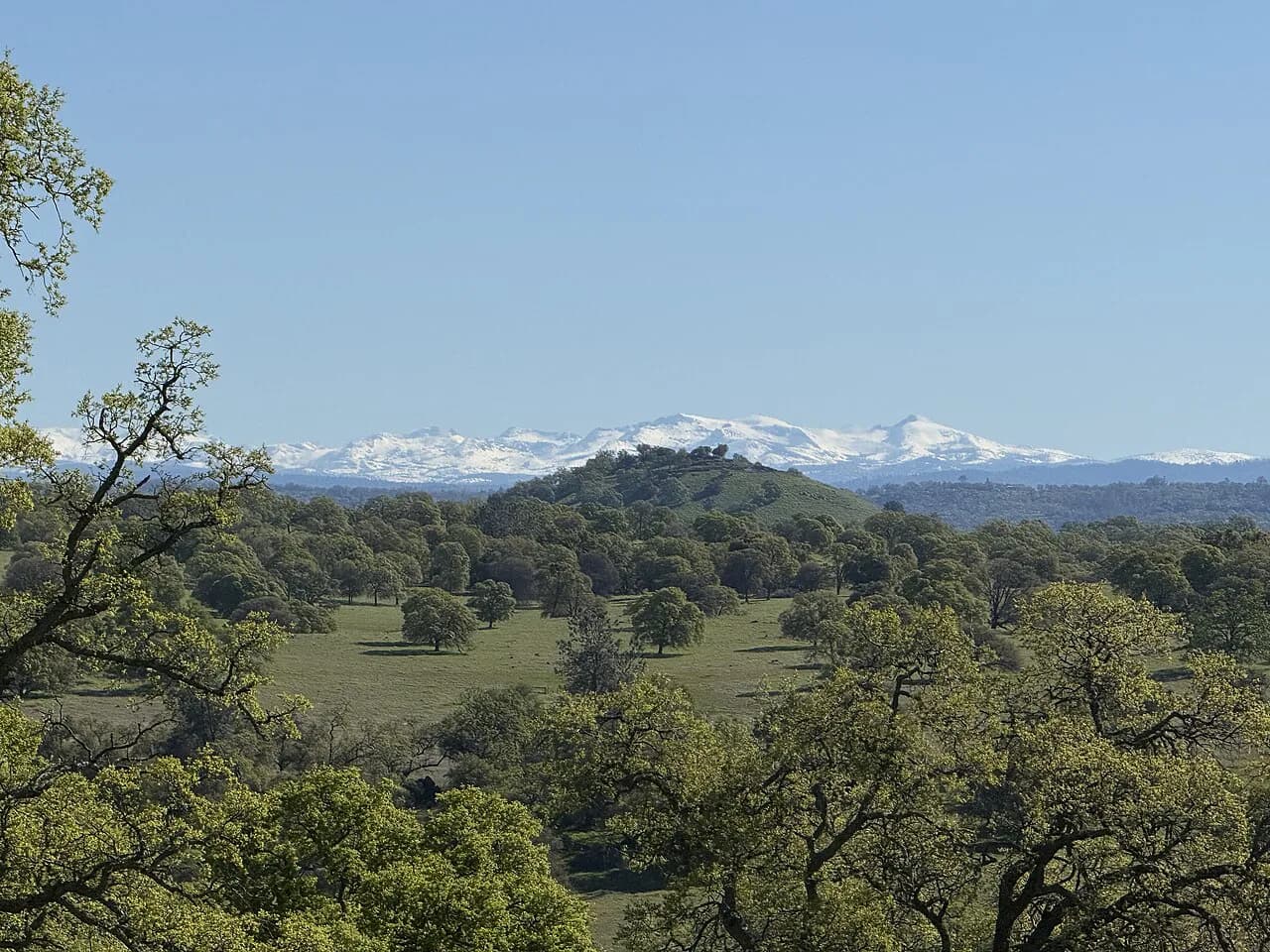
Twelve Mile Hot Springs, Nevada: Access, Soaking and Camping
Twelve Mile Hot Springs near Wells, Nevada, is a warm concrete pool on Bishop Creek reached by a rough BLM road. Plan your soak, the drive and camping here.
On this page
Twelve Mile Hot Springs rewards the kind of traveler who likes a rough road and a quiet soak at the end of it. The spring sits along Bishop Creek about 12 miles north of Wells, Nevada, where a long man-made concrete tub holds water that stays warm through the seasons. It suits road-trippers in high-clearance vehicles, campers who do not mind dispersed sites, and anyone looking for a Great Basin soak far from a resort pool.
The spring goes by two names: Twelve Mile Hot Springs and Bishop Creek Hot Springs. They refer to the same spot on the creek, so you do not need to chase two different destinations. What you do need is a realistic plan for the access road, which is unmaintained and changes with the weather.
Where Twelve Mile Hot Springs is
The spring lies on Bishop Creek roughly 12 miles north of Wells in Elko County, Nevada. Wells sits at the junction of Interstate 80 and U.S. 93, which makes it the natural supply stop before you head north. The coordinates for the springs are 41.24326 N, 114.947919 W, which helps when the turnoffs are unsigned.
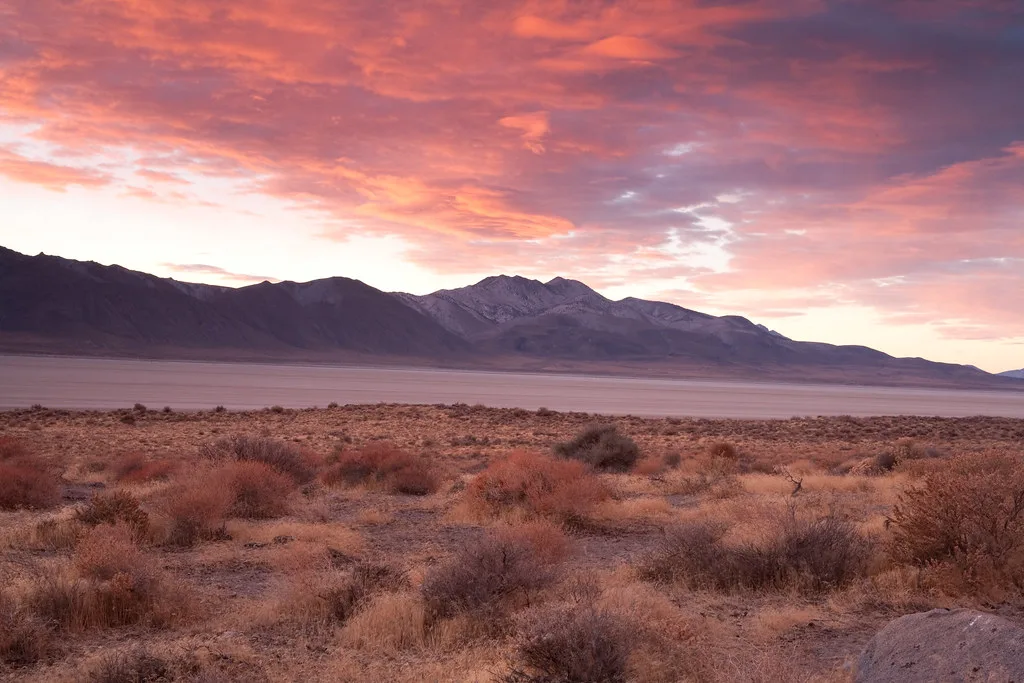
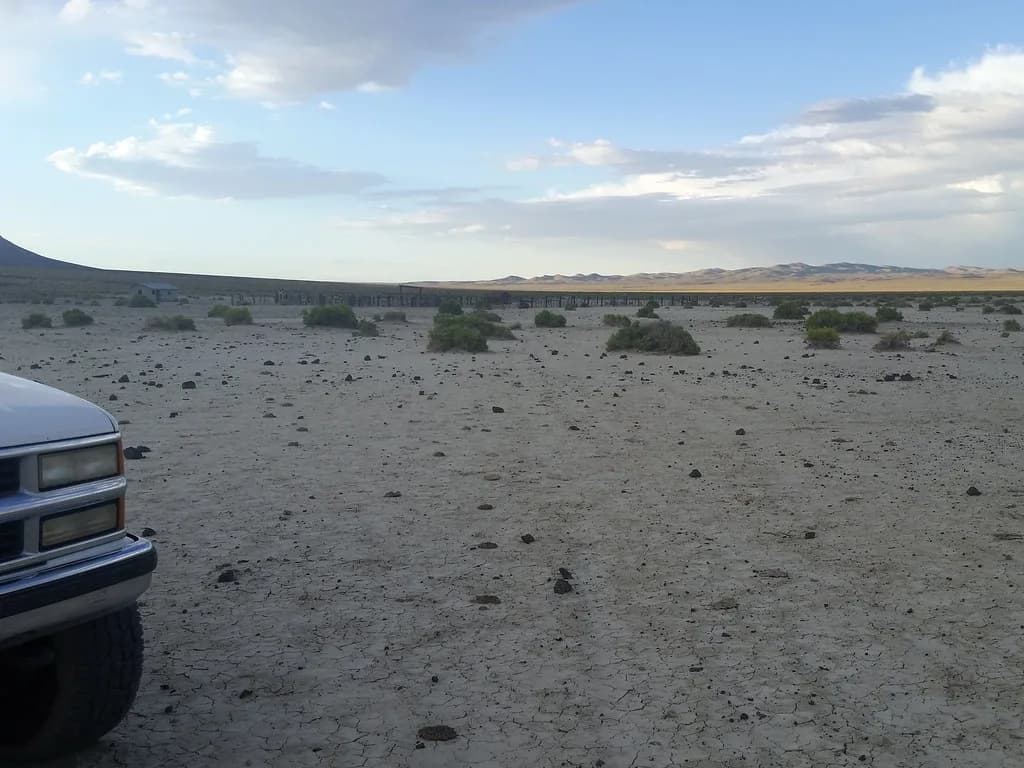
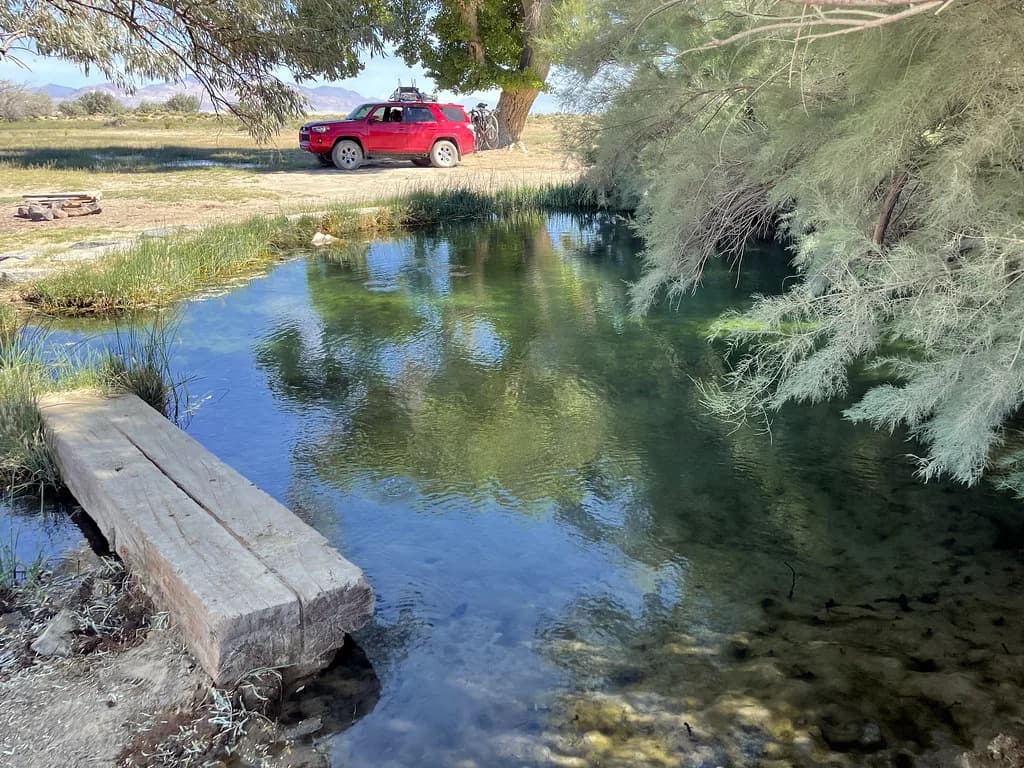
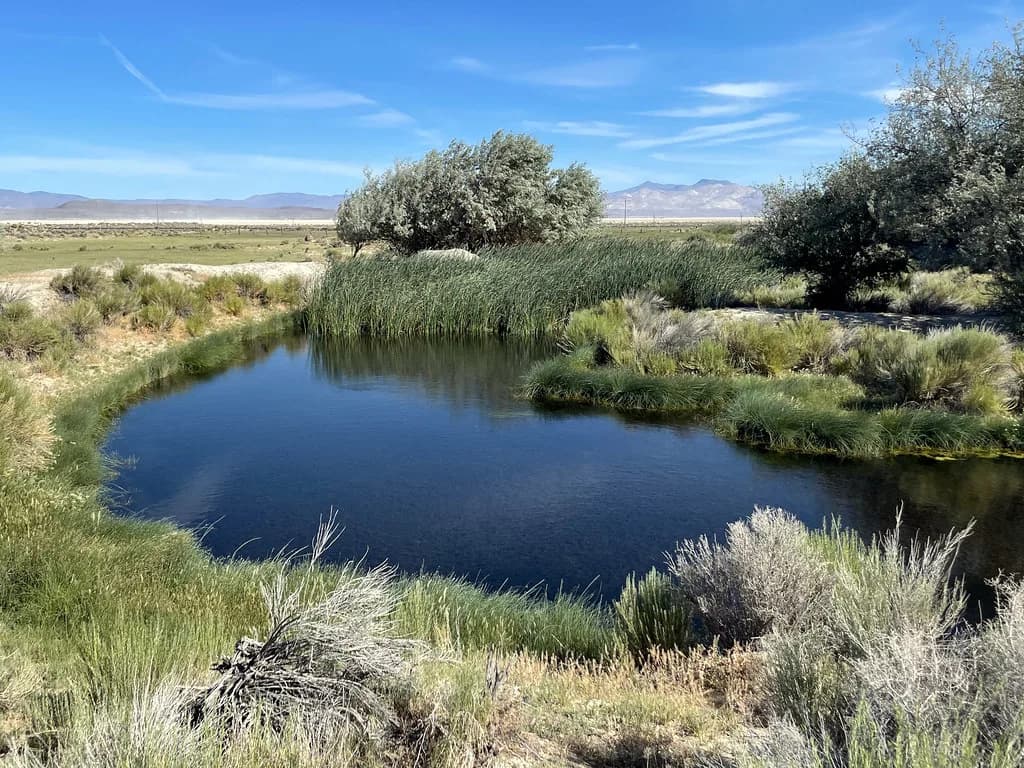
This is high-desert Great Basin country: sagebrush flats, rock walls along the creek, and wide sky. The creek corridor feels enclosed by those rock walls, and thermal water from upstream warms Bishop Creek itself. Campers who stay along the creek get a warm-water playground as well as the tub.
Getting there
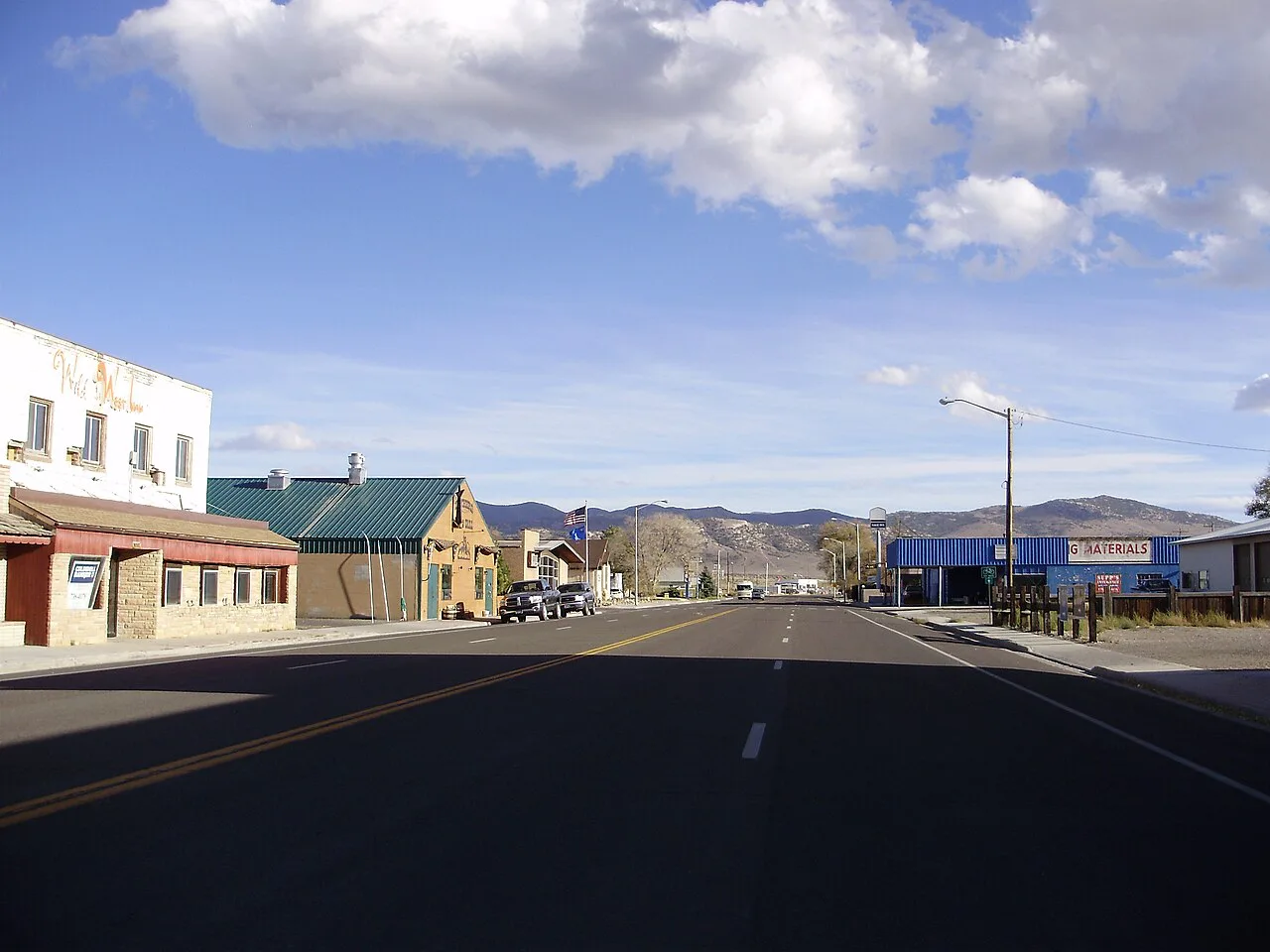
From Wells, take Highway 93 north and continue onto N Metropolis Road for about 4.9 miles. Stay straight for 0.9 miles, then continue onto County Road, also called Upper Metropolis Road, for about 3.1 miles. Turn right and follow the road about 1.9 miles to the spring.
Some sections of the dirt road are missing, and the lower road can be worse than the upper roads.
The final stretch is an unmaintained dirt road with washouts, potholes and creek crossings. Some sections of roadway are missing, and the lower road can be worse than the upper roads. Conditions change with the season, so plan for a slow, careful drive rather than a steady cruise.
One feature of the route is easy to miss: some of the access road crosses private land. Signs mark the boundary between public and private ground, so read them and choose your camping and parking spots deliberately. Staying on the public side keeps the access open for everyone.
Driving versus walking in
High-clearance vehicles are the realistic choice for the upper road, and many drivers park below the worst washouts and walk the rest. Visitors report reaching within about half a mile of the spring with suitable vehicles when the road is dry. Others park at the turnoff and walk roughly 2 miles in.
A low-clearance car can handle the paved highway and county road, but the final dirt stretch is where it gets stuck or scraped. If you are in a sedan, plan on the walk-in and treat the spring as a half-day outing. Bring water and sun protection, because the road walk is exposed and longer than it looks on a map.
The walk itself is straightforward on the road, with a bridge crossing the creek along the way. The Ultimate Hot Springs Guide notes the hike to the spring takes about an hour and suggests wading the creek rather than using the bridge. Either way, the approach is the crux of the trip, so give yourself daylight.
The pool
The soak is a primitive man-made concrete pool about 40 feet long and 3 feet deep with a gravel bottom. It is not a resort tub or a natural rock basin; it is a long, simple bath built to hold the spring water. The creek runs alongside, which makes a cool-down easy on a hot afternoon.
| Reading | Temperature |
|---|---|
| Source water | Around 105 degrees |
| Pool average | About 100 degrees, depending on the season |
| Visitor review range | Roughly 95 to 105 degrees |
The source runs around 105 degrees, and the pool averages about 100 degrees depending on the season. A visitor review puts the soak at roughly 95 to 105 degrees, which is a useful range for planning. Test the water before you commit, because the temperature can shift with the weather and the flow.
Geothermal water can scald, and the concrete and creek rocks get slippery. Ease in, keep a handhold, and avoid submerging your head in untreated spring water. The shallow depth makes the tub family-friendly in principle, but the scalding source and remote setting mean you should keep an eye on anyone who is not a confident swimmer.
Soaking etiquette and rules
Clothing is optional at this spring, according to the Ultimate Hot Springs Guide, so expect a mix of suited and unsuited soakers. Dogs are allowed but must be leashed and kept out of the hot spring itself. That means a leash for the walk in and a spot on the bank for your dog while you soak.
The spring is described as free in the same guide, which matters if you are budgeting a road trip. Beyond that, treat the site as a shared primitive resource: keep your gear tidy, give other soakers room, and pack out everything you bring in. The BLM Wells Field Office manages the surrounding land, so direct specific questions about access or group use there.
Camping along Bishop Creek
Camping here is dispersed on BLM land, with several sites along the access road and a couple close to the spring. The prime spots sit right at the spring, and campers often stop about a quarter mile before it and walk to the tub. There are no services, restrooms, water or trash collection, so the site works best for self-contained campers.
Cattle wander through the area, and the warm creek makes the campsites feel unusual compared with a standard desert pullout. Cell coverage varies by carrier, with some Verizon coverage reported near the spring and no T-Mobile coverage. Download your directions and maps before you leave Wells.
For a developed alternative, campgrounds just outside Wells offer full hookups and much easier road access. That is a good base if you want to soak without committing your vehicle to the rough road. The trade-off is distance from the tub and a less secluded night.
Pack it out
This is a primitive site with no services, so pack out all trash, including food scraps and wrappers, and bring your own water. Camp on durable surfaces and keep fires within existing rings or a fire pan if you have one. The goal is simple: leave the creek corridor clean enough that the next soaker cannot tell you were there.
When to go
Spring and fall bring moderate temperatures and easier road conditions, which makes them the most comfortable seasons for a soak and a camp. Summer works if you go on a weekday morning, before weekend crowds arrive; the warm creek is a bonus on a hot afternoon. Winter is possible but the unmaintained road can become harder with snow and ice, so have a backup plan.
Weekends draw day-trippers from Wells, while overnight camping stays relatively light. If you want the tub to yourself, aim for a weekday and arrive early. If you are camping, pick your site in daylight so you can see the private-land signs and the condition of the road.
What to combine on a road trip
Wells makes a useful base for a broader soak circuit, and the state has plenty of options for a longer trip. If you are mapping a route, the guide to hot springs in nevada covers developed resorts and primitive soaks across the state. If your loop crosses the state line, the hot springs in Utah make an easy next leg of the same soak circuit. Build in a night in Wells before and after the Bishop Creek road so you are not driving the rough section tired.
South of Wells, Trego Hot Springs sits out in the Black Rock Desert and makes a starkly different stop on a northern Nevada loop. Pairing a forested creek soak with a desert soak gives you two very different sides of the Great Basin in one trip.
If you want a developed pool with facilities, Walley's Hot Springs near Genoa is a long drive west but a comfortable contrast to the primitive tub at Bishop Creek. Plan the drive times honestly, because crossing Nevada takes longer than the map suggests.
For a completely different kind of geothermal outing, Sauna Cave Hot Springs in Black Canyon carves its soak into a slot above the Colorado River. It is a long haul south from Wells, but a natural pairing if your route bends toward Las Vegas or the Lake Mead corridor. Treat the two as separate legs of a longer trip rather than a single day's drive.
Practical gear for a Bishop Creek soak
Bring more water than you think you need, since there is no potable supply at the site. A high-clearance vehicle with a full tank, a spare tire and a shovel covers the road basics, and a paper map or downloaded directions handles the lack of signage. Pack water shoes for the slick concrete and creek rocks, plus a towel and a warm layer for the evening.
There is no fee to soak, but bring cash for supplies in Wells and for any developed campground you use on the way.
There is no fee to soak according to the Ultimate Hot Springs Guide, but bring cash for supplies in Wells and for any developed campground you use on the way. The nearest supplies are about 11 miles away, so stock up before you turn off the highway.
Plan Your Visit
Twelve Mile Hot Springs is a straightforward soak for travelers who accept the rough road as part of the trip. Bring a high-clearance vehicle or plan the walk-in, carry everything you need, and choose your campsite with the private-land signs in mind. Conditions on the access road change with the weather, so confirm the latest with the BLM Wells Field Office before you commit.
If you want a less rugged introduction to Nevada hot springs, start with a developed pool and work up to Bishop Creek. Either way, the warm creek and the long concrete tub make a memorable stop on a northern Nevada road trip.
Frequently Asked Questions
Where is Twelve Mile Hot Springs in Nevada?
It is on Bishop Creek about 12 miles north of Wells, Nevada, in Elko County. The coordinates are 41.24326 N, 114.947919 W. From Wells, take Highway 93 north and follow the county road turnoffs toward the creek.
Can you drive to Twelve Mile Hot Springs or do you have to hike?
You can drive most of the way in a high-clearance vehicle when the road is dry, and many visitors park within about half a mile of the spring. Drivers in low-clearance cars should park at the turnoff and walk in roughly 2 miles. The dirt road is unmaintained, with washouts and creek crossings.
How hot is the water at Twelve Mile Hot Springs?
The source runs around 105 degrees, and the pool averages about 100 degrees depending on the season, according to the Ultimate Hot Springs Guide. A visitor review gives a range of roughly 95 to 105 degrees. Test the water before soaking, since conditions shift with weather and flow.
Is Twelve Mile Hot Springs the same as Bishop Creek Hot Springs?
Yes. Twelve Mile Hot Springs and Bishop Creek Hot Springs refer to the same pool on Bishop Creek north of Wells. The creek itself is warmed by the thermal water, so you can cool off in the creek as well as soak in the tub.
Can you camp at Twelve Mile Hot Springs?
Yes. Dispersed camping is allowed on the surrounding BLM land, with several sites along the access road and a couple near the spring. There are no services, restrooms, water or trash collection. Some of the access road crosses private land, so watch for signs and choose your site accordingly.
Are dogs allowed at Twelve Mile Hot Springs?
Dogs are allowed but must be leashed, and they should stay out of the hot spring itself. The walk in and the campsites are on open desert ground, so bring water for your dog and a leash for the approach.
Is Twelve Mile Hot Springs clothing optional?
Clothing is optional at the spring, according to the Ultimate Hot Springs Guide. Expect a mix of soakers, and keep your behavior respectful of whoever else is at the tub.
When is the best time of year to visit Twelve Mile Hot Springs?
Spring and fall bring moderate temperatures and easier road conditions. Summer is best on weekday mornings before weekend crowds arrive, and winter can make the unmaintained road harder with snow and ice. The soak stays warm year-round.
Sources
Hot springs notes for your next road trip
Optional updates when we add or revise hot springs guides.
You might also like
Continue reading
More guides you'll find useful

_in_Wells,_Nevada.JPG)