Bog Hot Springs, Nevada: Where to Soak Near Oregon
Bog Hot Springs in northern Nevada is a warm desert soak on ranch land near the Oregon border. Plan access, camping, and the best season to visit.
On this page
Bog Hot Springs rewards travelers who want a genuine border-country soak rather than a resort pool. The spring sits in Nevada's Pueblo Valley near the Oregon line, where ranch land meets open desert and the nearest services are a long drive away. It suits self-sufficient road-trippers linking the Alvord Desert and the springs around Fields, Oregon, and less so anyone expecting facilities or a quick interstate stop.
The spring is a developed soak in the sense that a pool exists, but it is not a park with posted hours and a front desk. Water arrives warm, crosses private ranch land, and the setting is high desert with big sky in every direction. Plan the visit as part of a larger loop through the northern Great Basin rather than a standalone destination.
What Bog Hot Springs Is
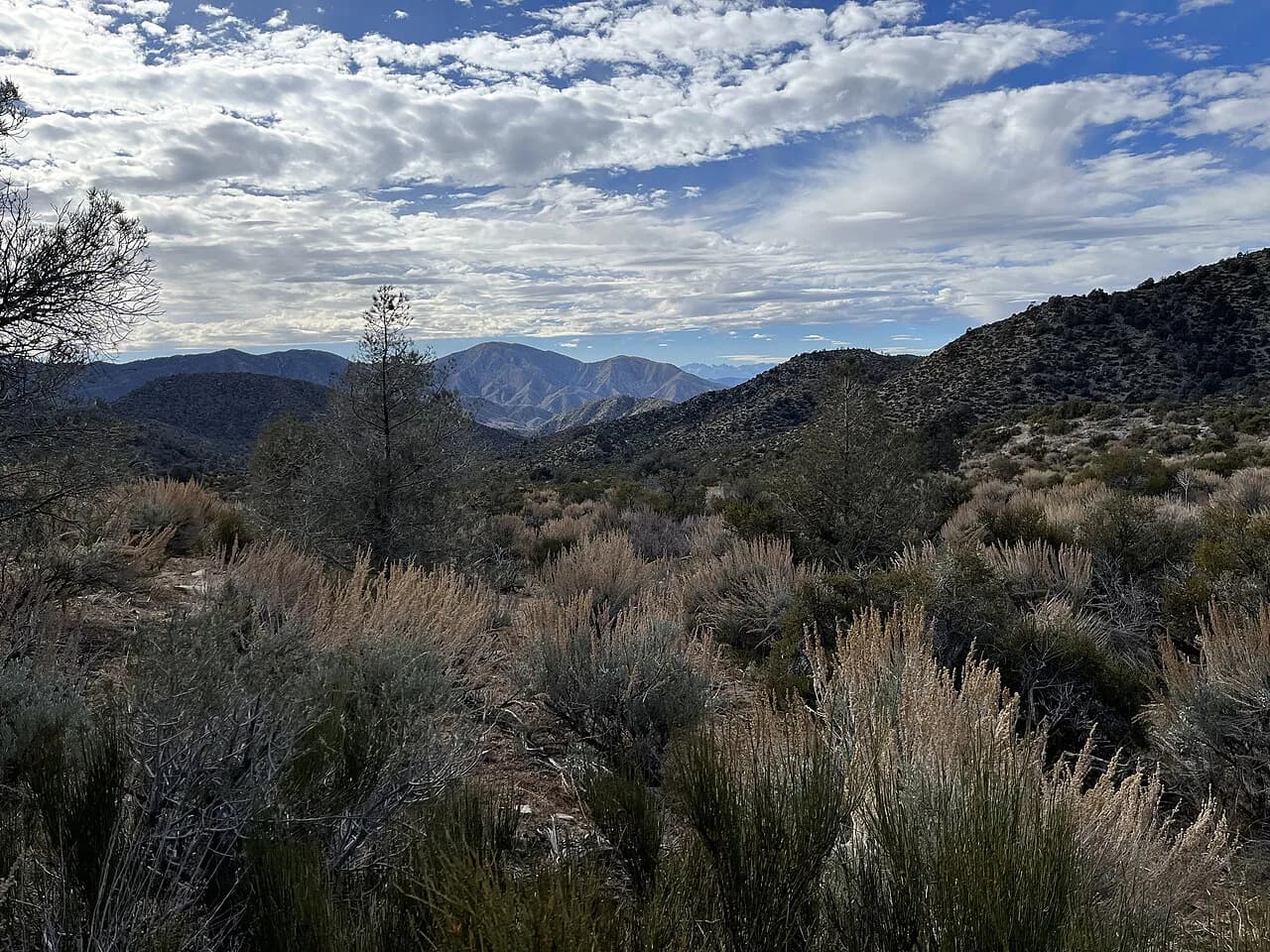
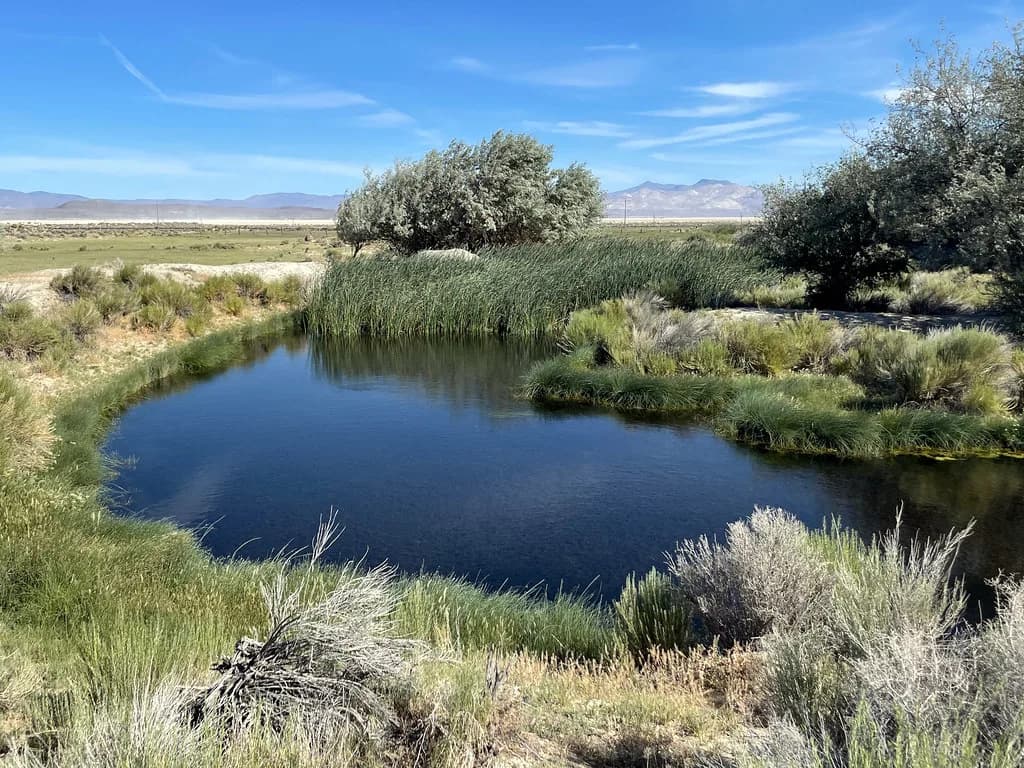
Bog Hot Springs is a warm geothermal soak on ranch land in the Pueblo Valley, a remote corridor that runs along the Nevada-Oregon border. The water is the main attraction, but the setting is what makes the drive worthwhile: open desert, low hills, and a working ranch landscape that keeps the spring from feeling like a tourist attraction. It sits among the remote hot springs in Nevada that reward a vehicle with good ground clearance and a full tank.
The spring's border location makes it a natural stop for travelers moving between northern Nevada and southeastern Oregon. Fields, Oregon, is the closest small community, and the Alvord Desert and Steens Mountain sit just to the north. Plan the spring as one stop on a two- or three-day loop rather than a day trip from a city.
Where It Sits in the Pueblo Valley
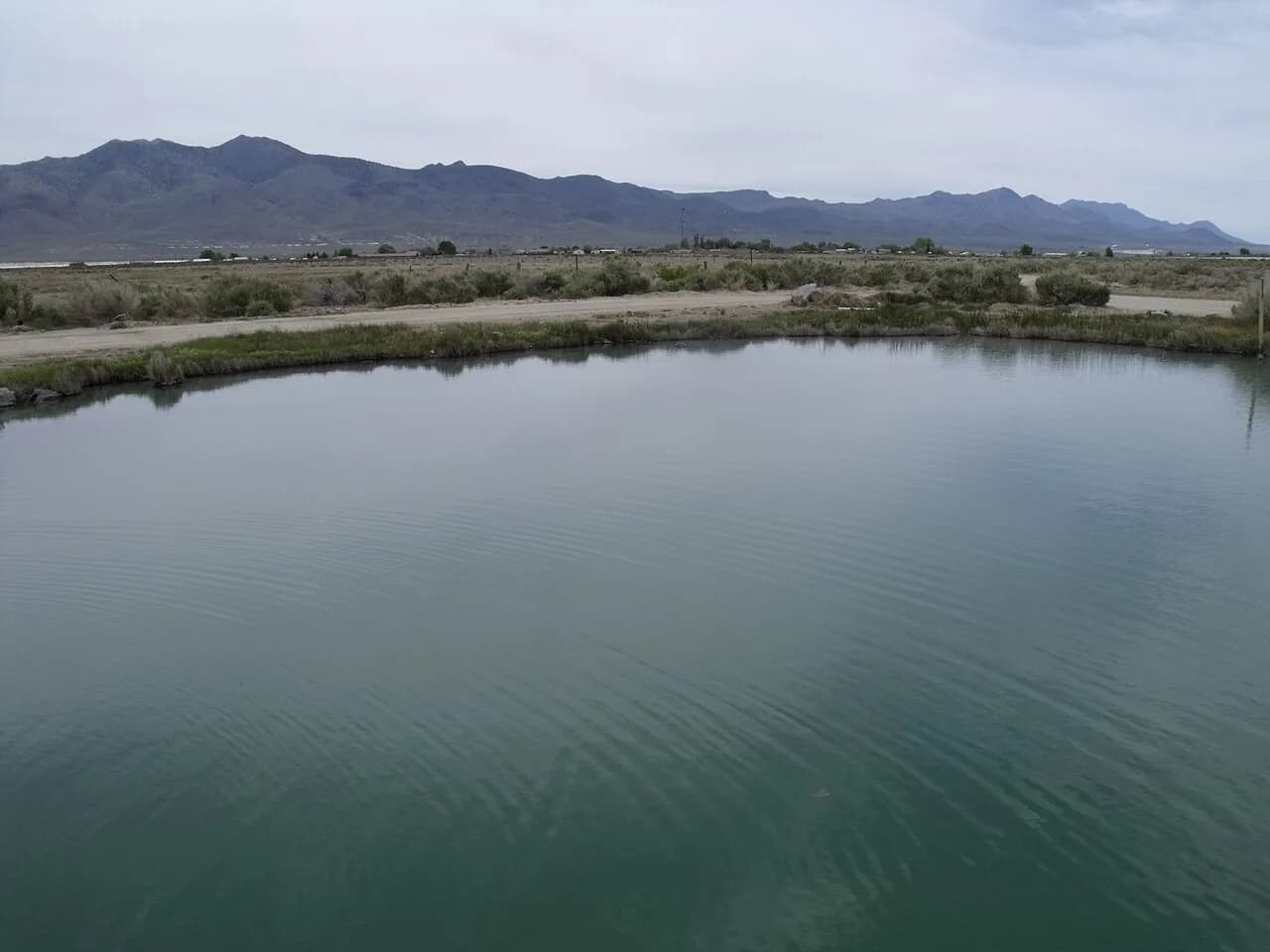
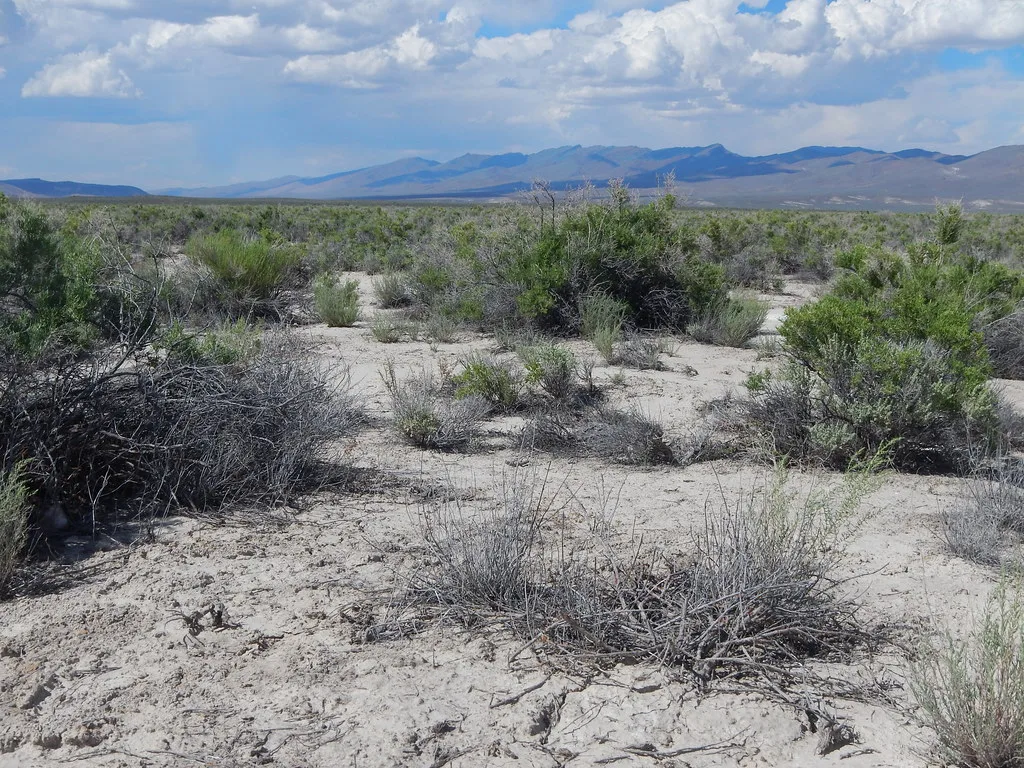
The Pueblo Valley stretches south from the Oregon border into Humboldt County, Nevada, a sparsely populated basin with ranches, gravel roads, and long views. Bog Hot Springs is one of several soaks in this border country, and its position near the state line makes it easy to combine with Oregon springs on the same trip. The valley is high desert, so pack for wind, sun, and wide temperature swings between day and night.
Winnemucca, on Interstate 80, is the nearest sizable Nevada town with fuel and groceries, while Boise is the larger city to the northeast. Both involve long drives on two-lane highways before you reach the gravel approach roads. Treat the final stretch as the part that demands attention: gravel, washboard, and dust are normal, and a low-clearance sedan will slow you down or stop you.
Getting There
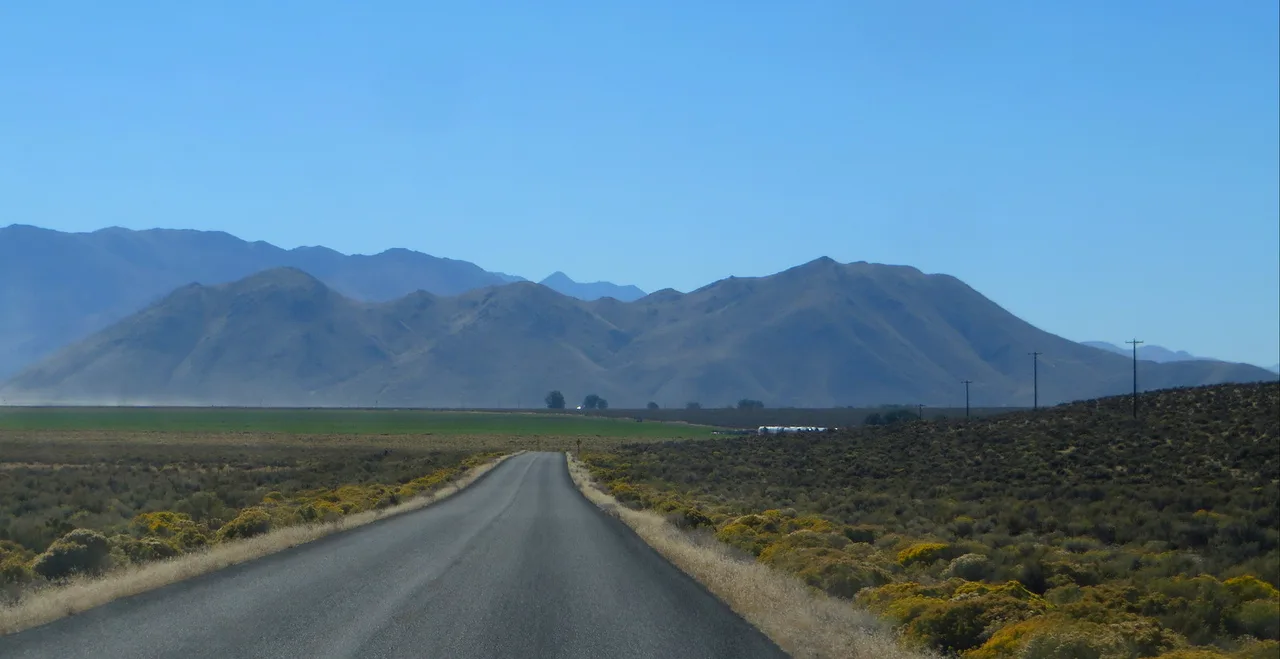
The approach combines highway miles with gravel road, so a high-clearance vehicle is the right choice and four-wheel drive helps in wet weather. Carry extra fuel and water because services are spread thin and cell coverage is unreliable in the valley. Winter snow and spring mud can make the gravel sections slick, so time your drive for dry conditions.
Navigation is straightforward with a map or offline GPS, but do not rely on a phone signal once you leave the highway. Download your route before you go, note the ranch entrances you pass, and drive slowly around livestock and ranch equipment. If the road looks rutted or flooded, turning around is the better decision than pushing through.
The Pools
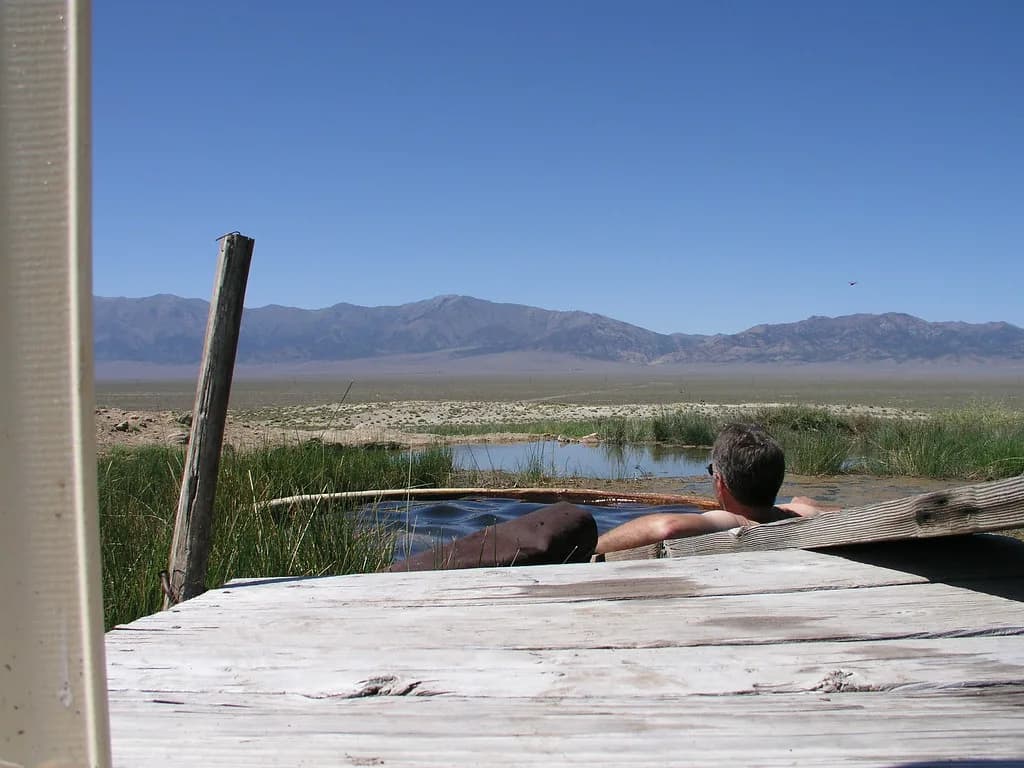
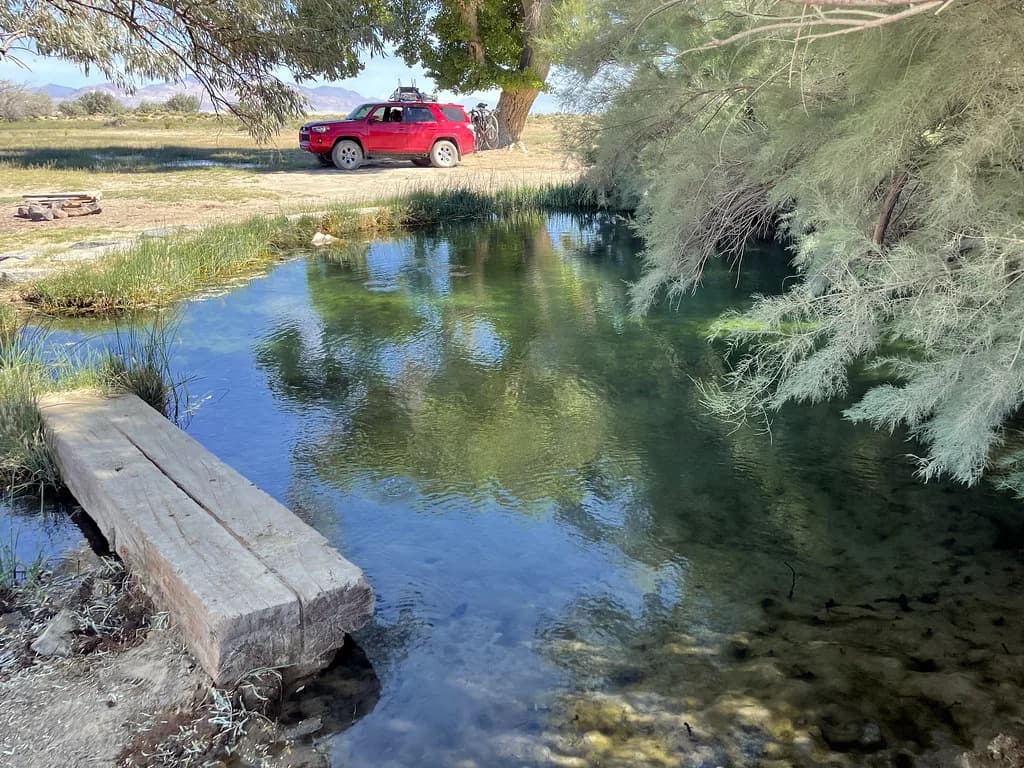
The soaking area is a simple pool fed by warm geothermal water, not a tiled spa or a developed park. Water flows through the pool and across the surrounding ground, which means the edges can be slick with algae and mineral deposit. Wear sandals between the car and the pool, and keep your footing slow on wet rock.
Because the pool sits on ranch land, the layout can change with the season and with the landowner's management. Expect a basic, utilitarian setup rather than a groomed deck, and treat any improvements you find as something to leave in place for the next visitor. Keep gear off the pool edge and use a dry bag for anything that should not get wet.
Water Temperature
Soakers report the water running near 110°F in summer, which is hotter than many people find comfortable for a long soak. Test the water with a hand or foot before committing, and use the pool's flow to find a cooler spot if the main basin feels too hot. In winter, the same source tends to feel more moderate as cold air and cooler runoff even out the soak.
Test the water with a hand or foot before committing. Winter water tends to feel more moderate than the summer reading.
Geothermal water temperature changes with the season, the flow rate, and how much cool groundwater mixes in. Do not assume a summer reading carries into December, and do not assume a winter soak is cold just because the air is. Avoid submerging your head in untreated geothermal water, and stay hydrated in the dry desert air.
Rules on Ranch Land
The spring sits on private ranch land, so the landowner's permission is the foundation of every visit. Stay on the established path, respect fences and gates, and leave livestock alone. If a gate is closed, close it behind you; if a sign asks you to stay out of an area, follow it.
Public access to private ranch land is a privilege that can be withdrawn, so keep your footprint small. Pack out all trash, including food scraps, and avoid loud music or group behavior that disturbs the ranch. Leave No Trace etiquette matters here more than at a public park because access depends on the landowner's goodwill.
Camping and Lodging
Camping near Bog Hot Springs means dispersed sites on public land rather than a developed campground with hookups. The surrounding BLM and ranch country offers primitive spots, but you need to bring your own water, food, and shelter. Check land status before you pitch a tent so you are not camping on private ranch land.
For a bed and a shower, look to Winnemucca or the small communities near the Oregon border, both of which require a drive. Fields, Oregon, is the closest service point on the Oregon side and a natural base for exploring the Alvord Desert. Book ahead in summer, when travelers heading to Steens Mountain fill the limited rooms.
Best Time to Go
Winter is the strong season for soaking here because the air is cool and the water feels moderated, while summer brings water near 110°F and desert heat that can exceed 100°F. Spring and fall offer the most comfortable balance, with mild days and cool nights. Summer visits work if you soak early in the morning or late in the evening and spend the middle of the day in shade.
High-desert weather shifts fast, and a warm afternoon can turn into a cold, windy evening. Check the forecast before you commit to the gravel roads, and build a backup plan around a developed soak if a storm moves in. The border country is beautiful in every season but unforgiving if you are unprepared.
Safety in the Border Country
Treat the source water as scalding and keep children and pets away from the hottest inflow. Pool edges can be slippery with mineral slick, and the surrounding ground may be uneven or muddy. Avoid submerging your head in untreated geothermal water and rinse off afterward.
Treat the source water as scalding and keep children and pets away from the hottest inflow. The nearest hospital is a long drive away in Winnemucca.
The nearest hospital is a long drive away in Winnemucca, so carry a first-aid kit and a communication plan. Cell service is unreliable, and a satellite messenger is worth the weight in this part of Nevada. Tell someone your route and expected return time before you leave the highway.
Nearby Springs to Combine
The Pueblo Valley sits within reach of several Oregon soaks, including Alvord Hot Springs at the base of Steens Mountain and Borax Lake Hot Springs north of Fields. These springs vary in access and setting, so build a loop that lets you soak at one and camp near another. The regional guide to Oregon's hot springs is a useful planning tool for the Oregon side of the border, and it pairs naturally with a broader look at hot springs in Arizona if you are comparing remote desert soaks across states.
Farther south, the Black Rock Desert and its hot springs make a natural second leg for travelers heading back toward Interstate 80. Trego Hot Springs sits near the Black Rock Desert and pairs well with a northern Nevada loop. Plan fuel stops carefully because the distance between towns is the real constraint in this country.
Travelers heading toward Las Vegas can add a completely different soak at Sauna Cave Hot Springs in Black Canyon, where warm water sits above the Colorado River. It is a developed, hike-in experience that balances the primitive ranch-land soak at Bog Hot. Pairing the two gives you a northern and southern Nevada hot springs trip in one itinerary.
What to Pack
Pack for a remote high-desert soak: sturdy sandals, a towel, warm layers, sun protection, and more water than you think you need. Bring a dry bag for valuables and a trash bag for everything you carry in. A small shovel and extra fuel are wise additions for gravel-road travel.
A paper map and a satellite messenger are more useful than a phone in this valley. Carry cash for small-town services and a spare tire rated for gravel. Leave a trip plan with someone at home and check in when you reach pavement again.
Plan Your Border-Country Soak
Bog Hot Springs is worth the drive for soakers who want a quiet, ranch-land pool in the northern Great Basin and are prepared to be self-sufficient. The trade-off is simple: remote access and warm water in exchange for long gravel roads, limited services, and a soak that demands respect for private land. Build it into a loop with the Alvord Desert and the Fields-area springs rather than treating it as a quick stop.
Go in winter or the shoulder seasons for the most comfortable soak, carry a high-clearance vehicle and extra supplies, and pack out everything you bring. Before you drive the gravel, confirm road and access conditions with the local land manager or rancher. That single step protects both your trip and the access that makes Bog Hot Springs possible.
Frequently Asked Questions
What is the water temperature at Bog Hot Springs?
Soakers report the water running near 110°F in summer, which is hot for a long soak. Winter water tends to feel more moderate, and the temperature shifts with season and flow.
Where is Bog Hot Springs located?
Bog Hot Springs is in Nevada's Pueblo Valley, near the Oregon border. Fields, Oregon, is the closest community, and Winnemucca is the nearest sizable Nevada town with services.
Can you camp at Bog Hot Springs?
Camping at the spring itself is not the arrangement; the surrounding public land offers dispersed sites. Bring your own water and supplies and check land status before pitching a tent.
Is Bog Hot Springs on private land?
Yes, the spring sits on private ranch land, and access depends on the landowner's permission. Stay on established paths and respect fences, gates, and posted signs.
What other hot springs are near Bog Hot Springs?
Alvord Hot Springs and Borax Lake Hot Springs are on the Oregon side near Fields, and Trego Hot Springs is a natural stop on a Black Rock Desert loop.
When is the best time to soak at Bog Hot Springs?
Winter and the shoulder seasons offer the most comfortable balance of air temperature and water temperature. Summer soaking works early or late in the day, when the desert heat eases.
Sources
Hot springs notes for your next road trip
Optional updates when we add or revise hot springs guides.
You might also like
Continue reading
More guides you'll find useful