
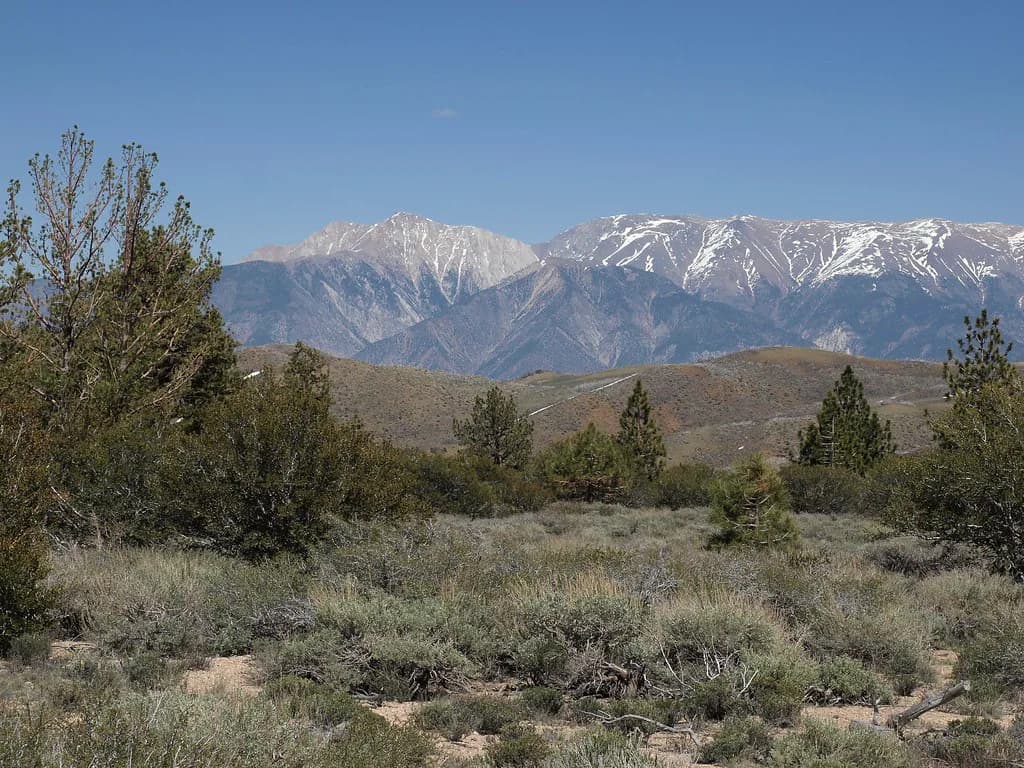
Gold Strike Hot Springs, Nevada: Hike-In Soak Guide
Gold Strike Hot Springs near Boulder City, Nevada, is a strenuous rope-assisted canyon hike to hot spring pools above the Colorado River. Here is how to plan it.
On this page
Gold Strike Hot Springs rewards hikers willing to earn a soak: four separate pools stepping down a volcanic slot canyon to the Colorado River, all within a short drive of Las Vegas. The catch is the approach, a strenuous 5.2-mile out-and-back that drops through boulder chokes and pouroffs rigged with fixed ropes. This one suits fit, sure-footed hikers comfortable on steep rock and ready for a full day in the desert.
Because the route only works in cool weather, planning around the season matters as much as planning around the ropes. The pools deliver the payoff, but the descent and the return climb set the real difficulty.
Why Gold Strike Hot Springs is worth the effort
The draw is variety in a single canyon: narrows of multihued volcanic rock, a string of hot spring pools, and a riverside finish where warm water meets the cold Colorado. The lower pool is the largest and most scenic, tucked below a mossy channel just above the river. For hikers who want a developed hot tub, this is the wrong trip; for those who want a canyon route with a soak at the end, it is one of the strongest options in the region. If you would rather compare soak-by-soak itineraries in a neighboring state, the Idaho hot springs guide covers a different set of pools.
Who should skip it: anyone uncomfortable downclimbing steep rock on a rope, hiking alone on a technical route, or turning around without reaching the biggest pool. The ascent is harder than the descent, and Rope 9 in particular is tricky to climb on slippery rock at its base. Treat the hike as the main event and the soak as the bonus. For a broader menu of soaks in the state, the guide to hot springs in nevada makes a useful planning companion.
Where Gold Strike Canyon sits: Black Canyon, Lake Mead NRA
Goldstrike Canyon cuts east from the Nevada side of the Black Canyon area, in Lake Mead National Recreation Area between the park's main visitor center and Hoover Dam. The canyon drains to the Colorado River just downstream of the Mike O'Callaghan-Pat Tillman Memorial Bridge. The lower canyon is volcanic rock, including pluton, dacite and tuff, which gives the narrows their speckled black-and-white walls and streaks of red.
The canyon's orientation is part of the plan: it drops steadily toward the river, so the hike out is uphill all the way with several rope-assisted climbs. The bridge and dam are close on the map but mostly hidden from the canyon bottom.
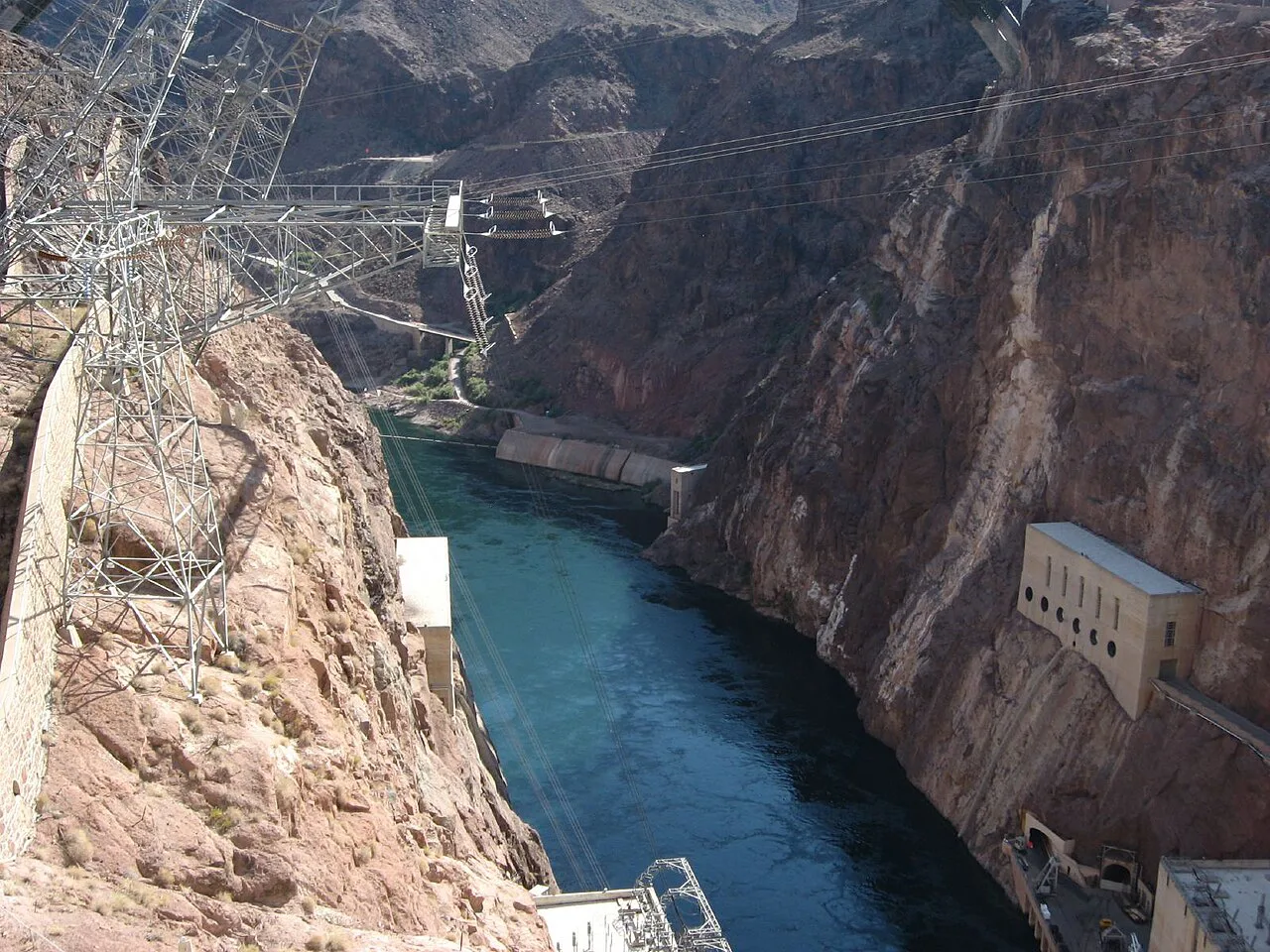
Getting there from Las Vegas and Boulder City
From Las Vegas, take Interstate 11 or U.S. Route 93 toward Hoover Dam and exit for Goldstrike Canyon Road, passing through a roundabout and parking in a marked lot off to the right. The drive is short enough for a day trip from the city or from Boulder City. The old road that once ran partway down the canyon is no longer open to vehicles, so you walk from the highway-level lot.
Arrive early. The lot fills by mid-morning on busy weekends, and a weekday start gives you more margin on the ropes, where a queue turns a scramble into a wait. The walk from parking to the signed trailhead is a few minutes back up the road toward the interstate.
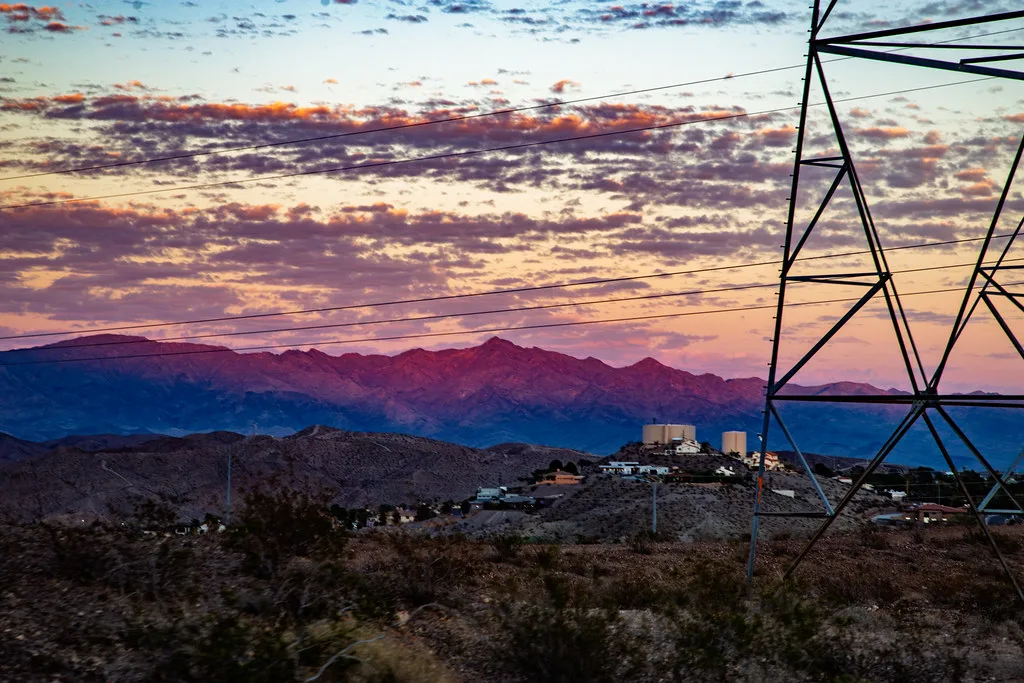
Parking and the signed trailhead
Park in the marked lot off Goldstrike Canyon Road, then walk partway back up the road toward the interstate and turn right at the signed trailhead. A large information sign carries a map and a warning that the route ahead is strenuous. Note that the sign undercounts the rope assists, showing seven where nine are actually rigged, so do not judge the remaining work by the map.
The trailhead sign shows seven rope assists, but nine are actually rigged, so do not judge the remaining work by the map.
The first stretch is a wide sandy wash with an interstate retaining wall on the left and traffic noise overhead. About 3/10 mile in, a constructed barrier marks the old trailhead from the years when vehicles could drive partway down. From there the wash narrows and the canyon takes shape.
The route: sandy wash, narrows, boulder chokes and fixed ropes
The route runs 2.6 miles one-way from trailhead to river, and the descent is largely straightforward until the first pouroff. Where the wash suddenly drops a level, take the marked detour left, scramble over the steep flank and rejoin the wash below the dryfall. Past that, two sets of narrows and a string of boulders lead to the first rope.
The ropes come in nine assists, some essential and some skippable. Rope 1 follows a helpful carved staircase; Rope 2 is unnecessary because an easy bypass exists to its left; Rope 3 is required for a narrow drop between chockstones; and Rope 9, near the end, is the hardest of the lot in both directions thanks to slippery rock at its base. Some teamwork helps on the return, especially at Ropes 3, 4, 8 and 9.
GPS distance is unreliable deep in the narrows, where reception pings back and forth and inflates the mileage. Count ropes and landmarks instead of trusting the watch. A hiking account of this route logged roughly 5.2 miles total and about 1.5 to 2 hours down; allow a similar or longer time for the climb out.
The four pools: upper springs, two mid-canyon soaks, the big lower pool
The first pool is Upper Goldstrike Hot Springs, tucked among boulders on the right and shallow at its visible edge, with more depth and heat farther back. If you are short on time or energy, this is the reasonable turnaround point, giving a roughly 4.2-mile out-and-back without the hardest rope sections.
Below that, a second small pool is fed by a waterfall of three to four feet, and a third pool arrives as the deepest soak up to that point; together with the fourth they are sometimes called Nevada Hot Springs and are typically reinforced with sandbags. The fourth and final pool is the largest and most scenic, split into several sections below a mossy channel just above the Colorado River. The whole arrangement shifts after floods, so the pools you find may differ from any description.
Water temperatures and the falls feeding the lower pool
Gold Strike pools are fed by hot water trickling and cascading through the canyon, and temperatures vary from basin to basin. One commercial tour operator advertises its Goldstrike outing with a 98°F to 120°F range; treat that as GetYourGuide's figure rather than a posted reading, and test the water by hand before committing. The fourth pool holds a lukewarm entry basin, a warmer pool off to the left, a small cool pool at the base of the falls and an inset that is the warmest of the group.
Canyon water moves and the falls reshape the pools after storms, so the layout and the heat distribution change season to season. Keep your head above the surface in untreated geothermal water, a caution tied to the risk of Naegleria fowleri in warm fresh water.
The Colorado River finish and the climb back out
From the big lower pool, the river is about 1/10 mile farther, reached by slick descending rock alongside the flowing hot stream. At the bottom, the warm creek spills into the cold Colorado in Black Canyon, with the O'Callaghan/Tillman Bridge upstream and the Hoover Dam out of view beyond it. If you want the soak, backtrack to the fourth pool before starting up.
The climb out reverses every rope and boulder choke, and it takes longer than the descent. Budget a similar amount of time as the way down and expect to use your arms at the assisted downclimbs. Bighorn sheep sometimes appear on the canyon walls, so keep an eye out on the return.
Difficulty, time and what the fixed ropes demand
This is a strenuous route: extensive scrambling, modest climbing skill and probably some teamwork to finish. The ropes help at drops and pouroffs, but they do not turn the canyon into a via ferrata; the rock is slick in the wet sections and some bypasses require their own careful moves. A popular-trail listing rates it as a heavily trafficked out-and-back, which matches the weekend parking situation.
Allow most of a day: the descent plus soak plus ascent adds up, and a late start in winter means finishing in fading light. Go with a partner, wear shoes with grip for wet rock, and carry more water than feels necessary even in cool months.
Season and the summer closure
The trail closes each year from May 15 through September 30 because of extreme heat, so the Gold Strike window is roughly October through mid-May. Winter and spring are the favored months in Black Canyon, when the desert cools enough for a strenuous route. Avoid the canyon entirely when rain is in the forecast, because the narrows and boulder chokes make flash floods dangerous.
The trail closes each year from May 15 through September 30 because of extreme heat.
Before you commit to a date, confirm the closure and current route conditions with the National Park Service at Lake Mead National Recreation Area. That single call or web check covers the season window and any storm damage to the ropes.
What to bring and what to wear in wet sections
Wear a swimsuit under quick-drying clothes and bring shoes you can scramble in; the wet stretches below the third pool are slick, and hikers trying to keep boots dry often switch to water shoes for the stream sections. Pack more water and calories than the mileage suggests, plus a dry layer for the shaded canyon walls.
Leave the glass at home, carry out everything you bring, and pack a headlamp in case the return takes longer than planned. A basic first-aid kit and a way to contact help from the rim are worth the weight.
Rules and posted advisories
The trailhead kiosk carries the map and the strenuous-hike warning; read it before dropping into the wash. Fixed ropes on public lands wear and get replaced, so use them as aids rather than as guaranteed protection. In the pools, keep your head above the water, and be careful on the edges above the falls and the river.
Camping and lodging nearby
There is no roadside camping at the trailhead, so most hikers base themselves in Boulder City or Las Vegas and drive in for the day. Boulder City is the shorter drive, with motels and restaurants in a small historic downtown, while Las Vegas supplies the widest spread of lodging and the earliest possible start.
If you want to turn the soak into a longer trip, the hot springs near las vegas guide pairs Gold Strike with other options in the region, so you can plan a base camp that serves multiple hikes.
Combining Gold Strike with Arizona Hot Springs and White Rock Canyon
Across the Colorado from Goldstrike, the Arizona Hot Spring canyon and the White Rock Canyon trail form a difficult 5.75-mile loop that offers another soak. Combine the two over separate days rather than in one push: each route uses rope assists and heat, and the drive between trailheads is short.
For a bigger road trip, pair the Black Canyon hikes with a drive north toward the Great Basin. Soaks such as spencer hot springs and Carson Hot Springs in Carson City, Nevada sit a long day's drive away, and the range of hot springs makes a good counterpoint to Gold Strike's technical canyon route.
Leave No Trace in Black Canyon
Gold Strike is a hike-in canyon with limited ranger presence, so your habits carry the place. Stay on the established route through the narrows, do not stack new cairns or add ropes, and pack out every scrap, including food waste and wet wipes. Soak in the pools without soap or sunscreen that will wash downstream, and leave the mossy channels and sandbags untouched so the pools keep working.
Plan Your Visit
Gold Strike Hot Springs delivers a canyon route and a soak in one day, but only if you plan for the rope work and the season. Aim for a cool-weather weekday, park early, and set your turnaround point at the pool that matches your energy. Then leave time for the climb out, which is the real test of the day.
Frequently Asked Questions
How long is the Gold Strike Hot Springs hike?
The route runs 2.6 miles one-way and about 5.2 miles out-and-back from the trailhead to the Colorado River. The first pool comes sooner and works as a shorter turnaround. GPS watches tend to overread the distance in the narrows, so judge progress by the ropes and pools rather than by the screen.
How hard is the hike to Gold Strike Hot Springs?
It is strenuous. You descend through boulder chokes and pouroffs on nine fixed-rope assists, with some modest climbing moves and occasional teamwork required. Ascending the ropes is harder than descending, so the return takes at least as long and more effort.
When is Gold Strike Hot Springs closed?
The trail closes annually from May 15 through September 30 because of extreme heat, which leaves an October-to-mid-May window. Skip the canyon when rain is forecast, since the narrows are flash-flood terrain. Confirm the closure and route status with the National Park Service before a trip.
Are there ropes on the Gold Strike Canyon trail?
Yes. Nine rope assists are rigged through the canyon, though not all are needed: some have clean bypasses, while others guard essential drops. Rope 9 near the end is the most challenging in both directions because the rock at its base stays slick.
How many hot spring pools are in Goldstrike Canyon?
There are at least four distinct soak pools. Upper Goldstrike is the first, followed by two smaller mid-canyon pools, then the biggest and most scenic pool below a mossy channel just above the Colorado River. Floods can rearrange the basins, so expect some variation.
Can you swim at Gold Strike Hot Springs?
You can soak in the pools, but keep your head above the surface because of the risk of Naegleria fowleri in warm fresh water. Some of the largest pool's sections are shallow or lukewarm, and the rock around the falls is slippery. The cold Colorado River is a short walk farther down.
Where do you park for the Gold Strike Hot Springs trailhead?
Use the marked lot off Goldstrike Canyon Road, reached from Interstate 11 or U.S. Route 93 near Hoover Dam. From the lot, walk partway back up the road toward the interstate and turn right at the signed trailhead. The lot fills by mid-morning on busy weekends.
Is Gold Strike Hot Springs the same as Arizona Hot Springs?
No. Gold Strike Hot Springs sits in Goldstrike Canyon on the Nevada side of Black Canyon, while Arizona Hot Springs lies across the Colorado and is reached by a different loop. Both involve rope-assisted routes and can be hiked on separate days of the same trip.
Sources
Hot springs notes for your next road trip
Optional updates when we add or revise hot springs guides.
You might also like
Continue reading
More guides you'll find useful
.jpg)