Ruby Valley Hot Springs, Nevada: Soaking and Access Guide
Plan a soak at Ruby Valley Hot Springs, also called Smith Ranch Hot Springs, in northeast Nevada, and pair it with the Ruby Mountains and Ruby Lake.
On this page
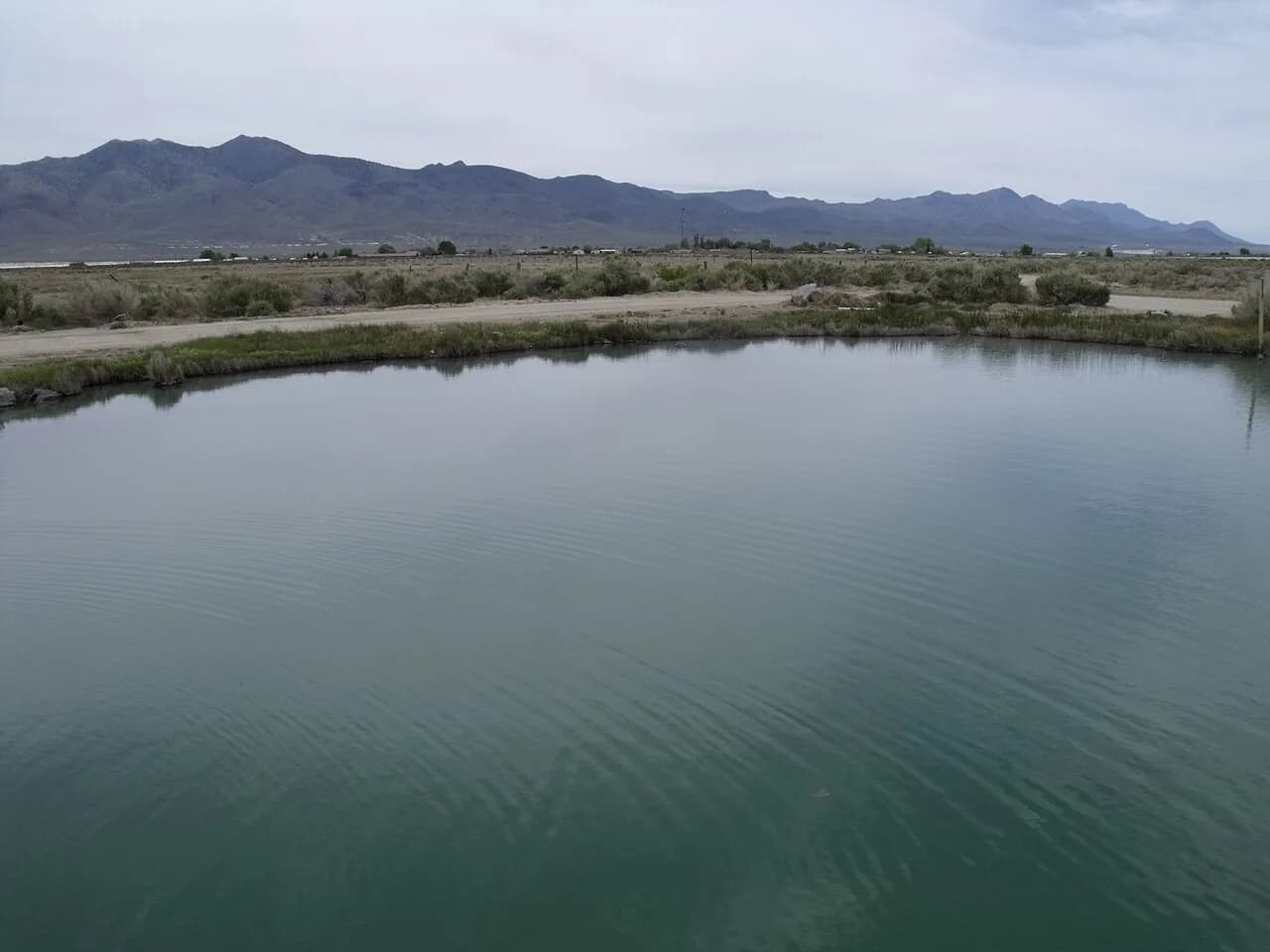
Ruby Valley Hot Springs sits on the quiet eastern side of Nevada's Ruby Mountains, and the aquamarine water makes the extra effort worthwhile. This is a soak for travelers who want a primitive, remote experience rather than a developed pool with a front desk, and who are happy to build the drive around the Ruby Mountains and Ruby Lake National Wildlife Refuge.
The spring is also called Smith Ranch Hot Springs, so the same place may appear under either name on maps and in trip reports. Plan accordingly: it works best as one stop on a loop anchored by Elko, not as a quick roadside pullout on the way to somewhere else.
What Ruby Valley Hot Springs Is and Who It Suits
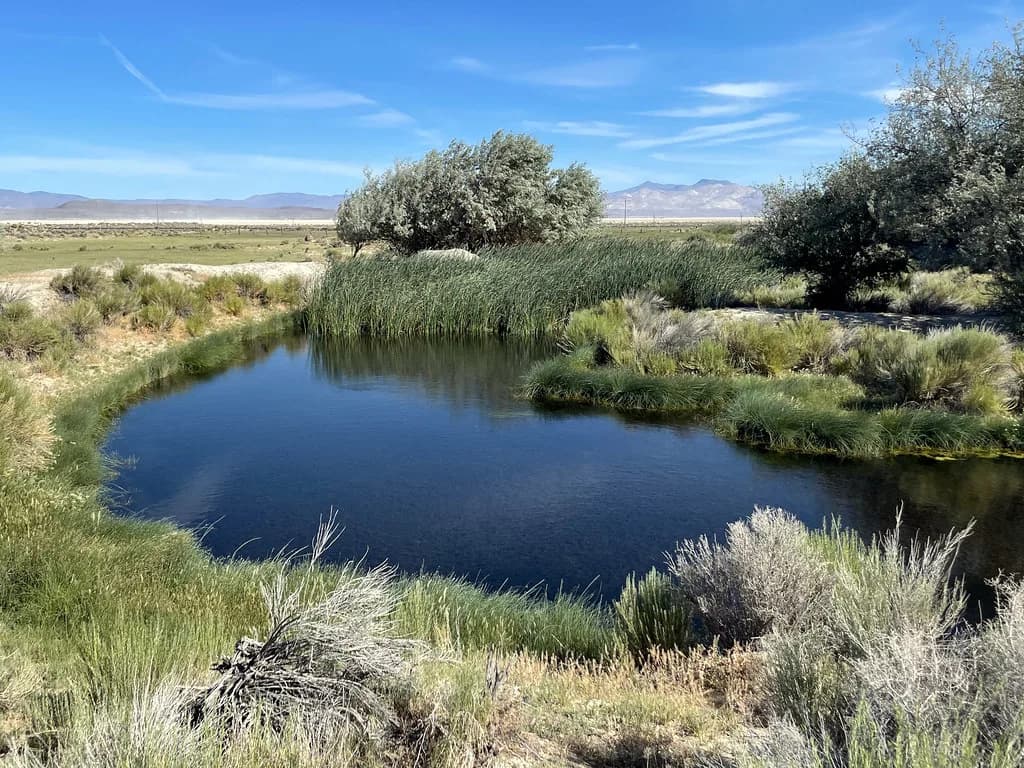
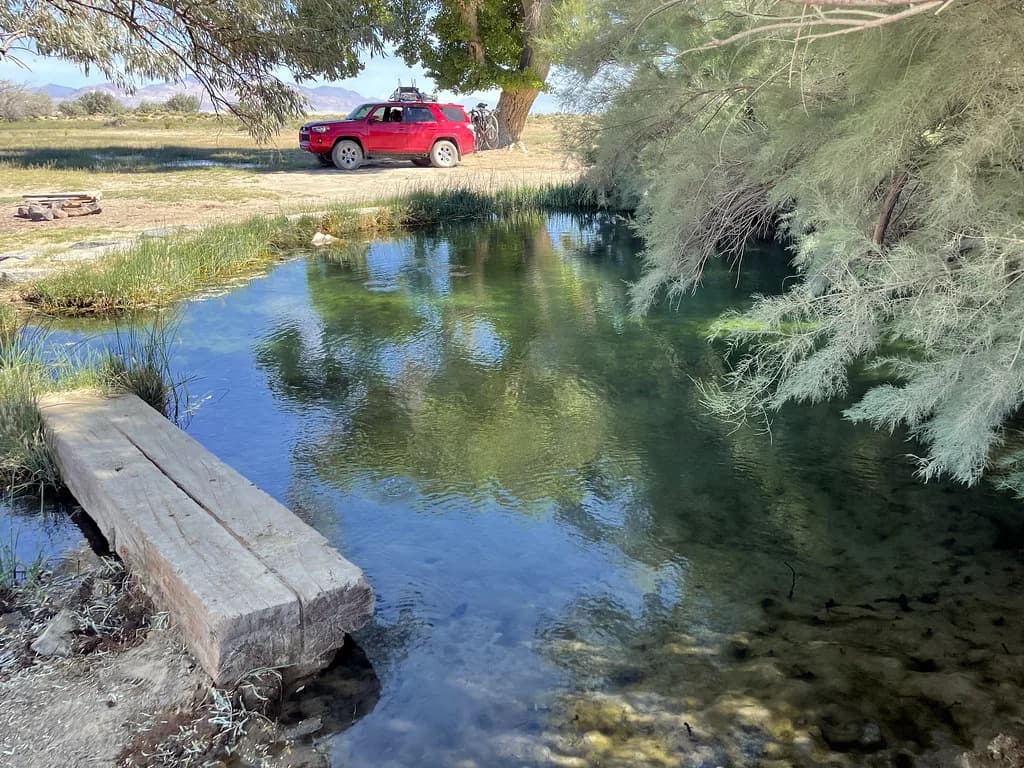
Travel Nevada describes Ruby Valley Hot Springs, also known as Smith Ranch Hot Springs, as taking some extra effort to reach but repaying it with aquamarine water. That framing is the honest expectation-setter: this is a primitive desert soak on the valley floor east of the Ruby Mountains, not a resort with lockers and a lifeguard.
Self-sufficient road-trippers get the most from it: high-clearance vehicles, spare water, and a tolerance for rough gravel roads. Families with small children or travelers who want a poolside chair and a shower should build a day around Lamoille Canyon's developed campgrounds instead and treat the spring as an optional side trip.
Because the soak is far from services, it pairs naturally with the state's other desert soaks, and the broader lineup in our hot springs in nevada guide is a useful place to slot it into a longer itinerary. If you are weighing desert soaks across state lines, our Arizona hot springs guide covers the same decision in a drier, fee-heavy setting.
Where It Sits: Ruby Valley, the Ruby Mountains, and Ruby Lake
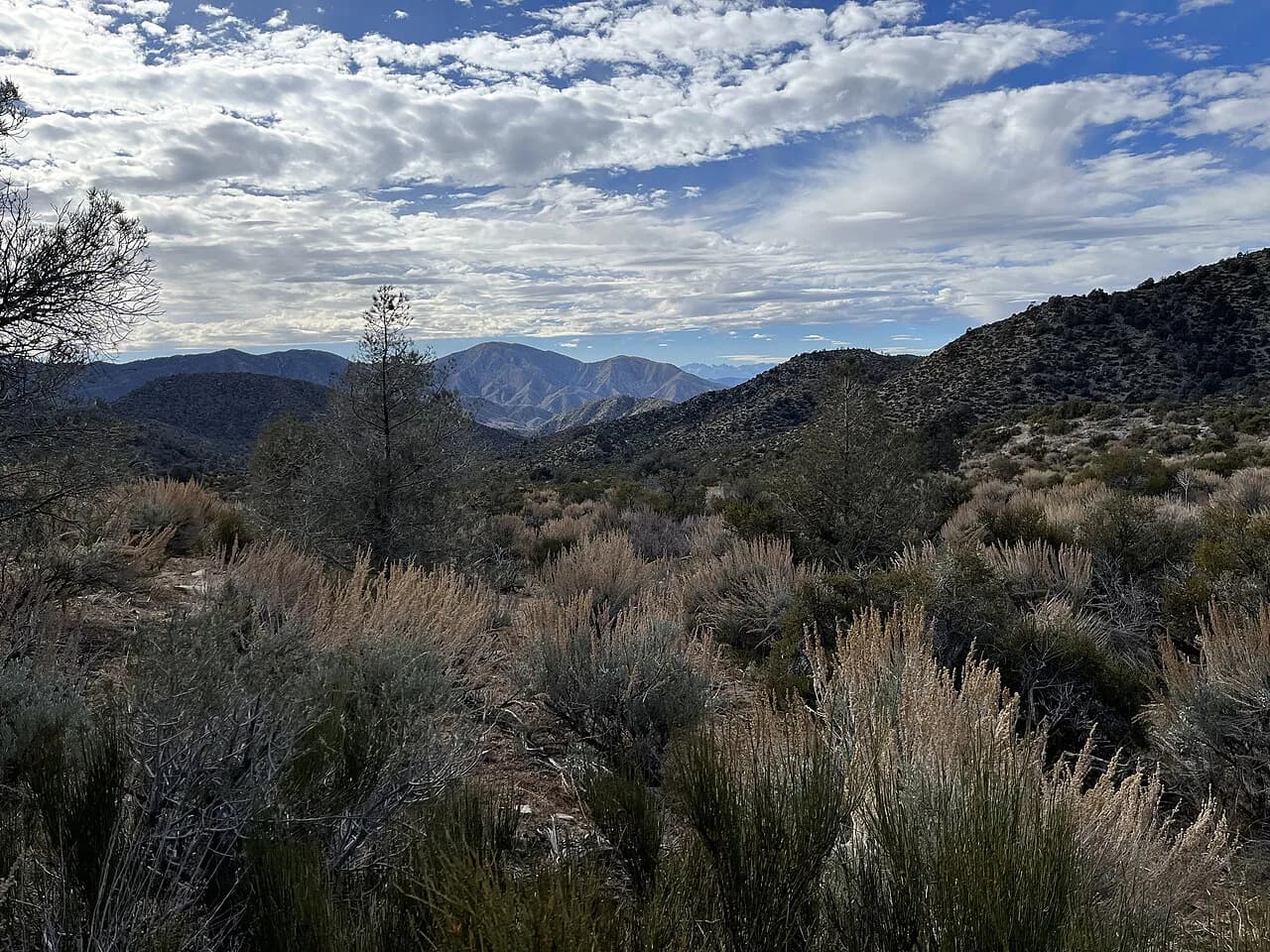
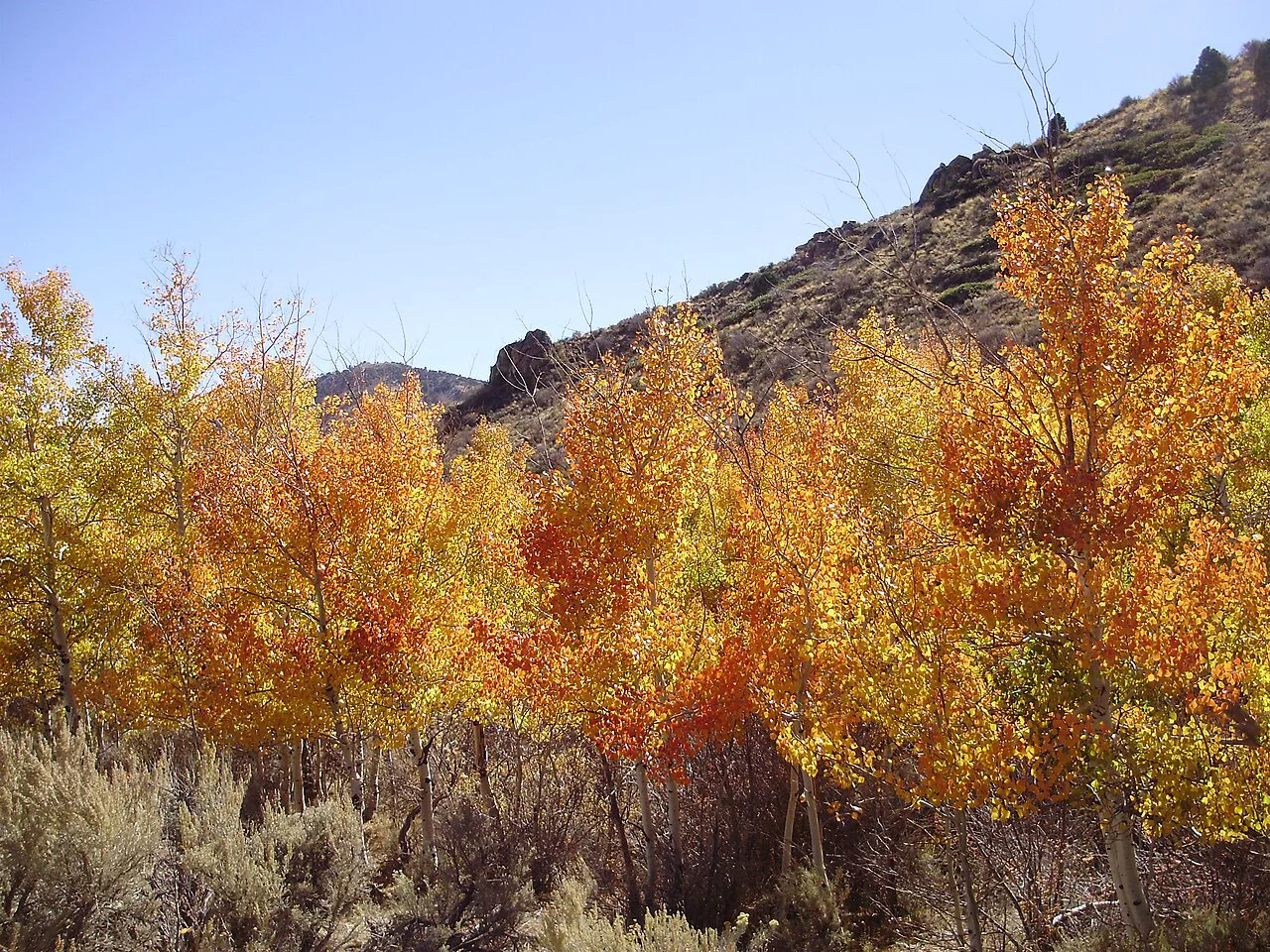
Ruby Valley runs along the eastern flank of the Ruby Mountains, a range the Elko Convention and Visitors Authority describes as 92,650 acres of the Humboldt-Toiyabe National Forest with glaciated peaks above 10,000 feet. The spring lies out in that valley, well east of the high country.
In the same Ruby Valley, Ruby Lake National Wildlife Refuge is a network of spring-fed marshes, wet meadows and a lake, which makes a natural second stop on a day that already has you driving the valley. Bring binoculars and give yourself an hour to scan the waterfowl.
Think of the geography in two halves: the mountain face on the west, reached via Lamoille Canyon, and the flat valley floor on the east, where the springs and the refuge sit. Planning your day around that split keeps the driving manageable.
Getting There from Elko and Wells
Elko is the closest city and the practical base. The Elko Convention and Visitors Authority places the Ruby Mountains less than a half-hour southeast of town, reached via State Route 227, which runs 26 miles southeast from Elko into the range via the Lamoille Canyon National Scenic Byway.
That paved figure applies to Lamoille Canyon, not to the valley roads out to the spring, so budget more time than the highway numbers suggest. Carry a paper map or downloaded maps offline, fill the tank in Elko, and top off water jugs there before heading east.
Wells is another usable base on US-93 north of the valley, and drivers combining the soak with a long road trip often come in from that direction. Check road conditions with the Humboldt-Toiyabe National Forest before a winter or early-spring approach, when valley gravel can turn slick and snowbanked.
The Soak Itself: Aquamarine Pools and the Effort to Reach Them
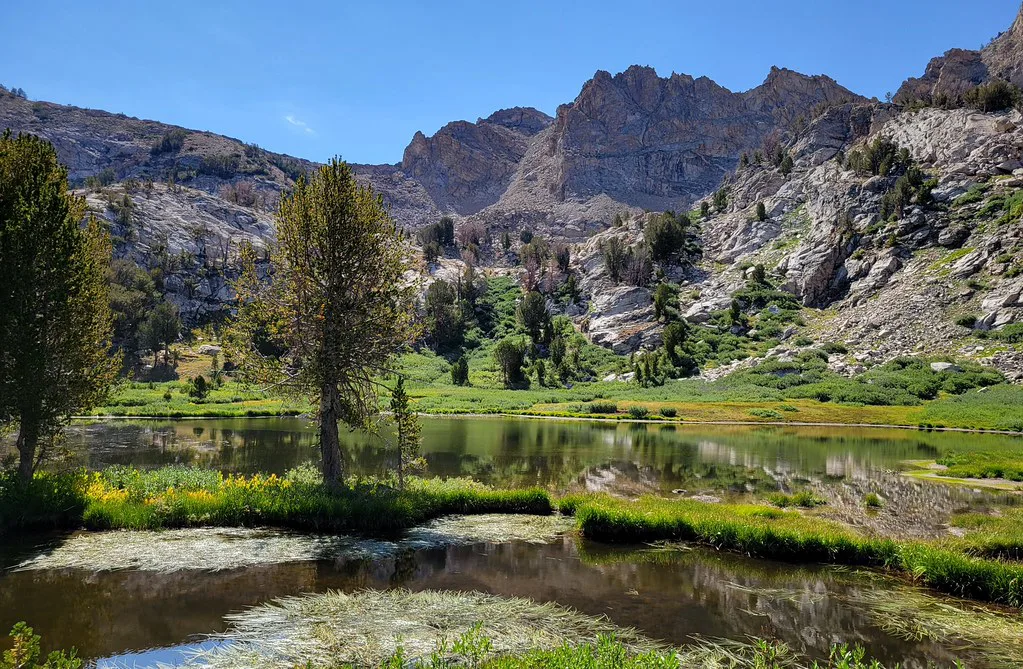
Expect a rustic soak. Travel Nevada highlights the aquamarine water as the payoff, but the approach takes extra effort, so plan on an unmarked-feeling desert setting rather than a groomed pool deck; the dip is the reward, not the amenities.
Test the water with a hand or foot and ease in slowly, and never submerge your head in untreated spring water.
Before you get in, test the water with a hand or foot and ease in slowly. Geothermal source water can run scalding hot, so never submerge your head in untreated spring water, and keep an eye on children if you bring them; the rocks around desert springs are often slick.
Wear sandals or water shoes for the approach and the soak itself, and bring a towel and a dry change of clothes. A wide-brim hat and sunglasses matter as much as a swimsuit in this open valley, where shade is scarce.
What to Bring for a Primitive Desert Soak
Treat the pack as a self-contained day: several liters of drinking water per person, salty snacks, sun protection and a first-aid kit, since the nearest store is back in Elko or Wells. A small shovel and a wag bag let you handle human waste properly if the site lacks facilities.
Bring a vehicle with real ground clearance and a full-size spare, plus a tire gauge for adjusting pressure on washboard gravel. A tow strap and jumper cables are cheap insurance on remote valley roads.
Pack out all trash, including food scraps, and leave glass containers at home; broken glass is the most common hazard at springs that see vehicle traffic. A sturdy dry bag keeps valuables and phones secure.
If you continue to other desert soaks, Sauna Cave Hot Springs, Nevada offers a very different Black Canyon setting. Our guide to Trego Hot Springs covers another remote Black Rock Desert option.
Camping Near the Springs and in Lamoille Canyon
The Elko Convention and Visitors Authority lists several base camps: Thomas Canyon Campground in Lamoille Canyon, Angel Creek Campground outside Wells, South Ruby Campground in Ruby Valley, and the tent-only Terraces Campground, with camping season typically running May through October and many sites equipped with picnic tables and fire rings.
Lion's Camp Lamoille was reported under reconstruction after a 2018 fire, so confirm your site before you drive out.
South Ruby Campground in Ruby Valley is the nearest of these to the spring and to the wildlife refuge, so it suits a two-night stay split between the soak and the marsh. Thomas Canyon puts you in the canyon itself for early trailheads.
Book early in summer and on fall color weekends; the Rubies draw visitors from across the region. Note that the visitors authority reported Lion's Camp Lamoille under reconstruction after a 2018 fire, which is another reason to confirm your site before you drive out.
Lodging and Supplies in Elko and Wells
Elko has the region's full spread of hotels, motels, casino hotels and RV parks, and the visitors authority maintains listings for all of them. It is your base for a shower, a real bed and a grocery run between soaks.
Book a room in Elko for the first and last night and camp in between, which keeps the rough-road driving short and gives you a comfortable buffer if the weather turns. Wells works as an alternative if you plan to come down from the north.
Best Time of Year and How to Dodge the Crowds
Camping in the Ruby Mountains typically runs May through October, per the Elko Convention and Visitors Authority, and that window lines up with the most comfortable valley temperatures. Late spring and early fall give you mild days with better odds of empty water at the spring.
Midweek visits in September and early October tend to be quieter than July weekends, and fall color in Lamoille Canyon is a bonus. Go early in the day if you plan to soak and then drive the scenic byway, since afternoon light in the canyon is brief.
Pairing the Soak with Lamoille Canyon Scenic Byway and the Ruby Crest Trail
The Lamoille Canyon National Scenic Byway runs from State Route 227 up to the canyon's road's end, where the Ruby Crest Trailhead starts one of the West's signature long hikes. Hikers can sample a portion of the 36-mile route toward Liberty Peak instead of committing to the full traverse.
If you have only a short window, Island Lake is a two-mile walk from Road's End and gives you a big-canyon view for modest effort. The trade-off is real: the soak eats a half day in the valley, so pick either a big canyon hike or a long soak, not both, if you have a single day.
Adding Ruby Lake National Wildlife Refuge to the Drive
Ruby Lake National Wildlife Refuge occupies the eastern edge of the Ruby Mountains in Ruby Valley, where spring-fed marshes, wet meadows and a lake draw waterfowl and other wildlife. Add it to the same loop as the spring and you get a soak plus a quiet morning of birding without adding many miles.
Follow refuge rules once you pass the boundary: stay on designated roads, keep your distance from nesting birds, and keep dogs leashed or leave them at camp. Fishing is popular on Ruby Lake itself, so pack a rod if that suits your plan.
Nearby Hikes and Alpine Lakes Worth a Day
Beyond Island Lake, the Elko Convention and Visitors Authority lists the 10-mile Soldier Lake Basin trail and the 13-mile Overland Lake trail among popular routes, plus Ruby Dome at 11,387 feet for strong hikers. These are full-day outings, so slot them on a separate day from the soak.
Liberty Lake and Wines Peak draw hikers into the wilderness area, where waterfalls and wildflower fields are part of the draw in early summer. Carry layers; the high country runs far cooler than the valley floor where the spring sits.
Leave No Trace at a Remote Valley Soak
Pack out everything you carry in, including food scraps and toilet paper, and use a wag bag if there is no facility. Stay on existing tracks to the water rather than cutting new paths through the desert crust, which takes years to recover.
Keep noise and group size low so the next visitor gets the same quiet soak, and leave the water as you found it: no soap, no shampoo, no sunscreen applied just before entry.
Plan Your Visit
Build the trip around Elko: stock up, drive State Route 227 toward the Rubies, and treat the spring as one leg of a valley loop with Lamoille Canyon and the wildlife refuge. One soak plus one canyon hike is a satisfying two-day plan.
If you want a developed pool alternative with amenities, Walley's Hot Springs, Nevada near Genoa is a different style of soak worth comparing.
Frequently Asked Questions
Where is Ruby Valley Hot Springs in Nevada?
It sits in Ruby Valley, on the eastern side of the Ruby Mountains in northeast Nevada, near Ruby Lake National Wildlife Refuge. Elko is the closest city and the practical base for supplies, fuel and lodging.
Is Ruby Valley Hot Springs the same as Smith Ranch Hot Springs?
Yes. Travel Nevada lists Ruby Valley Hot Springs and Smith Ranch Hot Springs as the same place, so either name may appear on maps and trip reports.
How do you get to Ruby Valley Hot Springs?
Drive from Elko on State Route 227 and then continue into the valley on gravel roads. The paved reference point is Lamoille Canyon, so budget extra time for the valley portion and carry offline maps.
Can you camp near Ruby Valley Hot Springs?
South Ruby Campground sits in Ruby Valley, and Thomas Canyon, Angel Creek and the tent-only Terraces campground are other options. Camping season typically runs May through October.
What else can you do in the Ruby Mountains?
Drive the Lamoille Canyon Scenic Byway, hike to Island Lake from Road's End, or sample the Ruby Crest Trail toward Liberty Peak. Ruby Lake National Wildlife Refuge is a quieter stop on the valley floor.
When is the best time to soak in Ruby Valley?
Late spring through early fall lines up with the May-to-October camping season. Midweek days in September and early October are typically quieter than summer weekends.
Sources
Hot springs notes for your next road trip
Optional updates when we add or revise hot springs guides.
You might also like
Continue reading
More guides you'll find useful