
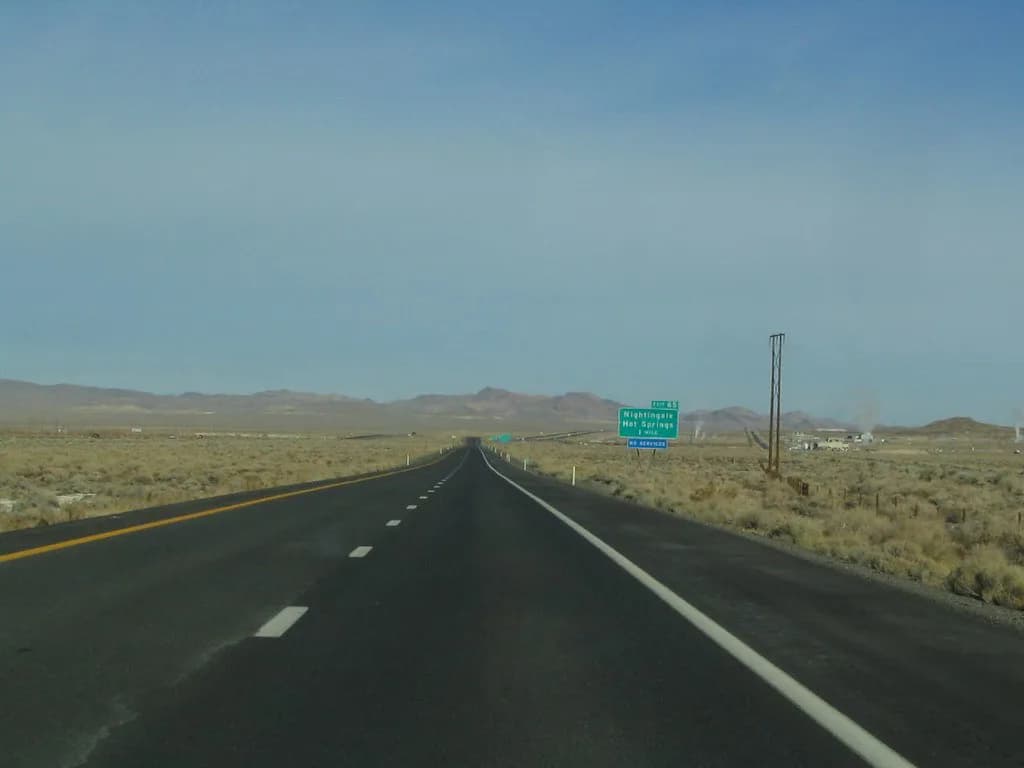
Nevada Hot Springs Resorts and Public-Land Soaks
Nevada hot springs range from county-park pools to remote public-land soaks. Compare access, pool setups and camping to choose the right trip.
On this page
Nevada rewards the road trip: a concrete pool in a county park one day, a stock tank steaming in a wide valley the next. The state holds more than 300 hot springs, and the real choice facing you is between developed soaks with facilities and primitive ones where you bring everything and study the road before you commit.
This guide sorts the state's better-known soaks by what actually decides a trip: how you reach them, whether they are lined pools or natural ponds, and where you sleep afterward. Distances are long from Reno and Las Vegas alike, so pick one anchor spring and a second within an hour rather than stringing together the whole map.
Developed pools versus public-land soaks
A Nevada hot spring usually falls into one of two setups. In the first, water is piped into a concrete basin, stock tank or stone tub, which gives you a lined bottom, a bench or plank to sit on and some control over how much hot inflow mixes with cool water. In the second, you soak in a natural pond or a ditch-like pool with a muddy or sandy bottom and stronger temperature swings from one end to the other. The same developed-versus-primitive split shapes the utah hot springs resorts further east, so the criteria you weigh here travel well.
Water above 104 degrees is where a soak turns risky, so test it with your hand before you get in.
Water in the high 90s to low 100s Fahrenheit is the comfortable band; anything above 104 degrees is where a soak turns risky, so test with your hand and a thermometer before committing. Source water often comes out far hotter than the pools themselves, as at Spencer Hot Springs, where the spring emerges at nearly 150 degrees and the pools do the cooling. Keep your head above water in untreated geothermal water.
Spencer Hot Springs: multiple pools in the Big Smoky Valley
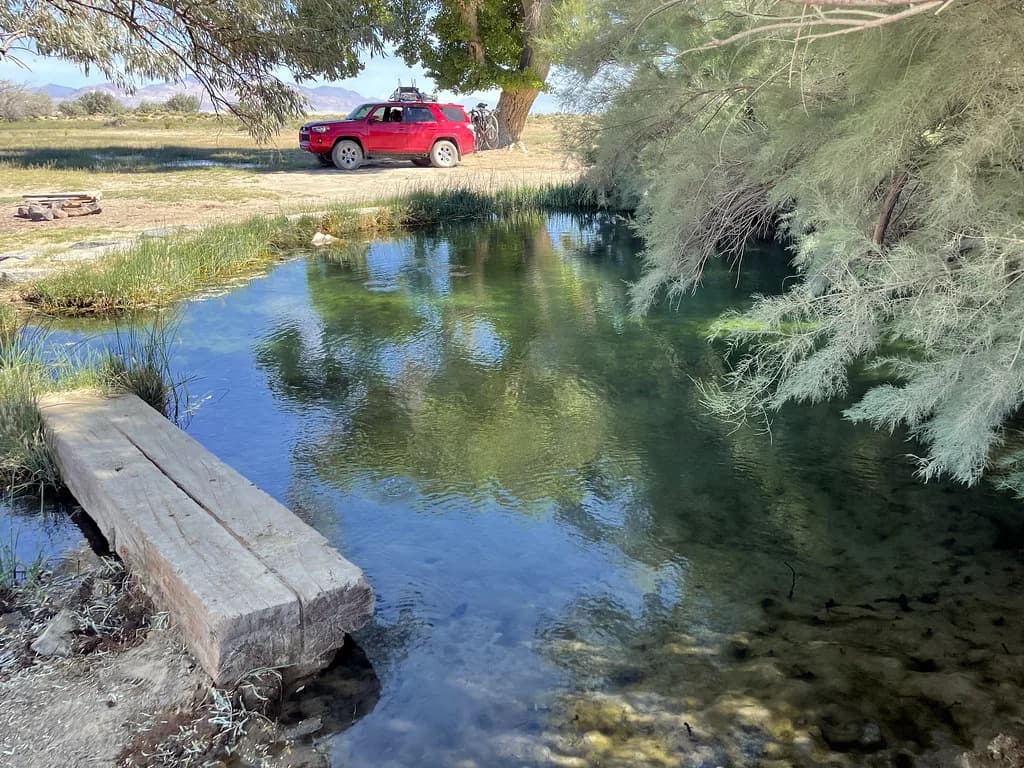
Spencer sits between the Toiyabe and Toquima ranges in the Big Smoky Valley, a straightforward first soak for anyone new to public-land springs. The pool closest to the road is a stock tank fitted with a long wooden plank that works as a bench or a shelf for clothes, while a short walk brings you to a natural, sandy-bottomed pool with a wooden deck beside it for gear.
Access is the easy part: from Fernley, take Highway 50 east through Austin, turn right on Highway 376, then make a quick left on the gravel road heading east toward the Toquima Range. A sign for Hot Springs Road appears after a few miles on the left, and an unmarked parking area follows not long after. No four-wheel drive is needed, but carry a properly inflated spare, because gravel chews through highway tires.
Fish Lake Valley hot well: a concrete pool in a county park
The Fish Lake Valley hot well is the closest thing here to a resort-style base without the resort. Water flows from a well and is piped underground into a rectangular concrete pool about four feet deep, with a view across the valley to the White Mountains and Boundary Peak. The lined bottom means no mud, but algae make it slippery, so step in carefully.
It sits in a county park northeast of Dyer, which brings the amenities that matter after a long drive: campsites, running water and vault toilets. The pool holds roughly six to nine people comfortably, and it is clothing optional, so set your expectations accordingly if you prefer a swimsuit. A nearby pond draws plenty of bird life.
To get there, take Highway 95 south from Hawthorne to Highway 6 at Coaldale, head west to Highway 773, then south to 264. After several miles on 264, turn east on a gravel road to the park. Carry a map, because the correct gravel turn is easy to miss, and no four-wheel drive is required.
Trego Hot Springs: a muddy Black Rock Desert pond
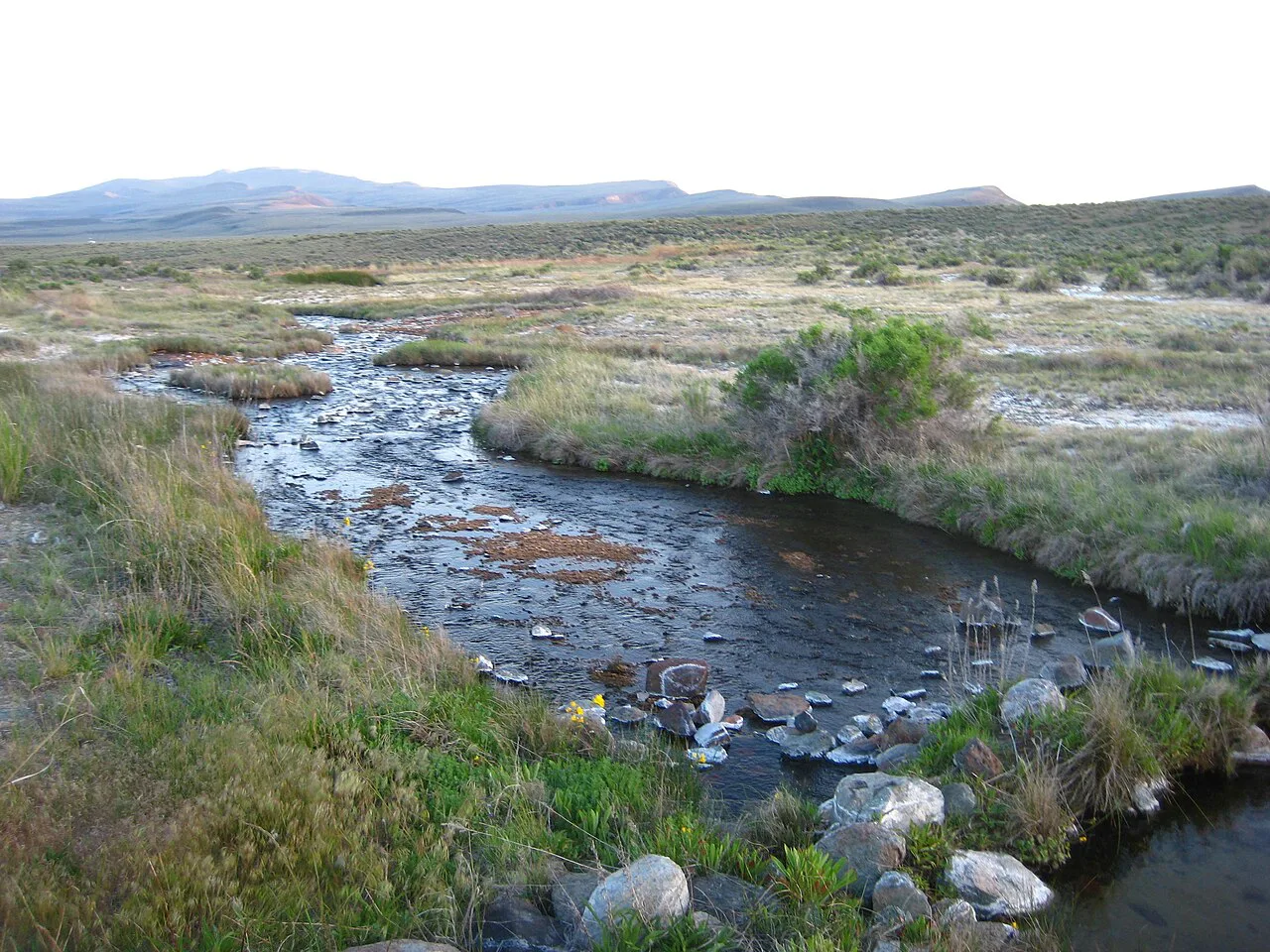
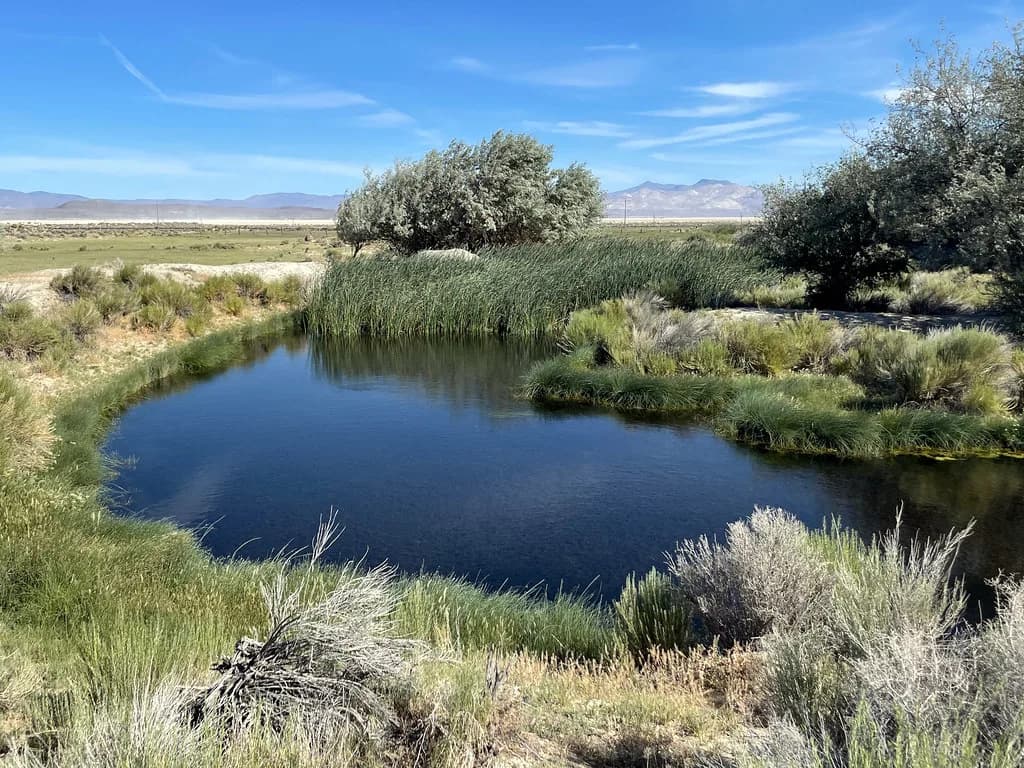
Trego is the raw version of the Nevada soak: a natural spring spread across what amounts to a large ditch near the Black Rock Desert playa. Temperature varies sharply from spot to spot, so some water is too hot, some too cold, and you find the comfortable patch by wading in slowly. The bottom is muddy and the sides grassy, which makes a tarp or mat worth packing for changing and for standing on.
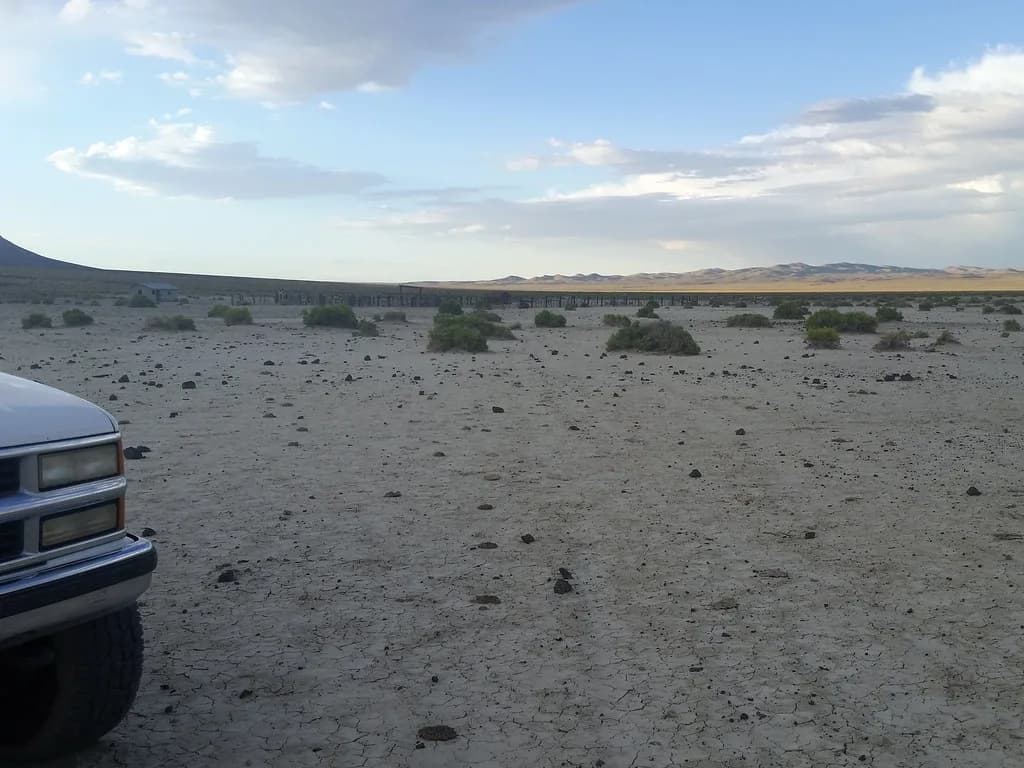
Take Jungo Road from Gerlach, pass the gated Frog Pond spring on private land, and keep going to a fork aimed at the playa where a large Bureau of Land Management sign points toward Trego. The roads are dirt and rugged, and all-wheel drive or a four-by-four is the sensible choice. There are no facilities at the spring; you park on a flat dirt pullout and walk over.
Bartine Hot Springs: a three-seat stone tub in the Monitor Range
Bartine is a small, handsome tub dug into the ground on a hillside, with three seats and a view over the north end of the Monitor Range toward the Simpson Park and Mountain Boy ranges. Inflow and outflow pipes keep the water clear and circulating, and the temperature has been noted around 102 degrees. The stone bottom collects algae and gets slick, and carpet on one side plus soft grass at the edge make changing easier.
From Austin, take U.S. Highway 50 east past the Highway 376 junction, Hickison Petroglyph Recreation Area and Bean Flat, then turn left on Three Bars Road. Follow it to the power lines, take the road to the right, and park near the fencing and well; the tub is a few hundred feet northwest. The ground between the parking area and the spring is almost always muddy, so plan on wet feet rather than driving closer, and avoid the entrance road entirely when the surface is wet.
Soldier Meadows Hot Springs: hidden springs in the Black Rock range
Soldier Meadows spreads its soaking across a remote basin of hidden springs and warm creeks, with a campground that makes it a base rather than a quick stop. The setting is the draw: stark desert landscape, wildlife moving through the meadows, and water showing up where the ground looks dry. Come set up for a night rather than racing in and out, and treat the creeks as the main attraction.
Warm Springs Natural Area: springs and wetlands in Moapa
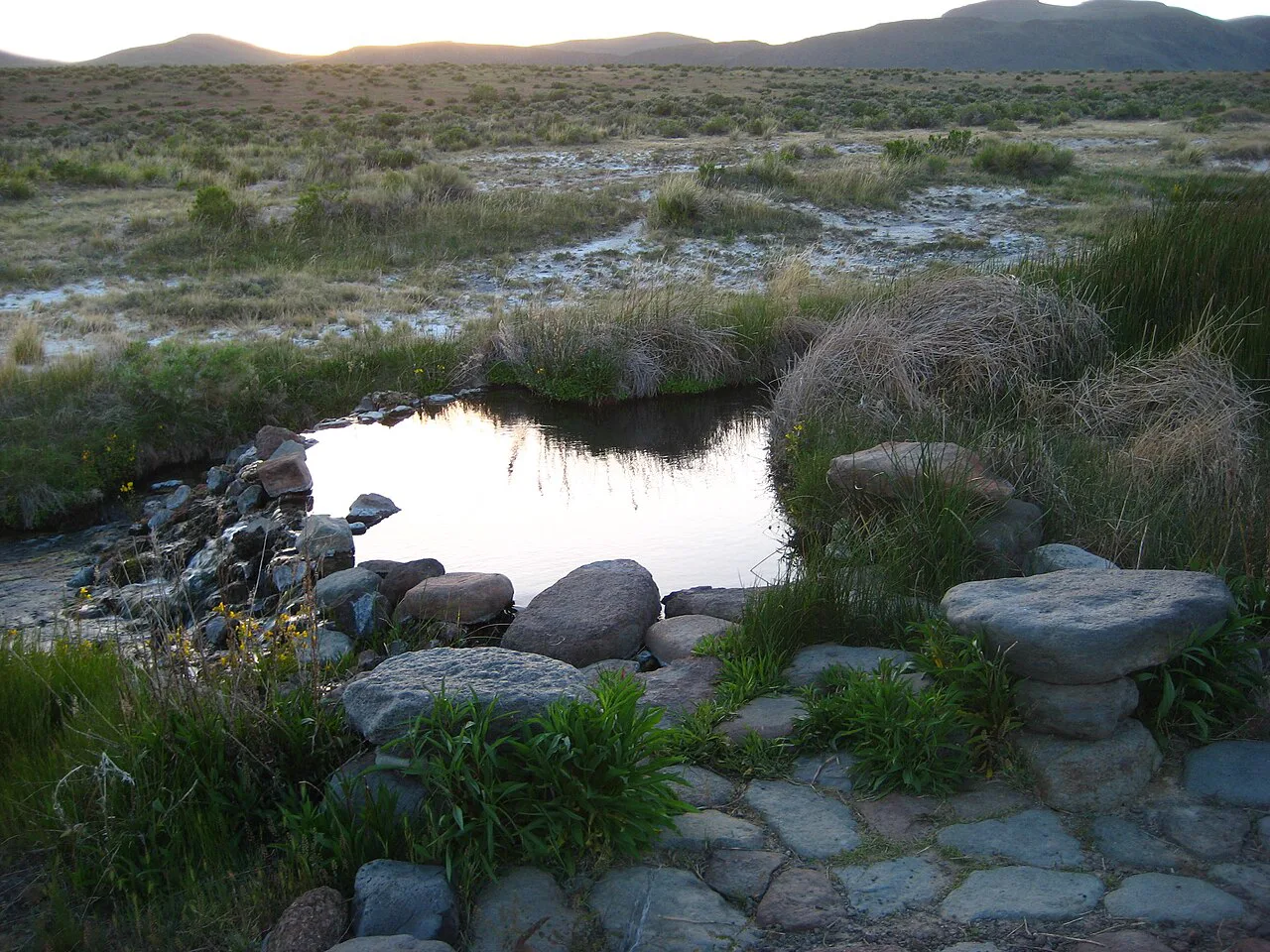
Warm Springs Natural Area protects 1,250 acres near Moapa, where more than two dozen springs feed rushing streams and lush wetlands. This is a different experience from a stock tank in a valley: you come for the water and the bird life in a desert oasis, not for a lined soaking pool with a bench. It pairs naturally with a southern Nevada itinerary built around the spring-fed country north of Las Vegas.
How to plan a loop that combines two or three springs
The efficient pattern is one anchor spring per night with a second within an hour's drive. Spencer and Bartine both sit off the Highway 50 corridor near Austin, which makes them a natural pair: soak at Spencer in the afternoon, camp or lodge near Austin, then hit Bartine the next morning while the ground is still firm. Fish Lake Valley works as its own overnight because the county park lets you camp where you soak.
Trego and Soldier Meadows belong to the Black Rock country out of Gerlach and need more vehicle and more time; give either one a full day rather than tacking it onto another stop. For a southern trip, Warm Springs Natural Area fits alongside the spring country north of Las Vegas, and Carson Hot Springs in Carson City, Nevada gives you a developed soak on the eastern Sierra side if you are coming from Reno.
Camping and lodging logistics
Camping splits along the same line as the springs. Fish Lake Valley's county park gives you campsites, running water and vault toilets, which makes it the easiest overnight for a first-timer or a family. Spencer and Bartine have no facilities, so you bring water, food and a plan for waste; Bartine in particular asks for a short muddy walk with your gear.
| Spring | Camping | Amenities |
|---|---|---|
| Fish Lake Valley hot well | Campsites in a county park | Running water and vault toilets |
| Trego | Park-and-walk; a flat spot in the dirt | None |
| Soldier Meadows | Campground | — |
Trego is a park-and-walk spring with no amenities at all, so a self-contained vehicle and a flat spot in the dirt are the extent of your camp. For a softer night, base in Austin or Hawthorne and drive out to the springs, which also lets you wait for the day's heat to ease before soaking.
What to bring on a developed soak versus a public-land soak
At a developed soak, pack like a pool day plus a little insurance: swimsuit, towel, sandals for slick concrete, and a mat or flip-flops for the changing area. Add a thermometer if you want a real reading rather than a guess, since water temperature varies from visit to visit and a website figure may not match what you find.
For a public-land spring, add drinking water, snacks, a tarp or ground cover for muddy edges, and a spare tire that is actually inflated. At Trego and Bartine, ground cover is the difference between a pleasant soak and a cold, muddy change afterward. A four-wheel-drive vehicle matters at Trego, and does not at Spencer or Fish Lake Valley.
Leave No Trace at primitive springs
At Spencer, Trego and Bartine, everything you bring in comes back out, including food scraps and wet clothing wrappers. Use the existing plank, deck or carpet rather than building new seats or fire rings, and keep soap and sunscreen out of the water. Park on established pullouts, since widening a muddy track damages the ground for the next visitor.
Best time to go and how crowds differ
Crowds thin with distance from the cities. Spencer and Fish Lake Valley see steady traffic, so arrive early in the day or soak on a weekday; Fish Lake Valley's pool fills quickly given its capacity of six to nine people. Bartine's three seats mean a group ahead of you can shut you out for a while, so plan your visit for a quiet hour.
Bartine's approach road and the walk to the tub are awful when wet, so dry weather is the practical window there.
The ground is the seasonal variable more than the water. Bartine's approach road and the walk to the tub are awful when wet, so dry weather is the practical window there, and Trego's rugged dirt roads reward a vehicle suited to them. Desert afternoons make early morning and evening the better soaking hours across the state.
Plan Your Soak
Build the trip around one spring that matches your vehicle and your appetite for facilities. If you want campsites, running water and vault toilets, Fish Lake Valley is the obvious pick; if you want a stock tank at sunset with a spare tire in the trunk, Spencer is the easy entry point; if you want a stone tub with a view and don't mind mud, Bartine earns the drive.
Whatever you choose, confirm conditions with the land manager before a long drive, especially for the Black Rock Desert routes. Then pack for the soak you picked: pool gear and a thermometer for developed water, ground cover, water and a self-contained camp for the primitive ones. For every soak in the state, start with our guide to Nevada hot springs.
Frequently Asked Questions
What is the difference between a Nevada hot springs resort and a public-land soak?
Developed soaks pipe spring water into concrete pools, stock tanks or stone tubs with lined bottoms and some seating, and the best of them sit in county parks with campsites, running water and vault toilets. Public-land soaks are natural ponds or ditch-like pools with muddy or sandy bottoms, wider temperature swings and no facilities, so you bring everything and pack it out.
Which Nevada hot springs have campsites and facilities?
Fish Lake Valley's hot well sits in a county park with campsites, running water and vault toilets, making it the most comfortable overnight base. Soldier Meadows pairs its hidden springs and warm creeks with a campground. Spencer, Trego and Bartine have no facilities, so you need a self-contained vehicle and camp setup.
Do you need a 4x4 to reach Nevada hot springs?
Not for all of them. Spencer is reached by gravel road from Highway 376 with no four-wheel drive needed, and Fish Lake Valley is similarly accessible on gravel. Trego's dirt roads are rugged and all-wheel drive or a four-by-four is the sensible choice. Bartine is easy in dry weather and poor when the ground is wet.
How hot is the water at Nevada hot springs?
Source water can be far hotter than the pools you sit in. Spencer's spring emerges at nearly 150 degrees and the pools cool it to a comfortable level, while Bartine has been noted around 102 degrees. Aim for the high 90s to low 100s, treat anything above 104 as risky, and keep your head above untreated geothermal water.
Which Nevada hot springs work as a day trip from Reno or Las Vegas?
From Reno, Spencer and Bartine along the Highway 50 corridor make a long but workable day or an overnight near Austin. From Las Vegas, Warm Springs Natural Area near Moapa is the closest developed spring-and-wetland stop, and the Black Rock country out of Gerlach takes considerably more time and vehicle preparation.
Can you combine several springs in one road trip?
Yes, if you anchor one spring per night. Spencer and Bartine pair naturally off the Highway 50 corridor near Austin, and Fish Lake Valley works as its own overnight because you can camp where you soak. Trego and Soldier Meadows each deserve a full day rather than a quick add-on.
Sources
Hot springs notes for your next road trip
Optional updates when we add or revise hot springs guides.
You might also like
Continue reading
More guides you'll find useful
.jpg)
.jpg)