
Willow Creek Hot Springs, Oregon: Plan Your Remote BLM Soak
Willow Creek Hot Springs is a remote BLM soak on Oregon's high desert. Plan the gravel drive, the four-site campground, and a quiet southeastern soak.
On this page
Willow Creek Hot Springs rewards the kind of traveler who treats the drive as part of the trip. The spring sits on Bureau of Land Management land in Oregon's sparsely settled southeast, and reaching it means highway miles followed by a long gravel run on Whitehorse Road. It suits road trippers with a full tank, a spare tire, drinking water and a tent, not travelers chasing a roadside pool.
Why Willow Creek Hot Springs Is Worth the Drive
This is a high-desert soak in the BLM Vale District, set at 4,596 feet where the country is wide open and the weather shifts fast. The appeal is the combination of a primitive spring and a small campground right at the site, so you can soak and then sleep without driving out in the dark. It rewards a night or two rather than a quick stop.
Come for quiet and self-reliance rather than amenities. Camping runs all year and welcomes all ages, with tents listed among the options, and vault-style toilets serve the site. Those basics are the draw: you get a place to pitch a tent and a hot soak without a resort in sight. If you want showers, a lodge and a menu, look elsewhere on the Oregon hot springs circuit.
Where the Spring Sits South of Vale
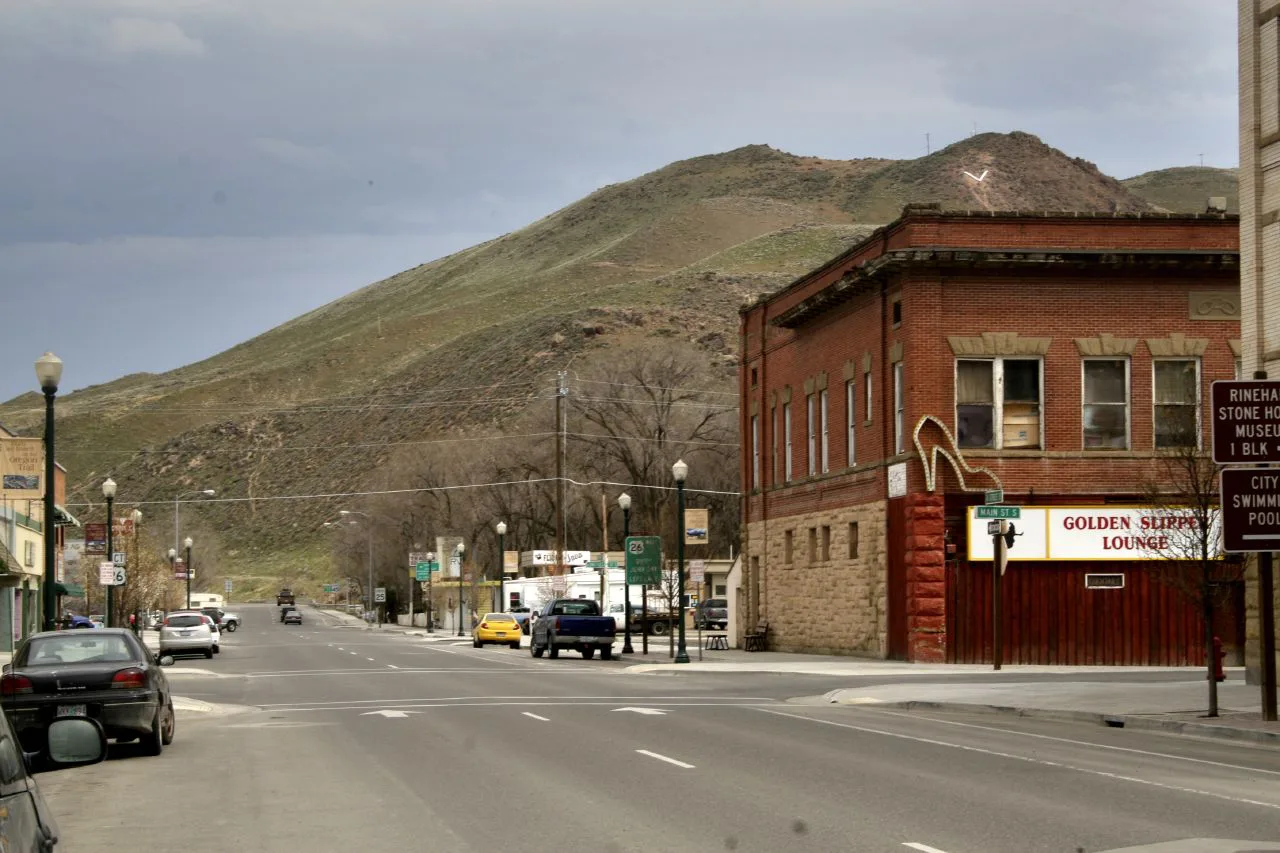
The spring is on BLM land in Oregon's sparsely settled southeast, in the Alvord Hot Springs corner of the state. The BLM's Vale District office administers the site, and the spring is described as a remote BLM soak in southeastern Oregon.
Services are scarce once you leave the pavement, so plan your fuel and groceries before the turn onto Whitehorse Road. The spring is far enough from any city that it works best as an overnight stop on a longer southeastern Oregon loop.
Getting There on US Highway 95 and Whitehorse Road
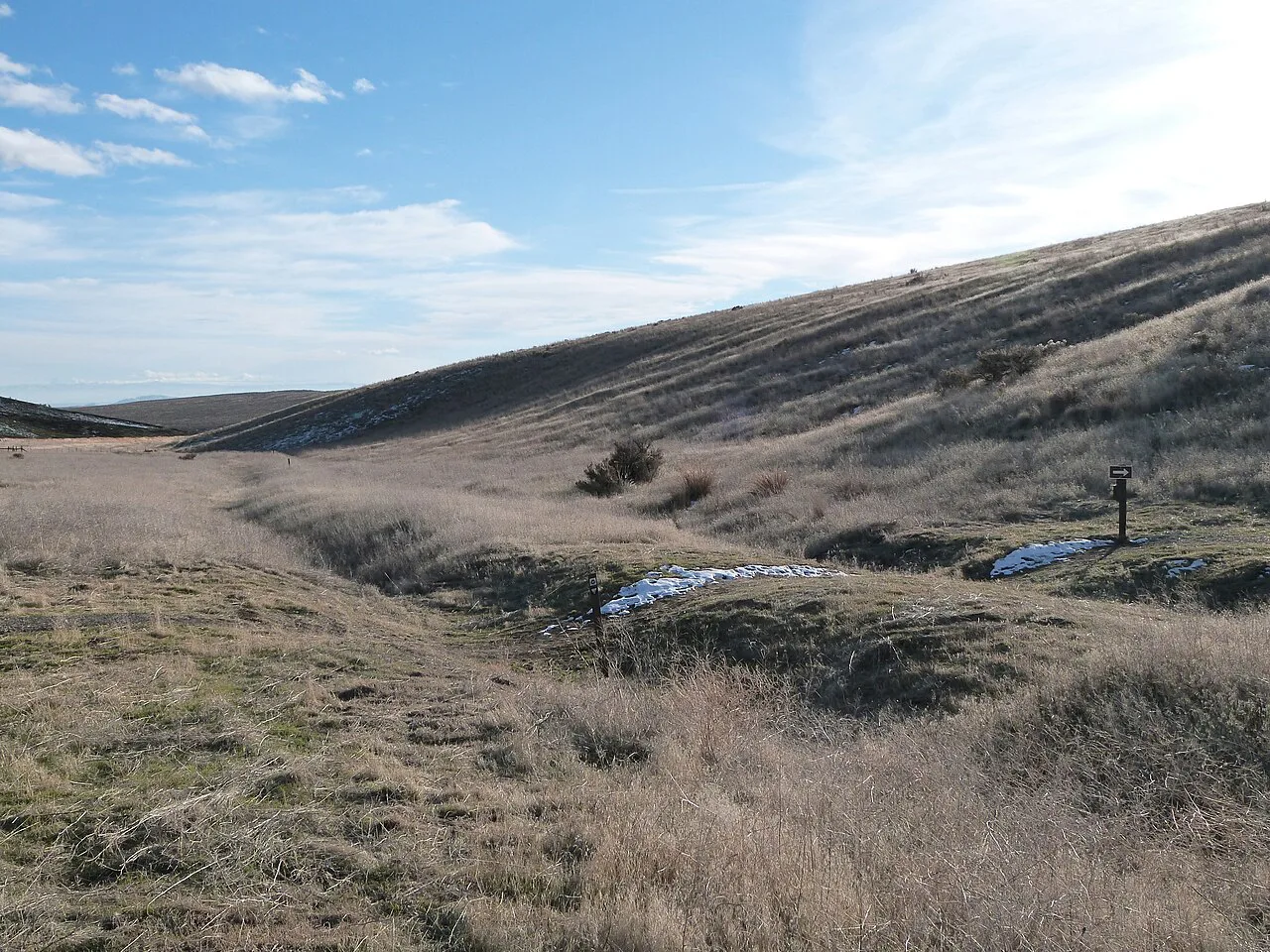
From US Highway 95, 20 miles south of Burns Junction, turn southwest onto Whitehorse Road and follow it about 21 miles. Then turn south for roughly 2.5 miles to the site. Those last miles are unpaved high-desert road, so a vehicle with decent clearance is the sensible choice and a full-size spare belongs in the plan.
The longest leg is the Whitehorse Road run, and it is where the trip's timing gets decided. Carry water, food and a paper or offline map, and top off the tank in Vale or another town before you commit to the gravel. Drive the final spur slowly, watch for livestock and loose gravel, and park clear of the road so another rig can pass.
Road Conditions and the High-Desert Elevation
At 4,596 feet, this stretch of Oregon gets snow, mud and wind that lowland forecasts won't hint at. The campground is listed as open all year, but that describes the site's status, not the condition of the gravel roads on any given day. Winter and early-spring trips can mean slush, rutted mud or drifted snow on the Whitehorse Road approach.
Call the BLM Vale District office before a cold-season trip to learn how the access roads are running and whether anything at the site is closed.
Call the BLM Vale District office before a cold-season attempt to learn how the access roads are running and whether anything at the site is closed. Summer brings the opposite problem: heat, dust and sun with little shade, so time your arrival for cooler hours. In any season, tell someone where you're going and carry extra water, since cell coverage in this country is patchy at best.
The Pools and What to Expect
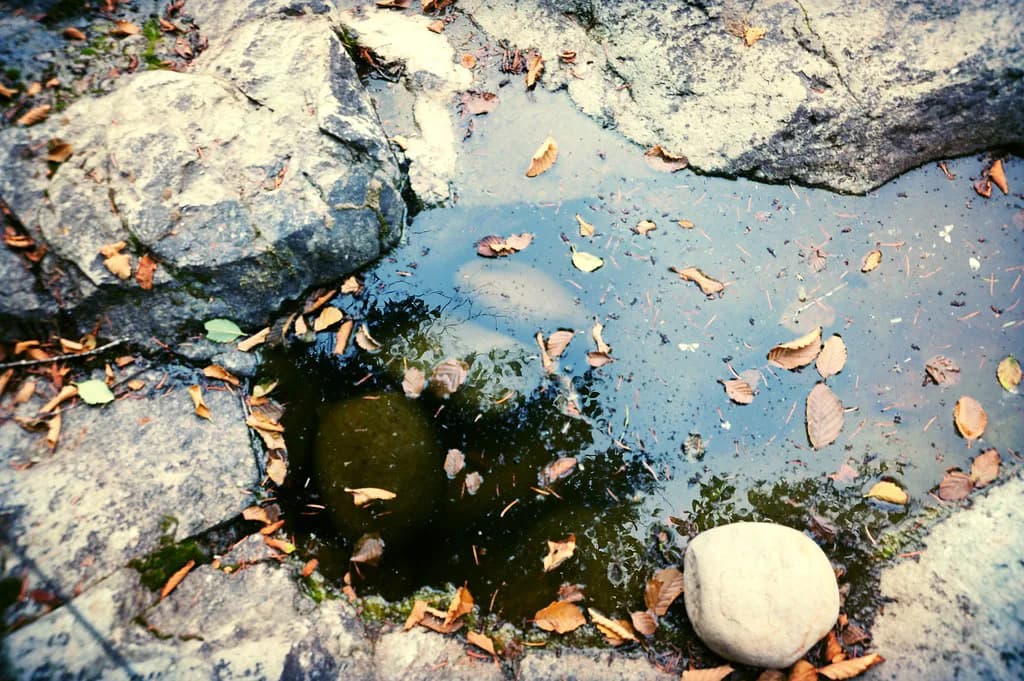
Willow Creek Hot Springs is a primitive soak on public land, not a developed pool with tile, lockers or a lifeguard. Expect to manage your own entry and footing, and to share the spring with whoever else has made the drive. The setting is the undeveloped high desert, so bring everything you need and take everything out.
Geothermal source water can be scalding where it emerges. Test it with a hand before you commit and ease in slowly.
Geothermal source water can be scalding where it emerges, so test with a hand before you commit and ease in slowly rather than plunging. Keep your head above water in untreated geothermal pools. Rock around mineral springs is often slick with algae and deposit, so sandals and a slow, deliberate entry are worthwhile.
Camping at the Four-Site Campground
The campground at Willow Creek Hot Springs holds just four sites, listed as open all year and open to all ages, with tents allowed. That small footprint means you should arrive with a backup plan: if the sites are full, you'll be looking at dispersed camping options or driving on. Toilets at the site are the main developed amenity.
Treat this as a self-contained camp. Bring your own water, a stove, shelter that handles wind, and a way to secure trash and food from wildlife. With only a handful of sites, group rigs and trailers should think hard before committing to the final spur. A small, quiet setup fits the place best.
Setting Up Camp in the Wind and Sun
The high desert here is exposed, so stake everything and orient your tent for wind before you unpack. Afternoon gusts are common, and a tarp or windbreak earns its weight. Sun is relentless at this elevation, which makes a shade structure and a wide-brimmed hat more useful than you'd guess from a valley forecast.
Nights cool off sharply even after hot days, so pack a warmer sleeping bag than the daytime temperature suggests. Store food in a sealed container, keep camp compact near the existing site and use the toilets rather than the open ground. A camp chair and a headlamp make the soak-and-sleep rhythm much easier.
Crowds and Timing at a Long-Approach Spring
The long gravel approach filters out casual visitors, which is why this spring stays quiet compared with roadside soaks nearer cities. Weekdays and shoulder seasons give you the best shot at having the campground and pool nearly to yourself. Holiday weekends are the exception, when four sites fill fast.
Aim for late spring or early fall, when days are mild and the roads are most likely to be dry. Midsummer works if you soak at dawn or dusk and spend the bright hours in shade or on the move. If you want a developed soak on the same trip, options like Austin Hot Springs along the Clackamas River lie in a very different part of the state and make better separate stops than a single day's detour.
What to Bring for a Primitive Soak
Pack for self-sufficiency: drinking water in jugs, food that needs no services, a stove, a first-aid kit, a shovel and a full-size spare. Add water shoes for slippery rock, a quick-dry towel, sun protection and a warm layer for after dark. A paper map and a charged power bank matter more than usual out here.
Leave glass at home and keep food and drinks away from the water's edge. Bring a bag for every scrap of trash, since there's no pickup service to rely on. For a longer Oregon soaking itinerary, Hunter's Hot Springs and Ritter Hot Springs sit in other corners of the state and plan best as their own stops.
Leave No Trace at a Remote BLM Soak
At a primitive spring like this, the ground around the pool wears quickly. Stay on established paths, keep camp on bare or already-used ground, and pack out every bit of trash, including food scraps. Use the toilets, keep soap and sunscreen out of the water, and leave the rocks and vegetation as you found them so the next visitor gets the same quiet site.
Nearby Springs and Stops for a Southeast Oregon Loop
Treat Willow Creek as one link in a southeastern Oregon circuit rather than a destination on its own. The Alvord Desert and Steens Mountain country lie to the west, and US 95 ties the whole loop together for travelers coming from Boise or central Oregon. If the loop tempts you to keep heading east, the Nevada hot springs are a natural next chapter of the same road trip. Build in fuel stops and carry enough supplies for the desert stretch on either side of the primitive camping.
If you're crossing the Cascades, Bagby Hot Springs in the Mt. Hood National Forest is a very different experience, with a developed bathhouse setting rather than open desert. Pairing the two on one trip means a lot of driving, so give each a full day. Keep the desert spring as a camping stop and the forest springs as day outings.
Staying Safe at the Spring and the Camp
Geothermal water can be scalding at the source, and the rock around it is often slick. Test the water before entering, keep your head above the surface in untreated geothermal water, and supervise children closely around both the pool and the camp. Carry more water than you think you need in this dry, high country.
Weather and road conditions in the high desert change quickly, so confirm current access with the BLM Vale District before you commit to the gravel. A quick call about road conditions and site status is the single most useful pre-trip step. Beyond that, rely on your own water, fuel and navigation rather than on services that may not exist out here.
Plan Your Willow Creek Soak
Willow Creek Hot Springs is a camping-first soak for travelers who like gravel roads, open country and a small site with the basics in place. Plan for the drive as much as the dip, and arrive with water, fuel, shelter and a spare tire.
Give it a night, go on a weekday, and treat it as one stop on a southeastern Oregon loop that may also take in Austin Hot Springs on the Clackamas River side of the state. The quiet is the point; arrive prepared and you'll get the most from it. For every soak in the state, start with our guide to Oregon hot springs.
Frequently Asked Questions
Where is Willow Creek Hot Springs in Oregon?
It sits on Bureau of Land Management land south of Vale in Malheur County, southeastern Oregon. The approach leaves US Highway 95 about 20 miles south of Burns Junction, then follows Whitehorse Road southwest and a short spur south to the site.
How do you reach Willow Creek Hot Springs from US Highway 95?
Turn southwest off US 95 onto Whitehorse Road, drive roughly 21 miles, then continue south about 2.5 miles to the spring and campground. The final stretch is unpaved high-desert road, so a vehicle with reasonable clearance and a full-size spare is the sensible setup.
Can you camp at Willow Creek Hot Springs?
Yes. The site has a four-site campground listed as open all year and open to all ages, with tents allowed and toilets on site. With so few sites, bring a backup plan for busy weekends and be ready to be self-contained for water, food and shelter.
Is Willow Creek Hot Springs a developed pool or a primitive soak?
It is a primitive soak on public land rather than a developed pool with staff or facilities. Expect to manage your own footing, share the water with other visitors, and carry out everything you bring in.
What is the elevation at Willow Creek Hot Springs?
The campground sits at about 4,596 feet, which means cooler nights, stronger sun and the chance of snow or mud on the access roads outside summer. Pack layers and be ready for fast weather changes.
What other hot springs are near Willow Creek Hot Springs?
Southeastern Oregon springs sit within a long day's drive, but many Oregon soaks lie far to the west. Hunter's Hot Springs, Ritter Hot Springs and Austin Hot Springs all work better as separate stops on a wider state loop than as quick side trips.
Sources
Hot springs notes for your next road trip
Optional updates when we add or revise hot springs guides.
You might also like



Continue reading
More guides you'll find useful




