

Austin Hot Springs, Oregon: Where to Stay Near the Clackamas
Austin Hot Springs on Oregon's Clackamas River is closed tribal land, patrolled and off-limits to the public. Here's what happened and where to soak instead.
On this page
Austin Hot Springs once drew attention for rock-walled pools tucked against the Clackamas River, roughly 35 miles southeast of Estacada in Clackamas County. Today the site is not a soak destination: it is closed tribal conservation land, and the pools are off-limits. If you found this spring while planning a Cascades road trip, the useful move is to understand what happened here and shift your plans to water you can legally visit.
This is public land-status information, not a route to the water. The site is private property managed by the Confederated Tribes of Warm Springs, patrolled by tribal staff and the Clackamas County Sheriff's Department, and trespassers face criminal citations. Read it as an update to cross off your list, then redirect your trip budget and driving time toward open alternatives.
Why Austin Hot Springs Draws Attention
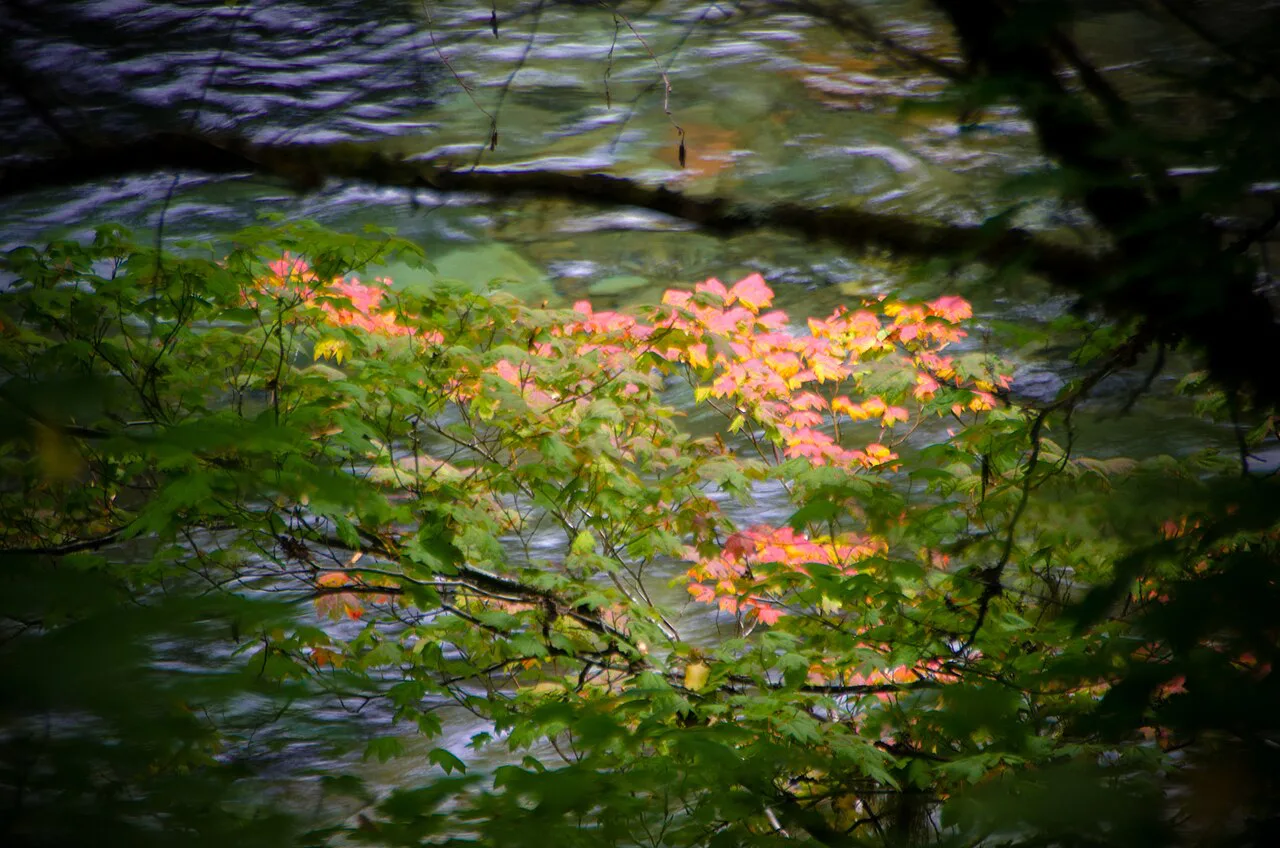
The appeal was easy to understand: geothermal water seeping through river rock and sand along a Cascade riverbank, with bather-built rock pools forming where the Clackamas runs past. That combination of a forest river and shoreline soak made the spot a name people search for again and again. It sits deep in the Clackamas River corridor, close enough to Portland for a long day out and far enough to feel removed.
That riverbank setting is also what makes the site fragile. The pools form and reform with river flow and floodplain conditions, so any structure at the water's edge is temporary and the ground around it stays wet, trampled and slow to recover. On a closed conservation property, that volatility and the people it attracts are the problem, not the draw.
Current Status: Closed to All Public Use
The Confederated Tribes of Warm Springs states plainly that Austin Hot Springs property is closed to all public use because of liability issues associated with the springs on the property, adding that the springs and the river are dangerous. The Tribes and the Clackamas County Sheriff's Department patrol the land, and trespassers will be cited for criminal trespass.
So the closure is not a soft seasonal gate or a matter of poor etiquette. It is a posted, enforced property restriction backed by a conservation program that manages the acreage for fish and wildlife habitat. Treat any trip planning that ends at these pools as a plan to trespass, with a citation attached.
Where It Sits on the Clackamas
The property occupies 151.7 acres of fresh water, riparian area, mixed conifer forest and grassland in Clackamas County, about six miles east of Ripplebrook Ranger Station and roughly 35 miles southeast of Estacada. That pins it along the upper Clackamas corridor within Mount Hood National Forest country, where the river road carries travelers toward campgrounds and trailheads rather than toward this closed site.
If you are driving the Clackamas River highway for scenery, fishing or other forest access, the location still matters: recognizing the stretch means you will not pull over hoping for a hidden soak. Keep moving through this section and plan any stops at open, established recreation sites along the corridor.
The Springs and Why the Water Is Dangerous
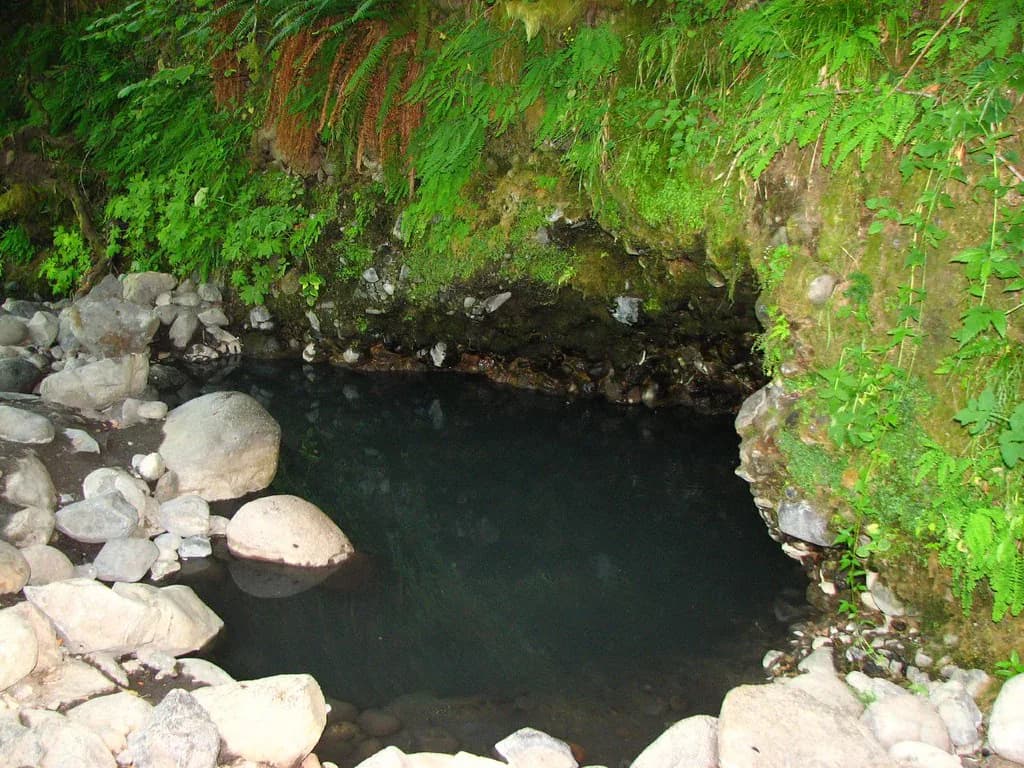
The geothermal water here moves through the river's rocks and sandy bottom rather than sitting in a controlled pool, and the source temperatures are extreme. Reports describe water sometimes exceeding 200 degrees Fahrenheit, hot enough to scald on contact, and Soak Oregon notes that several people have been severely burned at the spot. That is scalding-hot source water, not a comfortable soaking temperature.
The river adds a second hazard. Flows in the Clackamas change with snowmelt and rain, and the shoreline where the water emerges is uneven rock and sand. Even if access were allowed, anyone in water that hot next to a moving river would be taking a serious risk.
How the Land Changed Hands
The Confederated Tribes of Warm Springs acquired the property in 2017. The Tribes identified the Austin Hot Springs Conservation Area as a Willamette Wildlife Mitigation Program site and manage it as protected habitat for fish and wildlife, with a completed management plan covering access, riparian vegetation and the floodplain around the springs.
The site is also a sacred place for numerous Native American peoples, which shapes how the land is treated as much as wildlife habitat does. The acquisition was made for conservation purposes, not recreation, and the management plan exists to repair the ground and the water's edge rather than to host visitors.
Enforcement on the Ground
Visitors who arrive at the property should expect active enforcement rather than a warning. Tribal conservation staff and the Clackamas County Sheriff's Department patrol the property, and the posted status is criminal trespass for anyone who enters. That means a citation or worse on a day you meant to spend soaking.
The property is patrolled, and trespassers can be cited for criminal trespass, so skip the stop entirely.
The practical reading is simple: skip the stop entirely and do not walk down to the river or the springs to look. A closed conservation property is not the place to test whether enforcement is present that day.
Restoration Work and the Access Outlook
The Tribes' management plan includes actions to address access, riparian vegetation and the floodplain around the hot springs, and a restoration project will be planned and completed in the coming years to deal with the site. Access would be addressed only after restoration is complete and riparian conditions have recovered.
Even then, the property page describes future public access to the springs as improbable given the liability concerns. Plan around this site rather than waiting for a reopening announcement.
There is also a history of abuse to account for: signs and fences broken, trash left, long-term camping and human waste at a place the Tribes did not buy to provide facilities or services. Restoration is the priority, and the payoff is a healthier river corridor, not a rebuilt soaking spot.
Alternatives Along the Clackamas Corridor
If the Clackamas road is already in your plans, build the day around what the corridor offers openly: forest scenery, river access where recreation sites allow it, and trails into the surrounding national forest. Confirm conditions with the ranger district before you drive out, since the upper river country sees seasonal road and fire effects.
If your goal is soaking in the Cascades, plan the trip around an open, known spring instead of hunting for a riverbank pool. Our guide to hot springs in oregon covers Oregon's springs by region, access type and season so you can match a legal soak to the rest of your route. If your road trip crosses the Columbia River, the Washington guide covers open soaks north of the border the same way.
Open Oregon Soaks Within a Day of Portland
East of Portland in Mount Hood National Forest, Bagby Hot Springs is the long-running forest bathhouse option, where a developed, maintained setting with soaking tubs replaces a primitive shoreline soak. Confirm road and facility conditions with the managing ranger district before you drive out.
For a wide-ranging loop, Umpqua Hot Springs near Umpqua National Forest pairs well with a southern Oregon road trip, and Hunters Hot Springs stretches into the state's drier eastern side where soaking days tend to be longer. Both require their own access planning and conditions checks before you commit.
Two more to consider when you want open land and a long, quiet drive: Willow Creek Hot Springs sits in far eastern Oregon, and Ritter Hot Springs spreads across the high desert near the Middle Fork John Day River.
Timing a Cascades Soak
In the Oregon Cascades, late summer and early autumn treat you best: rivers run at summer-fall levels, forest roads have dried out, and access routes are less likely to be blocked. Snowmelt season means swift water and cold weather, and winter can shut forest roads entirely, so plan the trip for the shoulder of the high season instead.
What to Bring to a Forest Spring
For a primitive forest soak, pack water shoes for slick, shifting rock and sandals for the trailhead. Bring something to sit on, a dry change of clothes, and your own water for hydration. Never submerge your head in untreated geothermal water, and test any pool's temperature at the edge with your hand before you get in.
Leave No Trace at Hike-In Springs
At hike-in springs, carry out everything you bring in, including trash and soapy water, and skip glass entirely. Stay on the established path and use the built-up fire ring where the site has one. If the spring shares its shore with private land, keep to the public side and respect the boundary.
Plan Your Oregon Soak
Austin Hot Springs is closed tribal conservation land managed by the Confederated Tribes of Warm Springs, and the property is patrolled with citations for trespassers. The right move for your trip is to cross it off and steer your soak toward open springs elsewhere in Oregon.
Frequently Asked Questions
Is Austin Hot Springs in Oregon open to the public?
No. The Confederated Tribes of Warm Springs state that the Austin Hot Springs property is closed to all public use because of liability issues tied to the springs, and both tribal staff and the Clackamas County Sheriff's Department patrol the land.
Who owns Austin Hot Springs?
The Confederated Tribes of Warm Springs own the 151.7-acre property, which they acquired in 2017. They manage it as a conservation area through the Warm Springs Conservation Lands Program.
Why is Austin Hot Springs closed?
The Tribes cite liability issues with the hot springs and describe the springs and the river as dangerous. The property is run for fish and wildlife habitat and restoration, not public recreation.
What happens if I visit Austin Hot Springs?
The property is patrolled, and trespassers can be cited for criminal trespass. Entering the land or walking down to the springs is a legal risk, so plan a different destination.
Where is Austin Hot Springs located?
It sits in Clackamas County, about six miles east of Ripplebrook Ranger Station and roughly 35 miles southeast of Estacada, along the Clackamas River corridor within Mount Hood National Forest country.
Will Austin Hot Springs ever reopen?
The Tribes describe future public access to the springs as improbable because of liability concerns. Access will be addressed only after the restoration project is finished and riparian conditions have recovered.
What should I soak in instead near Portland?
Bagby Hot Springs in the Mount Hood National Forest is the established option east of Portland, and southern and eastern Oregon springs like Umpqua and Hunter's Hot Springs work for longer road trips. Check road and facility conditions with the managing ranger district before you go.
How hot is the water at Austin Hot Springs?
The spring water has been reported above 200 degrees Fahrenheit at the source, hot enough to scald on contact. That extreme source temperature sits behind the Tribes' warning that the springs and river are dangerous.
Sources
Hot springs notes for your next road trip
Optional updates when we add or revise hot springs guides.
You might also like



Continue reading
More guides you'll find useful


.jpg)
.jpg)