
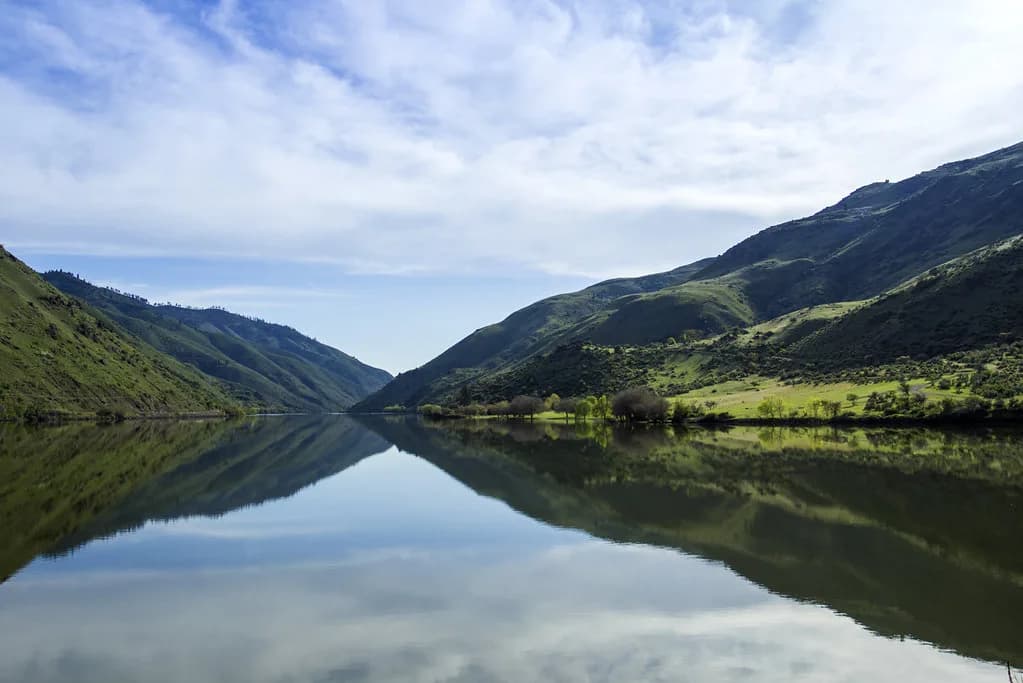
Juntura Hot Spring, Oregon: Primitive Soak Guide
Juntura Hot Springs is a primitive island soak on the Malheur River in southeast Oregon. Plan the river crossing, seasonal timing, camping, and nearby springs.
On this page
Juntura Hot Springs earns the drive because it sits where few soaks do: on a small island in the Malheur River, in the wide sagebrush country of southeast Oregon near the Idaho line. It suits self-sufficient travelers who already own a capable vehicle, carry their own water, and treat a river crossing as part of the plan rather than an obstacle to route around. This is not a resort soak with a parking lot and a changing room; it is a wild high-desert river stop for people who like their hot springs earned.
Where Juntura Hot Springs Is
The spring lies on the Malheur River near the small community of Juntura, in Malheur County in the high desert of southeast Oregon. Juntura sits along U.S. Highway 20 between Burns and Vale, which makes it a natural break on a cross-state drive or a deliberate detour on a desert road trip. From the highway, the soak is a short run to the riverside, and the final approach puts you at the water's edge with the pool on the far bank. Because it sits so close to the Idaho line, it also works as an easy first stop if you are working your way through the hot springs in Idaho on a longer cross-border trip.
Treat Juntura as one stop in a much larger desert spring circuit. The broader list of hot springs in Oregon splits neatly between Cascade forest pools and high-desert soaks like this one, and the southeast corner holds most of the remote, self-supported sites. That context matters when you plan fuel, water, and time, because services thin out quickly once you leave Highway 20.
Getting There
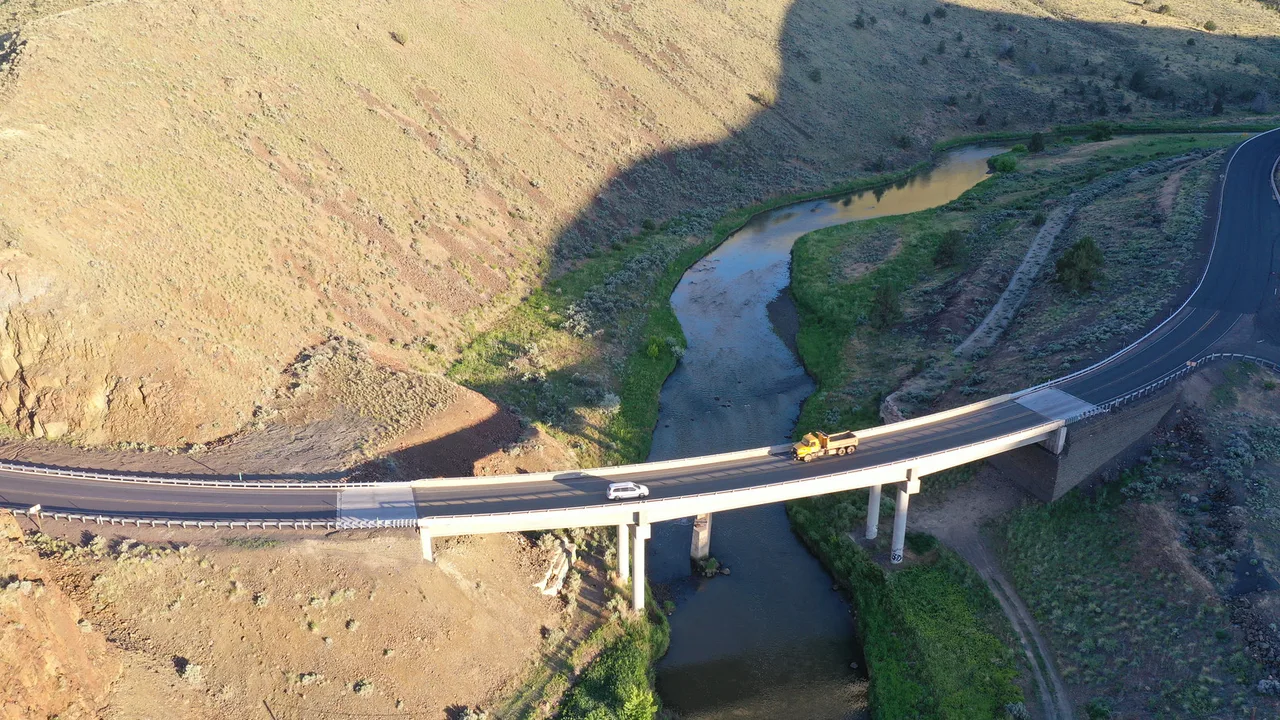
Plan your fuel and supplies around Burns to the west or Vale and Ontario to the east, since Juntura itself is tiny. The spring is close to the highway, so the drive in is straightforward; the difference between an easy day and a frustrating one is what you drive once you leave the pavement. A high-clearance vehicle gives you margin on the rough riverside track and lets you park with less worry about the return trip.
Use the coordinates for the spring area as a starting point but navigate by the river, not the pin. The pool sits on an island in the Malheur, so your real destination is the riverbank directly across from it, and the access track may branch in ways a phone map does not capture. Download an offline map, carry a paper backup, and arrive with daylight to spare so you can read the bank and pick your crossing point.
The River Crossing
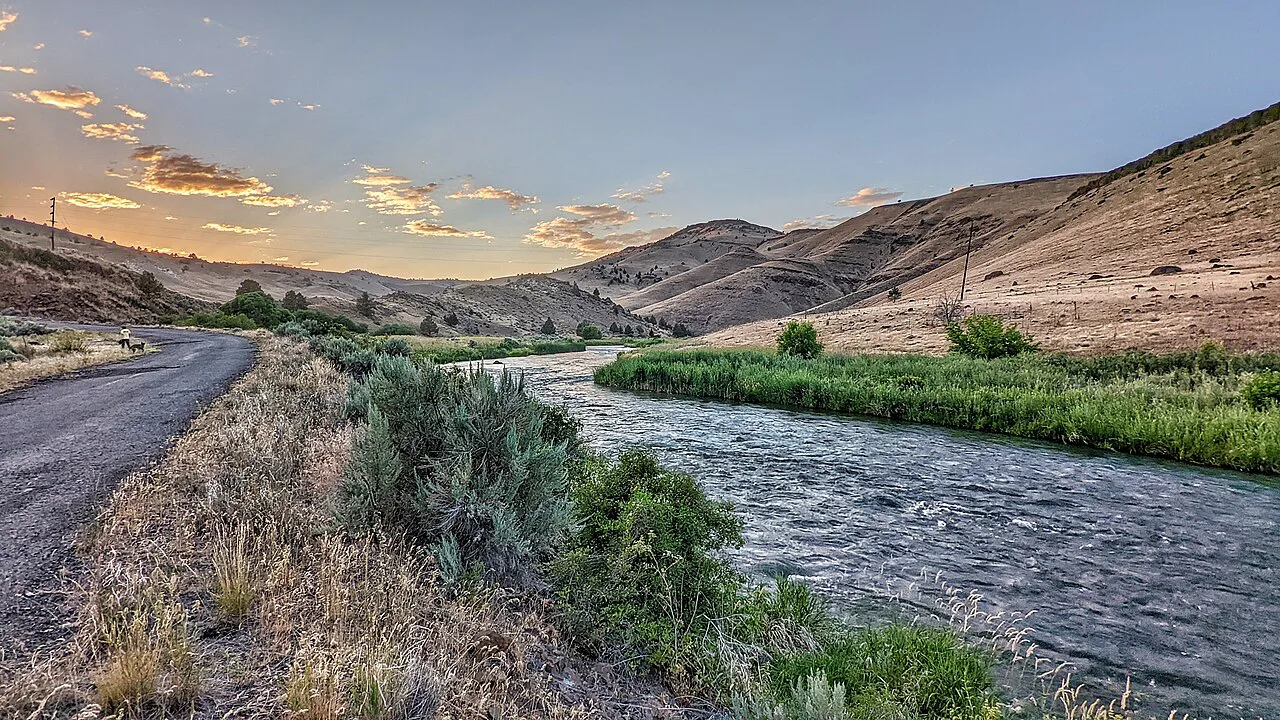
The Malheur River crossing is the hinge of the whole trip: Juntura Hot Springs is described as a primitive island pool that requires fording the river to reach. There is no bridge, no boat service, and no dry route, so the soak is only as accessible as the water is that day. If you are not comfortable wading a moving river with a pack, this spring is not the right one to cut your teeth on.
There is no bridge, boat service or dry route. Check the river gauge, and be willing to walk away if the water is pushing hard against your legs.
River levels drive everything. Spring snowmelt out of the surrounding ranges pushes the Malheur higher and faster, while late-season and winter flows typically drop enough to make a careful crossing far more reasonable. Check the river gauge and recent conditions before you commit, and be willing to walk away if the water is pushing hard against your legs.
Cross at a wide, shallow riffle rather than the narrowest pinch you can find, and keep your footing on the downstream side of each step. Wear shoes that stay on in current, use a trekking pole or a sturdy stick for a third contact point, and put your phone and dry layers in a sealed bag before you step in. Cross back before you are tired or the light fades, not after.
The Pools
The soak is a single primitive island pool rather than a developed complex, set in the middle of the river with high-desert banks on either side. Expect an undeveloped edge, natural rock and river gravel, and no amenities beyond what you carry in. The appeal is exactly that: you sit in warm water with the Malheur moving past and nothing but sagebrush and rimrock in view.
Because the pool sits in the river channel, its character changes with flow and season. High water can submerge or cool the pool, while low water exposes more of the bank and concentrates the warm water. That variability is the trade-off for a truly wild soak, and it rewards travelers who build flexibility into their schedule rather than pinning a single day.
A popular photo of the main pool shows the kind of setting you are working toward: a compact pool at the river, ringed by rock and open sky. Use that image to calibrate expectations, not to navigate. The site is small and undeveloped, so plan on sharing it or finding it occupied on a nice fall weekend.
Water Temperature
The recorded temperature for the Juntura warm spring is 77°F (25°C), the maximum surface reading taken at the vent during the USGS/NOAA thermal springs survey conducted between 1965 and 1980. That figure is historical, not a live measurement, and it classifies the source as cool rather than hot. Plan for a warm-to-tepid soak fed by that source, not a scalding plunge.
Water downstream of a vent almost always runs cooler than the vent itself, so the island pool will feel milder than the recorded number depending on flow and mixing. In cold weather that makes for a pleasant, lingering soak; in the heat of summer it may feel like little more than a bath-temperature river eddy. Set expectations accordingly and let the season shape how long you stay in.
Best Time to Go
Fall through winter is the strongest window for Juntura. Lower river flows make the crossing more manageable, cool air makes warm water feel generous, and the high desert is at its most comfortable for hiking and camping. Fall also brings stable weather and fewer people than the summer peak, which matters at a site with room for only a handful of soakers.
Fall through winter is the strongest window, because lower river flows make the crossing more manageable.
Summer is the trade-off. Daytime temperatures in this part of Oregon routinely push past uncomfortable, the sun is relentless, and the river runs higher earlier in the season. If you go in summer, plan the crossing and soak for early morning, carry more water than you think you need, and build shade into your setup. Winter trips demand real cold-weather gear and a hard look at road and river conditions before you leave.
Camping and Lodging
Camping near Juntura is a self-supported affair. Primitive camping is available in the surrounding public land and along the river corridor, and the nearby high-desert springs circuit includes free camping options, but nothing at the pool itself is developed. Bring a fully self-contained setup, pack out everything, and choose a previously used site rather than trampling fresh ground.
For a bed and a hot shower, look to Burns to the west or Vale and Ontario to the east. Burns is the larger service town on the Oregon side and makes a sensible base for a multi-spring loop; Ontario offers motels and services near the Idaho line. Book ahead in fall hunting season, when rooms in this corner of the state fill up.
What to Bring
Pack for a river crossing and a desert soak at the same time. River shoes that strap on, a dry bag for phone and layers, a trekking pole, and a quick-dry towel cover the soaking side; a wide-brim hat, sunscreen, and more drinking water than you expect to need cover the desert side. There is no potable water at the site, so treat every drop as something you carried in.
Bring layers even on a warm day, because the high desert swings hard between sun and shade and cold once the sun drops. A shade tarp or umbrella makes a hot afternoon bearable, and a small stove lets you eat without relying on a fire in dry, windy country. Leave glass at home entirely.
Leave No Trace at a Primitive Soak
This is a wild site with no staff and no bins, so everything you bring in comes back out, including food scraps and gray water. Keep soap, shampoo, and sunscreen residue out of the pool and use a bottle of clean water for rinsing away from the river. Stay on established paths to the bank, keep groups small, and leave the island looking as though you were never there.
Nearby Springs to Combine
Juntura rewards a loop rather than a single stop. The surrounding high desert holds Beulah Hot Springs in Agency Valley, where an active hot source with colorful bacteria supports a view but no soaking, and Luce Hot Springs further out in the same remote country. Warm spring number two near Juntura adds a second stop within a short drive if you want a full day of exploring rather than one soak.
If you are building a longer Oregon spring tour, the Cascade side of the state offers a completely different experience, from the cedar tubs of Bagby Hot Springs in Mt. Hood National Forest to the clothing-optional rock pools of McCredie Hot Springs along Salt Creek. Pair a desert loop with a forest loop on separate trips rather than trying to do both in one long weekend; the driving alone will eat your soaking time.
Plan Your Soak
Juntura Hot Springs is a trip for travelers who want a genuinely wild soak and are prepared to earn it with a river crossing. Go in fall or winter for lower water and comfortable temperatures, bring a high-clearance vehicle, carry your own water, and give yourself daylight and flexibility. Check river levels and road conditions with the local land manager before you commit, then build the drive around the other desert springs nearby. For every soak in the state, start with our guide to Oregon hot springs.
Frequently Asked Questions
Where is Juntura Hot Springs?
It sits on the Malheur River near the small community of Juntura in Malheur County, southeast Oregon, close to U.S. Highway 20 between Burns and Vale. The pool is on an island in the river, so you park near the bank and wade across rather than walking up to the water.
Do you have to cross the Malheur River to reach the pool?
Yes. The soak is a primitive island pool, and reaching it requires fording the Malheur River. River levels change with season and snowmelt, so a crossing that is easy in fall can be too high and fast in spring. Wear shoes that stay on in current and use a pole for stability.
How hot is Juntura Hot Springs?
The recorded source temperature is 77°F (25°C), taken at the vent during a historical federal thermal springs survey. That is a warm reading rather than a hot one, and water in the island pool runs cooler than the vent because it mixes with the river. Expect a mild soak, especially in summer.
When is the best time to soak at Juntura Hot Springs?
Fall through winter is the best window. River flows are typically lower, which makes the crossing more manageable, and cool air makes the warm water feel generous. Summer brings high heat, intense sun, and higher early-season flows, so plan any summer visit for early morning and carry extra water.
Is there camping near Juntura Hot Springs?
Primitive camping is available in the surrounding public land and along the river corridor, but nothing at the pool is developed. Bring a fully self-contained setup and pack out all waste. For a bed and a shower, use Burns to the west or Vale and Ontario to the east as a base.
Which hot springs are near Juntura, Oregon?
Beulah Hot Springs in Agency Valley and Luce Hot Springs are the closest desert neighbors, and a second warm spring near Juntura sits within a short drive. Beulah has an active hot source but no soaking, so treat it as a viewpoint. Combine several stops into a loop rather than a single out-and-back.
Sources
Hot springs notes for your next road trip
Optional updates when we add or revise hot springs guides.
You might also like



Continue reading
More guides you'll find useful



