
Hot Springs in Eastern Oregon: Where to Soak and How to Plan
Plan an Eastern Oregon soaking trip, from the Willow Creek pools near Fields to Crystal Crane near Burns, with drive times, camping and road-trip pairings.
On this page
Eastern Oregon is high desert on a big scale: sage flats, rimrock canyons and small towns spaced far apart, with hot water surfacing in places that feel genuinely remote. The payoff for the drive is a soak under enormous sky, often with the spring almost to yourself on a weekday morning. This guide covers the two anchors of a soaking trip in Harney County and the surrounding country, then shows how to string them into a loop.
Expect to plan around fuel and daylight rather than around crowds. Towns are small, services thin out fast, and the distance between springs is measured in hours, so a sensible trip pairs one soak with nearby stops instead of chasing several in a day. If you are widening the search beyond the southeast, the broader guide to hot springs in Oregon covers the rest of the state, including Forest Service soaks in the Cascades.
Why Eastern Oregon suits a soaking road trip
The region's springs come in two useful shapes: primitive soaks tied to a campground, and small developed resorts with ponds and cabins. That split makes Eastern Oregon easy to plan as a road trip, because you can alternate a rough night out with a comfortable one without leaving the high desert. It also means the character of your trip changes with each stop rather than repeating. Travelers weighing this same primitive-versus-developed trade-off elsewhere will find a comparable mix in the guide to hot springs in Idaho.
Distances are the real constraint. A spring that looks close on a map can sit at the end of a gravel road an hour from pavement, and the nearest town may have one gas station with limited hours. Build your day around filling the tank in a town like Burns or Fields, then driving out and back in daylight.
Willow Creek Hot Springs (Whitehorse): a campground soak near Fields
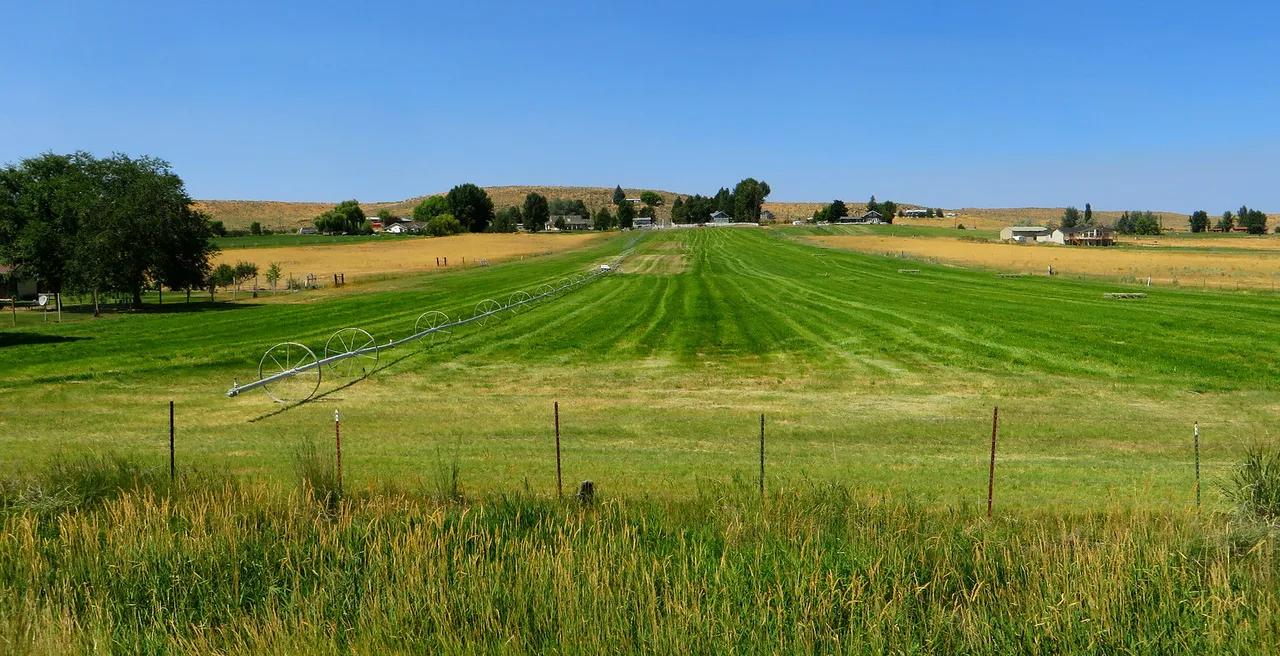
Willow Creek Hot Springs, also known as Whitehorse Hot Springs, sits off the beaten path near Willow Creek Campground outside the tiny community of Fields. That pairing is the appeal: you can camp at the campground and soak without a long drive between the two. Fields is the nearest outpost for supplies, so arrive stocked rather than counting on finding what you need at the spring.
This is a primitive, campground-style soak rather than a developed pool complex. Plan for gravel-road driving, bring your own water and layers, and treat the soak as the evening's activity rather than a stop with amenities. Because it is remote, a spare tire, a full tank and a printed map are worth more here than any app that drops out of signal.
Crystal Crane Hot Springs: the developed desert oasis outside Burns
Crystal Crane Hot Springs is the developed counterpart, a desert oasis about 25 miles southeast of Burns with soaking ponds, private tubs and cabins. That combination makes it the easier choice for travelers who want a hot soak without a rough road or a tent, and it works well as a base for exploring Harney County. The private tubs suit anyone who prefers a quieter soak, while the ponds give a more communal experience.
Burns is the practical hub: fuel, groceries, restaurants and the last full services before the desert opens up. Staying at the resort and driving into town for supplies is a straightforward routine, and it saves you from hauling everything you need for the whole trip. Book cabins ahead if you are traveling on a weekend or during a school holiday, when demand for the more comfortable options rises.
How the two compare: primitive soak versus developed pools
Choose Willow Creek if the point of the trip is remoteness and you are set up for self-sufficient camping. Choose Crystal Crane if you want predictable comfort, a range of water temperatures across ponds and tubs, and a bed at the end of the evening. Neither is the better spring; they answer different questions about how much roughing it you want.
A useful compromise is to do both in one loop: a developed stay outside Burns first, then a night at the campground near Fields once you are acclimated to the distances. If you are coming from the western side of the state, the guide to hot springs near Portland is a sensible starting point for the drive east.
Drive times and routing between the springs and the nearest towns
Treat drive times as estimates and add margin. The run from Burns southeast to Crystal Crane is short enough for an easy afternoon, but the leg onward toward Fields and the Willow Creek area is a much longer desert drive with few services. Fill up in Burns before you leave, carry water for the car as well as for yourself, and avoid arriving at a remote spring after dark on your first visit.
Fill up in Burns before you leave, carry water for the car as well as for yourself, and avoid arriving at a remote spring after dark on your first visit.
From Fields, the spring sits near the campground, so the final approach is a short drive once you are in the area rather than a highway run. Check road conditions with the managing land manager before committing to gravel in winter or after heavy rain, when surfaces can soften or wash out. Cell coverage is patchy across the whole corridor, so download offline maps before leaving town.
Camping and lodging: campground soaking versus cabins and private tubs
Camping at Willow Creek Campground keeps you next to the soak and suits tents, vans and self-contained rigs. Bring everything you need, including drinking water, a stove and warm bedding, because high-desert nights cool off quickly even after a hot day. Crystal Crane offers cabins and private tubs for travelers who want a bed, a shower and a reliable roof over the evening.
If you are combining springs with other parts of Oregon, the state's southern soaks work as a separate trip rather than an add-on to a Harney County loop. The guide to hot springs near Ashland covers that corner, and it is worth reading before you commit to a long southbound drive.
Best time to go and how seasons shape each stop
Spring and fall give the most comfortable balance in the high desert: mild days, cool nights and fewer travelers on the gravel roads. Summer brings strong sun and warm evenings that make an after-dark soak appealing, but the desert heat makes midday hiking and driving harder. Winter is for the prepared, with snow possible on higher ground and shorter daylight squeezing your margin for error.
Crowds follow the same pattern. Weekdays and shoulder seasons give you the quietest soaks, while summer weekends fill the developed pools and campground first. If you want the primitive spring to yourself, aim for a weekday morning and plan to move on by midday.
What to bring for a high-desert soak
Pack for three conditions at once: hot sun, cold nights and dry air. That means sun protection and a hat for the day, insulating layers and a warm hat for the evening, and more drinking water than you think you need. Bring a towel and a change of clothes in the car so you are not soaking wet on a long drive back to town.
Footwear matters more than it seems. Slick rock and muddy banks around springs make sandals a poor choice for getting in and out, so bring shoes with grip for the approach and keep a dry pair for camp. A headlamp, a basic first-aid kit and a paper map round out the kit for anywhere outside Burns.
Pairing springs with other Eastern Oregon stops on a multi-day loop
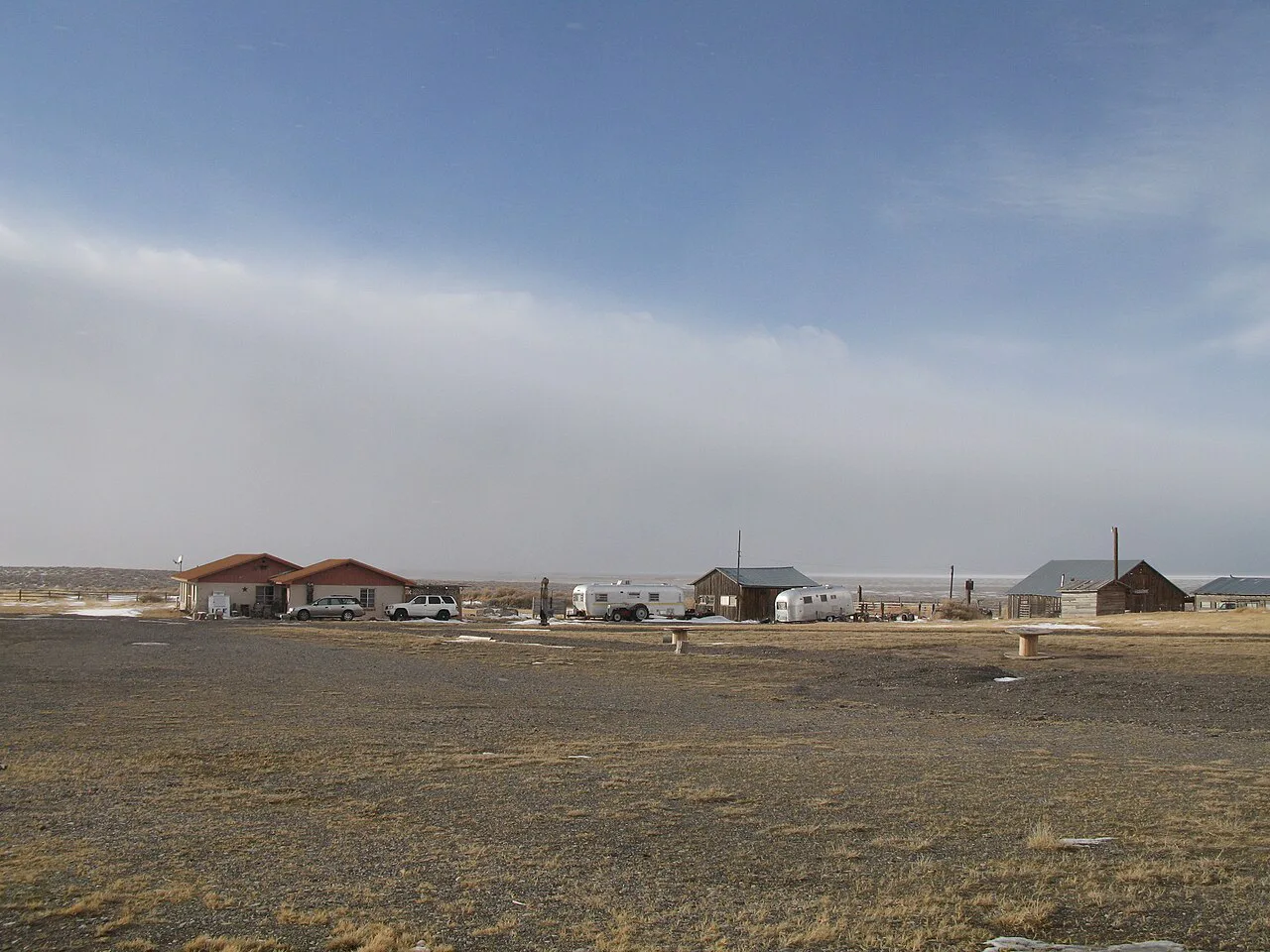
A three-day loop based on Burns works well: one night at the developed spring, a day driving the wide-open country toward Fields with a campground night at Willow Creek, then a return through Burns for fuel and food. Build in time for the scenery rather than treating the drive as dead time, because the high desert between stops is the point of the trip.
If you are extending the journey into the Cascades, the state's forest soaks make a natural second chapter. Bagby Hot Springs is the best-known example, and the guide to Bagby Hot Springs, Oregon explains what to expect from a developed Forest Service soak.
Staying safe around scalding source water and slick rock
Source water at geothermal springs can be far hotter than the pool it feeds, so test with a hand before committing and keep children and dogs away from the point where the water emerges. Rock around springs is often slick with mineral deposits and algae, so move slowly and use the shallow end first. Avoid submerging your head in untreated geothermal water, and step out if you feel lightheaded.
Source water can be far hotter than the pool it feeds. Test it with a hand before committing, and keep children and dogs away from the point where the water emerges.
Leave No Trace at the campground spring
At the primitive spring near Willow Creek Campground, pack out everything you bring in, including food scraps and wrappers that animals would otherwise investigate. Keep soap and shampoo out of the water, stay on existing paths to protect the vegetation around the source, and leave the site as you found it so the next camper gets the same experience. Camp in established spots and keep fires within any posted rules.
Plan Your Soak
The two springs give you a clean choice: primitive camping and a quiet soak near Fields, or a developed pond and cabin stay outside Burns with easy access to town. Pick the style that fits your gear and your appetite for remote driving, then build a loop that gives each stop a full evening. With fuel, water and daylight planned in advance, Eastern Oregon delivers some of the most spacious soaking in the West.
Frequently Asked Questions
Where is Willow Creek Hot Springs in Oregon?
Willow Creek Hot Springs, also called Whitehorse Hot Springs, sits off the beaten path near Willow Creek Campground outside the small community of Fields in eastern Oregon. Fields is the nearest place for basic supplies, so arrive stocked rather than counting on finding what you need at the spring.
How far is Crystal Crane Hot Springs from Burns?
Crystal Crane Hot Springs is about 25 miles southeast of Burns, Oregon. Burns is the practical hub for fuel, groceries and restaurants before you head out into the desert, and the drive is short enough to make an easy afternoon run.
Can you camp at Willow Creek Hot Springs?
The spring is paired with Willow Creek Campground, so you can camp close to the soak. Plan for a primitive setup with your own drinking water, stove and bedding, and pack out everything you bring in.
What is the difference between the two springs in this guide?
Willow Creek is a primitive, campground-style soak reached by gravel road, while Crystal Crane is a developed resort with soaking ponds, private tubs and cabins. Choose Willow Creek for remoteness and self-sufficiency, or Crystal Crane for predictable comfort and a bed.
When is the best time to soak in Eastern Oregon?
Spring and fall give the most comfortable balance of mild days and cool nights, with fewer travelers on the gravel roads. Summer is hot and busy on weekends, while winter demands flexibility for snow and short daylight.
What should you bring for a high-desert soak?
Bring sun protection, insulating layers for cold nights, more drinking water than you expect to need, and gripped shoes for slick rock around the springs. A towel and dry clothes in the car make the drive back to town comfortable.
Is Alvord Hot Springs clothing optional?
Rules vary from spring to spring in this part of Oregon, and each operator or land manager sets its own expectations. Read the posted rules at the site or contact the managing agency before your visit rather than assuming a policy.
What is the difference between a warm spring and a hot spring?
The distinction is generally about temperature: warm springs run close to body temperature, while hot springs emerge noticeably warmer and often need to be mixed or tempered before soaking। Check the posted temperature at a developed spring and test the water carefully at a primitive one.
Sources
Hot springs notes for your next road trip
Optional updates when we add or revise hot springs guides.
You might also like



Continue reading
More guides you'll find useful



.jpg)