
Summer Lake Hot Springs, Oregon: Soaking, Camping and Cabins
Plan a soak at Summer Lake Hot Springs in Oregon's high desert: three outdoor rock pools around 104°F, an indoor pool, plus RV sites and cabins near Paisley.
On this page
Summer Lake Hot Springs earns the drive with contrast: hot mineral water in rock pools at the edge of Oregon's high desert, cattle and juniper instead of traffic, and a night sky with almost nothing between you and the stars. It suits travelers who want a soak-and-stay base rather than a quick roadside dip, since the property pairs its pools with camping, guest houses and cabins on 145 acres.
The layout is simple to plan around: three outdoor rock pools of varying depth and temperature, plus an indoor swimming pool that runs in season. You soak, you walk the dirt paths toward the dry lake bed, and you settle in for a cold, clear night. Bring layers; this is high desert, not a valley spa.
What Summer Lake Hot Springs Is
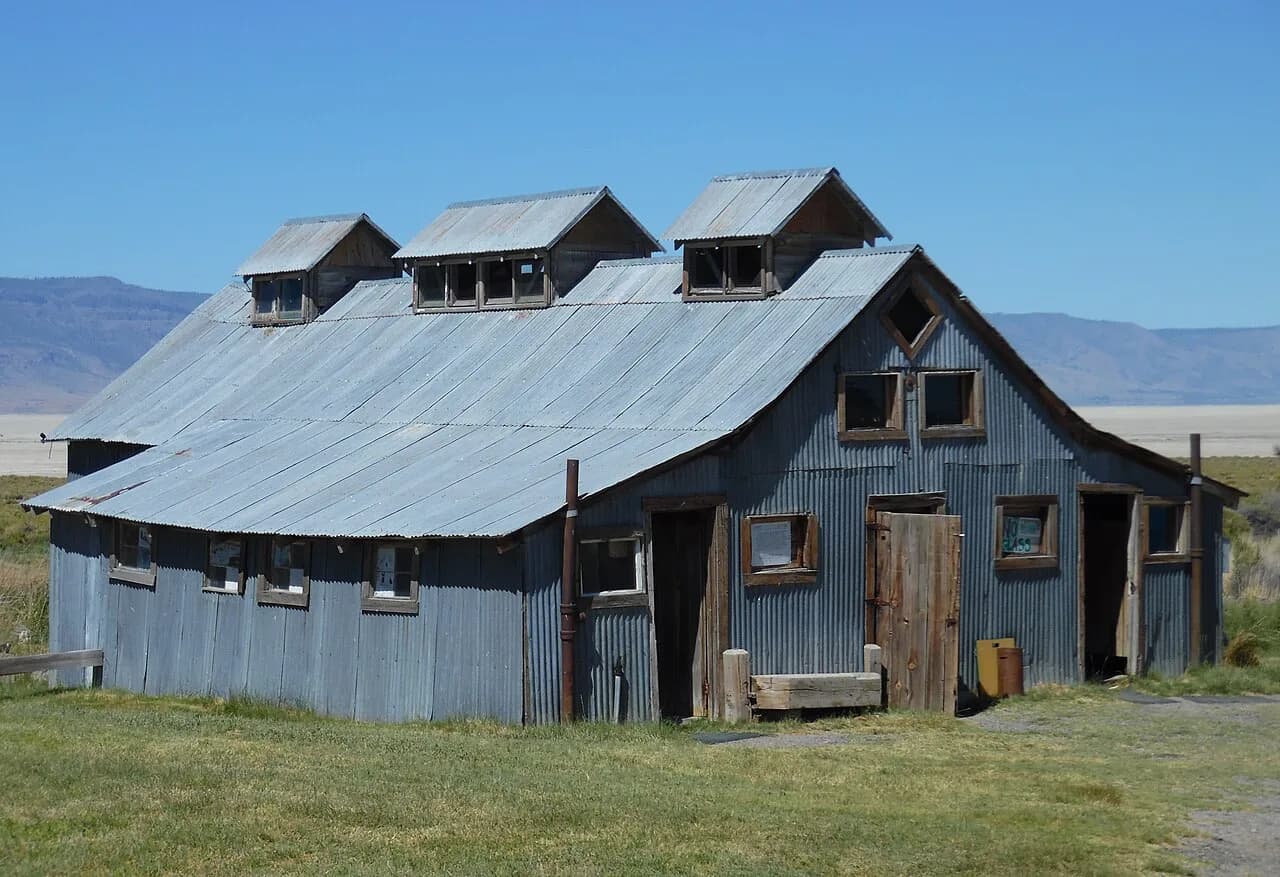
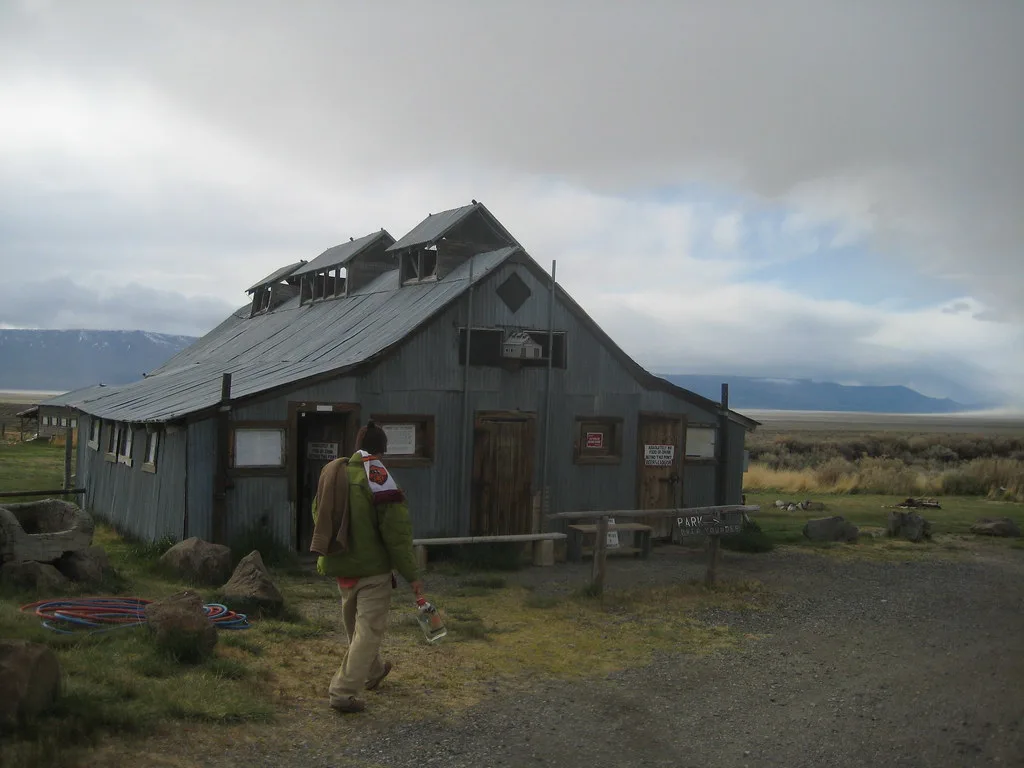
Summer Lake Hot Springs sits on Highway 31 near Paisley in the Southern Oregon Outback, a landscape of open valley floor, distant mountains and sagebrush flats. The address is 41777 Highway 31, Paisley, and the site anchors a 145-acre property where the soaking pools are the main draw. It is a rustic resort in the best sense: geothermal water, simple buildings and a lot of quiet.
Come here for the soak-and-stay combination rather than a polished day spa. The pools are rock-lined and outdoors, the grounds are dirt and gravel, and the appeal is walking out of your cabin or RV in the evening and stepping straight into hot water. It rewards travelers who like their hot springs unvarnished.
Getting There from Bend and Lakeview
From Bend, plan on roughly two hours southeast for the drive to the springs. Highway 31 runs through Paisley and past the property, making the final approach straightforward once you are on the highway. Fill your tank and pick up groceries before you leave the larger towns; services thin out along this stretch.
Travelers coming from Lakeview approach from the south along the same highway corridor, while those crossing from the Willamette Valley use the pass route and drop into the high desert near Silver Lake. Winter travel on this corridor means checking road conditions on the state highway before you commit; the pass can close. Carry water and a full spare either way.
The Pools
Three outdoor rock pools sit at different depths and temperatures, so you can pick your heat rather than commit to one tub. In a spring visit the outdoor water ran around 104°F, continuously fed through piping so fresh hot water keeps moving through the pools. Start in the cooler end of the range and work your way up.
The outdoor pools ran around 104°F in a spring visit, and the indoor pool was reported at about 98°F when running. Start in the cooler end and work your way up.
A seasonal indoor swimming pool adds a second option, reported at about 98°F when it is running. The indoor pool is drained outside its season, but guests still get the indoor changing rooms and showers in the building. That makes the indoor facility useful even in cooler months when the pool itself is closed.
The pools are outdoor rock basins, so edges are uneven and wet stone gets slick. Move slowly between tubs, keep your footing on the apron around each pool, and avoid submerging your head in untreated geothermal water. Hot water dehydrates you faster than you expect in dry desert air, so keep a water bottle within reach.
Soaking After Dark
The pools stay available through the day and night, and night is when this place separates itself from a typical resort soak. There is no light pollution to speak of, which makes the property a genuine stargazing stop once the sun drops. Plan at least one late soak with the lights off.
Bring a headlamp with a red-light setting. Red light is easier on other guests' night vision and less disruptive when people are soaking quietly in the dark. Walk the paths slowly, watch for uneven ground, and keep voices low around the pools after quiet hours.
Fees and Lodging
RV sites with full hookups were reported at $55 a night, with admission to the soaking pools included in that rate. Cabin and guest house rentals round out the options, along with tent camping on the property. For budget travelers, tent camping is the cheapest way to be on site; for comfort, a cabin puts you steps from the water.
Lodging comes deliberately low-tech: cabins have no television or WiFi, and the point is to soak, read, walk and sleep. Book directly through the resort and ask about current rates and pool access when you reserve, since prices change between seasons. If you want a connected stay, plan to use your phone as a hotspot or embrace the offline hours.
Facilities and Comfort
Indoor restrooms and showers are part of the package, with tile floors heated by geothermal energy, a real comfort when nights turn cold. The indoor pool building also holds changing rooms and showers that guests can use even when the pool itself is drained out of season. That combination makes the property workable for travelers who want a soak without full wilderness camping.
Expect rustic: gravel and dirt around the buildings, paths that get dusty in dry weather, and a setting that belongs to the high desert. Bring camp shoes for the walk between cabin and pool, and a towel you don't mind getting mineral-stained.
Rules to Follow
Glass is not allowed at the pools, so bring your drinks in cans, bottles or reusable cups and keep the pool apron barefoot-safe. Use the provided restrooms and changing rooms rather than improvising around the property. Kindness here means keeping noise low when other guests are soaking, especially after dark.
Dispose of trash in the bins and leave the property as you found it, since it functions both as a resort and as working ranch land. Dogs and other guests' space both matter; keep pets leashed and away from the pool edges unless the resort posts otherwise.
What to Bring and When to Go
Spring and early summer are the sweet spot: a late-April visit brought blue skies and temperatures in the 50s and 60s, which is excellent soaking weather without the midday heat of July. Summer afternoons push toward the 90s, making early mornings and late evenings the better pool hours. Fall cools things down again and keeps the crowds thinner.
Wind in this valley is a real planning factor. Pack a windbreak, stake your gear and do not count on shade structures.
Wind in this valley is a genuine planning factor. The same spring visit found the wind moderately relentless, enough that an awning went up and came down just as fast. Pack a windbreak, stake your gear, and don't count on shade structures; plan to spend your outdoor hours in the pools rather than under an awning.
Pack a red-light headlamp, water bottles, a towel, sandals, layers for cool nights and a windproof jacket for the daytime. Sun protection matters year-round in the high desert, since the elevation and dry air mean strong sun even when temperatures are mild.
Nearby Springs and Side Trips
Paisley is the closest town for supplies and food; the saloon there is a straightforward stop for dinner. Beyond town, the Paisley Caves, Crack in the Ground, Fort Rock State Natural Area and the Sunstone Gem Public Collection Area all make half-day side trips from the springs. Build one of these into each full day so you are not soaking for hours on end.
For a larger loop, combine the soak with a road trip through the southern part of the state. Crystal Crane Hot Springs near Burns makes a natural second stop if you are heading east across Harney County, and the state's full spread of developed and primitive soaks is worth mapping before you commit to a route. If your route instead bends north across the border, our Washington hot springs guide covers the Cascade soaks that make a comparable soak-and-stay trip.
Closer to the Cascades, Bagby Hot Springs in Mt. Hood National Forest and Breitenbush Hot Springs offer a different flavor of Oregon soak. Both are a good fit for a two-night extension if you are coming from the Portland area before heading out to the high desert.
Camping Nearby and Backups
If the resort is booked, the surrounding public lands offer campground options within a reasonable drive. Deep Creek Campground sits southeast of Lakeview in the South Warner Mountains, Jones Crossing Campground is about 25 minutes south of Paisley on a forest creek, and Silver Creek Marsh Campground lies about 30 minutes south of Silver Lake. All three are rustic, popular forest camps rather than full-service RV parks.
Treat these campgrounds as a base for day use of the springs rather than a substitute for soaking on site, and ask the resort whether day-use soaking is available when you call. Have a backup plan for late arrivals, since the drive into the valley gets dark quickly with no town lights between Silver Lake and Paisley.
Leave No Trace Around the Dry Lake Bed
The dry lake bed and dirt paths around the property are fragile ground, so stay on established routes and skip shortcuts across the flats. Pack out everything you bring, including bottle caps and snack wrappers, and leave any rocks or plants where they sit. If you hike out for sunset, bring a headlamp for the walk back and stay clear of cattle and ranch infrastructure.
Plan Your High Desert Soak
Summer Lake Hot Springs works best as a two-night stay: one evening for a night soak under the stars, one day for a side trip to Crack in the Ground or Fort Rock, and a final morning soak before the drive out. Book a cabin or RV site with hookups if you want the pool admission included, and pack for wind, cool nights and strong sun.
Call the resort directly before you go to confirm current rates, pool seasons and any open questions about your stay. If you want to branch out on the return drive, pair this soak with other developed hot springs on a longer Oregon loop. For every soak in the state, start with our guide to Oregon hot springs.
Frequently Asked Questions
How many pools does Summer Lake Hot Springs have?
There are three outdoor rock soaking pools of varying depth and temperature, plus a seasonal indoor swimming pool that is drained outside its season. Guests can still use the indoor changing rooms and showers even when the indoor pool is closed.
How hot is the water at Summer Lake Hot Springs?
In a spring visit, the outdoor rock pools ran around 104°F, with continuous flow through the basins. The indoor pool was reported at about 98°F when in season. Temperatures vary between pools, so test each one before committing.
Can you camp at Summer Lake Hot Springs?
Yes. The property offers RV sites with full hookups and tent camping, along with cabin and guest house rentals. The reported RV rate included admission to the soaking pools. Ask about current rates and availability when you book.
How far is Summer Lake Hot Springs from Bend, Oregon?
The drive from Bend is roughly two hours southeast, often over Willamette Pass. Highway 31 runs past the property near Paisley. Check highway conditions before you go in winter, since the pass can close.
What is there to do near Paisley, Oregon?
Paisley has food and supplies, including a saloon. Nearby outings include the Paisley Caves, Crack in the Ground, Fort Rock State Natural Area and the Sunstone Gem Public Collection Area, all worth a half day each.
Is there WiFi at Summer Lake Hot Springs?
Cabins on the property have no television or WiFi, so plan to be offline during your stay. Download maps and anything else you need before you leave the larger towns, and treat the offline hours as part of the appeal.
When is the best time to visit Summer Lake Hot Springs?
Spring and fall bring cooler weather that suits long soaks. A late-April visit had blue skies and temperatures in the 50s and 60s. Summer afternoons run hot, so early mornings and evenings are better pool hours.
Is Summer Lake Hot Springs a developed or primitive soak?
It is a developed property with rock-lined outdoor pools, a seasonal indoor pool, indoor restrooms with showers, and cabins, guest houses and campsites. It sits in a rustic high desert setting, so expect dirt paths and gravel rather than a polished spa.
Sources
Hot springs notes for your next road trip
Optional updates when we add or revise hot springs guides.
You might also like



Continue reading
More guides you'll find useful



