
Hart Mountain Hot Springs, Oregon: Soaking and Camping Guide
Plan a soak at Hart Mountain Hot Springs in Oregon: the stone-walled pool, two primitive pools, first-come camping, and the drive in from Plush.
On this page
Hart Mountain Hot Springs earns the long drive with a rare combination: a walled, ladder-entry pool at the foot of Warner Peak, two quieter soaks out in the open field, and a campground so close you can walk to the water in minutes. It suits road-trippers who want a remote high-desert night under big skies and don't mind carrying in everything they need.
The springs sit inside Hart Mountain National Antelope Refuge in south-central Oregon, a landscape of sagebrush flats and ridgelines managed for pronghorn and other wildlife. That setting is the appeal and the catch: the nearest real services are hours away, and the refuge itself asks visitors to arrive prepared for a self-sufficient stay.
Why Hart Mountain rewards the long drive
Most Oregon soaks close to a highway come with a crowd and a short visit. Hart Mountain is the opposite: it takes a commitment to reach, and the payoff is a soak-and-camp evening where the pools are steps from your tent and the views run clear across the refuge. Couples, van travelers, and anyone building a southeastern Oregon road trip get the most out of it.
Plan it as an overnight rather than a stop-and-go. The springs, the campground, and the trailheads around Warner Peak are all clustered in one small area, so one night gives you a sunset soak, a wildlife drive at dawn, and a hike before you point the car back toward pavement.
Where the springs sit: Warner Peak and the Antelope Refuge
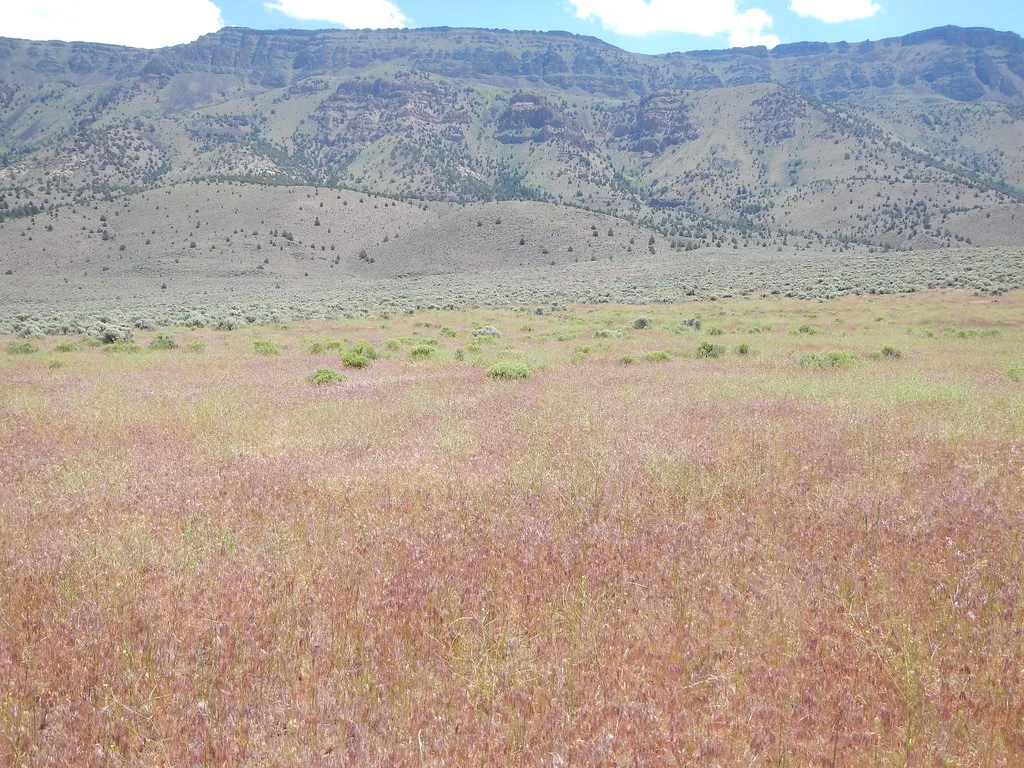
The pools sit at the eastern base of Warner Peak in the refuge's high desert, a two-hour-plus drive from any town with a full grocery store. The land is federal wildlife refuge, established in 1936 to protect remnant pronghorn herds and now managed for the full range of sagebrush-country species, from bighorn sheep to sage-grouse.
Treat the refuge as the authority on access. Construction and maintenance work along Hot Springs Road and at the headquarters has affected visitor services in past seasons, and the refuge posts current conditions on its site. Build a little slack into your schedule for a pilot car or a short delay on the final approach.
Getting there: Plush versus Frenchglen and the final refuge roads
Route choice matters more here than at almost any other Oregon spring. Coming from Plush to the west puts you on the better-graded approach, while the roughly 50-mile run in from Frenchglen to the east is a rough washboard that will slow you to a crawl and shake the fillings loose. Take Plush unless you have a reason not to.
From Plush, climb toward the refuge headquarters, where Hart Mountain, Frenchglen, and Blue Sky Roads converge. Turn onto Blue Sky, bear slightly right onto Hot Springs Campground Road, and the pools appear about two and a half miles later. A standard SUV with some clearance is the sensible choice; a low sports car is not.
Cell signal disappears well before you reach the springs, so download offline maps before leaving pavement and navigate to Hot Springs Campground Road rather than trusting a live connection. Distances feel short on the map and long on gravel; give yourself daylight for the final stretch.
Parking, the information board, and the vault toilet
The developed pool has its own gravel turnaround and parking area with an information board, roomy enough for a dozen or so vehicles when people park sensibly. A vault toilet sits at the edge of the lot opposite the pool, which makes it easy to change and to use the facilities before you soak.
From that lot, the campground is a short drive or an easy walk, and the trail to the primitive pools leaves the west corner on foot. If you are camping, leave the car parked once you have claimed a site and move around on foot for the rest of the evening.
The developed pool: stone wall, ladder, depth, and rocky bottom
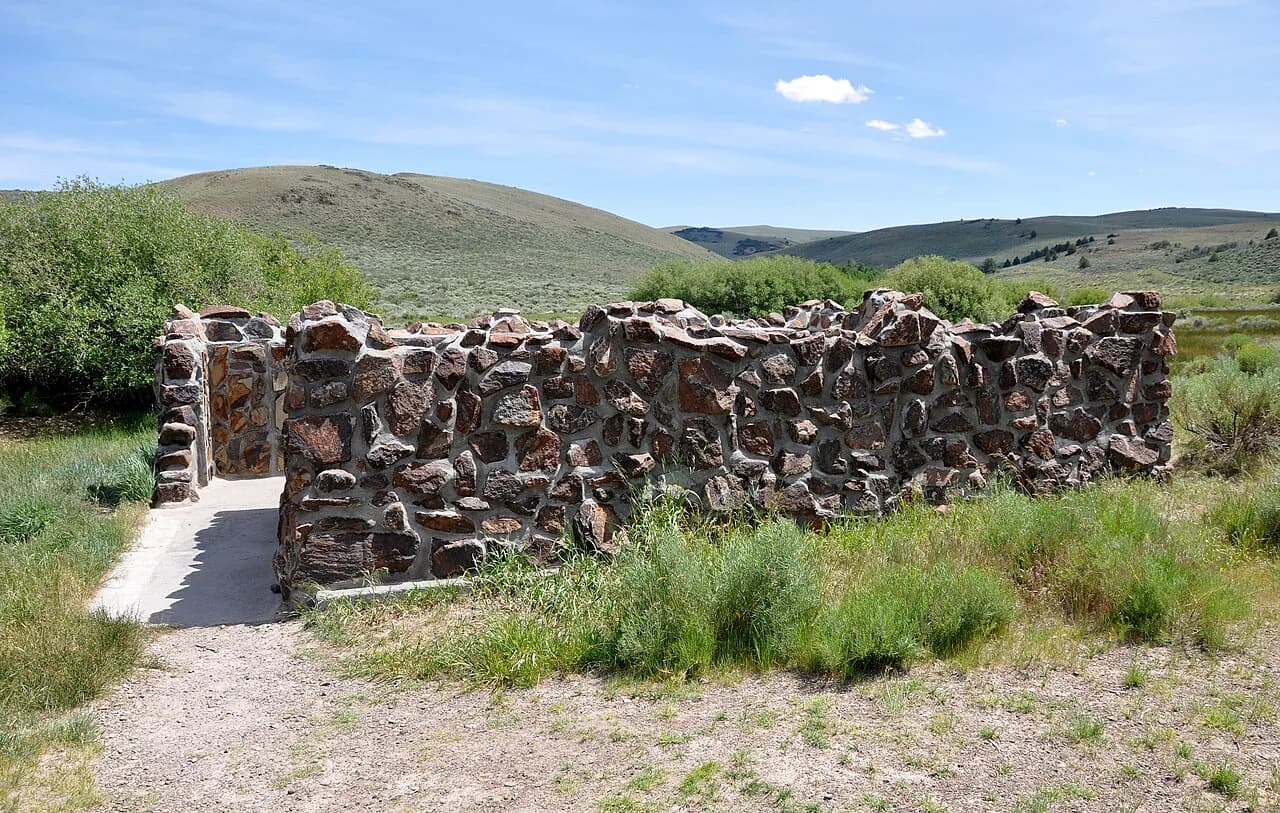
The main pool is a generous, deep basin ringed by a stone wall with a concrete apron, a wooden bench, and a metal ladder for entry. The wall does real work on a cold morning, cutting the wind so you can stay in longer, and it gives the soak a sheltered, semi-private feel.
The bottom is uneven and slippery in places, and parts of the pool are deep enough that shorter soakers will be treading water.
The bottom is a rough mix of concrete and rock, uneven underfoot and slick in places, and parts of the pool are deep enough that shorter soakers will be treading water rather than standing. Bring water shoes or sandals and step deliberately on the way in and out. Reported temperatures typically run in the 95-105°F range, warm enough for a long soak without being scalding.
Keep your head above water in untreated geothermal water regardless of how comfortable the temperature feels, and skip lotions, oils, or soap before you get in so the pool stays clean for the next visitor.
The two primitive pools west of the lot
Walk west from the parking area and you reach two natural pools set in the open field, each large enough for several adults and deep enough to soak. One has a shallower, soft dirt bottom than the developed pool, and both trade the wind-blocking wall for wide views across the refuge.
The walk is short, on the order of a few minutes, so you can sample both the walled pool and the field pools in a single visit. The primitive pools often read a touch warmer, though the exposure to wind can cancel that out on a cold day.
Clothing is optional at these pools, so set expectations if you are traveling with people new to primitive soaks and pick your spot with a little space from other groups.
Water temperature and what the rock does to your footing
Published reports put the pools in the 95-105°F band, which lands in comfortable soaking territory rather than the scalding end of the spectrum. The developed pool's stone bottom is the main hazard: it is uneven and slippery, so water shoes with tread make the entry and exit far easier.
Conditions shift with season and weather, so treat any temperature figure as a guide and test the water with a hand before committing. If you are heat-sensitive, start in the shallower primitive pools and move to the deep basin once you know how it feels.
Camping at Hart Mountain Hot Springs Campground
The campground holds 25 primitive sites and works on a first-come, first-served basis, with a 14-day stay limit. Each site has a fire ring, vault toilets are scattered through the loops, and the sites wrap around the pools along the creek, so you can walk from tent to water in a couple of minutes.
Bring your full water supply, since there is no potable water at the campground.
Choose your loop with care. The northern section puts you close to the pool but packs sites tightly and turns soggy in spring, which is a poor fit for trailers and RVs; sites to the south, down Barnhardi Road, are more spread out, shaded by scattered trees, and back onto the creek.
There is no potable water at the campground, so bring your full supply plus a reserve for cooking, drinking, and the drive out. The refuge has also shut off headquarters water during a waterline construction project in past seasons, with potable water redirected to Camp Hart Mountain's pavilion, so top up before you commit to the final road.
Camp Hart Mountain as an overflow option
If the hot springs campground is full, head back toward Plush to Camp Hart Mountain, about 45 minutes away, which has eight primitive first-come sites. It also doubles as a water stop when the pavilion supply is running.
Camping along roads and pull-offs inside the refuge is not allowed, so do not plan on a roadside van spot if the loops fill. Self-contained travelers should line up a backup before the last hour of daylight.
Water, supplies, and the nearest towns
Plan your resupply around Plush, roughly 90 minutes west, where a gas pump and convenience store cover the basics, or Adel, about two hours out, with similar limited supplies. Lakeview is the closest full-service town, with grocery chains, restaurants, gas, and a small hospital a couple of hours from the springs.
Carry more water than you think you need, keep food secured, and pack out all trash since the campground has no dumpsters. A headlamp, warm dry layers for the wind, and a quick-dry towel make the walk back to camp far more pleasant after dark.
Best season: shoulder months, summer heat, winter snow
Spring and fall are the sweet spots, with milder days, thinner crowds, and water that feels generous against cool air. Spring can bring rain heavy enough to flood the campground and block access, while fall delivers crisp nights and quiet pools until early snow closes the road.
Summer highs in the 70s to 90s°F make midday soaking less appealing, though the evenings cool off nicely and the campground draws its biggest crowds. Winter soaks can be excellent on a calm day, but snow regularly makes the access road impassable, so build flexibility into a cold-season trip.
Aim for a weekday, arrive with daylight to spare, and plan your soak for early morning or late afternoon when day visitors thin out. Wildfire season can close the refuge outright, so check conditions with the refuge before you commit to the drive.
Wildlife, hiking, and Petroglyph Lake
The refuge was set aside for pronghorn, and dawn and dusk drives across the open meadows give you the best odds of seeing them, along with mule deer, bighorn sheep, and sage-grouse. Bring binoculars and keep your distance; the animals are the reason the land is protected.
Petroglyph Lake makes a solid half-day outing, a roughly 6.1-mile out-and-back around the water with rock art panels along the way and no shade at all. Start early, carry water, and treat the petroglyphs as fragile cultural material to view from a distance.
For a shorter effort, follow Barnhardi Road from the campground's southwest corner and scramble up to Warner Peak for a view over the whole basin. It is steep and exposed, so pick a clear morning rather than a windy afternoon.
Nearby springs to add to the circuit
Willow Creek Hot Springs, on BLM land near Fields, is the natural companion: a rustic campground with one pool split into hot and warm sides and little more than a vault toilet. It fits neatly into the same eastern Oregon loop if you are already committed to the gravel, much like the remote soaks collected in this Idaho hot springs guide just across the state line.
Farther afield, Umpqua Hot Springs offers a lush national forest setting that contrasts sharply with Hart Mountain's dry rock, and Crane Hot Springs runs a developed resort with lodging and an RV and tent campground about two and a half hours north. Both work as anchors for a longer hot springs in oregon itinerary.
If your route bends toward the Cascades or the Snake River country, McCredie Hot Springs and Snively Hot Springs make useful additions on the drive home. Build the circuit so Hart Mountain is the remote night and the others are easier stops on either side.
Leave No Trace at a primitive soak
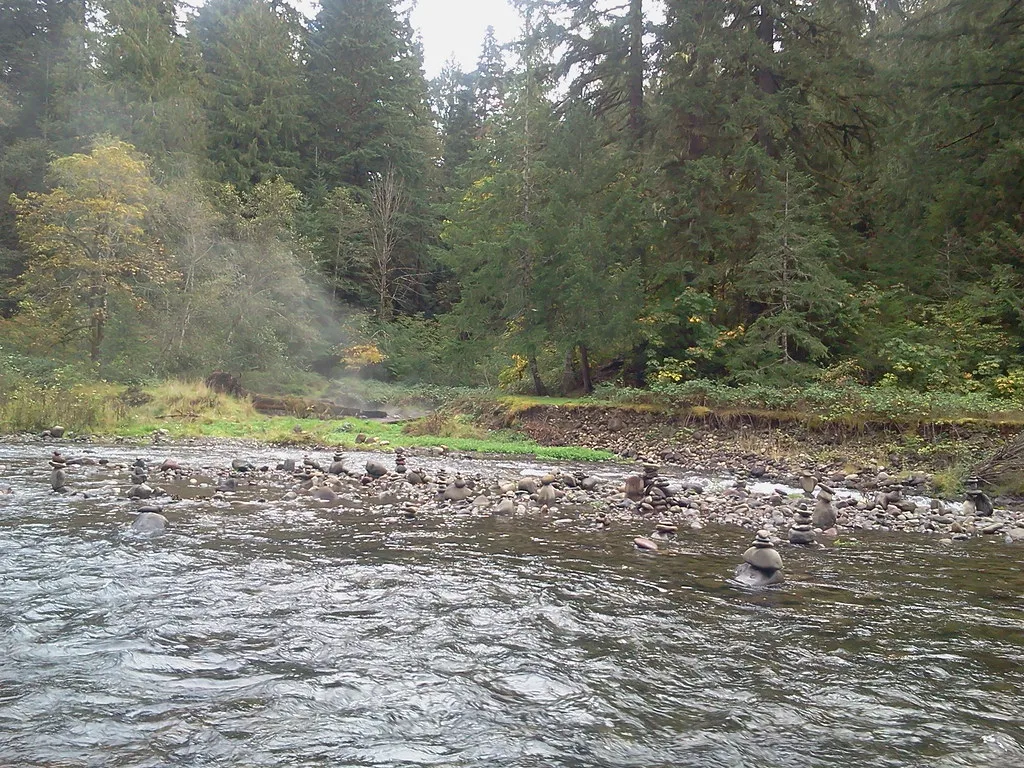
These are natural pools with no filtration, so keep soap, shampoo, lotion, and sunscreen out of the water, leave glass containers behind, and pack out every scrap you carry in. Use the vault toilets before soaking, stay on established paths to protect the fragile high-desert plants, and keep voices and music low so the next group gets the quiet they came for.
Plan Your Soak
Hart Mountain Hot Springs asks for a real drive, offline maps, and a full water supply, and in return gives you a walled soak at the foot of Warner Peak, quieter primitive pools, and a campsite within walking distance. Approach from Plush, plan around a night or two, and leave the Frenchglen washboard for another trip.
Check the refuge's statement of current conditions before you leave pavement, especially outside the shoulder months, and let the tides of weather and crowds pick your season.
Frequently Asked Questions
Where are Hart Mountain Hot Springs located?
They sit inside Hart Mountain National Antelope Refuge in south-central Oregon, at the eastern base of Warner Peak. The closest small town is Plush, roughly 90 minutes west, and the closest full-service town is Lakeview, about two hours away. The final approach is gravel via Blue Sky Road and Hot Springs Campground Road.
Is Hart Mountain Hot Springs clothing optional?
Clothing is optional at these pools, which is common at remote natural soaks. If you are traveling with people new to that setting, the stone-walled developed pool offers a bit more separation than the open field pools.
Can you camp at Hart Mountain Hot Springs?
Yes. Hart Mountain Hot Springs Campground has 25 primitive first-come, first-served sites with a 14-day stay limit, fire rings, and vault toilets. There is no potable water, so bring your full supply. Camp Hart Mountain, about 45 minutes back toward Plush, has eight more primitive sites as a backup.
What is the water temperature at Hart Mountain Hot Springs?
Reported temperatures typically run in the 95-105°F range, comfortable for a long soak rather than scalding. The primitive pools out in the field can read slightly warmer but lose heat to the wind, so test the water before you commit.
Do you need four-wheel drive to reach Hart Mountain Hot Springs?
No, but clearance helps. The road in from Plush is the better-graded approach and is manageable in a standard SUV; the roughly 50-mile route in from Frenchglen is a rough washboard that slows you to a crawl. Download offline maps before you leave pavement, since cell signal drops out well before the springs.
What is there to do around Hart Mountain besides soaking?
Pronghorn and other wildlife are the main draw, especially at dawn and dusk in the open meadows. Petroglyph Lake offers a 6.1-mile out-and-back with rock art panels and no shade, and the scramble from Barnhardi Road to Warner Peak gives you a view over the whole basin.
Sources
Hot springs notes for your next road trip
Optional updates when we add or revise hot springs guides.
You might also like



Continue reading
More guides you'll find useful



