
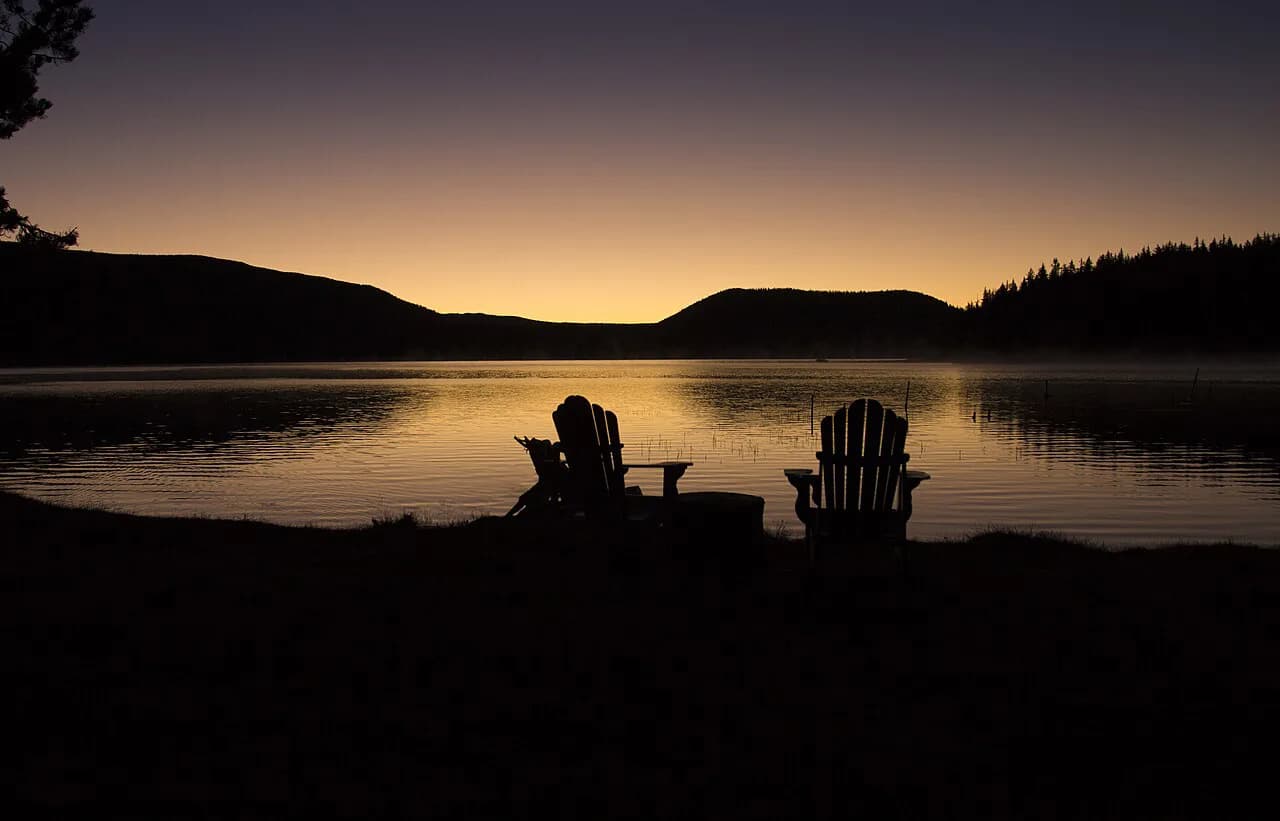
Paulina Lake Hot Springs, Oregon: Hike-In Soaking Guide
Paulina Lake Hot Springs in Oregon means hand-dug sand pools on a caldera beach. Here is the hike, day-use fee, season, camping, and nearby soaks to plan.
On this page
Paulina Lake Hot Springs is not a built tub with piped water and a deck. It is a stretch of caldera shoreline called Hot Springs Beach, where geothermal heat seeps up through the sand and soakers hollow out shallow pools lined with rocks and driftwood.
That makes it a good fit for hikers who want a short, low-effort walk with a soak at the end, and for boaters who can reach the beach across the water. It is a poor fit for anyone expecting privacy, deep water, or a guaranteed hot pool, since each dugout holds only one or two people and the surface stays tepid where lake water mixes in.
If you are building a Central Oregon soaking itinerary around it, this soak works best as a morning stop paired with the caldera's other sights, and it slots neatly into a longer tour of hot springs in Oregon. If you are weighing a wider Pacific Northwest circuit, our Washington hot springs guide covers Gorge resorts and Cascade soaks for a comparison on the same decision.
Where the springs sit in Newberry Caldera
The springs lie on the shore of Paulina Lake inside Newberry National Volcanic Monument, a caldera in the Deschutes National Forest. The monument sits south of Bend off U.S. Highway 97, and the drive is roughly 50 minutes from Bend to the Little Crater area inside the monument.
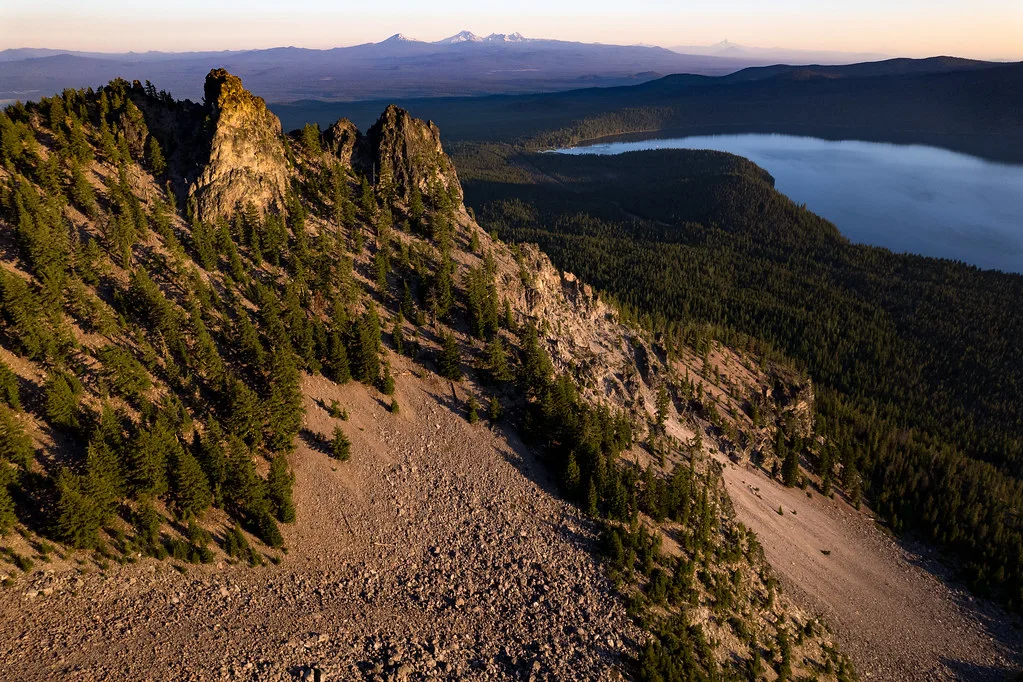
The caldera formed when the volcano's core collapsed and the basin filled with water, leaving two lakes, Paulina and East. Geothermal water still rises through the sandy lake bed along the Paulina shoreline, which is what makes the beach soakable at all.
The pools sit at roughly 6,340 feet, so nights run cold even in midsummer and afternoon storms can build quickly over the rim. Pack a layer for the walk out, and treat this as high-elevation terrain rather than a valley stop.
Getting there: Highway 97 to Little Crater
From Bend, drive south on U.S. Highway 97 for about 23 miles, then turn left onto Paulina East Lake Road and continue east for 14 miles to enter the monument. Turn left into Little Crater Campground and follow the campground road to its end, where the hot springs trailhead sits.
If you are not staying at Little Crater, leave the car in the Little Crater Day Use area and walk through the campground to reach the trailhead at the end of the road. Parking at the day-use area or campground requires a valid pass or the posted day-use fee.
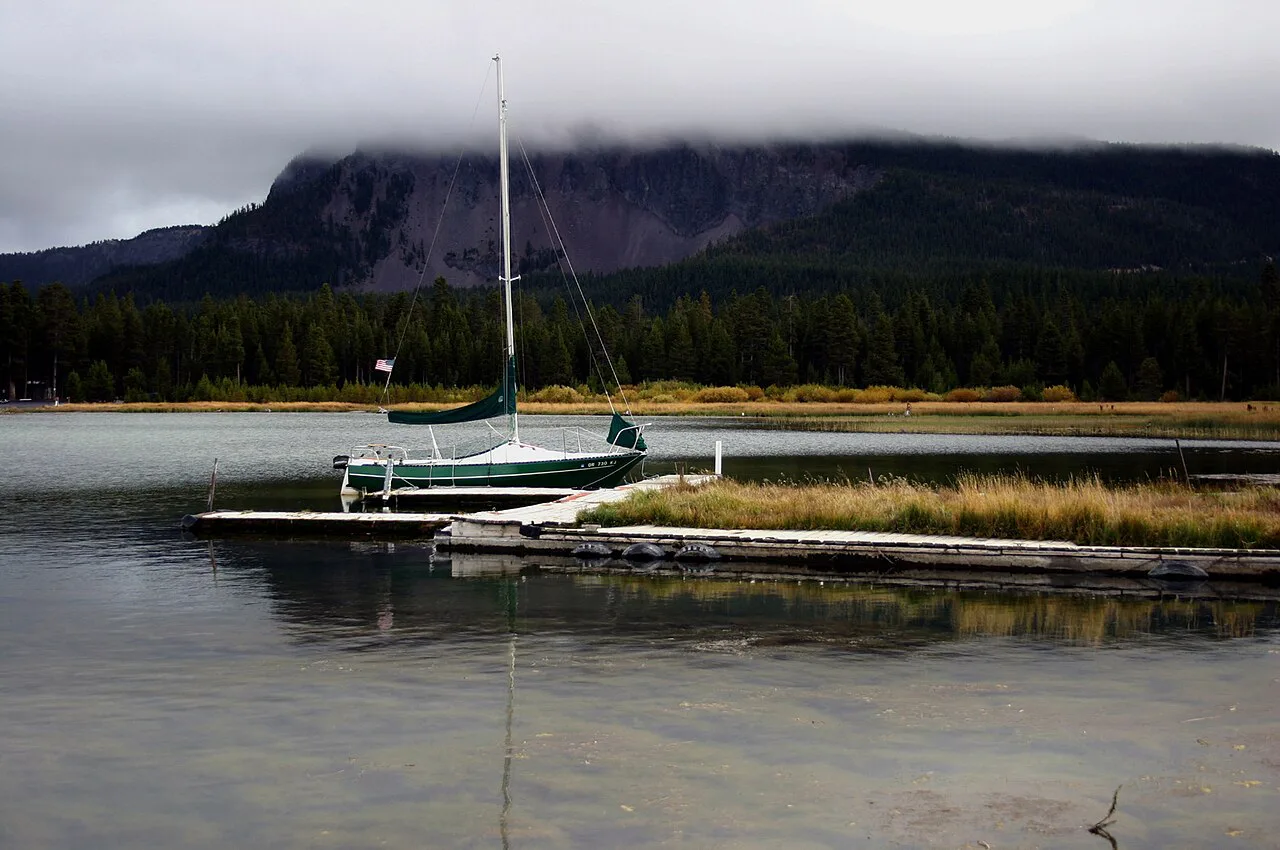
There is a boat ramp and dock at Little Crater on the east side of the lake and another at Paulina Lake Campground on the west. Neither has a dock at the springs themselves, so boaters anchor or beach the craft on the sand.
The hike in: spur trail or lake loop
The shortest approach is the Hot Springs Spur, a 1.2-mile route along the eastern shore with minimal elevation gain to Hot Springs Beach. Hikers coming from the day-use lot follow the campground road and then the lakeshore trail, putting the round trip at about 2.8 miles from the campground trailhead and around 4.2 miles from the day-use parking area.
For a fuller day, the Paulina Lakeshore Loop runs 7.5 miles around the entire lake with sweeping caldera views, and the hot springs are a natural halfway rest stop. The trade-off is simple: the spur gets you soaking fast, while the loop costs most of a day and rewards you with obsidian-studded forest and open water views.
The trail is classed as easy with only about 131 feet of elevation gain, but the surface is rocky and root-bound in places and muddy after rain. Waterproof shoes with real tread make the beach approach more comfortable than sandals.
Boat and paddle access to Hot Springs Beach
Kayaks, canoes, and paddleboards launch from Little Crater Campground or the Paulina Lake Day Use Area and cross to Hot Springs Beach directly. It is the fastest way to arrive with gear, and it avoids the walk entirely.
Plan how you will hold the boat once you arrive, because there is no dock or ramp at the beach. A paddle in a calm morning is straightforward; afternoon wind on the open lake makes the return trip more work than the outbound leg.
The pools: shallow sand dugouts
Expect around five primitive dugouts along the open beach, each a shallow circular hollow in fine sand and gravel walled with rocks and logs and sized for one or two people. They are rebuilt and reshaped constantly, so the count and depth change from week to week.
Published water temperatures run from 90°F to 115°F depending on season, thermal activity, and how much cold lake water mixes in. The typical soak is two-temperature: hot sand and seeping water below, cooler lake water at the surface.
Because the pools are shallow and exposed on a popular beach, they are soaking spots rather than swimming holes. When someone is waiting, keep your turn short and let the next person in.
Digging and adjusting your pool
A small trowel is the one tool worth carrying. You can clear sand and silt from an existing hollow or deepen a shallow one, then set rocks to control how much cold lake water seeps in.
Add lake water gradually rather than all at once, and let stirred-up silt settle before you judge the clarity.
Test the sand with your hand before you settle in, since geothermal heat rising through the bed can make the bottom hot enough to burn. Add lake water gradually rather than all at once, and give stirred-up silt a minute to settle before you judge the clarity.
Fees and passes
Entering the monument costs $10 per day per car, and an America the Beautiful pass covers the entrance fee. The same pass or a Northwest Forest Pass, or the posted day-use fee, is required for parking at Little Crater Campground or the Paulina Lake Day Use Area.
Campers at Little Crater pay a nightly rate plus an extra vehicle fee, and Paulina Lake Campground carries the same nightly rate and extra vehicle fee. Budget for the entrance fee on top of a campsite if you arrive in a separate vehicle.
Season and lake level
Late spring through early fall, roughly May through October, is the window when snowmelt has receded and the lake sits at a level that fills the dugouts without drowning them. May through July is the sweet spot before levels shift.
As the season wears on and lake levels rise, the shoreline pools end up under cold water and the beach soak is gone until the water drops again. Wildfire smoke is also common from June into October and can flatten the caldera views, so a clear forecast matters as much as the calendar.
Winter access and the road closure
Paulina Lake Road, also signed as East Lake Road, closes to motor vehicles in winter under heavy snow. Reaching the lake then means snowmobile, cross-country skis, or snowshoes, which turns a short walk into a serious winter outing.
The submerged pools are the bigger obstacle: even with a hard-earned winter approach, the beach dugouts typically sit under the raised lake. For current road and snow conditions before a cold-season attempt, contact the Bend-Fort Rock Ranger District of the Deschutes National Forest.
Rules and etiquette on an open beach
This is a high-visibility public beach on a popular hiking loop and boating route, and clothing is strongly recommended here. The pools sit close to family campground traffic, so swimsuits are the norm rather than the exception.
Glass is prohibited near the water, and soap, shampoo, and other products never belong in the pools or the lake. Dogs are allowed on leash along the lakeshore trail and shoreline but should stay out of the thermal pools.
Camping near the springs
Little Crater Campground sits at the trailhead on the lake edge with 49 sites for tents, trailers, and RVs, potable water, and flush toilets, open May through October. Paulina Lake Campground on the south shore has potable water and restrooms on the same seasonal schedule, and the lakeshore loop connects the two.
Rangers at the Deschutes National Forest have told visitors that wilderness camping at the springs is not permitted, so plan on a developed campground rather than pitching a tent at the beach. Little Crater sites can be reserved in advance, which matters on summer weekends when the loop fills.
Crowds and timing
Summer weekend traffic peaks between 11:00 AM and 4:00 PM, when boaters, paddleboarders, and loop hikers all converge on a handful of one- or two-person pools. Early mornings on weekdays are the quietest window and also the calmest water for paddling over.
Mosquitoes are active in early summer, so bring repellent for the forest stretches of the walk. Restrooms are at Little Crater and Paulina Lake Campgrounds; the beach itself has none.
Safety at a geothermal beach
Sand heated from below can burn, so feel the bottom before you sit or step down. Rocks and logs lining the dugouts get slick, and the beach drops into cold lake water that is deeper and colder than the shallow pools suggest.
Sand heated from below can burn, so feel the bottom before you sit or step down.
This is untreated geothermal water mixing with lake water, so keep your head above the surface and out of the pools. Watch children closely on the open beach and near the water's edge.
Nearby springs to pair with the trip
Paulina pairs naturally with McCredie Hot Springs and Wall Creek Warm Springs, both within reach on a Central Oregon loop based out of Bend or La Pine. McCredie sits off Highway 58 along the Willamette Pass corridor, and Wall Creek is a short detour off Highway 97.
For a longer road trip, Umpqua Hot Springs, Oregon sits east of Roseburg above the North Umpqua River and offers a very different soak: concrete and rock tubs perched on a cliff above the river. It is a multi-hour drive from the caldera, so treat it as its own day rather than an add-on.
If your loop heads north instead, Bagby Hot Springs, Oregon in Mt. Hood National Forest is a forest hike to wooden tubs, and Belknap Hot Springs, Oregon on the McKenzie River is a developed resort pool that suits a recovery day. Both make sense as separate stops on a wider Oregon circuit.
Leave No Trace at a beach with no services
Hot Springs Beach has no trash cans and no toilet, so pack out everything you carry in, including food scraps, and use the campground restrooms before you start the trail. Keep soap and glass off the beach, and leave the rocks and logs where they sit when you finish soaking.
Plan Your Paulina Soak
Aim for a weekday morning from May through July, hike the 1.2-mile spur from Little Crater, and bring a trowel, water shoes, and a layer for the high-elevation walk out. Pay the monument entrance fee or show an America the Beautiful pass, and check the Deschutes National Forest alerts before a shoulder-season trip when lake levels and road conditions decide whether the beach is usable.
If you want more options on the drive home, browse the rest of the hot springs in Oregon and build the caldera soak into a longer Central Oregon loop.
Frequently Asked Questions
How long is the hike to Paulina Lake Hot Springs?
The Hot Springs Spur covers 1.2 miles from the end of the Little Crater campground road to Hot Springs Beach. From the day-use parking area, the round trip is about 4.2 miles. The Paulina Lakeshore Loop, an alternative route, runs 7.5 miles around the entire lake.
How do I get to Paulina Lake Hot Springs?
From Bend, drive south on U.S. Highway 97 for about 23 miles, turn left on Paulina East Lake Road, and continue 14 miles into Newberry National Volcanic Monument. Turn into Little Crater Campground and follow the road to its end for the trailhead.
Do you take your clothes off in a hot spring?
At Paulina Lake the springs sit on an open, high-visibility public beach used by hikers, families, and boaters, and clothing is strongly recommended. Swimsuits are the norm here.
Can you swim in Paulina Lake?
Yes. The lake is cold glacial and snowmelt water, and soakers use it to cool off and to adjust the temperature of their sand pools. Keep in mind the pools themselves are shallow dugouts, not swimming areas.
When is the best time to visit Paulina Lake Hot Springs?
Late spring through early summer, roughly May through July, is when the lake level leaves the sand pools exposed. By later in the season rising water typically submerges the dugouts.
Can you camp at Paulina Lake Hot Springs?
Wilderness camping at the springs is not permitted. Camp instead at Little Crater Campground by the trailhead or Paulina Lake Campground on the south shore.
Are dogs allowed at Paulina Lake Hot Springs?
Dogs are permitted on leash along the lakeshore trail and shoreline, but they should stay out of the thermal pools.
Is Paulina Lake Hot Springs open in winter?
Paulina Lake Road closes to motor vehicles in winter under heavy snow, leaving snowmobile, ski, or snowshoe access only. Rising lake levels also submerge the beach pools, so the soak is a warm-season trip.
Sources
Hot springs notes for your next road trip
Optional updates when we add or revise hot springs guides.
You might also like



Continue reading
More guides you'll find useful



.jpg)
