Hot Springs Camping Oregon: Resorts vs. Free Soaks
Compare Oregon hot springs camping: a developed soaking resort near Burns, a primitive refuge campground at Hart Mountain, and base camps for day soaks.
On this page
Oregon rewards two very different kinds of soaker. One wants a warm pond, a private tub and a bed a short walk away; the other wants a gravel-road drive into the high desert and a tent pitched beside a primitive spring. Both exist in this state, and choosing between them is the first real decision of your trip.
This guide pairs the soak with the sleeping arrangement at each place, then covers Cascades forest campgrounds that work as bases rather than pretending they sit on hot water. If you want the full statewide picture before you commit, start with the broader guide to hot springs in Oregon and come back here to plan the overnight.
Two trip shapes: resort soak versus refuge campground
The developed option is Crane Hot Springs, a soaking resort in Harney County outside Burns, where the water comes as a large public pond and as private cedar-enclosed tubs you fill yourself. The primitive option is Hot Springs Campground in the Hart Mountain Antelope Refuge, where two on-site springs sit inside a remote campground reached mainly on gravel. Pick the first if you are traveling with family, want a roof and a hot shower, or are towing a trailer; pick the second if you have a vehicle that handles washboard roads and you carry your own water.
| Option | Soak | Where you sleep | Access |
|---|---|---|---|
| Crane Hot Springs | Public pond averaging around 101 degrees and private cedar tubs | Teepees, a sheepherder's wagon, suites, cabins, RV sites and dry camping | Resort outside Burns; day use needs no reservation |
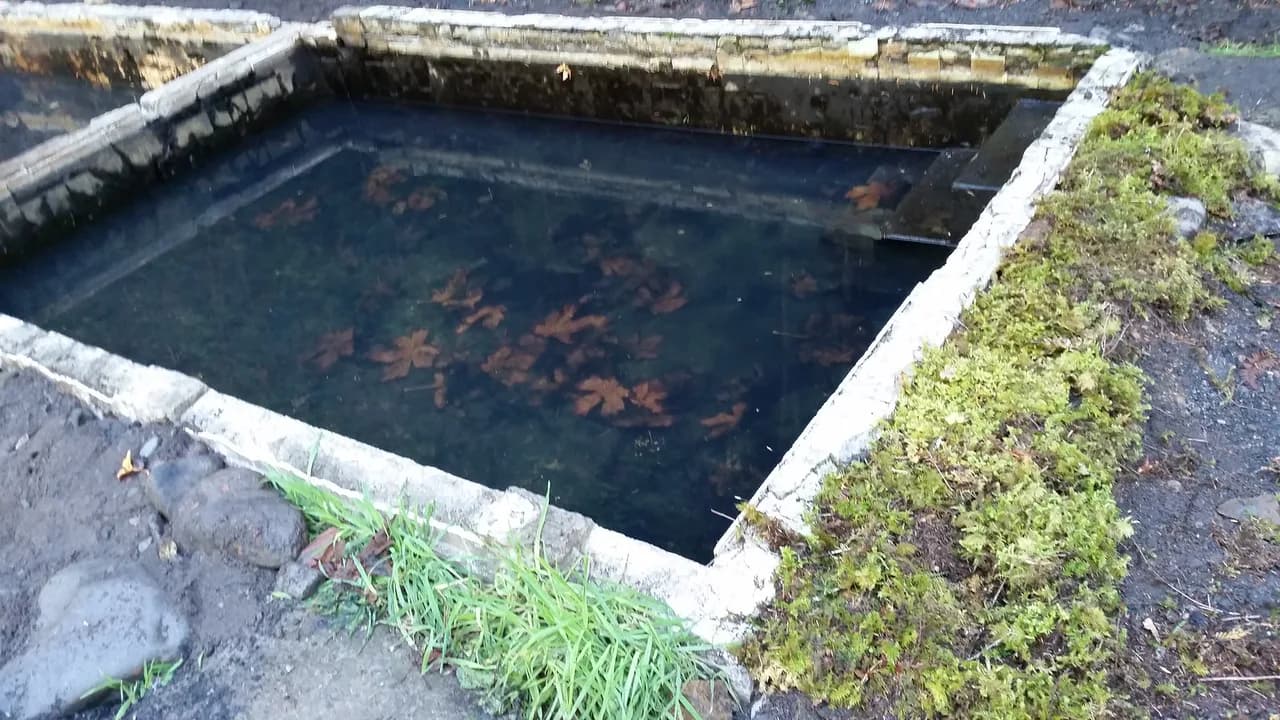
| Hot Springs Campground | Two on-site springs, one very primitive | Walk-up campsites with vault toilets | Mainly gravel roads inside the Hart Mountain Antelope Refuge |
| Cascades forest campgrounds | Soaks are elsewhere, so you drive to the water | Forest and farm campgrounds near McKenzie Bridge, Oakridge and the Santiam corridor | Dry, cool sleeping with river access |
Crane Hot Springs: the pond and the private tubs
The centerpiece at Crane Hot Springs is an expansive pond holding roughly 323,143 gallons across about 9,728 square feet, approximately 5 feet deep in the middle and averaging around 101 degrees. That size and depth make it a swimming-and-soaking pool rather than a sit-still rock pool, which suits groups and kids who want room to move.
Private soaking tubs give you the opposite experience. Each cedar-enclosed tub has a bench area for changing, hooks for towels and a natural hot water tap you fill to the temperature you want, so you control the heat instead of accepting the pond's average. Guests in the Crane Creek Inn, the sheepherder's wagon and some of the teepees get their own tub filled with the same mineral water.
Sleeping at Crane: teepees, wagons, cabins and RV sites
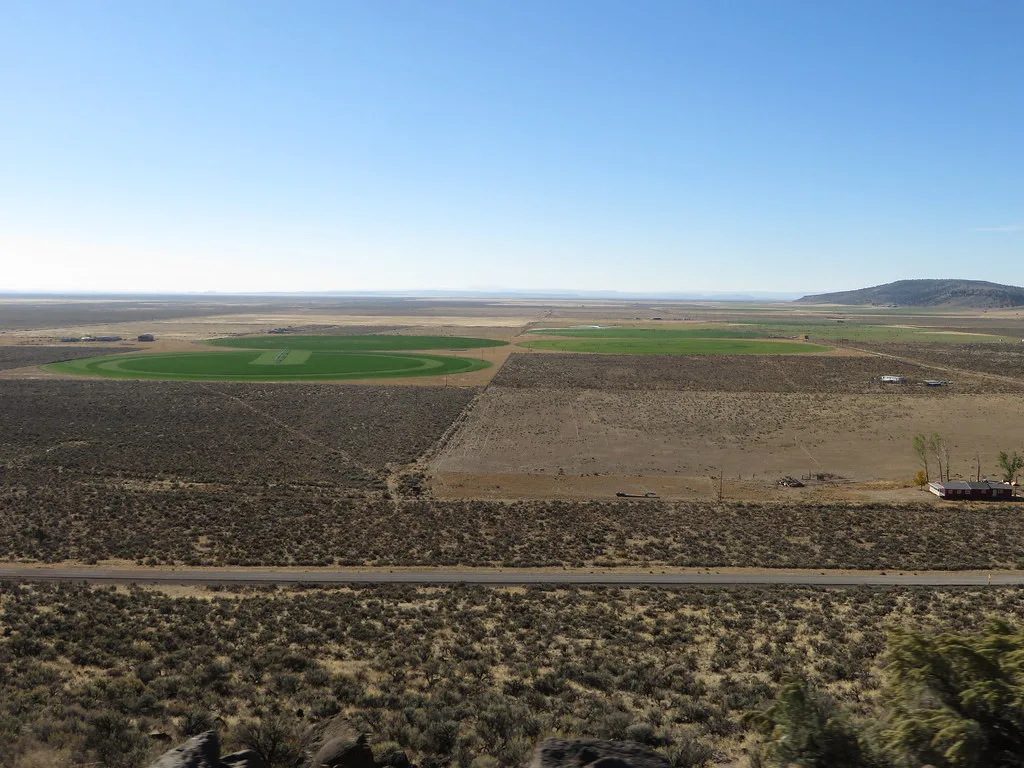
Overnight categories at Crane Hot Springs run from teepees and a sheepherder's wagon to suites, themed cabins, a ranch house and RV sites, plus dry camping in Tumbleweed Valley. Overnight guests get unlimited access to the hot springs pond around the clock, which is the real argument for staying rather than driving in for the afternoon. The trade-off is that the cheapest sleeping option is dry camping, so match the category to your gear.
The resort sits at 59315 Hwy 78 in Burns, in the heart of Harney County's high desert. That address puts you in Oregon Outback country, where the next town is a long drive and the night sky is the other attraction. Plan groceries and fuel in Burns before you turn in for the night.
Day use and posted pool rules at Crane
You can soak at Crane Hot Springs on a day-use basis without a reservation, which makes it a practical stop on a southeast Oregon road trip rather than a trip that needs advance booking. Day users share the public pond with overnight guests, so midweek mornings are the calmer window.
The lobster pot closes from 8 AM to noon on Wednesdays for deep cleaning. Time your soak around that window.
Crane Hot Springs posts maintenance windows on its site. The lobster pot closes from 8 AM to noon on Wednesdays for deep cleaning, and the pond gets deep-cleaned between 7 and 10 AM on Monday, Wednesday and Friday while remaining open to bathers. If your schedule is tight, time your soak around those morning windows rather than arriving to find your favorite pool mid-scrub.
Hot Springs Campground at Hart Mountain: two springs, one very primitive
Hot Springs Campground sits inside the Hart Mountain Antelope Refuge near Plush, a remote and rugged site with two on-site hot springs, one of them very primitive. Campsites are private and spaced out, with mountain views and abundant wildlife watching filling the hours between soaks. This is the opposite of a resort: no pool deck, no tub tap, just spring water in high desert country.
Facilities are minimal by design. There are vault toilets, no potable water in camp, and camping is walk-up only, so you cannot reserve a site ahead of time. Come self-sufficient with a full water supply and a plan for a first-come site, especially on summer weekends.
Getting to Hart Mountain and what to bring
Expect primarily gravel roads on the approach, plus driving restrictions inside the refuge and seasonal hunting during certain times of year. Check in at the Hart Mountain Antelope Refuge headquarters on your way in, where you can pick up information about the refuge and wildlife and fill water bottles, since the headquarters provides potable water.
Stop at the refuge headquarters on the way in to fill water bottles, since the headquarters provides potable water and the camp has none.
Pack for a self-contained camp: several days of water, a spare tire and repair kit, sun protection for exposed desert, and warm layers for cold nights at elevation. Cell coverage is thin, so download maps before you leave pavement. If you want the full menu of soaks around the state, including hike-in options, browse the free hot springs in Oregon before locking in this remote run.
McKenzie and Santiam forest campgrounds as day-soak bases
Willamette National Forest campgrounds around McKenzie Bridge make comfortable bases, with the McKenzie River, Horse Creek, waterfalls, rafting and mountain biking close at hand. Hipcamp lists Shelter at Castle Rock Farm, a private homestead campground in McKenzie Bridge, and FourLeafs Camp, a small forest campground in the McKenzie River Valley, both positioned as places to sleep rather than soak.
On the Santiam side, 73 Acres Farm w/River near Stayton offers two riverfront sites on a working farm. The host notes that Brittenbush Hot Springs, listed as Brittenbush on the listing, is 40 minutes away and requires reservations, which makes this a base for a reserved soak rather than a soak-from-your-tent stay.
Treat these forest campgrounds for what they are: a dry, cool place to sleep with river access, not a hot springs property. The upside is flexibility, since you can soak during the day and return to a shaded site. The downside is that you drive to the water rather than walking to it.
Oakridge and Westfir: a mountain-bike base with soaks nearby
Moon Shadow Meadows sits on a 40-acre hilltop near Westfir and Oakridge at about 2,200 feet, reached by a scenic two-mile gravel road with views of Diamond Peak and Devil's Backbone. The listing pitches it at mountain bikers and river-goers with local hot springs as a nearby add-on, which is exactly how to use it: ride in the morning, soak in the afternoon.
Expect limited cell service and no on-site Wi-Fi, a one-mile trail on the property, and a steep gravel driveway where uphill traffic has the right of way. Well-behaved pets are welcome. For a rowdier, more social forest stay in the same corridor, FourLeafs Camp near McKenzie Bridge has a shared gravel gathering area with string lights until 10 p.m.
Southern Oregon bases: Rogue River and Crater Lake country
Hidden Forest Get-away outside Rogue River is a 40-acre campground at the base of BLM land, with Starlink internet, a hot-water-on-demand outdoor shower and firewood for purchase. It works well as a southern Oregon base for Crater Lake, Oregon Caves, wineries and Rogue River jetboat trips, with hot springs as one item on a longer list.
Umpqua's Last Resort along the North Umpqua River in the Umpqua National Forest is another southern Cascades option, with full hookup RV sites, glamping tents, camper cabins and a tiny home. The listing describes the North Umpqua as a world-class river and an emerald gateway to Crater Lake, so anglers and rafters get more out of this base than soakers alone.
Choosing your base: three honest trade-offs
Choose Crane Hot Springs if you want water temperature you control, a roof over your head and a soak that does not depend on road conditions. Choose Hot Springs Campground if the spring itself is the point and you are equipped for walk-up camping, gravel driving and hauling your own water. Choose a Cascades forest campground if you want a river, trails and a cooler summer nights' sleep, and treat the soak as a daytime excursion. If you are weighing a wider road trip, the same resort-versus-primitive trade-off shapes the hot springs in Idaho and their overnight options.
Vehicle and season drive the decision as much as taste. A low-clearance car and a family of four points to the resort; a truck with a spare tire and a flexible weekend points to the refuge. Forest campgrounds split the difference and keep you close to water and trails when you are not soaking.
What to pack for a soak-and-camp trip
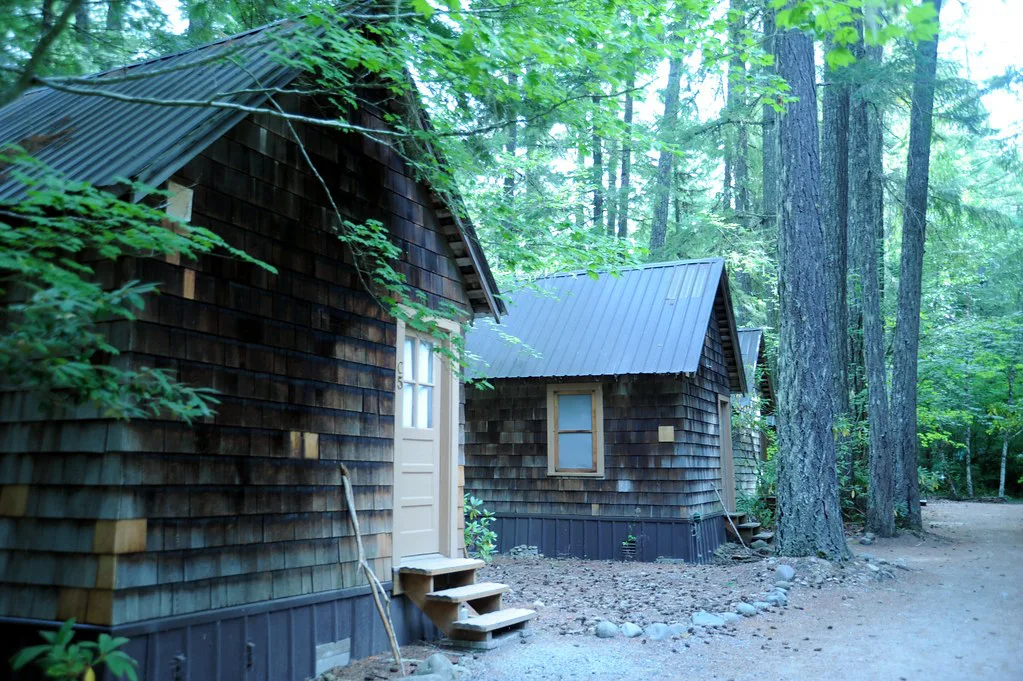
Bring a dedicated towel that can get mineral-stained, water shoes for slick rock and pool bottoms, and a dry bag for your phone and keys. At a developed resort you can add a robe and sandals; at a primitive spring add a packable trowel, wag bags and enough water for drinking and rinsing.
For desert camping at Hart Mountain, carry more water than feels reasonable, plus sun protection, layers and a repair kit for gravel-road flats. At forest campgrounds, pack for cool nights and rain even in summer. A headlamp earns its place at every one of these sites.
Pairing a soak with a non-soak day
The best soak-and-camp trips alternate hot water with something cold or dry. At Crane, spend a morning birding or driving the Oregon Outback and soak in the evening when the desert cools. At Hart Mountain, use daylight for wildlife viewing in the refuge and save the spring for the end of the day.
In the Cascades, pair a soak day with a river float, a waterfall hike or a mountain-bike loop out of Oakridge. Around Rogue River, jetboat rides and Crater Lake fill the calendar between soaks. Mixing activities keeps you out of the water long enough to actually enjoy the next soak.
Leave No Trace at primitive springs
At primitive soaks like the one in Hot Springs Campground, everything you bring leaves with you, including food scraps and soapy water. Stay on established paths, keep your soak short if others are waiting, and skip soap or shampoo in the spring itself. Camp at least 200 feet from water sources and trails unless a designated site already exists, and use the vault toilets rather than the brush.
Plan Your Overnight Soak
Book a teepee, wagon or cabin at Crane Hot Springs if you want a pond, private cedar tubs and a bed waiting after dark, and check the posted cleaning windows before you pick a soak time. Drive to Hart Mountain with a full water supply and a flexible site plan if you want the spring at your tent door.
Either way, confirm current conditions with Crane Hot Springs or the refuge headquarters before you drive, especially on gravel roads and in hunting season. Build in a nearby non-soak day, pack for the climate you are actually visiting, and the soak becomes the reward at the end of the road.
Frequently Asked Questions
Where can I camp near hot springs in Oregon?
You have two main models. Crane Hot Springs near Burns is a developed resort where you soak in a large pond or a private cedar tub and sleep in a teepee, wagon, cabin, suite or RV site. Hot Springs Campground in the Hart Mountain Antelope Refuge is a primitive campground with two on-site springs, vault toilets and walk-up camping only. Cascades forest campgrounds near McKenzie Bridge, Oakridge and the Santiam corridor work as bases for soaking elsewhere during the day.
Do you need reservations for Crane Hot Springs?
Day use at Crane Hot Springs does not require a reservation, so you can stop in for a soak while passing through Harney County. Overnight stays are a separate matter: the resort lists teepees, a sheepherder's wagon, suites, cabins, a ranch house, RV sites and dry camping, and you should book the category that matches your gear.
What is the 200 rule for camping?
The 200-foot rule means camping at least 200 feet from water sources and trails unless a designated site already exists. At primitive soaks such as Hot Springs Campground, that keeps your camp, soapy water and waste away from the spring and the paths other soakers use. Use the vault toilets rather than the brush, and pack out everything you bring in.
Sources
Hot springs notes for your next road trip
Optional updates when we add or revise hot springs guides.
You might also like
Continue reading
More guides you'll find useful