Ennis Hot Springs, Montana: Soaking and Road-Trip Guide
Use Ennis, Montana, as a base for hot springs, Madison River fishing, and forest camping, with the hour-long Bozeman drive and US 287 soaking stops.
On this page
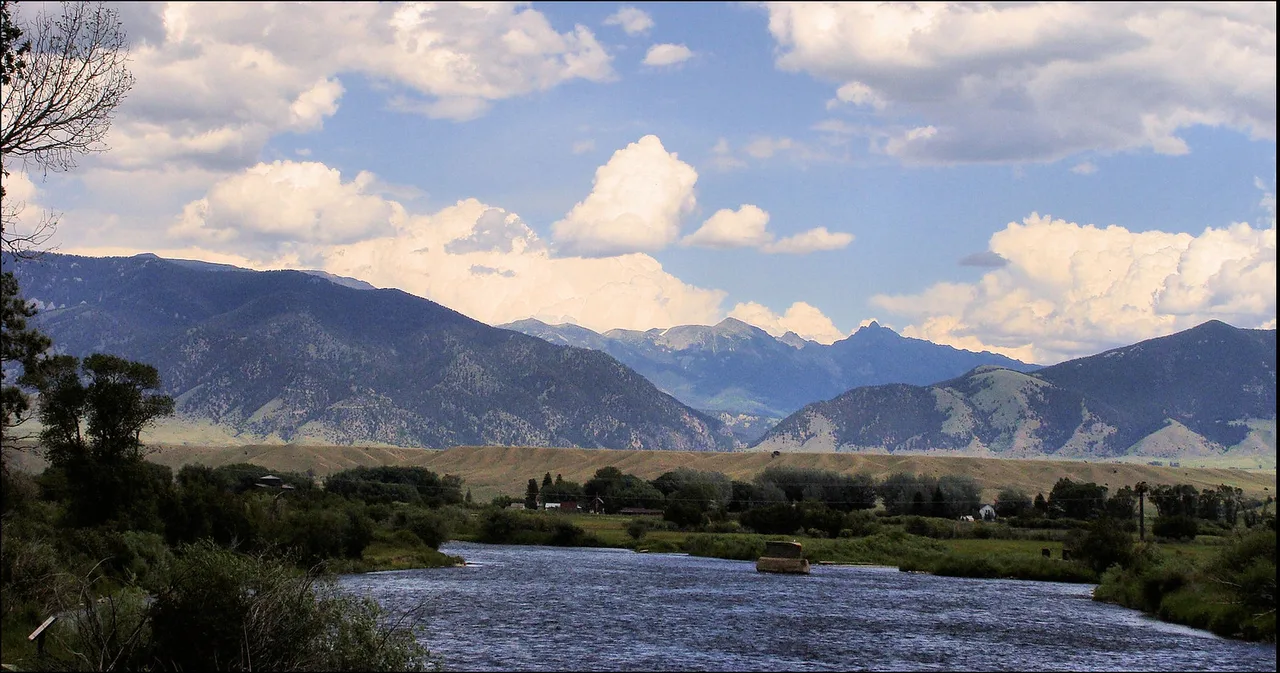
Ennis rewards travelers who treat it as a base rather than a single destination. The town sits in the heart of the Madison Valley in southwestern Montana, surrounded by the Madison Range, the Gravelly Range, and the Tobacco Root Mountains, with the Madison River running through the valley. Soakers who want a developed pool, a roadside stop, and a fishing day in one trip get all three by working outward from here.
This guide suits road-trippers coming from Bozeman, anglers who want a soak after a day on the water, and campers building a loop through the Beaverhead-Deerlodge National Forest. It covers the drive, the layout of a soak day, camping and lodging, and which nearby pools are worth adding. Fees, posted hours, and water temperatures change, so treat the plan as a route and confirm specifics with each operator before you commit.
What the Ennis Area Offers Spring-Soakers
Ennis is a small, authentic western town known primarily for fly-fishing, and that reputation shapes how you plan a soak. The valley gives you a developed pool at the junction where you turn toward town, forest roads into the surrounding mountains, and the Madison River as a cold-water counterpoint to a hot soak. A trip here works best as a two-part day: fish or hike in the morning, soak in the afternoon or evening.
The surrounding public land is the other draw. Ennis is surrounded by roughly three million acres of the Beaverhead National Forest, which holds the Madison, Gravelly, and Tobacco Root ranges. That acreage means national forest campgrounds and dispersed sites sit within a short drive of town, so you can camp cheaply and still reach a developed pool for a soak. Plan around daylight rather than a fixed schedule, since mountain shading arrives early in the valleys.
Couples and small groups get the most from this layout because one car can cover a pool, a trailhead, and a river access in a single day. Families with young children should lean toward developed pools with posted rules rather than primitive roadside soaks. Anglers traveling solo can base in town, fish the Madison, and drive to a pool in the evening.
Where the Springs Sit Relative to Ennis and US 287
Ennis lies in the Madison Valley along US 287, and the highway is the spine of any soaking itinerary here. Coming from the north, US 287 carries you south into town and continues down the valley, so a pool stop at the highway junction fits neatly at either end of the drive. The Madison River runs alongside the valley corridor, which is why fishing access points and hot springs appear on the same map.
The most practical break in the drive sits near the US 287 junction, where a dip at Norris Hot Springs is an easy add-on before or after Ennis. Norris is a developed pool with a cafe that serves food year-round, much of it sourced from its own garden and local purveyors, so it doubles as a meal stop. That combination makes it a natural first or last soak on an Ennis trip rather than a detour. If you are weighing a broader regional loop, the hot springs in Wyoming lie within a day's drive south of here.
For a wider map of what is soakable across the state, the Montana hot springs guide is the place to start before you lock a route. Build the Ennis stay around US 287 and the Madison River, then decide which pools are worth the extra driving. Keeping your base in town means every pool, river access, and campground is a day trip rather than a relocation.
Getting There: The Bozeman-to-Ennis Drive and the Junction Stop
From downtown Bozeman, follow West Main Street out of town; it becomes US 191, then MT-84. At about 30 miles, turn left or south onto US 287 and follow it all the way into Ennis. The drive takes about an hour, and Bozeman sits roughly 52 miles northeast of town. That makes Ennis a realistic day trip from Bozeman or a comfortable first night on a longer Montana loop.
Mountain passes and shaded valley roads can set the pace in winter, so leave a flexible buffer for the return trip.
The junction where US 191 and MT-84 meet US 287 is the spot to build in a soak. Stop at Norris on the way south, then continue into Ennis with the driving done and the evening free. If you are arriving late, reverse the order and soak on your way out of the valley the next morning. Either way, the highway junction is the pivot point of the drive.
Winter travelers should expect mountain passes and shaded valley roads to drive the schedule rather than the other way around. Check road conditions with the Montana Department of Transportation before committing to the Bozeman-to-Ennis leg in snow months, and keep a flexible buffer for the return. Summer traffic on US 191 and MT-84 builds on weekend afternoons, so a morning departure leaves more soaking time.
The Soaking Experience: The Pools
The soaking around Ennis splits into developed pools and forest soaks, and each asks something different of you. A developed pool like Norris gives you a cafe, a defined pool deck, and posted rules, which suits families, couples, and anyone soaking after a long drive. Forest soaks in the surrounding national forest reward travelers with a high-clearance vehicle and a willingness to scout a site before unloading gear.
At developed pools, follow the posted rules on clothing, glass, alcohol, and children, since they vary from one facility to the next. Keep your head above the waterline in any geothermal pool, since untreated hot spring water is not meant for submerging your face. Rock around pool edges and outflow channels stays slick with mineral deposits, so move deliberately when you enter and exit.
For forest soaks, arrive early enough to see the site clearly and to gauge the water before anyone gets in. Test the temperature at the edges with a hand or foot first, because source water can run scalding where it emerges and cooler where it mixes with the creek. Carry out everything you bring, and leave the site as you found it so the next group gets the same experience.
Timing the Soak: Seasons, Daylight, and the Fishing Day
Spring and fall give you the best balance of cool air, low crowds, and fishable water on the Madison. Summer brings the longest daylight and the heaviest weekend traffic, so plan soaks for early morning or after dinner. Winter soaks are the quietest and the most weather-dependent, with short daylight and icy access roads narrowing your window.
Build the day around light rather than a clock. Fish the Madison in the morning while the water is cold and the hatches are active, eat in town or at the pool cafe, then soak in the late afternoon as the valley cools. That order keeps you off the water during the brightest hours and puts the soak at the most satisfying point of the day.
Match your soak to your fishing access rather than the other way around. If you plan to wade the Madison, soak afterward so wet gear and cold water do not compete with the heat. Anglers floating the valley should check shuttle and guide availability in town before locking a river day into the schedule.
Camping Near Ennis
Campers have three distinct options near Ennis: national forest land, in-town RV parks, and ranch stays on private ground. Beaverhead-Deerlodge National Forest offers the most dispersed camping and the widest range of sites, and Ennis RV Park by Starry Night Lodging in town offers full hookups, restrooms, hot showers, and tent sites for travelers who want services. Ranch and farm stays on Hipcamp fill the middle ground with a few private sites and mountain views.
Forest sites generally lack hookups and potable water, so bring your own supply and a way to treat water from creeks.
Forest camping near Ennis means packing for self-sufficiency. National forest sites generally lack hookups and potable water, and some Hipcamp listings near the valley state plainly that no potable water is available, so bring your own supply and a way to treat water from creeks. A high-clearance vehicle helps on forest roads, especially after rain.
Choose your base by what you want at the end of the day. If a hot shower and a flat pad matter more than solitude, book a serviced site in town and drive to the pools. If you want quiet and dark skies, take a forest site and accept the extra prep. Either way, reserve ahead for summer weekends, when the valley fills with anglers and road-trippers.
Lodging in Ennis
In-town lodging ranges from motels to bed-and-breakfast inns to private guest ranches. The AllTrips Ennis guide counts six motels, five bed-and-breakfast inns, and private ranches among the local accommodations, with rates that depend on the level of luxury you want. That spread lets you pick a simple room for a fishing-focused trip or a ranch stay for a slower pace.
Staying in town is the practical choice for a soak-and-fish itinerary because it puts you close to restaurants, guides, and the highway. The guide also notes at least 13 restaurants in and around Ennis, from pizza to elk with porcini mushrooms, plus a drive-in and a coffee hut. That means you can eat well without driving back up the valley after a soak.
Book early for the peak fishing season, when guides and visiting anglers take most of the rooms. If you want a ranch experience, ask about minimum stays and meal plans when you reserve, since guest ranches often operate on weekly rhythms. For a shorter trip, a motel in town plus a day soak at the junction is the simplest plan.
Pairing the Soak with Madison Valley Fly Fishing
Ennis bills itself as the Fly Fishing Capital of the World, and the Madison River is the reason. The valley's cold, clear water and insect life support strong trout fishing, and the town's guide and outfitter scene is built around it. A soak after a morning on the river is the classic Ennis day, with the pool serving as recovery rather than the main event.
Non-anglers get plenty from the same valley. The surrounding forest supports horseback riding, boating, hiking, and camping, and the town makes a comfortable base for all of it. A soak fits naturally between a morning hike in the Madison Range and an evening in town.
Plan fishing around Montana's licensing and access rules, and check flows and closures with the managing agency before you wade. Guides in town can tell you which stretches are fishing well and where to park legally. If you fish and soak on the same day, keep a dry layer for the drive home.
Nearby Springs and Towns to Add to the Road Trip
Bozeman is the natural anchor at the north end of the drive, and the Bozeman Hot Springs pool sits on the Gallatin Road corridor, making a soak on the way in or out of the valley easy. It gives families a developed option before or after the hour-long drive to Ennis.
| Stop | Where it sits | What the article notes |
|---|---|---|
| Norris Hot Springs | Near the US 287 junction on the drive south | Developed pool with a cafe that serves food year-round |
| Bozeman Hot Springs | Gallatin Road corridor | Developed option for families before or after the drive |
| Corwin Springs | Near the park's north entrance, at the doorstep of Yellowstone | A park day can end with a soak at Yellowstone Hot Springs |
| Renova Hot Springs | Jefferson Valley, south and west of Ennis | Quieter stop for a longer soak circuit |
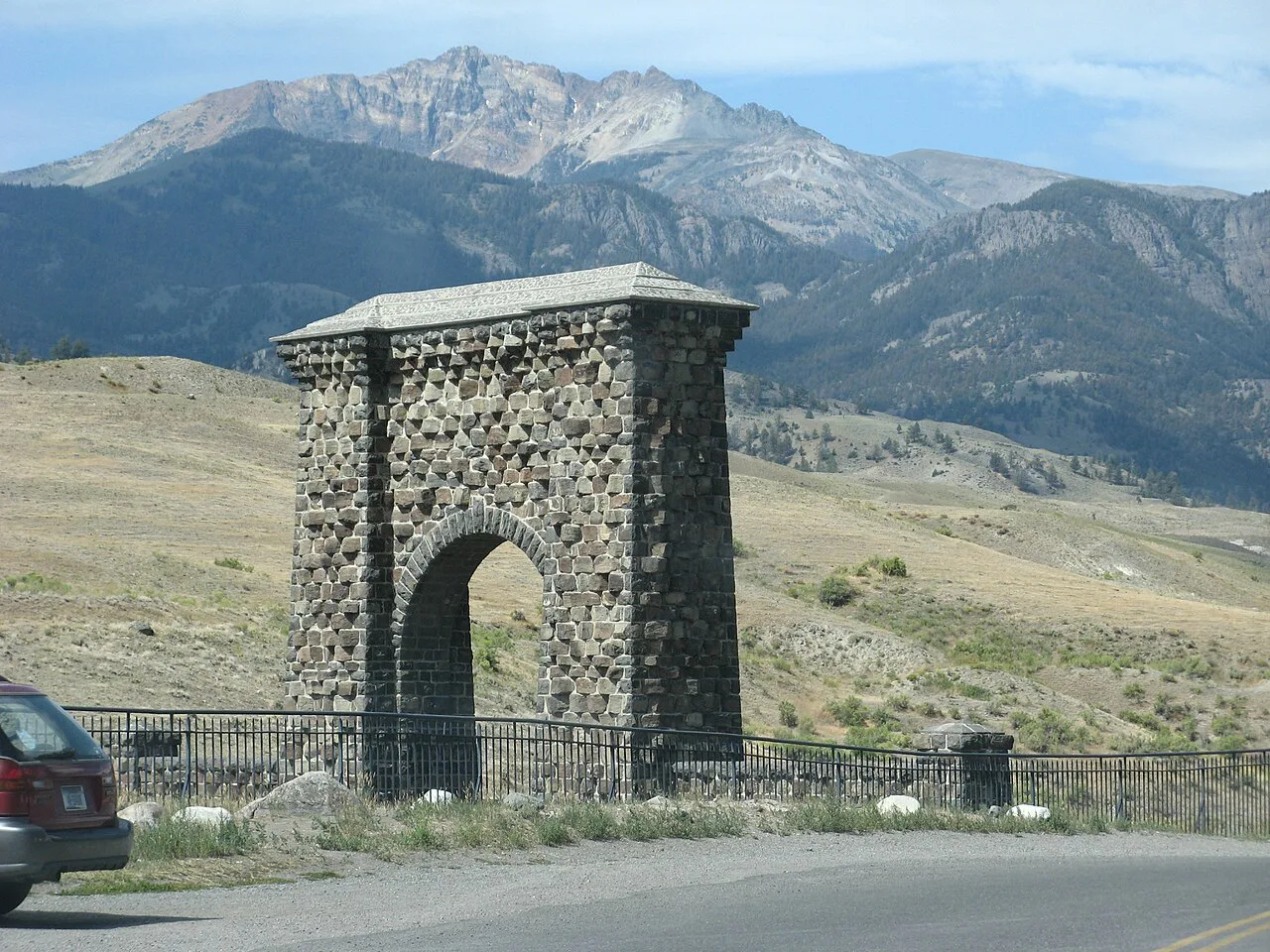
The corridor toward Yellowstone National Park adds another cluster to the itinerary. Corwin Springs, at the doorstep of Yellowstone Hot Springs, sits near the park's north entrance, so a park day can end with a soak. Travelers heading toward Missoula or the Bitterroot can work in Quinn's Hot Springs Resort, Montana, on a separate leg of the loop.
South and west of Ennis, the Jefferson Valley holds Renova Hot Springs, a quieter stop for travelers building a longer soak circuit.
Two nights in Ennis is enough to combine a junction soak, a Madison fishing morning, and a forest campground night. Three nights lets you add a Yellowstone or Bozeman leg without rushing the valley. Keep the drive segments short and let the soaking anchor each day.
What to Pack and How to Soak Responsibly
Pack for temperature swings even in summer: a warm layer for after the soak, sandals for slick pool decks, a towel, and a water bottle. Add a headlamp and a dry bag for evening soaks at forest sites, and cash as a backup for small stops. A high-clearance vehicle helps on forest roads, and a paper map covers the gaps where cell service drops.
Treat geothermal water as untreated. Keep your head above the surface, hydrate between soaks, and step out if you feel lightheaded. At developed pools, follow the posted rules on children, alcohol, glass, and pets, which differ by property.
At primitive or hike-in soaks, pack out everything and leave the site cleaner than you found it. Do not build new fire rings or move rocks to widen a pool, and keep soap and food away from the water. One good rule covers it: the next visitor should not be able to tell you were there.
Plan Your Soak
Build your Ennis trip around the hour-long drive from Bozeman, the US 287 junction, and the Madison River. Base in town for restaurants and guides, or camp in the Beaverhead-Deerlodge National Forest for quiet nights. Soak at a developed pool on arrival day and fish the Madison the next morning.
Add Bozeman Hot Springs, Norris, or a Yellowstone-area stop if you have a third day, and keep the driving short so the soaking stays the point. Check posted rules and current conditions with the operator or land manager before you go, then let the valley set the pace. For every soak in the state, start with our guide to Montana hot springs.
Frequently Asked Questions
How far is Ennis, Montana, from Bozeman?
Ennis sits roughly 52 miles southwest of Bozeman, and the drive takes about an hour. Take West Main Street out of downtown Bozeman onto US 191, continue onto MT-84, then turn south onto US 287 at about 30 miles and follow it into town.
What river flows through Ennis, Montana?
The Madison River runs through the Madison Valley and past Ennis, which is why the town is known as a fly-fishing destination. The river corridor also shapes the soak itinerary, since fishing access points and hot springs share the same stretches of US 287.
Where can you camp near Ennis, Montana?
Campers choose between Beaverhead-Deerlodge National Forest land, serviced RV parks in town such as Ennis RV Park by Starry Night Lodging, and small ranch or farm stays on private ground. Forest sites are the most self-sufficient, so bring your own water and a high-clearance vehicle for rough roads.
What is there to do in Ennis besides soaking?
Fly-fishing on the Madison River is the main draw, with a well-established guide and outfitter scene in town. The surrounding national forest adds horseback riding, boating, hiking, and camping, and nearby Yellowstone National Park and Big Sky make easy day trips.
When is the best time to soak near Ennis?
Spring and fall offer cool air, lighter crowds, and fishable water on the Madison. Summer has the longest daylight but the busiest weekends, so plan soaks for early morning or after dinner, and expect short days and icy roads in winter.
Sources
Hot springs notes for your next road trip
Optional updates when we add or revise hot springs guides.
You might also like
Continue reading
More guides you'll find useful