
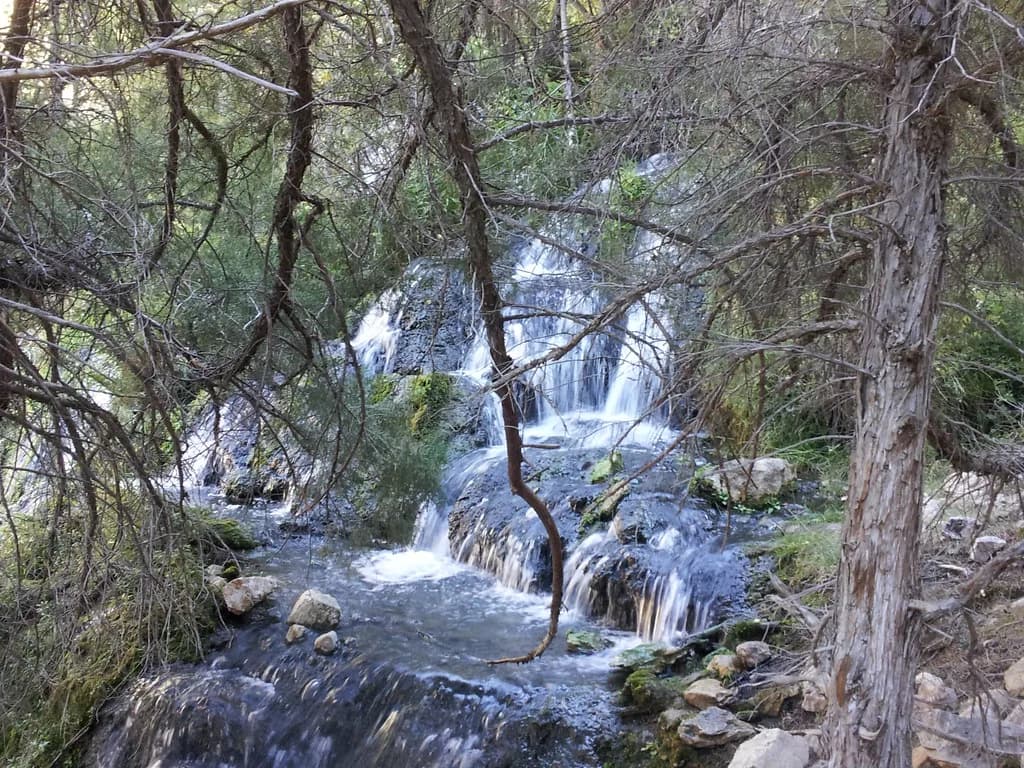
Hot Springs Near Idaho Falls: Where to Soak and How to Plan
Heise Hot Springs is the developed pool closest to Idaho Falls, with a 104-degree soaking pool. Farther out, Sunbeam and Kirkham reward a Sawtooth road trip.
On this page
Idaho Falls sits between two very different kinds of soak. The closest developed option, Heise Hot Springs, gives you a 104-degree hot pool, a large outdoor swimming pool with a diving board and a 350-foot water slide, all in a year-round resort setting with a pizza restaurant on site. That makes it the obvious pick for families, first-timers or anyone who wants a guaranteed pool rather than a river-dependent rock basin.
Head west and north instead and you trade predictability for scenery. The highway corridors around Lowman and Stanley hold a string of natural springs, from the hot waterfall at Kirkham to the riverside tubs at Sunbeam, and most of them are roadside stops rather than resort visits. The trade-off is real: these springs are shaped by river levels and runoff, so a spring that is perfect in September can be submerged in May. Use this guide to pick a direction, then match the spring to your group and season.
Why Idaho Falls Works as a Hot Springs Base
You can plan two completely different hot spring days from Idaho Falls. The first is short and forgiving: a developed pool with a slide, changing facilities and food, which suits a half-day outing with kids or a group that does not want to hike. The second is a road trip into the mountains, where the soak is primitive and the drive is a big part of the day.
| Spring | Area | Type | Notable facts |
|---|---|---|---|
| Heise Hot Springs | Closest developed option | Resort pools | 104-degree hot pool and a 350-foot water slide |
| Sunbeam Hot Springs | Sawtooth side, Highway 75 | Riverside soaking tubs | Scalding source water piped into two tubs; bring a bucket for cold river water |
| Cove Creek | Sawtooth side, Highway 75 | Roadside river pool | Source near 140 degrees according to one trip report |
| Kirkham Hot Springs | Payette corridor, west of Idaho Falls | Riverside pools | Hot waterfall over the hillside; $5 per vehicle for day use |
| Pine Flats | Payette corridor | Cliffside pools | A 0.3-mile walk along the river from day-use parking |
The Sawtooth side runs east along Highway 75 toward Stanley and Sunbeam. The Payette side runs west toward Lowman and the Ponderosa Pine Scenic Byway, where Kirkham, Bonneville and Pine Flats sit close to the road and close to campgrounds. If you are building a longer Idaho itinerary, the broader state guide to hot springs in idaho is the best place to see how these corridors connect to the rest of the state.
Heise Hot Springs: The Developed Pool Closest to Town
Heise is the spring to choose when you want a soak without a hike, a river crossing or a question about water levels. The resort operates year-round and pairs the 104-degree hot pool with the larger swimming pool, the diving board and the 350-foot slide. That combination makes it the easiest option for mixed-age groups, since non-soakers have something to do and the water temperature is posted rather than left to river flow. If you like the idea of comparing developed pools across state lines, the Nevada hot springs make a natural next stop on a longer road trip.
The atmosphere is resort-style rather than wild. You are in a pool complex with a full-service pizza restaurant, not on a gravel bar beside a river, and the experience is closer to a public pool with a hot soaking pool attached. If your ideal hot spring involves steam rising off a forest creek, skip Heise and put the drive into the Sawtooth or Payette corridors instead.
Heise Pool Layout: Hot Pool, Swimming Pool and Slide
The layout separates soaking from playing. The hot pool is the calm end of the property at 104 degrees, while the large outdoor swimming pool gives you room to swim and a diving board for the kids. The 350-foot water slide is the headliner for families and runs alongside the main pool area, so plan your visit around whether your group wants slide time or quiet soaking time.
Bring the same things you would take to any public pool: a towel, a change of clothes and footwear for wet concrete. The posted 104-degree water is hot enough that you will want to alternate with the cooler main pool, and children should be supervised around both the slide exit and the hot pool edges. Because Heise is a business rather than a public land soak, its posted pool rules govern clothing, behavior and what you can bring in.
Heise Fees and Hours: What to Expect
Treat Heise as a paid attraction and budget accordingly. Rates, season hours and slide schedules change, so confirm the current admission price and operating hours with the resort before you drive out, especially on holidays and in the shoulder seasons when the complex may run a reduced schedule. If you are comparing costs against a primitive soak, remember that the developed pool is the one with staffing, maintenance and facilities to pay for.
A summer afternoon is the busiest window, when local families arrive with children and the slide lines grow. Go early in the day if you want the hot pool to yourself, or plan a weekday visit if your schedule allows. Winter visits are quieter but check the resort's winter hours before making the trip.
The Sawtooth Run East: Sunbeam, Cove Creek and Highway 75
The Sawtooth side is the scenic option, and it rewards a full day or an overnight. Sunbeam Hot Springs sits along the Salmon River, roughly 18 minutes from downtown Stanley according to one trip report, with the water flowing through pipes into pools and tubs beside the river. The surrounding Highway 75 corridor near Stanley holds more springs, and the detailed guide to hot springs near stanley is the place to plan a multi-stop day rather than a single soak.
This run is about riverside soaking, not resort soaking. The springs sit in the Sawtooth Mountains corridor, where the scenery is the draw and the water temperature depends on how much cold river water you mix in. Give yourself time to stop, walk down to the river and adjust, and plan a Sawtooth hot spring day as its own outing rather than a quick detour if you are visiting from Idaho Falls.
Sunbeam Hot Springs: Rock Pools and Soaking Tubs on the Salmon River
Sunbeam is the most distinctive stop on the Highway 75 run. The site includes a historic stone bathhouse from the Civilian Conservation Corps era, now used as a changing room, plus interpretive boards and a pit toilet nearby. Down the steep slope east of the parking area, two soaking tubs sit directly below the spring source, and scalding water is piped down to fill them.
Treat the source water as scalding and add river water before you get in. The slope down to the river is steep.
The tubs may be empty when you arrive because each has a large drain hole in the bottom. You plug the drain, run fresh hot water through the pipes and then add cold water from the river until the temperature suits you. Bring your own bucket or watertight container for that cold water; the tubs are set up for visitors to manage, not for a fixed temperature.
Treat the source water as scalding and add river water before you get in. The slope down to the river is steep, and the rock pools along the bank shift with high water, so the layout you see in midsummer is the version to plan around. Keep your head above water in untreated geothermal water and watch children closely near the river edge.
Cove Creek and Other Highway 75 Roadside Soaks East of Stanley
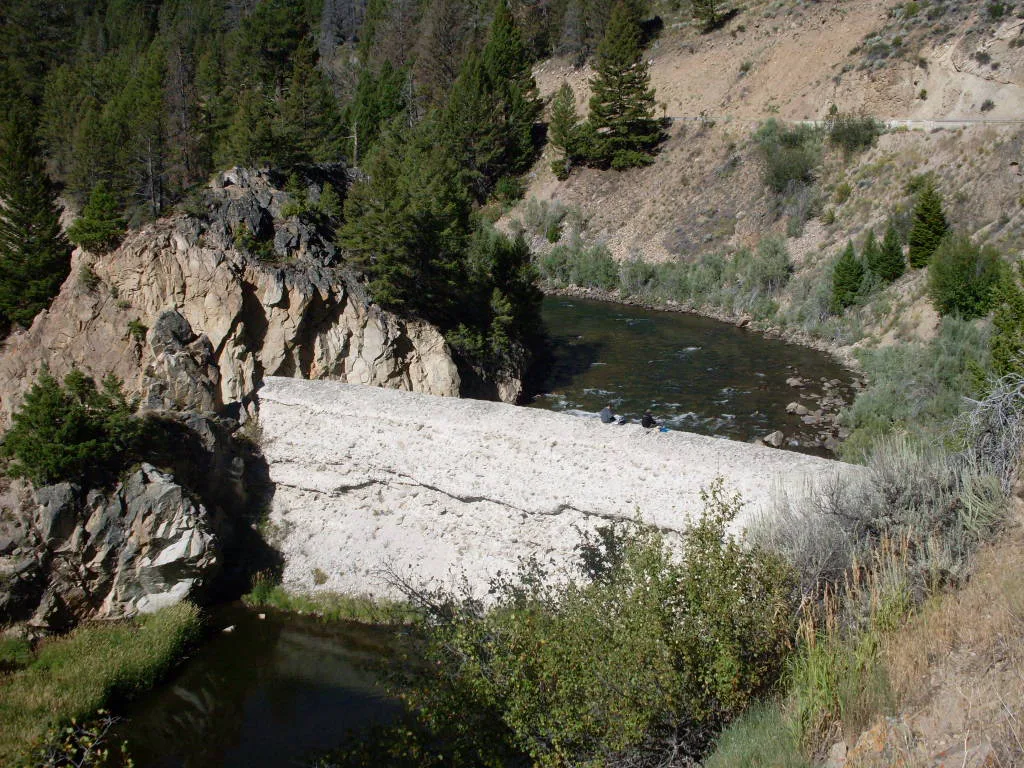
Cove Creek is the quiet counterpoint to Sunbeam. It is just off Highway 75 and a short walk downhill from a pull-out with a vault toilet, with a small pool and a grassy picnic area along the river. It is about ten minutes from downtown Stanley and sees fewer visitors than the bigger name springs, which makes it a good second stop after Sunbeam if you want a calmer soak.
The source at Cove Creek is very hot, with one trip report putting it near 140 degrees, so mix in river water and test before you settle in. The pools sit at the river's edge and may be submerged during high water or summer flows. That makes Cove Creek a better fall or winter stop than a June one, and it pairs naturally with a Sunbeam visit on the same drive.
For a soak right in Stanley, Mountain Village Resort runs a private hot spring pool inside a log building with two barn doors that open toward the Sawtooth Mountains. Soaks are by reservation, and non-guests pay a fee that one trip report lists at $25 per hour for up to three people; guests of the resort have access included. Call the resort directly to book a time slot and confirm the current rate.
The Lowman Loop West: Kirkham, Bonneville and the Payette Corridor
The Payette corridor west of Idaho Falls is the classic roadside hot spring run. Kirkham Hot Springs sits directly on the Payette River with a large parking lot off the highway, and its signature feature is a hot waterfall cascading over the hillside into the river. The former campground is now day use only, with a closed gate across the bridge, a vault toilet and trash service on site.
Arrive at sunrise and you may have the waterfall pools nearly to yourself, while a mid-morning summer weekend means sharing the riverbank with a crowd.
Kirkham is one of the most popular springs in the area, so timing matters more than at a remote soak. Arrive at sunrise and you may have the waterfall pools nearly to yourself; arrive mid-morning on a summer weekend and you will share the riverbank with a crowd. The pools have sandy and rocky bottoms and the final approach to the water is steep and slippery, so bring shoes with tread.
If you want more of the region, the hot springs near mccall lie farther north along the Payette drainage, and they make a natural extension for a multi-day Idaho hot springs trip. The drive between corridors is long, so choose one loop per day rather than trying to link Lowman and McCall in a single outing.
Kirkham Hot Springs: The Hot Waterfall and Day-Use Parking
At Kirkham you park in a large lot on the Payette River, pay a per-vehicle day-use fee or display an Interagency Pass, then walk across the bridge and turn right toward the springs. Day-use visitors pay $5 per vehicle, and an America the Beautiful annual pass covers the fee. The gate blocks vehicles from the old campground, so everything beyond the bridge is on foot.
Do not stop at the first pools you see. The best soaking is farther down toward the river or across the hillside, where the hot waterfall pours over the bank and into the river. The water temperature in the pools runs roughly 95 to 110 degrees depending on how much river water mixes in, while the source itself is hot enough to scald, so test with a hand before you commit.
The day-use setup includes a vault toilet and trash service, which makes Kirkham an easy first stop if you are new to roadside springs. Pack out anything the trash service does not cover, and keep glass and soap out of the water. In winter, the walk from the gate is short but icy, and microspikes help on the steep final section.
Bonneville and Pine Flats: Springs Tied to Campgrounds
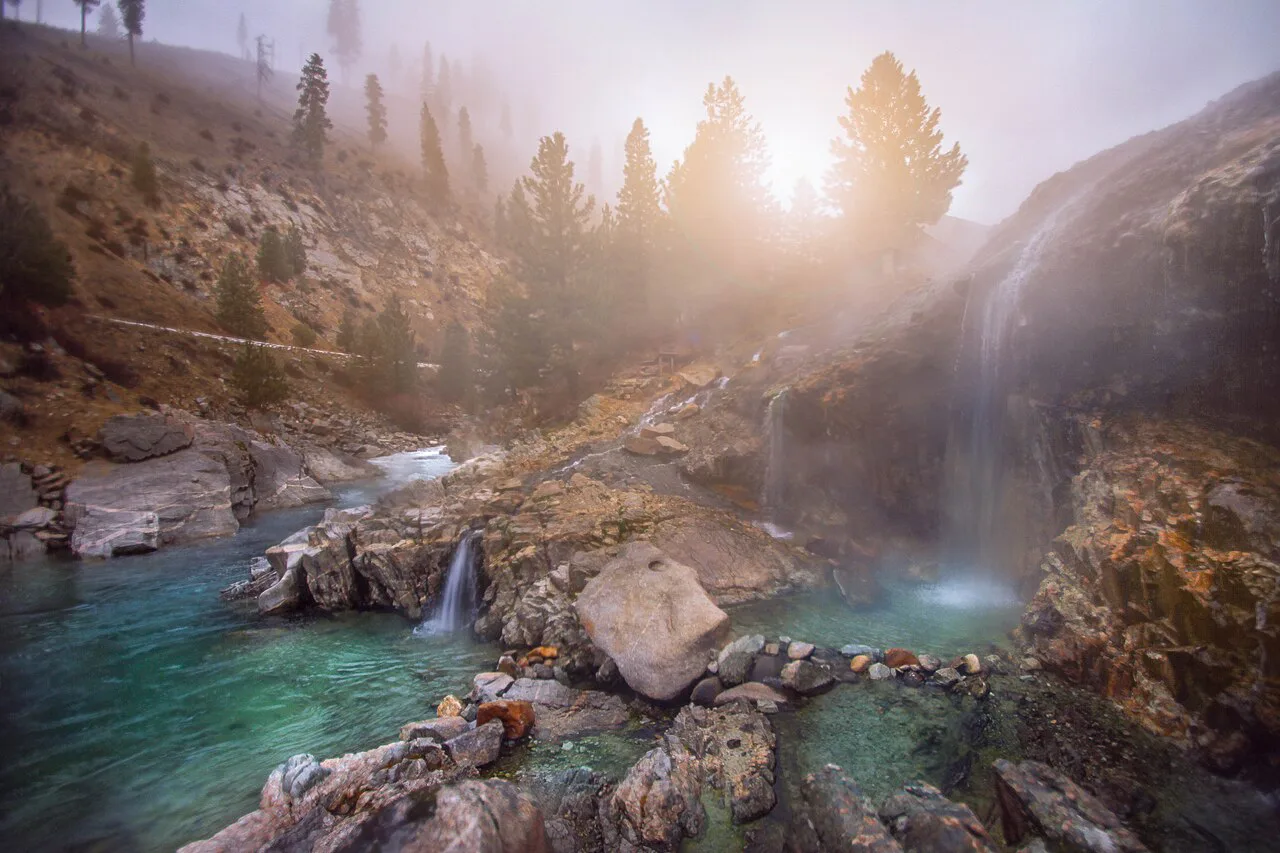
Bonneville Hot Springs sits on a bluff above Warm Springs Creek, 19 miles east of Lowman and 40 miles west of Stanley, just off the Ponderosa Pine Scenic Route. Its campground runs May through September, and campers walk about a quarter mile through the woods to reach the springs. Non-campers pay a day-use fee or display an Interagency Pass, and when the campground is closed you park at the gate or trailhead, adding about a mile to the hike.
The distinguishing feature at Bonneville is a rustic wooden soak shack with a cast iron tub you fill from a pipe, plus several rock pools downhill of the shack at varying temperatures. The tub is a nice fallback when the creek is running high, but it fills slowly and is shared, so plan to wait your turn on a busy weekend. Winter access requires snowshoes or cross-country skis once the road closes.
Pine Flats is the other campground-based option, with a 0.3-mile walk along the river from a small day-use parking area. The pools sit on a rocky cliffside above the Payette, and the scramble to reach the best ones is slippery enough that water shoes with real traction are worth carrying. Day-use visitors pay a fee or use an Interagency Pass, and campers soak without an extra charge.
Spring runoff is the main constraint at both springs. High water at Pine Flats cuts off the lower pools and can make the riverside route hazardous, while at Bonneville the creek can submerge the rock pools and leave only the tub. Plan a late-summer or fall visit if you want the full layout, and expect a longer walk in winter when the campground gates are closed.
Which Spring Suits Which Trip
Families and first-timers should start with Heise. The 104-degree hot pool, the swimming pool, the diving board and the 350-foot slide give you a controlled environment with facilities and food on site, and the posted temperature removes the guesswork. It is also the only option on this list that works well for a short half-day outing without a mountain drive.
Road-trippers with a full day should aim for the Payette corridor. Kirkham gives you the hot waterfall and an easy drive-up approach, Bonneville adds a campground and a soak shack, and Pine Flats offers the cliffside pools and a riverside walk. Primitive-soak seekers should head for the Sawtooth side, where Sunbeam and Cove Creek sit along the Salmon River and the experience depends on river levels rather than a posted schedule.
Camping and Lodging Near the Springs
Camping is the easiest way to soak early and avoid the crowds. Bonneville Campground has 22 reservable sites plus first-come, first-served sites, and it is a short walk from the springs. Pine Flats Campground has 24 reservable sites plus first-come sites on the bank of the Payette, and Hot Springs Campground has eight single sites and three group sites right on Highway 21 across from a set of roadside pools.
For a roof over your head, Stanley has several options. Mountain Village Resort anchors the town with lodge rooms, cabins, an RV park, a general store and a gas station, and its private hot spring is included for guests. Redfish Lake Lodge and Stanley High Country Inn give you two more choices close to the Highway 75 springs, with Redfish Lake Lodge sitting on the lake shore.
Grandjean Campground has 31 primitive first-come, first-served sites near Sacajawea Hot Springs, which suits a quieter overnight. Sacajawea is reached by five miles of unpaved seasonal road off Highway 21, and the road closes to vehicles in winter. The pools there depend heavily on river level, so a summer or early fall visit gives you the best chance of a comfortable soak.
Best Time to Go: Summer Crowds, Fall Colors and Spring High Water
Summer is the most reliable season for the mountain springs. Trails are open, the rivers settle down, and the pools at Sunbeam and Cove Creek become usable. It is also the busiest, so plan your soaks for sunrise, when even the popular springs are quiet and afternoon thunderstorms have not yet built.
Fall brings cooler temperatures, thinner crowds and fall colors around Stanley, and September and October are strong months for the Sawtooth run. Late in the season, higher-elevation trails may see snow and some activities close. Spring is the season to avoid for the riverside springs, because high water can submerge or cut off access to the lower pools at Pine Flats, Cove Creek and Sacajawea.
Winter is the most atmospheric and the most demanding. Steam rising over snow is the classic Idaho hot spring image, but storms can close roads and trails require snowshoes or skis, which adds hours to a short walk. If you go, look up road and trail conditions with the Forest Service before you leave and carry traction for icy sections.
What to Bring for a Roadside Soak
Pack a dry bag or daypack so your towel and clothes stay off the ground and nothing gets left behind. Water shoes with decent tread are the single most useful item at Kirkham, Pine Flats and the Sunbeam slope, where wet rock makes the difference between a confident step and a slip. Bring your own bucket for Sunbeam's tubs so you can add cold river water.
Carry more water than you think you need, along with a quick-dry towel and a trash bag for your own waste and any litter you find. Leave glass containers at home and skip soap, shampoo and lotion before you get in, since the springs are not chlorinated and anything you bring in stays in the water. A waterproof layer for your belongings helps on the sandy riverbanks at Kirkham.
Combining Springs on a Long Weekend from Idaho Falls
A two-day loop works well if you split the directions. Spend day one on the Payette corridor, hitting Kirkham early, then Bonneville and Pine Flats in the afternoon, and camp at one of the campgrounds beside the springs. Day two takes you east toward Stanley for Sunbeam and Cove Creek, with a stop in town for supplies and a soak at Mountain Village if you reserved a slot.
Do not try to cover both corridors and McCall in a single weekend. The drives add up, and the best soaks happen when you arrive early and have time to adjust to the water. Pick two or three springs per day, plan around river levels, and treat the drive between them as part of the trip rather than dead time.
If you are extending the trip, the hot springs near twin falls sit south of the Snake River Plain and offer a different landscape on the return leg. Adding that stop turns a weekend into a longer tour, but only if you have the extra day to spare.
Leave No Trace for the Primitive Springs
The undeveloped springs on this list are not maintained like a park. Pack out everything you bring, including food scraps and toilet paper, and use established paths rather than cutting new ones through the vegetation. If you find trash left by others, carry some of it out, since a few minutes of cleanup keeps these places worth visiting.
Soap, shampoo and sunscreen all affect the water, so rinse off before you soak and keep products out of the pools. Keep your voice down so others can enjoy the quiet, and leave glass at home because broken pieces are hard to see on a rocky riverbank. Use the vault toilet where one exists and bury waste well away from the water where none does.
Plan Your Visit
Choose Heise when you want a guaranteed 104-degree soak with a slide, a pool and a restaurant, and choose the mountain corridors when you want a spring that feels like a discovery. The Payette side near Lowman is the easier road trip from Idaho Falls, with Kirkham, Bonneville and Pine Flats close to the highway and close to campgrounds. The Sawtooth side rewards a longer drive with Sunbeam's tubs and Cove Creek's riverside pools.
Build your day around early starts and river levels. Camp beside the springs if you can, carry water shoes and a bucket, and check current conditions with the Forest Service before a winter or spring trip. That is enough to turn a single soak into a solid weekend.
Frequently Asked Questions
What is the closest developed hot spring to Idaho Falls?
Heise Hot Springs is the developed option in the area, with a year-round pool complex that includes a 104-degree hot pool, a large outdoor swimming pool, a diving board and a 350-foot water slide. It is a resort-style visit with a restaurant on site rather than a primitive soak.
What is the water temperature at the Heise hot pool?
Visit Idaho lists the Heise hot pool at 104 degrees. The main swimming pool is separate and cooler, so you can alternate between soaking and swimming.
Are there natural hot springs near Idaho Falls?
The natural springs are farther out, in the mountains west and east of town. The Payette corridor near Lowman has Kirkham, Bonneville and Pine Flats, while the Sawtooth side along Highway 75 has Sunbeam and Cove Creek.
How do the tubs at Sunbeam Hot Springs work?
The two tubs sit below the spring source, and scalding water is piped down to them. Each tub has a large drain hole that you plug before running fresh hot water, and you add cold river water from the river to bring the temperature down. Bring your own bucket or container for that cold water.
Do you need reservations at Mountain Village Hot Springs in Stanley?
Yes. Soaks at Mountain Village Resort's private hot spring are by reservation, and non-guests pay a fee. Call the resort directly to book a time slot and confirm the current rate.
When is the best time to visit the mountain hot springs?
Summer and early fall give you the most reliable access, since high spring runoff can submerge or cut off the riverside pools at Pine Flats, Cove Creek and Sacajawea. Fall brings thinner crowds and fall colors, and summer mornings are the quietest window at popular springs like Kirkham.
Can you camp next to hot springs on the Payette River?
Yes. Bonneville Campground and Pine Flats Campground sit within walking distance of their springs, and both have reservable sites plus first-come, first-served sites. Hot Springs Campground on Highway 21 is also close to a set of roadside pools.
Sources
Hot springs notes for your next road trip
Optional updates when we add or revise hot springs guides.
You might also like
Continue reading
More guides you'll find useful

.jpg)