Potosi Hot Springs, Montana: Trail, Pools and Camping Guide
Hike about 1.5 miles from Potosi Campground to a small rock-walled pool in Montana's Tobacco Roots, with water in the 90s and camping at the trailhead.
On this page
Potosi Hot Springs rewards the walk rather than the drive: a small, rock-walled pool fed from a hillside in the Tobacco Roots of southwestern Montana, reached on foot from a national forest campground. It suits hikers who want an undeveloped soak on public land and are content with a modest pool, a short climb and a night in the campground or a nearby town.
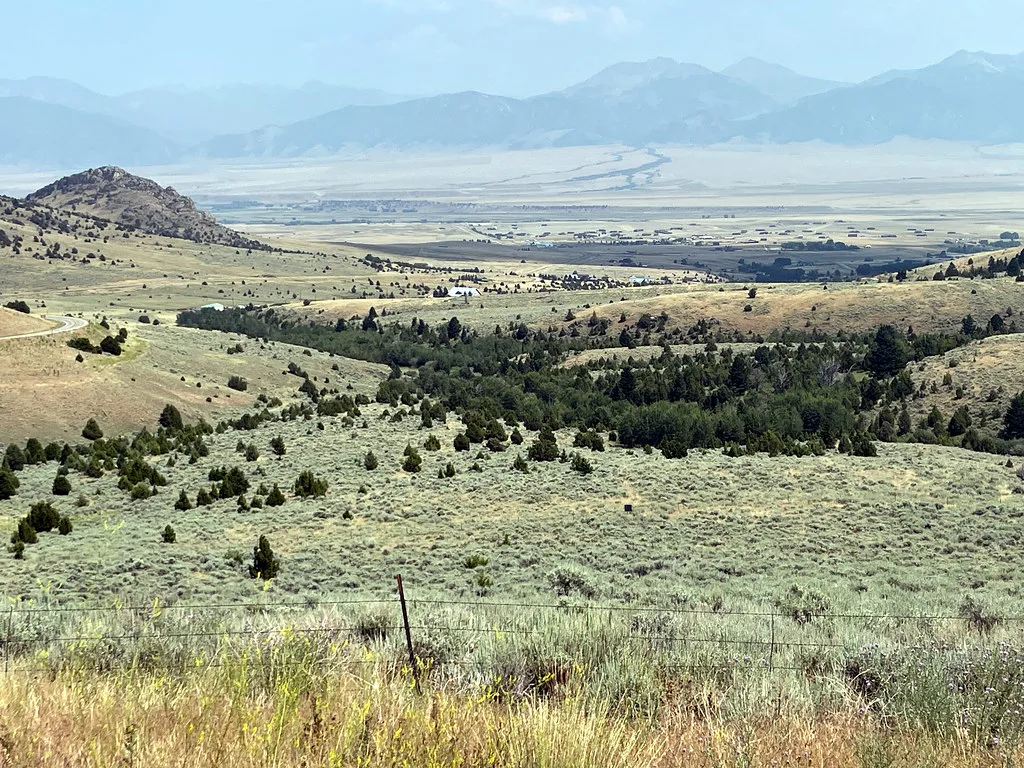
The appeal is the setting as much as the water. Cattle graze the surrounding pasture, the trail runs through lodgepole pine, and the pool sits against a hillside where the spring emerges. Plan on an evening or early-morning visit if you want quiet, and treat the soak as one stop in a longer loop through the region's developed resorts.
Where Potosi Hot Springs sits
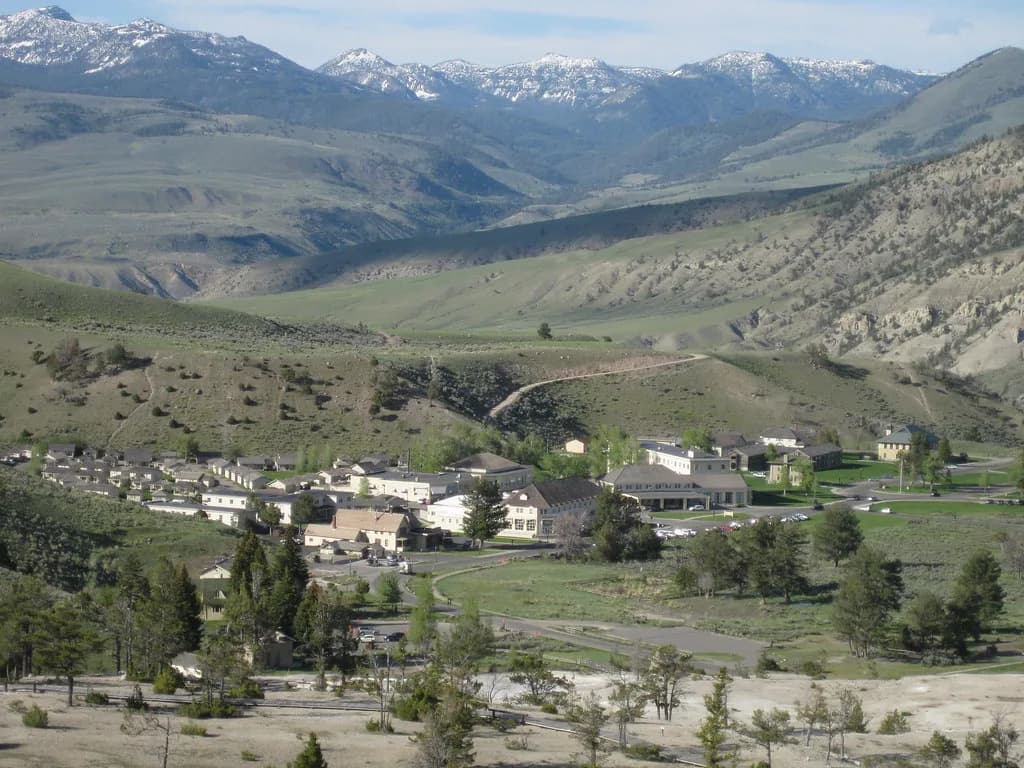
Potosi Hot Springs lies along South Willow Creek in the Gallatin Range in Madison County, near the small community of Pony in the Tobacco Roots. The route from Butte runs about 60 miles and roughly an hour, following I-90 east to exit 256 at Cardwell, then MT-359 south toward Pony and Potosi Road. From Bozeman, the drive is longer but straightforward once you pick up US-287 or MT-359 south of Three Forks.
The last stretch is a dirt forest road rather than highway, and it can carry potholes after storms or spring runoff. Standard cars manage it with care when the road is dry and graded; mud or snow changes the calculation quickly. If you are coming from out of state, build the drive around daylight so the final section is not a first-time navigation exercise in the dark.
The spring is public land, and the pool is not attached to a lodge, resort or day-use facility. There is no gate, front desk or posted opening time to plan around. Your base is the national forest campground at the trailhead or a room in Ennis, Virginia City or Bozeman, depending on which direction you are traveling.
The hike in
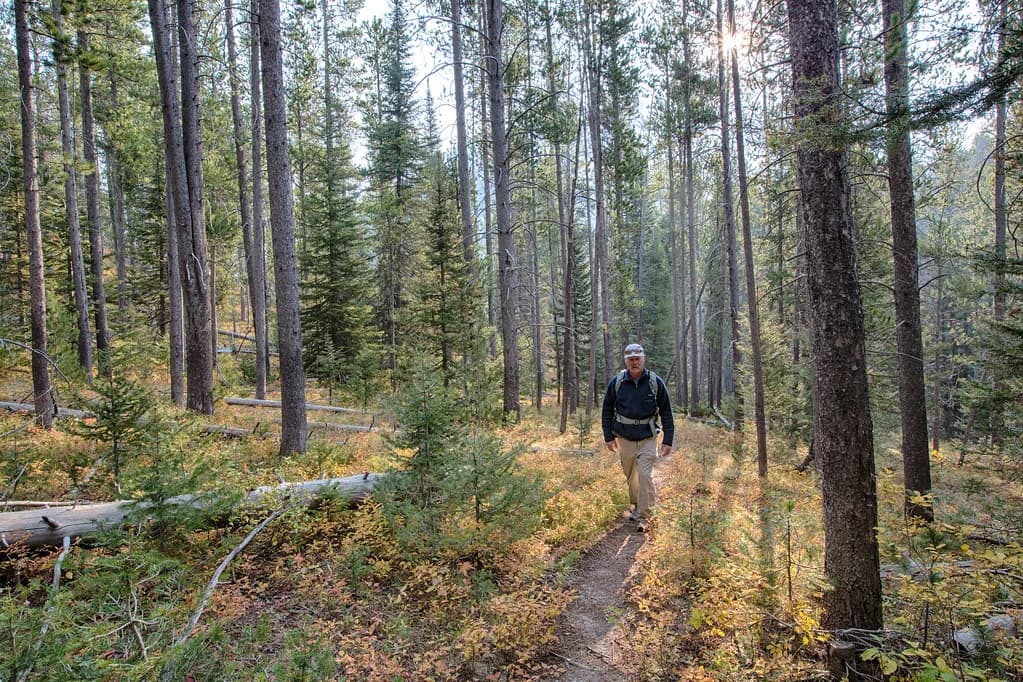
Park at Potosi Campground and Picnic Area, where the trail leaves from the campground. The hike is about 1.5 miles one way with only modest elevation gain, and the route is rated easy. Trail trackers put the round trip at 1.6 miles with about 68 feet of gain, so plan on 30 to 60 minutes each way depending on pace, snow and how often you stop to sort out the path.
The hike is about 1.5 miles one way from Potosi Campground and is rated easy, with only modest elevation gain.
The trail follows the creek drainage and crosses water along the way, so expect wet boots in spring and after rain. Roots, rocks and muddy sections are the main footing concerns. In early summer, runoff makes the crossing more consequential; by late summer the same crossing may be a rock hop.
Finding the pool on the way out is the usual difficulty. The route leaves the main trail and climbs through a lodgepole fence around the soaking area, and in low light the junctions are easy to overshoot. Carry a headlamp for an evening soak and glance back at the trail on the way in so the return looks familiar.
Winter access is the practical limit on the hike rather than the pool itself. Snow on Potosi Road and the trail can close the drive or turn the walk into a snowshoe, and the road is not maintained as a year-round paved route. If you are targeting a shoulder-season window, ask the Forest Service district office about road and trail conditions before you leave.
The pools
Upper Potosi Hot Springs is a single primitive pool with rock walls and a gravel bottom, built into the hillside beside the creek. The source enters from the slope above and also seeps up through the bottom, so the soak mixes hot inflow with cooler creek-influenced water. The pool is small; a handful of people fills it.
The source is hotter than the pool, so keep your head above water and stay away from where the water enters.
Water temperature runs roughly 90 to 99 degrees depending on the season, which makes it a warm soak rather than a scalding one. Spring runoff and cool nights push it toward the lower end; late summer and low water bring it closer to the top of that range. The source itself is hotter than the pool, so find a comfortable spot away from where the water enters.
A lodgepole pine fence surrounds the pool to keep cattle out of the water, and the surrounding ground is open pasture. Clothing is optional at the soak, which is worth knowing if you are bringing first-timers or family. The pool is not a developed facility, so arrive with a towel, sandals for the gravel bottom and a dry layer for the walk out.
The pool is tiny enough that a group of four or five takes it over. That is the main trade-off against the easy approach: you get a genuine primitive soak on public land without a long expedition, but you share it. Hikers who want room to spread out should look at larger developed pools elsewhere in the region.
Camping at Potosi Campground
Potosi Campground sits at the trailhead and doubles as the parking area for the soak, which makes it the obvious base. Camping there puts the hike at the start of your evening rather than at the end of a long drive. Sites are first-come in the usual national forest style, so a Friday arrival in summer is the riskiest timing.
The campground is a small, quiet national forest camp rather than an RV resort: vault toilets, fire rings and sites tucked into the timber. Bring your own water and pack out trash. For a roofed bed, Pony and Ennis are the nearest options, with more choices in Bozeman and Butte.
Dogs and posted etiquette
Dogs are allowed on the trail but must be leashed, and they should stay out of the pools. That keeps the water clean and prevents a dog from getting into hot source water at the top of the pool. Leashes also matter around the cattle pasture the trail passes through.
This is a hike-in soak on public land, so pack out everything you carry in, including food scraps and broken glass risk items. Keep soaps, sunscreen residue and dogs out of the pool, and stay on the established trail rather than cutting through the pasture. Treat the lodgepole fence as the pool boundary, not as a place to hang wet gear.
Crowds and timing
Potosi is a known soak rather than a secret, and its short approach makes it popular on summer weekends. The pool's small size means a single group can occupy it. Go early in the morning or on a weekday evening for the best chance at a quiet soak, and have a backup plan if the pool is full.
Late summer and early fall are the sweet spot: the creek crossing is easiest, the road is usually dry, and the water sits near the warm end of its range. June brings high water and muddy road sections; October can bring early snow on the final stretch. Night soaks are memorable here, but bring a headlamp and a warm layer for the walk out.
Nearby springs to add on a road trip
Potosi works well as one stop in a southwestern Montana loop. From the Tobacco Roots, you can head north toward Bozeman for developed pools with locker rooms and food, or west toward the Jefferson Valley for a more rustic riverside stop. The regional guide covers the full spread of hot springs in Montana and helps you sequence them by drive time. If you are extending the trip beyond state lines, a Wyoming guide to hot springs makes a useful next chapter for the drive south.
If you want a second soak on the same trip, Bozeman Hot Springs offers multiple pools and a developed facility, useful after a night in a tent. Travelers heading south toward Yellowstone can add Yellowstone Hot Springs near Corwin Springs for a developed pool with mountain views. Either makes a sensible second day after Potosi.
Drivers continuing northwest toward Missoula can trade the primitive pool for a full resort day at Quinn's Hot Springs Resort on the Clark Fork, where the draw is developed pools and riverside lodging rather than a hike-in soak. That contrast is the point of stringing several springs together: a primitive night at Potosi, then a comfortable reset.
Safety at a primitive pool
The water entering the pool is hotter than the pool itself, so keep your head above the water line and avoid sitting directly in the inflow. Untreated geothermal water should not be swallowed or used for washing. Gravel bottoms and rock walls get slick with algae, so move slowly and wear sandals if you have them.
Creek crossings are the other hazard on this hike. Runoff in June makes the crossing higher and faster, and cold water plus muddy banks make slips likely. If the creek looks pushy, turn around rather than crossing; the soak will be there next trip. Carry a headlamp for the return hike and tell someone where you are going, since cell coverage in the Tobacco Roots is patchy.
Plan Your Visit
Potosi Hot Springs is the right first primitive soak for hikers who want public land, an easy 1.5-mile walk and water in the 90s without a resort bill. Plan it around a night at Potosi Campground, arrive early or on a weekday, and come prepared for the creek crossing and the short climb through the lodgepole fence.
Before you drive, confirm road conditions on Potosi Road with the Forest Service district office, especially in spring and fall. Pair the soak with a developed pool on the way home and you get both sides of Montana's hot springs in one trip. For every soak in the state, start with our guide to Montana hot springs.
Frequently Asked Questions
How long is the hike to Potosi Hot Springs?
It is about 1.5 miles one way from Potosi Campground, on an easy trail with only modest elevation gain. Trail trackers put the round trip near 1.6 miles, so most hikers cover it in well under an hour each direction. Expect longer in mud, snow or after a wet spring, and carry a headlamp if you plan to soak at dusk.
What is the water temperature at Potosi Hot Springs?
The pool runs roughly 90 to 99 degrees depending on the season. Cooler creek water and spring runoff pull it toward the low end, while late summer and low flow push it toward the top of the range. The source water entering the pool is hotter, so pick a spot away from the inflow.
Can you camp at Potosi Hot Springs?
Yes. Potosi Campground sits at the trailhead and doubles as the parking area for the soak, making it the natural base for an evening visit. It is a small national forest camp rather than a full-service RV park, so bring your own water and plan to pack out trash.
Are dogs allowed at Potosi Hot Springs?
Dogs are allowed on the hike but must be leashed, and they should stay out of the pools. Keeping a dog leashed also matters through the cattle pasture the trail passes. Bring waste bags and carry them out with everything else.
Is Potosi Hot Springs clothing optional?
Clothing is optional at the soak, which is useful to know before bringing first-timers or family. The pool is small and visible from the surrounding bank, so groups wanting privacy should aim for quiet hours or choose a developed pool instead.
Sources
Hot springs notes for your next road trip
Optional updates when we add or revise hot springs guides.
You might also like
Continue reading
More guides you'll find useful