
Stagecoach Hot Springs, New Mexico: Soaking Below Taos
Stagecoach Hot Springs, also called Manby, sits below the Rio Grande gorge rim near Taos, New Mexico. Here is the hike, the pools, and how to plan a soak.
On this page
Stagecoach Hot Springs, which most people call Manby, is the kind of soak you earn: three rock-and-sediment basins wedged against the Rio Grande at the bottom of a canyon below Taos, New Mexico. The reward is a hot pool with the river running past your shoulder and layered rock walls rising overhead. It suits hikers and road-trippers with a half day to spare, not anyone looking for a paved poolside lounger.
The catch is the climb. The trail drops about a mile from the rim to the river, and every step down becomes a step back up when you're warm and relaxed. Plan the soak around your fitness and the day's heat rather than the other way around.
Why soak at Stagecoach Hot Springs
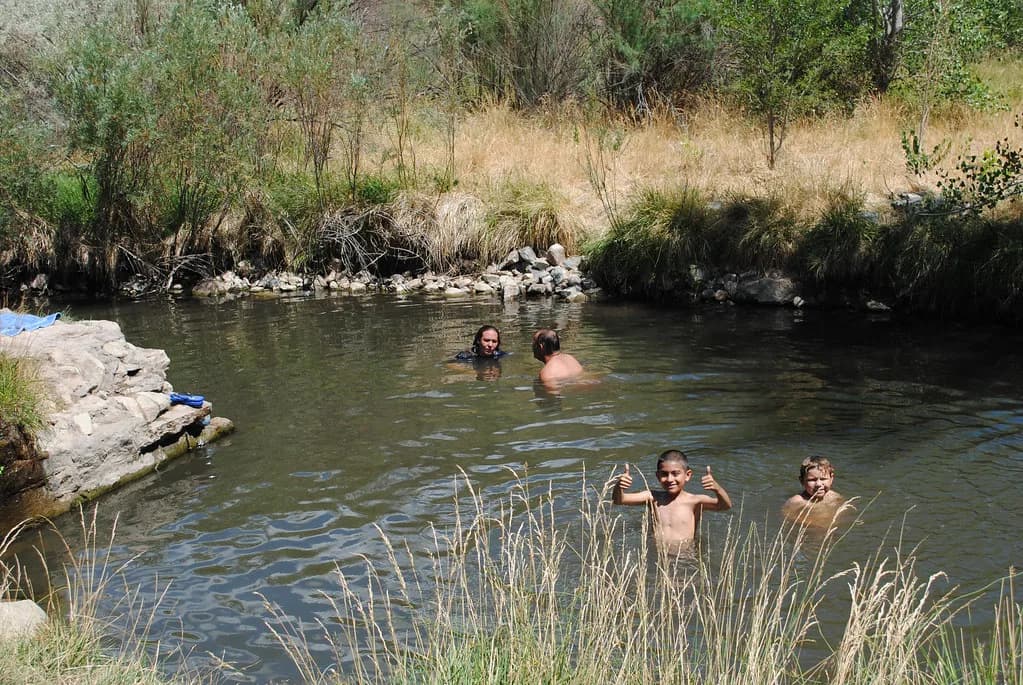
The draw here is variety in a small space. Three pools sit within a short walk of each other, contained by rock walls and sediment, and they run at different temperatures, so you can move between them as you warm up or cool off. The largest two hold a group comfortably, and all three pools together could hold fifteen people without being too crowded.
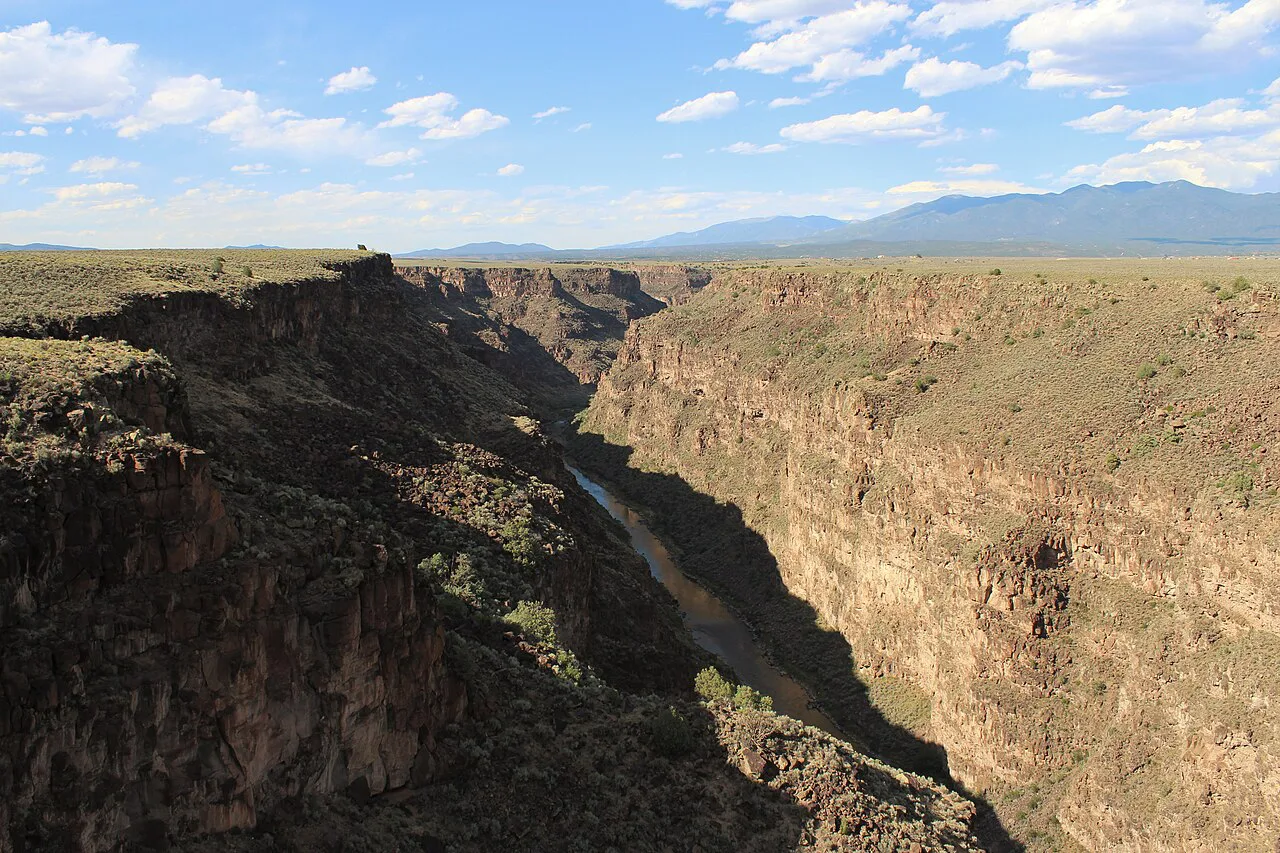
The setting does as much work as the water. You're soaking at river level with the gorge walls stacked above you, and the canyon views shift the whole way down the trail. Combine that with a Taos base and you have a solid half-day outing that pairs well with the town's food and galleries.
Where Stagecoach Hot Springs is
Stagecoach, or Manby, sits on the Rio Grande in the gorge country outside Taos, near Arroyo Hondo on the west side of the river. The spring is a natural thermal feature rather than a developed bathhouse, tucked into the canyon below the rim.
This stretch of the Rio Grande is part of the bigger gorge corridor that includes the Rio Grande del Norte National Monument and the Wild Rivers recreation area upriver. Treat the spring as one stop in that landscape: the rim roads, the river, and the monument lands all connect, so a soak can anchor a longer day of driving and overlooks.
Getting there
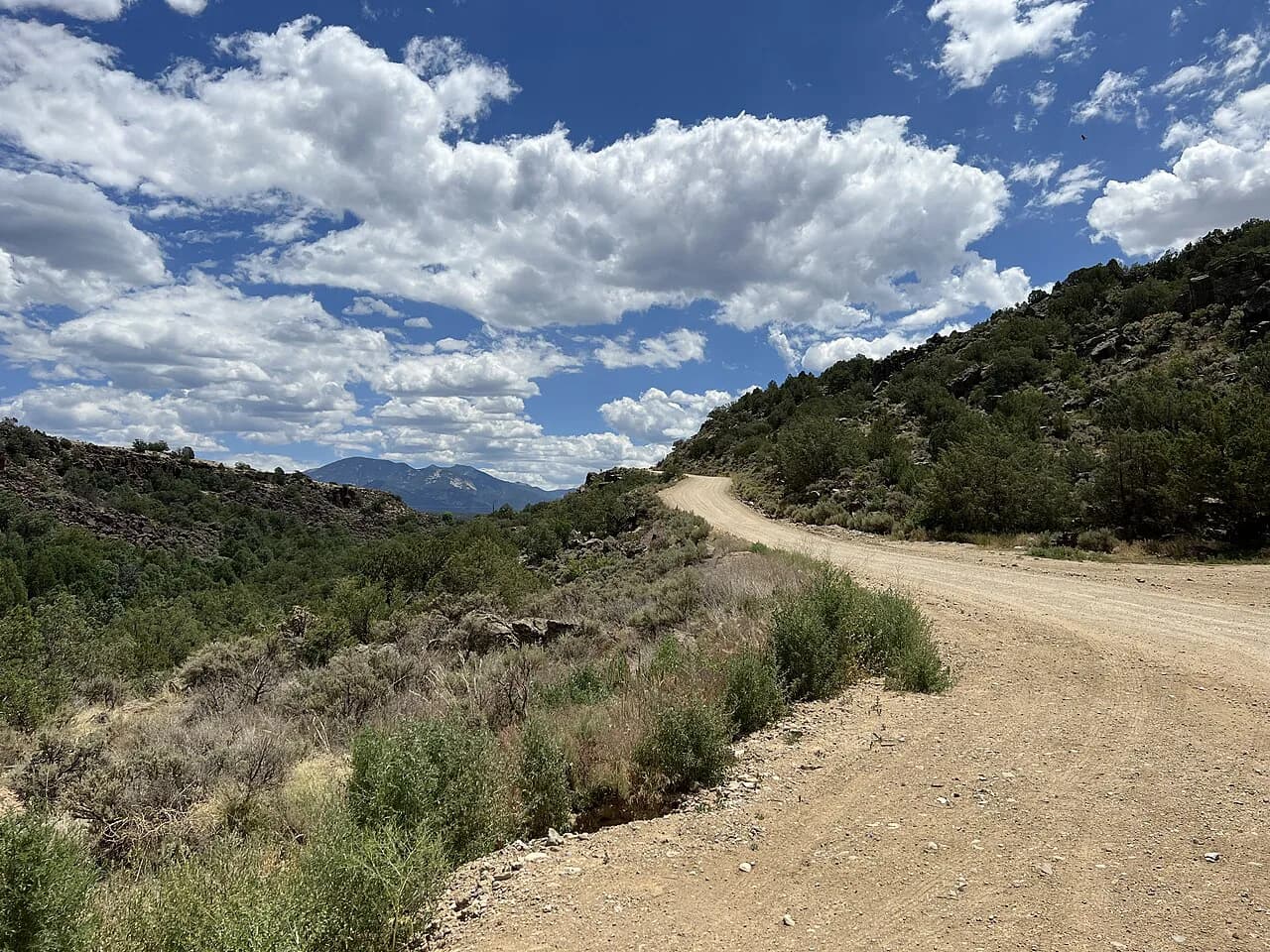
The approach is on rough, rutted dirt roads down to the rim trailhead, so give yourself time and drive something with reasonable clearance. A standard sedan can manage with care in dry weather, but the surface is slow going and you'll want to avoid scraping on the rutted sections.
Taos is the practical base for supplies, gas and a bed, and the drive out to the gorge trailhead is short enough to do in a morning. Stock up in town before you head for the rim, since there are no services once you leave the pavement.
The hike down to the river
From the parking area, the trail drops straight into the canyon on a steady descent for about a mile to the river's edge. It's a clear path rather than a route-find, and the layered rock and changing views keep the walk interesting. Most hikers reach the water in well under an hour at an easy pace.
The return is the real decision point. What felt like an easy downhill becomes a sustained climb back to the rim, so budget energy and water for the ascent, and start up before you're completely cooked by the soak and the sun. Hikers with knee issues should bring poles for the descent.
The pools
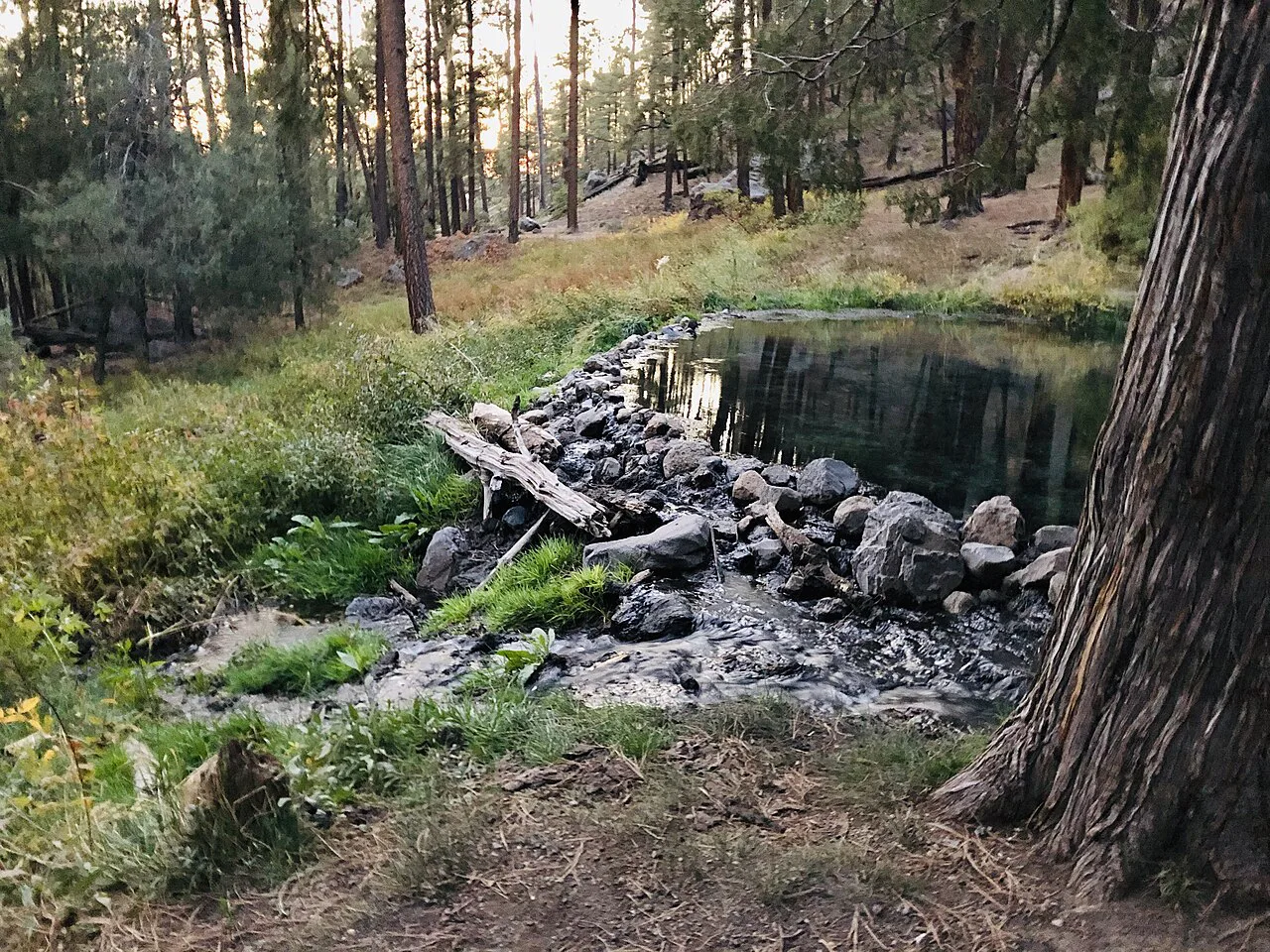
The three basins are built into the rock and sediment at the river's edge, and the pool farthest from where the trail reaches the water is the smallest and the hottest. It bubbles with rising gas and has fine sediment on the bottom, so expect a little grit and a lot of heat. The other two are larger and run closer to bathwater warmth, which makes them the better choice for a long, relaxed sit.
Start in one of the cooler, larger basins to acclimatize, then move to the hot one for a short stint. Use the river to cool off between soaks.
Pick your pool on purpose. Start in one of the cooler, larger basins to acclimatize, then move to the hot one for a short stint, and use the river to cool off between soaks. The cold, fast water is right there, but check the current before you wade in.
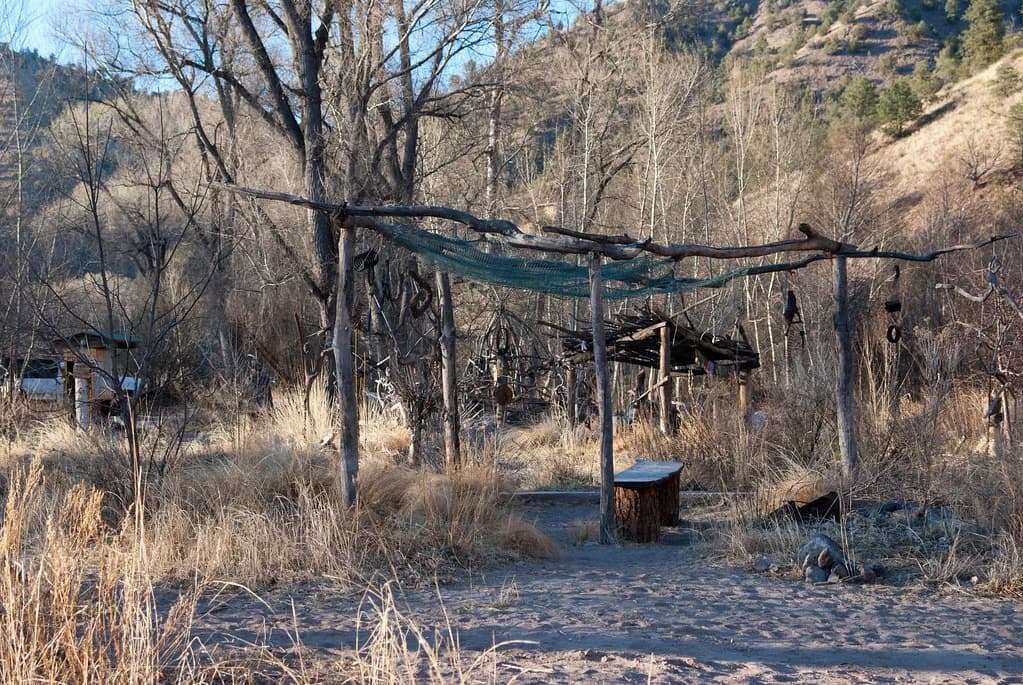
Structural remains, including stacked clay brick walls and hints of buildings set into the canyon, sit around the pools, a reminder that this spot has been used for a long time. Look, don't move stones or dismantle walls to improve a pool; the basins work because people leave them alone.
Safety and soak etiquette
This is untreated geothermal water in a canyon, so keep your head above the surface and avoid swallowing river or pool water. The rock around the pools is slick, and the river runs cold and strong, so move carefully at the water's edge. Heat plus a climb out is a real combination, so soak in shorter stretches than you would at a developed pool.
The climb back to the rim is the harder half. Heat plus a climb out is a real combination, so soak in shorter stretches than you would at a developed pool.
Because this is a primitive site, pack out everything you bring in, including food scraps and glass, and leave the pools as you found them. Keep group noise down, since sound carries in the canyon, and give other soakers room in the smaller pool.
Camping and lodging
Taos is the most straightforward overnight base, with the widest range of lodging and dining in the area. If you want to stay closer to the river, the BLM Wild Rivers area up the gorge has designated camping and recreation infrastructure on monument land. Check current conditions and any site-specific rules with the BLM Taos Field Office before you commit to a night out.
Camping near the spring itself means primitive, self-sufficient planning: bring your own water, a reliable stove, and a wag bag or pack-out system, and count on no trash service. Add layers for cold canyon nights even in summer.
Best time to go and crowd patterns
Spring and fall give you the most comfortable hiking temperatures for the climb out, and summer means starting early to beat both the heat and the afternoon buildup. Weekdays are quieter than weekends, when Taos day-trippers fill the trailhead and the pools.
Time your descent for morning light and plan to be back on the rim before the hottest part of the day. If the parking area is full, wait it out or come back another day rather than parking on vegetation or blocking the road.
Combine the trip
The gorge holds more than one soak. Black Rock Hot Springs sits on the west bank of the Rio Grande near Arroyo Hondo, just north of Taos, and makes an easy second stop on a river day. If you prefer developed pools and a short walk, the Utah hot springs offer a different soak without the canyon climb.
If you're building a longer New Mexico hot springs itinerary, pair the Taos gorge with soaks farther afield. Truth or Consequences anchors the state's developed-bathhouse scene in the south, while McCauley Hot Springs in the Santa Fe National Forest gives you a hike-in option closer to Santa Fe.
What to bring for a primitive soak
Pack for a hike, not a pool deck: sturdy shoes with grip for slick rock, a quick-dry towel, sandals for the water's edge, and more water than you think you need for the climb out. A dry bag keeps your layers and phone safe near the river.
Bring sun protection for the exposed descent and ascent, and a warm layer for the canyon floor even on hot days. Leave glass bottles at home, carry out everything you bring, and don't count on cell service at river level.
Plan Your Taos Soak
Stagecoach Hot Springs rewards the hiker who plans around the climb: go early, go on a weekday, soak in the cooler pools first, and save the small hot basin for a short finish. Taos makes an easy base, and the surrounding gorge gives you plenty to fill the rest of the day.
Before you drive out, confirm access and river conditions with the BLM Taos Field Office, then load up on water and supplies in town. That's the whole plan—the canyon does the rest. For every soak in the state, start with our guide to New Mexico hot springs.
Frequently Asked Questions
Is Stagecoach Hot Springs the same as Manby Hot Springs?
Yes. Stagecoach and Manby are two names for the same set of three rock-walled pools on the Rio Grande below the gorge rim outside Taos, New Mexico, near Arroyo Hondo. Plan for one destination, not two separate soaks.
How long is the hike to Stagecoach Hot Springs?
The trail leaves the rim and descends about a mile to the river's edge on a clear, steady grade. The downhill goes quickly; the climb back to the parking area is the harder half and deserves extra water and a slower pace.
How many pools are at Stagecoach Hot Springs?
There are three basins at the river's edge. The smallest sits farthest from where the trail reaches the water and runs hottest, with rising gas bubbles and fine sediment on the bottom, while the two larger pools are cooler and roomier.
Can you camp near Stagecoach Hot Springs?
Taos has the widest range of lodging, and the BLM Wild Rivers area up the gorge has designated camping on monument land. Camping near the spring itself means self-sufficient primitive planning with your own water and pack-out system.
What other hot springs are near Taos?
Black Rock Hot Springs sits on the west bank of the Rio Grande near Arroyo Hondo, just north of Taos, and pairs naturally with a gorge day. McCauley Hot Springs in the Santa Fe National Forest adds a hike-in option on a longer road trip.
Sources
Hot springs notes for your next road trip
Optional updates when we add or revise hot springs guides.
You might also like
Continue reading
More guides you'll find useful

.jpg)
