Starkey Hot Springs Idaho: Soaking Guide & Alternatives
Plan a primitive soak at Starkey Hot Springs in Idaho, then compare developed pools at Durfee in Almo and the Lava Hot Springs area for a Southern Idaho trip.
On this page
Starkey Hot Springs rewards travelers who treat a soak as a small expedition: a forested Idaho hillside, warm water in a rough basin, and no facility telling you when to get out. It suits self-sufficient soak-seekers with a vehicle that handles dirt roads and a willingness to carry everything back out. Families with young kids and anyone wanting showers or a shallow kiddie pool should look at the developed springs near Almo instead.
What Starkey Hot Springs is and who it suits
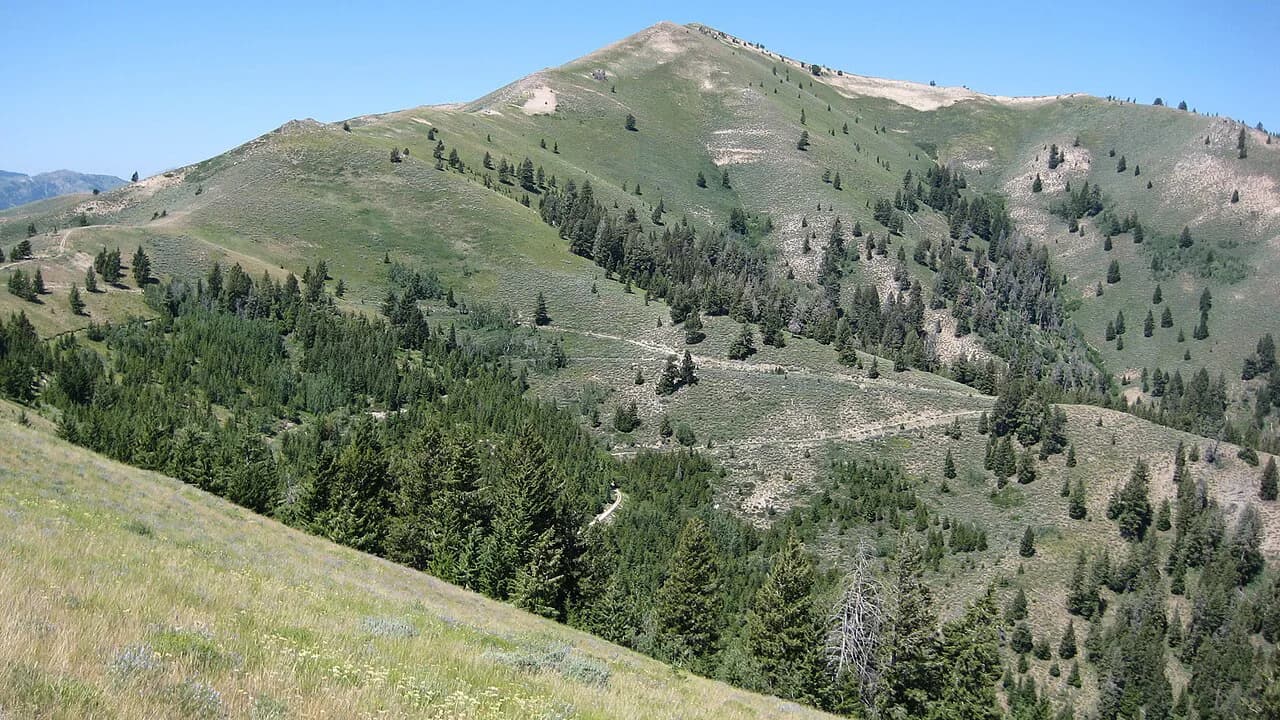
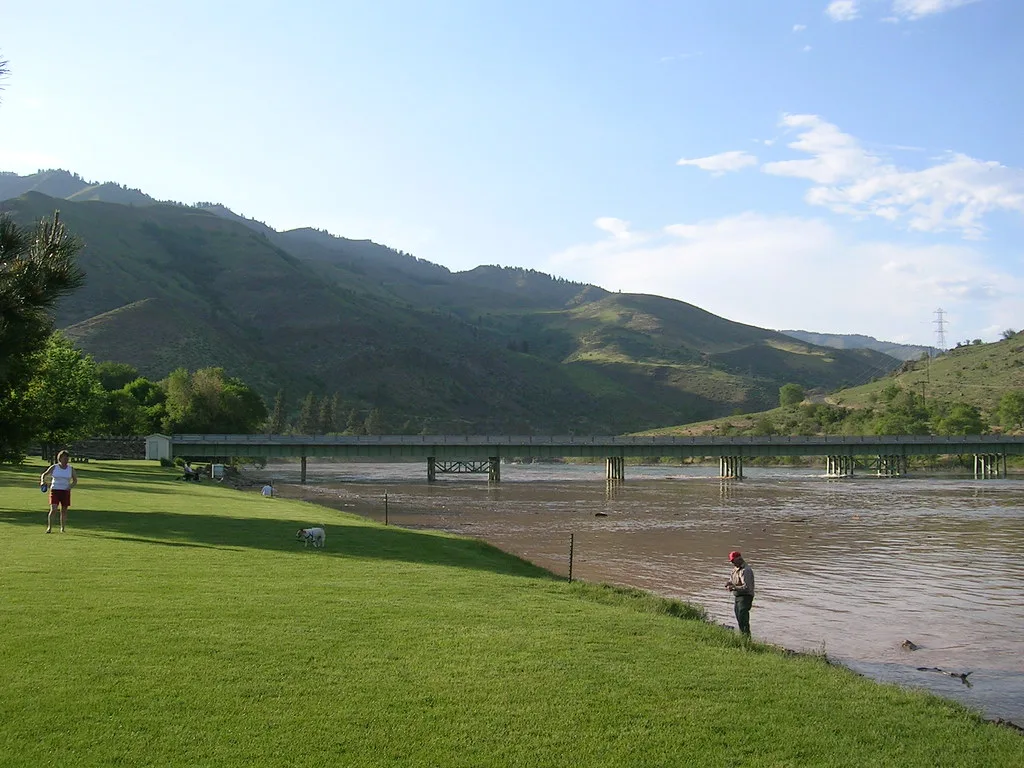
Starkey Hot Springs sits in the Southern Idaho hills southwest of the Treasure Valley, reached by a network of dirt and gravel roads rather than a paved resort driveway. The soak is primitive: expect a rustic rock-and-earth pool holding warm geothermal water, with room for a handful of people rather than a crowd. There is no lifeguard, no dressing room, and no one regulating who arrives.
That layout is exactly why some travelers seek it out. You arrive on your own schedule, soak in relative quiet, and camp or stay nearby without a front desk. The trade-off is that everything you need for comfort, warmth after the soak and a dry change of clothes included, rides in with you. If your group includes small children, older adults unsteady on slick rock, or anyone who wants predictable water temperatures, a developed pool is the better match.
Where Starkey Hot Springs sits in Idaho and how to reach it
The spring lies in the high desert sagebrush country of Southern Idaho, roughly between the Snake River Plain and the Owyhee uplands. Most travelers stage from Boise or Twin Falls and drive a mix of highway and graded dirt road, with the final stretch being the slow part. A high-clearance vehicle is the sensible choice; passenger cars can usually manage in dry weather but suffer on washboard and rocky sections.
Navigation is the real work. Download offline maps before you leave pavement, because cell service fades fast once you turn off the highway. Forest and BLM roads in this country branch constantly and signs are sparse, so carry a paper map or a saved track and plan to arrive with daylight to spare. After heavy rain or snowmelt, clay sections turn slick and rutted, and winter storms can close the access route entirely.
If your Idaho trip is built around soaking, it helps to see where Starkey fits among the state's other hot springs before you commit a day to a rough road. Our guide to hot springs in idaho maps the developed and primitive options by region, so you can decide whether Starkey is your main destination or a side stop. Soakers crossing the border can do the same planning with our Washington guide, which covers that state's primitive and resort soaks.
The soak itself: what to expect from a primitive spring
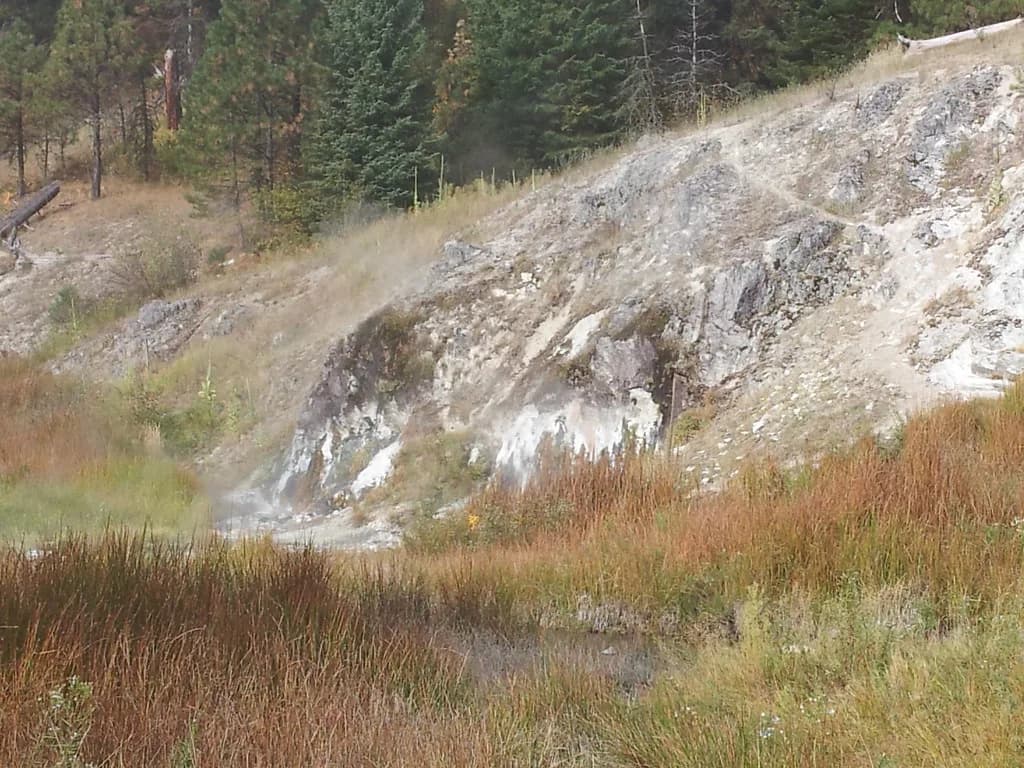
At a spring like Starkey, the pool is formed by rocks and earth damming a trickle of hot water, so the basin is small and the bottom uneven. Water depth typically runs from ankle deep to a couple of feet, and the temperature varies with how much hot water is flowing and how much cool water you let in. Source water can be scalding where it emerges, so test with a hand before you step in.
Source water can be scalding where it emerges, so test with a hand before you step in. Keep your head above the water.
Expect slick algae on submerged rocks, a sulfur smell in some conditions, and no shade structure unless previous visitors built one. Soaking is best in short sessions with breaks, especially at elevation where the dry air dehydrates you faster than you notice. Keep your head above water; untreated geothermal water is not for submerging your face or drinking.
Pack list and Leave No Trace for a hike-in soak
Bring more water than you think you need, plus a towel, a dry layer, sandals for the rocky approach, and a trash bag for everything you carry in. A small shovel and a plan for human waste matter at undeveloped sites, and a first-aid kit and offline navigation belong in the vehicle. Glass stays home; a thermos or a can is safer around bare feet on rock.
Glass stays home. A thermos or a can is safer around bare feet on rock.
Leave No Trace etiquette keeps a primitive spring worth visiting. Stay on established paths to the pool, pack out every scrap of trash including food bits, and don't build new rock dams or reroute the outflow. Camp only at existing sites or well away from the water, and keep groups small so the soak stays available to the next visitor.
Developed alternative: Durfee Hot Springs in Almo
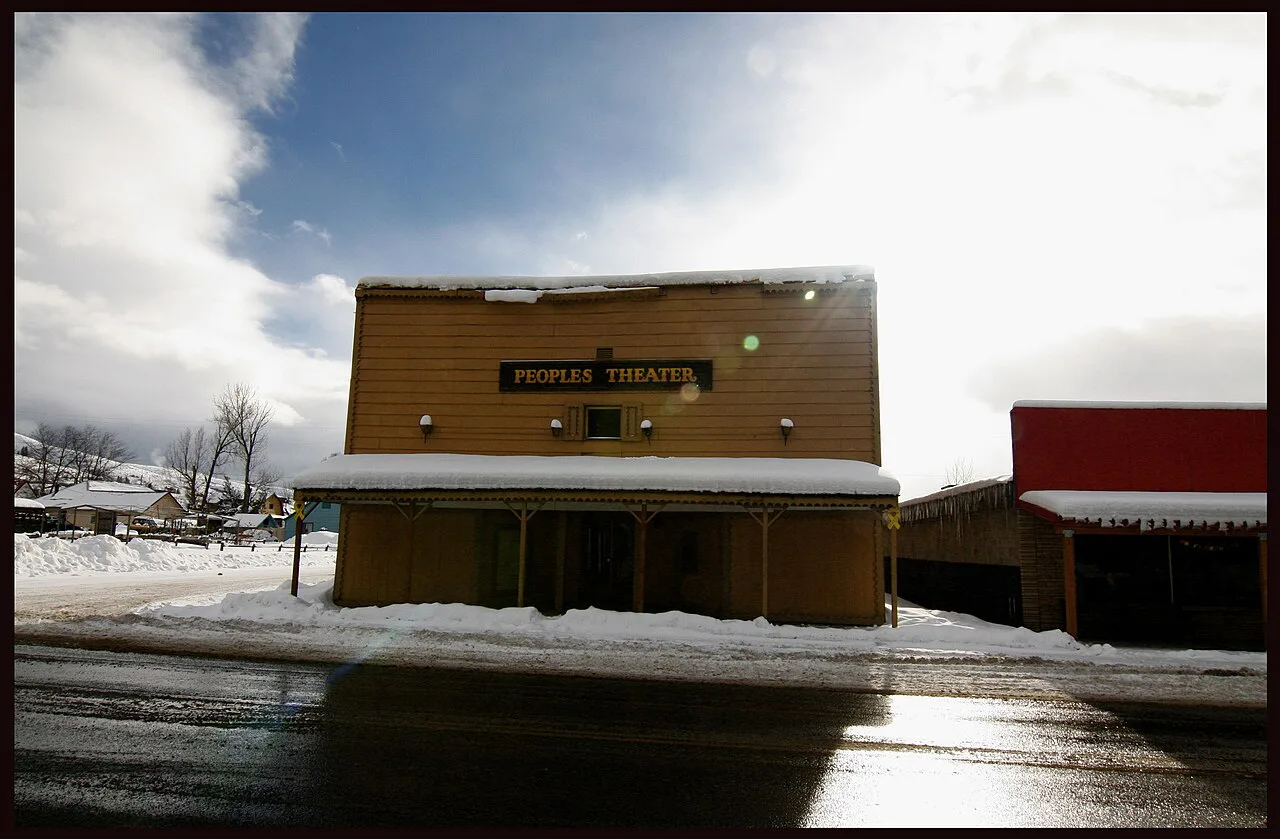
For a soak with amenities, head east to Durfee Hot Springs at 2798 Elba-Almo Rd in Almo, where the City of Rocks, Castle Rocks and the Albion Mountains frame the view in every direction. The site runs three pools — a kiddie pool, a hot tub and a swimming pool — all fed by flowing hot water, and the historical pool water runs about 104 degrees. An outdoor shower, guest dressing rooms, a concession stand and a gift shop round out the visit.
That array of water makes Durfee the practical pick for families and mixed groups, since the kiddie pool lets small children soak while adults use the hot tub or swim laps in warmer water. Days and hours shift by season, so call ahead before you build a day around it: (208) 824-5701. Almo itself is a small ranch town with lodging nearby, which makes it a natural base for City of Rocks exploring.
Developed alternatives in Southeast Idaho: Lava Hot Springs and Maple Grove
East of Pocatello, Lava Hot Springs Hot Pools is the region's flagship developed soak, with natural mineral pools open year-round at temperatures reported from 102 to 112 degrees. The water there is described as free of sulfur odor, which matters if you want a long soak without the rotten-egg smell of some primitive springs. An Olympic-size heated pool and waterslide complex, plus an indoor aquatic center, sit nearby for a full family day.
Maple Grove Hot Springs is a different flavor of developed: an off-grid soaking retreat in Southeast Idaho built around ecological wellness, natural mineral water and unplugging. Bear River Hot Springs, formerly Riverdale Resort, offers a large outdoor swimming pool and hot tubs fed by natural hot water, including a therapeutic jetted tub, a waterslide and a children's pool. All three sit in the Southeast Idaho cluster, which makes a canyon-and-valley road trip between them straightforward.
Best time of year and how crowds shift
Starkey is at its best in late spring and early fall, when daytime temperatures make soaking comfortable and the dirt roads are dry. Summer afternoons bring heat and dust, so plan on early morning or evening at the spring, and watch the sky for thunderstorms that can make roads impassable within an hour. Winter soaking has real appeal in cold weather, but snow and ice can shut off the access route.
Durfee draws families and City of Rocks campers, so expect company in summer and on holiday weekends; weekday mornings are calmer. Lava Hot Springs behaves like a resort town, with pools busiest in the middle of the day during summer vacation season and quieter on cold-weather evenings. At primitive springs, a short walk-in soak is usually less crowded than one beside a parking area.
Nearby camping and lodging around Almo and the City of Rocks
Almo is the gateway town for City of Rocks National Reserve and Castle Rocks State Park, both of which offer camping among granite formations and high-desert juniper. The Almo Inn gives visitors a lodging option in town and is a short drive from Durfee Hot Springs, making it workable for a two- or three-day loop. Reserve campsites early in summer; the reserve's popular sites fill well before weekends.
Around Starkey, camping is dispersed: you'll find undeveloped pullouts and public-land sites rather than a single campground, so arrive with a full water tank and plan to pack out waste. The nearest town services are a drive away through dirt roads, which changes how you plan fuel and groceries. A night near Almo followed by a night near the primitive spring gives you both worlds without repeating the drive.
Combining springs on a Southern Idaho road trip
A sensible Southern Idaho loop pairs Starkey with Durfee near Almo and the Southeast Idaho cluster. Start with the primitive soak, then resupply and move east to Almo for City of Rocks hiking and an evening at Durfee's three pools. From there, continue toward Lava Hot Springs for a developed soak and a hot shower before the drive home.
For travelers heading north, the Salmon River country offers a different set of soak destinations, including Frenchman's Bend Hot Springs, Idaho, where primitive pools sit above the river. That spring rewards a similar self-sufficient approach: offline maps, careful footing on rock, and no facilities. Pairing it with Starkey means committing to two rugged soaks in one trip rather than splitting time with a developed resort.
Safety: scalding water, slippery rock and your head
The biggest hazards at Starkey are the heat at the source and the rock around the pool. Geothermal water emerges far hotter than the soakable basin, and mixing zones shift with flow, so step in slowly and test with your hand first. Algae-slick rock and uneven bottoms cause falls, so move deliberately and wear sandals on the approach.
Keep your head out of untreated spring water, and don't drink it; even clear-looking pools carry minerals and microbes. Hydrate before and after soaking, since hot water plus dry high-desert air dehydrates you quickly. If you bring dogs, keep them leashed away from the pool and pack out their waste.
Plan Your Soak
Choose Starkey Hot Springs if you want a self-reliant soak in quiet Idaho hills and are set up for rough roads and pack-in, pack-out travel. Choose Durfee in Almo if you're traveling with family and want three pools, showers and a gift shop in walking distance of town.
Either way, build the trip around daylight, carry an offline map, and confirm conditions with the land manager before a long drive. For the wider picture of what Idaho offers, browse the hot springs state guide before you lock in a route.
Frequently Asked Questions
Are there any natural hot springs near Twin Falls?
Yes. Starkey Hot Springs is a primitive soak in the Southern Idaho hills within reach of Twin Falls, reached by dirt and gravel roads rather than a paved resort drive. Durfee Hot Springs in Almo gives you a developed option on the same side of the state.
Is Starkey Hot Springs developed or primitive?
Starkey is a primitive spring: a rustic basin holding warm geothermal water with no facilities, lifeguard or dressing rooms. Travelers who want pools, showers and posted water temperatures should choose a developed site such as Durfee in Almo or Lava Hot Springs Hot Pools.
What should I bring to Starkey Hot Springs?
Bring drinking water, a towel, a dry layer, sandals for slick rock and a bag to pack out all trash. Offline maps matter because cell service drops on the back roads, and a high-clearance vehicle handles the dirt sections far better than a sedan.
What is the water temperature at Durfee Hot Springs?
Visit Southern Idaho describes Durfee's historical pool temperature as about 104 degrees, with three pools fed by flowing hot water: a kiddie pool, a hot tub and a swimming pool. Water temperatures in individual pools can vary with flow and season.
How much does it cost to get into Lava Hot Springs, Idaho?
Entry pricing for Lava Hot Springs Hot Pools varies by season and by which pools or aquatic facilities you use, so check current rates when you plan your visit.
Which Southern Idaho hot springs are family-friendly?
Durfee Hot Springs in Almo is built for families with a kiddie pool, hot tub, swimming pool, showers and dressing rooms. Lava Hot Springs Hot Pools and Bear River Hot Springs also offer developed pools, waterslides and children's areas for a family day.
When is the best time to visit Starkey Hot Springs?
Late spring and early fall give the best combination of comfortable air temperatures and dry access roads. Summer means early morning or evening soaks to beat the heat, and winter snow can close the road entirely.
Can I camp near Starkey Hot Springs?
Camping near Starkey is dispersed on public land rather than in a single campground, so arrive self-contained with water and a plan to pack out waste. For established campsites, base yourself near Almo and the City of Rocks instead.
Sources
Hot springs notes for your next road trip
Optional updates when we add or revise hot springs guides.
You might also like
Continue reading
More guides you'll find useful