Trail Creek Hot Springs, Idaho: Warm Lake Road Soak Guide
Plan a soak at Trail Creek Hot Springs near Cascade, Idaho: milepost directions, the steep path to two rock-walled pools, winter traction, and road-trip pairings.
On this page
Trail Creek Hot Springs rewards drivers who want a real soak without a long hike. Two volunteer-built pools sit in the Boise National Forest beside a cold creek, reached by a steep path from a roadside pullout on paved Warm Lake Road. It suits road-trippers, families with sure-footed kids, and winter soakers who pack traction; anyone expecting facilities or a reservable pool should look elsewhere.
What Trail Creek Hot Springs is
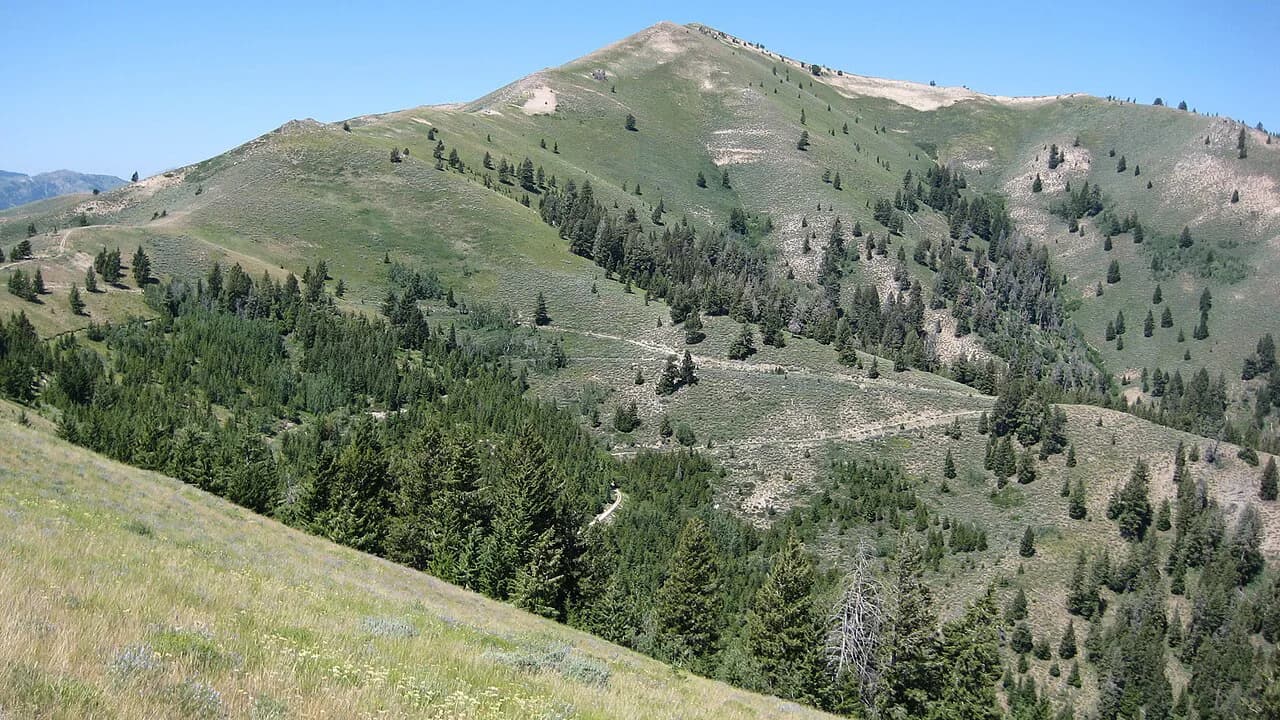
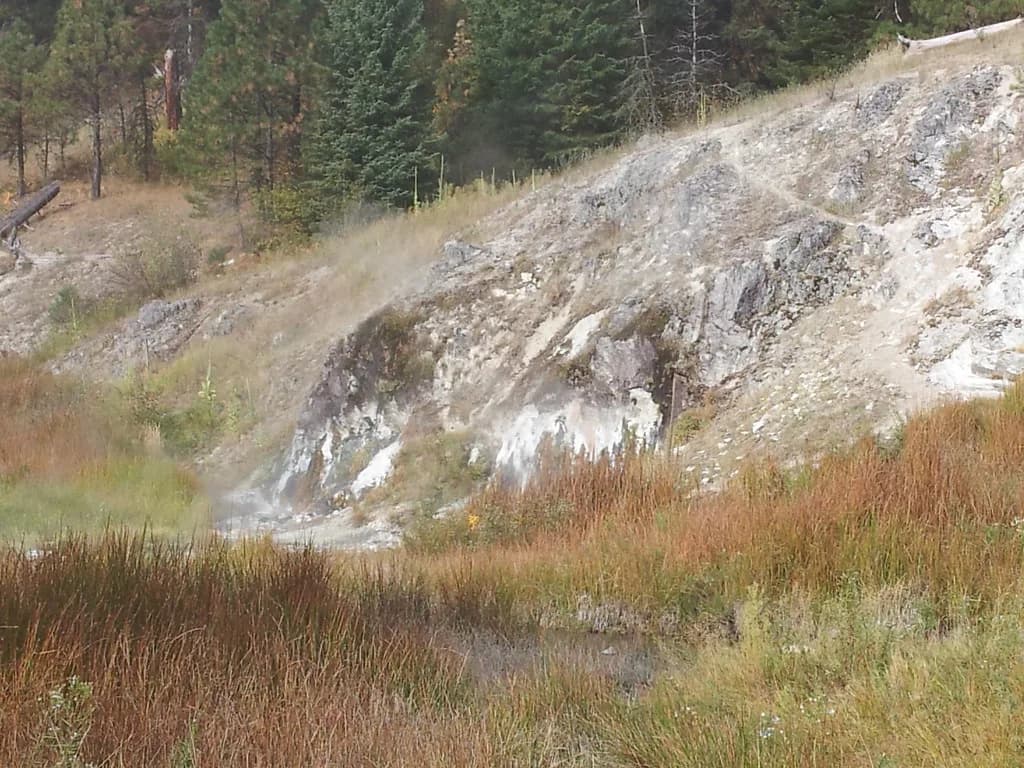
Trail Creek Hot Springs is a primitive geothermal site in the Boise National Forest along Trail Creek, roughly 19 miles east of Cascade in Valley County. The soak consists of two rock-walled pools built into the creek bank among pines, with the upper pool reinforced with cement and the lower pool rock and sand lined. It is a roadside soak rather than a developed resort: expect dirt, steam, and the sound of the creek.
The upper pool is roughly 8 by 12 feet and about 2 feet deep, fed by a hot source and chilled by a PVC pipe that diverts creek water. The lower pool runs cooler and its temperature shifts with creek level. That pairing lets a group split up: one soaker in the hotter upper pool, another in the milder lower one.
Getting there
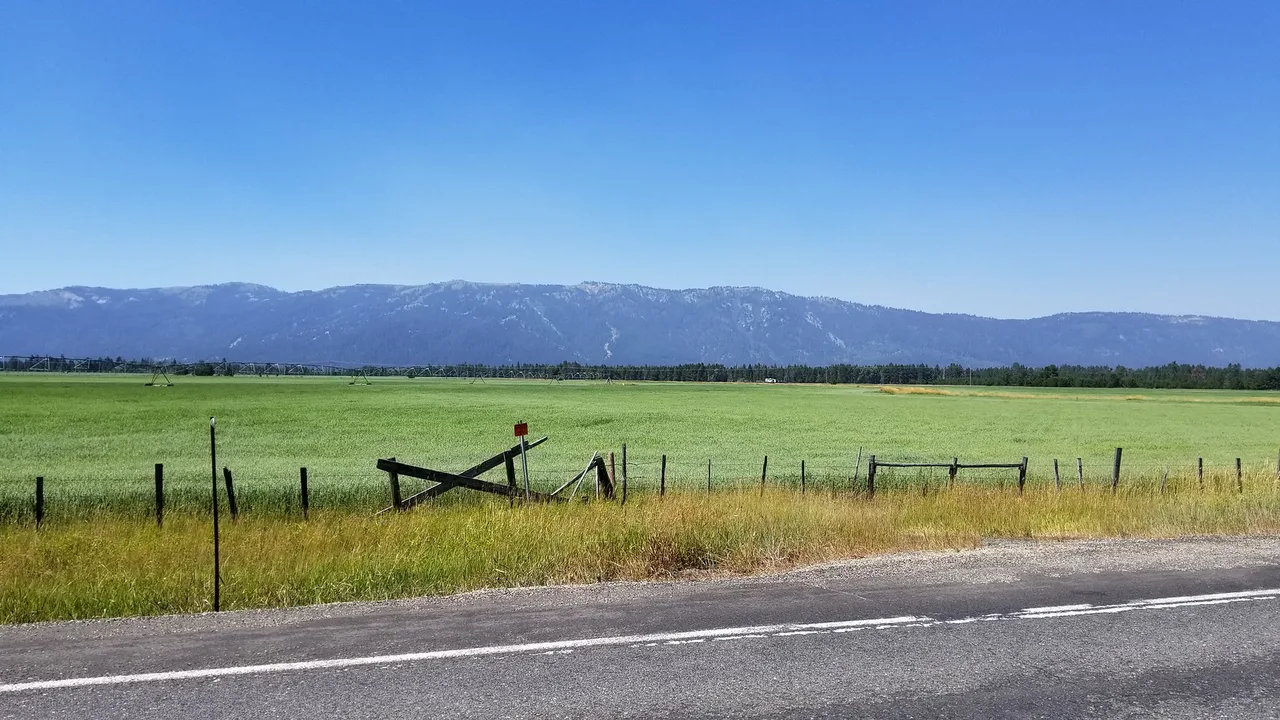
From Boise, drive about two hours north on Highway 55 to Cascade, then turn east onto NF-22, also signed as Warm Lake Road. From McCall, the drive south to Cascade takes about an hour before the same turnoff. The road is paved and fine for a standard car in dry conditions, so no high-clearance vehicle is needed.
Watch for a small dirt pullout on the left, north side of Warm Lake Road, near milepost 60.6. There is no sign marking the springs, and they are not visible from the road. Save the coordinates 44.6236501, -115.8019843 to an offline map before you leave, because cell service is limited along the corridor. If you reach the Yellow Pine road sign, you have driven past the pullout.
The pullout sits directly beside the pavement, so park tight and keep children and leashed dogs clear of traffic while you unload. There are no toilets, trash cans, or changing areas at the site, so plan your stop accordingly. Carry out everything you bring in.
The short, steep path to the pools
From the pullout, a packed-earth path descends about 0.1 mile to the pools. The grade is the real crux: it turns muddy after rain and gets slick on the return climb, so wear shoes with grip rather than sandals. AllTrails classifies the route as an easy 0.2-mile hike with about 16 feet of elevation gain, which understates the steepness of the pitch but gives a sense of the short distance.
In winter the path compacts into a slide, so microspikes or crampons are strongly recommended for visits.
In winter the path compacts under heavy use and behaves like a slide. Microspikes or crampons are strongly recommended for winter visits, and they make the descent and climb back to the car far less eventful. The site is not wheelchair accessible.
The pools
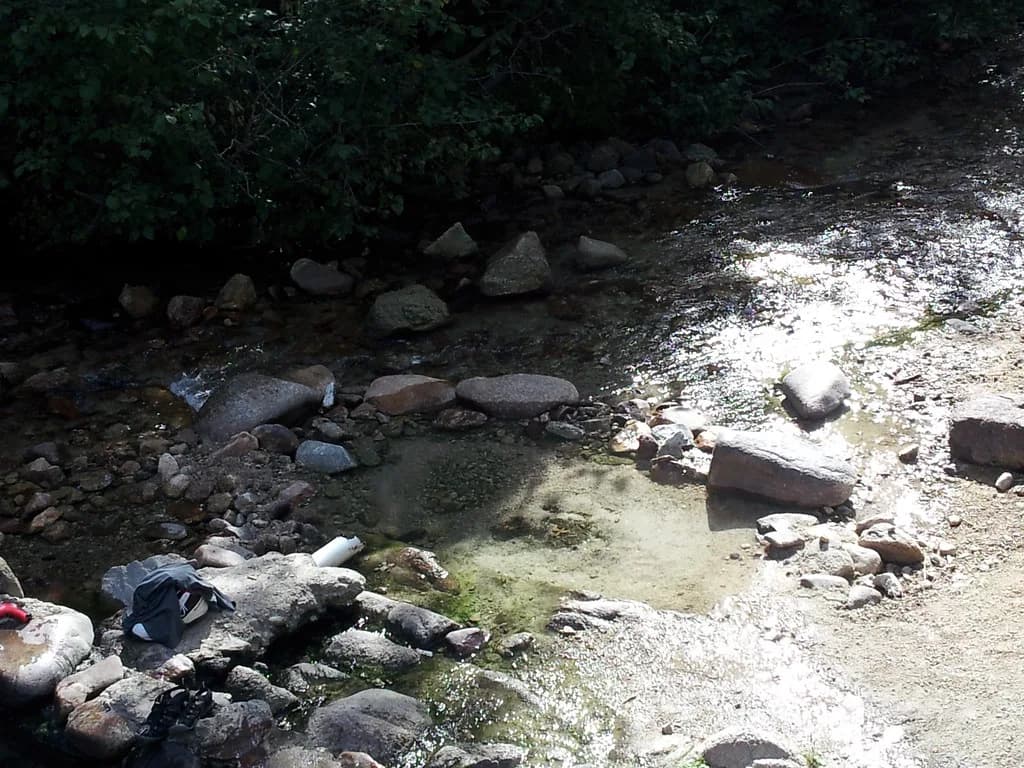
The upper pool is walled with rock and reinforced with cement, with a PVC pipe feeding cold creek water into the soak. The lower pool is rock and sand lined and runs cooler, depending on how much creek water reaches it. Both sit close to Trail Creek, so the soak is as much about the creek sound as the water.
| Pool | Construction and size | Temperature |
|---|---|---|
| Upper pool | Rock wall reinforced with cement, roughly 8 by 12 feet and about 2 feet deep | Hotter, with cold creek water added through a PVC pipe |
| Lower pool | Rock and sand lined | Cooler, and shifts with creek level |
Trail Creek runs alongside the pools and can be cold and fast during spring runoff. Keep children supervised near the bank and away from the channel when water is high, and expect the lower pool to feel different after a wet spring. Slippery rock around the pool edges is normal at a primitive site; move deliberately when entering and leaving.
Water temperature and the cold-water valve
The geothermal source runs at about 125 degrees Fahrenheit, well above a comfortable soaking temperature. The PVC pipe diverts cold water from Trail Creek into the upper pool, and the valve lets you add cold water to bring the soak into roughly the 100 to 110 degree range. The pool can be very hot near the inflow, so test the water away from the pipe before you step in.
Manage the valve as a shared tool: open it to cool the pool for a family group, close it to let the water reheat on a cold morning, and leave it in a sensible position for the next soakers. The lower pool needs no valve; its temperature follows creek level, so test it too. Avoid submerging your head in untreated geothermal water and watch children around the hot inflow.
Winter visits
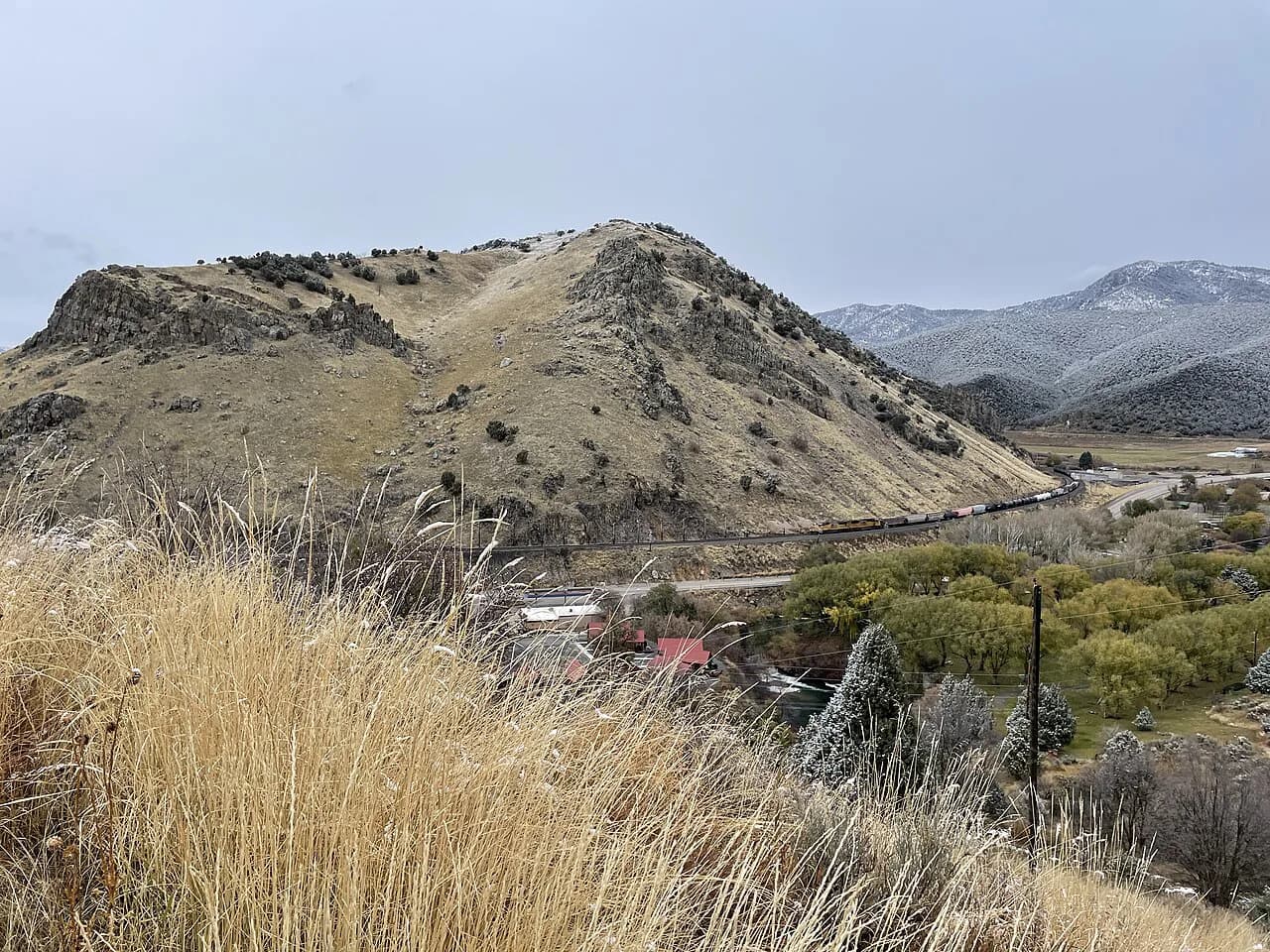
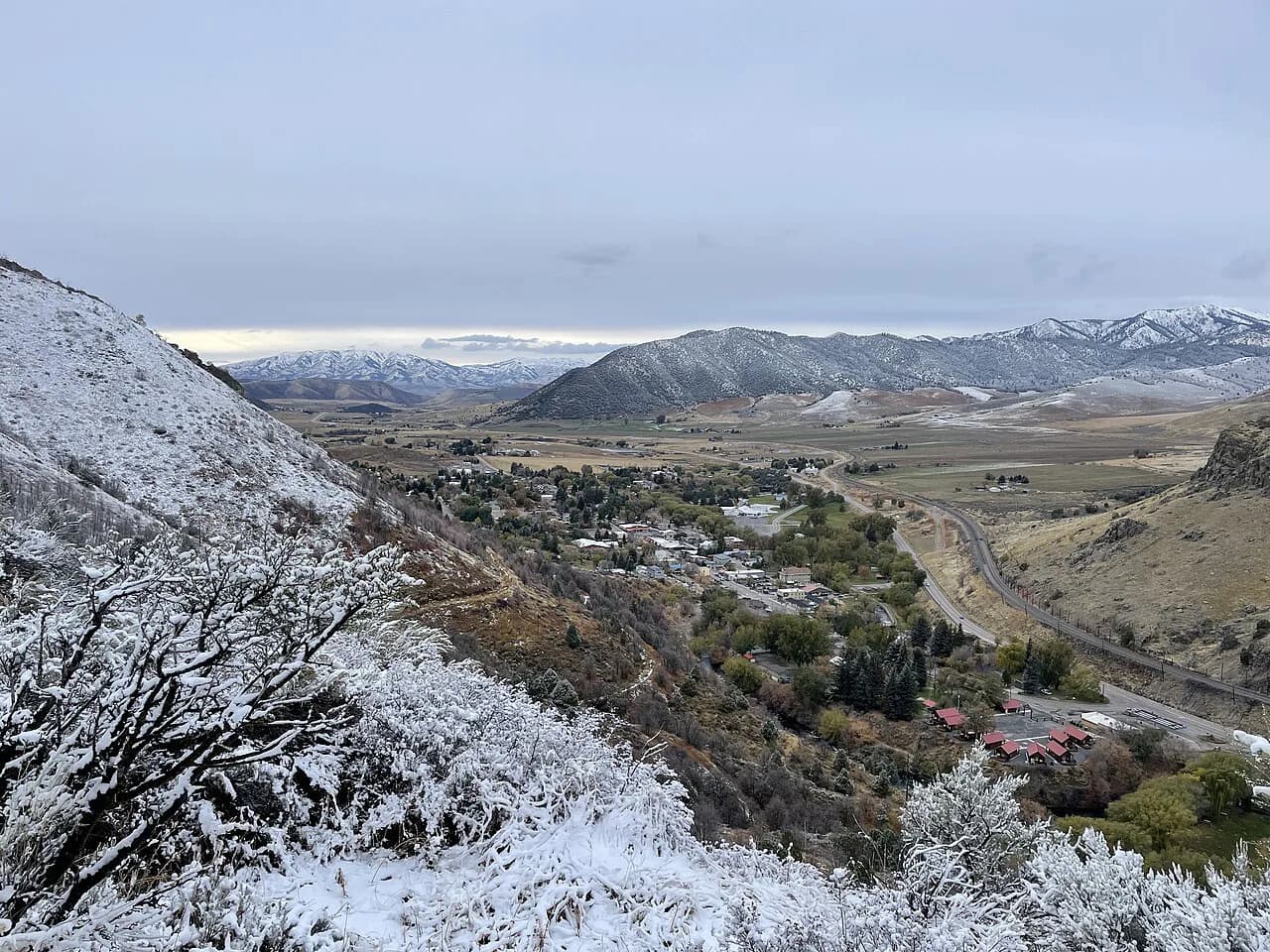
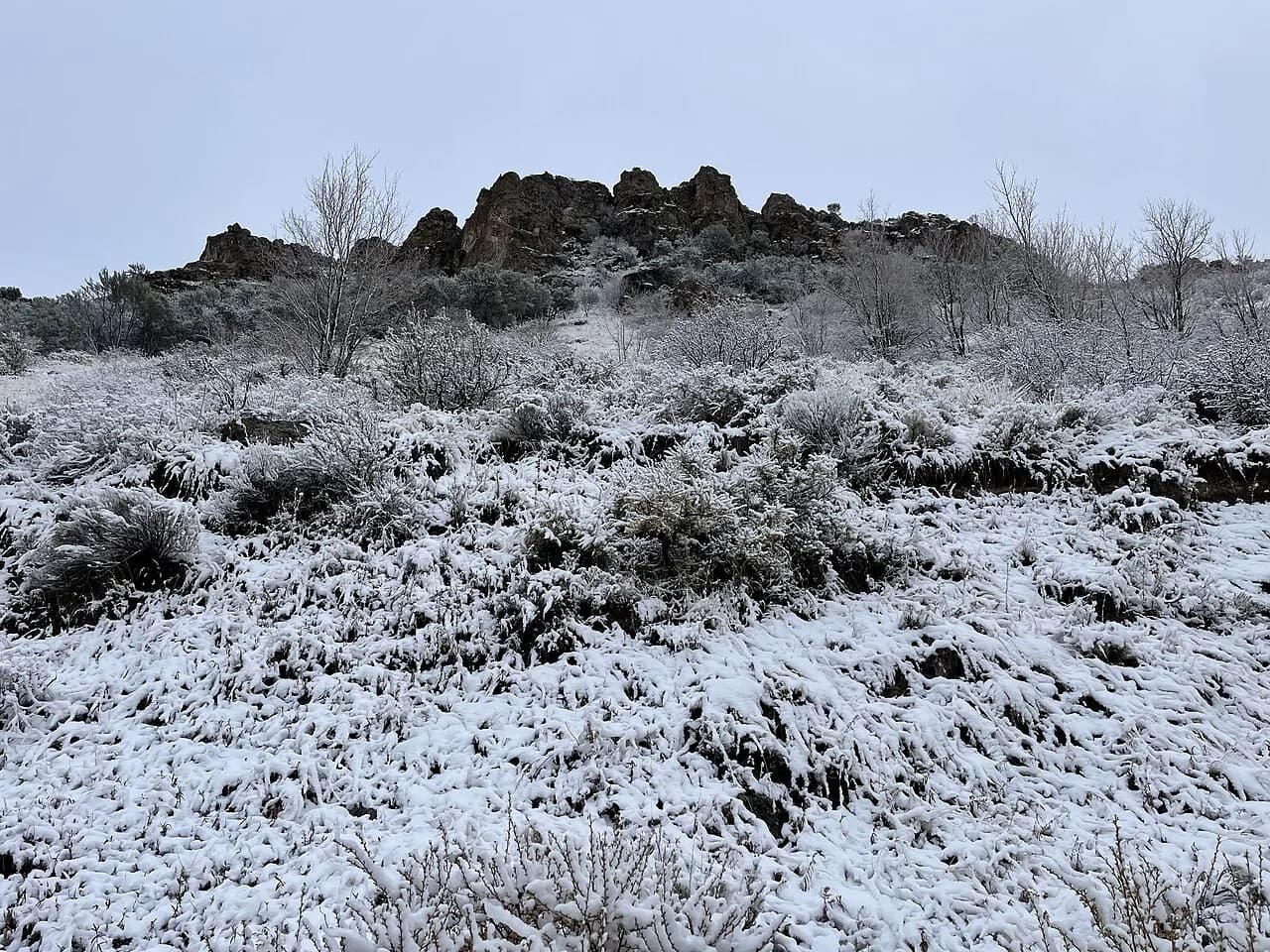
Warm Lake Road is paved and typically remains passable through winter, making Trail Creek one of the more accessible primitive soaks in the Cascade area when snow covers higher ground. Steam rising against snow-covered canyon walls is the draw. The catch is the path: compacted ice turns the short descent into a slide without traction.
Pack microspikes or crampons, dress for a cold exit, and keep a dry layer in the car for the drive back. Before a winter trip, confirm road conditions with the Boise National Forest office, since plowing and storm closures change the picture from week to week.
Fees and hours
Trail Creek Hot Springs is a free, publicly accessible site in the Boise National Forest: no parking fee, day-use fee, or permit is required. The site is open year-round, with access depending on road conditions. There are no gates or posted hours to plan around.
No parking fee, day-use fee or permit is required, and there are no gates or posted hours to plan around.
Rules and etiquette
Clothing is optional at Trail Creek, consistent with most primitive soaks in the Boise National Forest, and the site sees steady traffic. Bring a swimsuit if you prefer one, particularly on busy weekends when you will likely share the pools. Dogs are allowed at the site but should stay leashed in the parking area and out of the pools.
This is a primitive, undeveloped soak, so Leave No Trace applies: pack out all waste, including food scraps, and leave the rockwork and valve as you found them. Do not camp at the pools; permitted camping is available in the surrounding area. Steady visitation means small courtesies, like limiting long soaks when others are waiting, go a long way.
Camping and lodging
Camping is permitted in the area around Trail Creek, but not at the springs themselves. For a bed and a hot meal, Cascade is the closest base, about 19 miles west, and McCall offers more lodging and dining about an hour north. Both towns make sensible hubs for a Warm Lake Road day.
Best time to go and crowds
Trail Creek gets a lot of foot traffic, so early mornings and weekdays give you the best shot at having a pool to yourself. Winter draws soakers who want steam against the snow, while spring runoff can submerge or chill the lower pool. Summer weekends are the busiest; arrive early or plan a late-afternoon soak.
Nearby springs to combine
Trail Creek sits on the Warm Lake corridor, which makes it an easy stop on a larger Idaho hot springs road trip. Gold Fork Hot Springs near Donnelly is a developed, paid option to the north, and Frenchman's Bend and Basin Creek offer different primitive soaks in the Sawtooth country. Farther afield, Kirkham Hot Springs sits along the Ponderosa Pine Scenic Byway and makes a natural second stop on a loop through the mountains.
If you are building a multi-day route, Trinity Hot Springs and Sunbeam Hot Springs Idaho add developed and primitive soaks on the Salmon River corridor, while Burgdorf Hot Springs gives a rustic Payette National Forest base farther north. Each pairs well with a night in Cascade or McCall between soaks. For a wider loop, our Utah hot springs guide covers another state's developed and wild soaks on the same kind of road trip.
Plan Your Soak
Trail Creek Hot Springs is a short, steep walk to two creekside pools on a paved forest road, which makes it one of the most reachable primitive soaks near Cascade. Bring grippy shoes, a swimsuit, traction in winter, and a plan to pack out everything. Save the coordinates before you drive, and treat the cold-water valve as shared equipment. For every soak in the state, start with our guide to Idaho hot springs.
Frequently Asked Questions
Is Trail Creek Hot Springs clothing optional?
Yes. Clothing is optional at Trail Creek, consistent with most primitive soaks in the Boise National Forest. The site sees steady traffic, so bringing a swimsuit is a practical choice if you prefer one, especially on weekends.
Where is Trail Creek Hot Springs?
It is in the Boise National Forest along Trail Creek, near milepost 60.6 on NF-22, also called Warm Lake Road, about 19 miles east of Cascade, Idaho. Look for a small dirt pullout on the left side of the road; the springs are not visible from the pavement.
How hard is the hike to Trail Creek Hot Springs?
The path is only about 0.1 mile but it is steep packed earth. It turns muddy after rain and compacts to a slide in winter. Wear shoes with grip, and use microspikes or crampons in winter.
Can you visit Trail Creek Hot Springs in winter?
Yes. Warm Lake Road is paved and typically remains passable through winter, and the springs are accessible year-round depending on road conditions. The path becomes icy and compacted, so traction devices are strongly recommended. Confirm road conditions with the Boise National Forest before a winter trip.
Is there camping near Trail Creek Hot Springs?
Camping is permitted in the area around the springs, but not at the pools themselves. Cascade, about 19 miles west, and McCall, about an hour north, both offer lodging and services for a base.
How do you adjust the water temperature at Trail Creek Hot Springs?
A PVC pipe diverts cold water from Trail Creek into the upper pool. Open the valve to add cold water and cool the soak; close it to let the pool reheat. The source runs at about 125 degrees Fahrenheit and the pool can be hot near the inflow, so test the water away from the pipe first.
Sources
Hot springs notes for your next road trip
Optional updates when we add or revise hot springs guides.
You might also like
Continue reading
More guides you'll find useful