Astoria Hot Springs, Wyoming: Pools & Trip Planning Guide
Astoria Hot Springs near Jackson, Wyoming, is a developed park of geothermal-fed pools in Hoback Canyon. Here are the sessions, tickets, pools and nearby soaks.
On this page
Astoria Hot Springs suits travelers who want a real geothermal soak without a hike, a forest road or a snowmobile shuttle. The park sits on the banks of the Snake River in Hoback Canyon south of Jackson, Wyoming, with a set of man-made pools filled with hot spring water and a mountain backdrop on all sides. It is the easiest soak-and-go stop on a Jackson Hole itinerary, and a natural add-on to a Grand Teton day.
The trade-off is structure. You soak in timed sessions rather than drifting in and out all afternoon, capacity is capped, and the park closes one day a week. Plan around a session slot and the rest of the day opens up for the canyon, the river or a second spring.
Where the park sits in Hoback Canyon
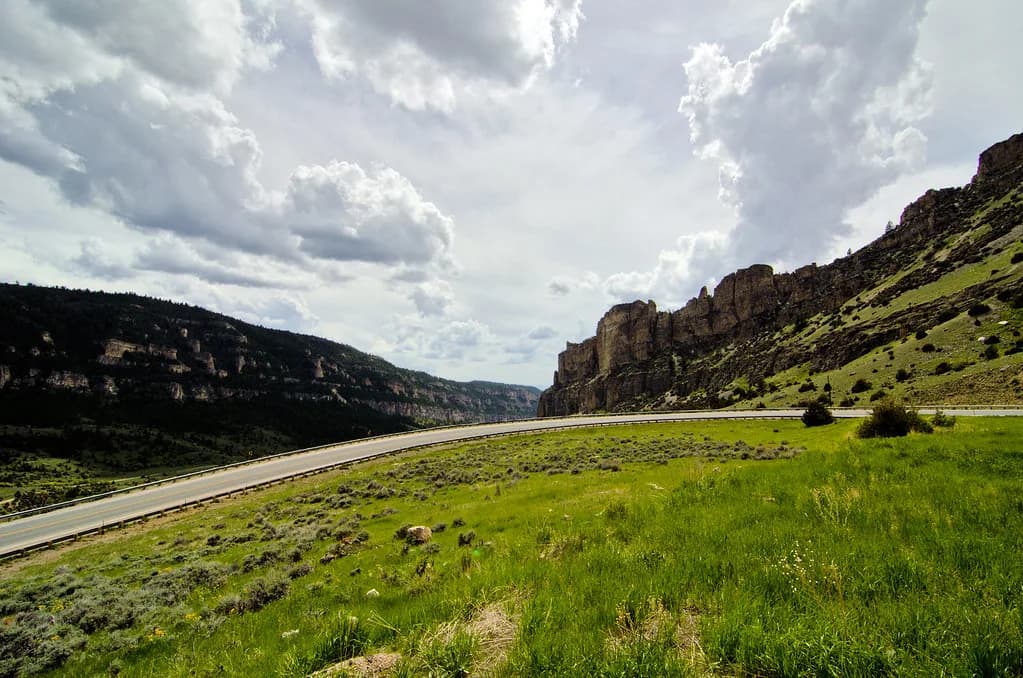
Astoria Hot Springs Park is at the north end of Hoback Canyon, about a 16-mile drive south of the town of Jackson along the highway that follows the Snake River. That puts it roughly 20 minutes from Jackson and on the way to or from Grand Teton National Park. The address is on Johnny Counts Road, off the canyon highway, so you turn off the main road and drop toward the river rather than climbing into the mountains.
Because the park is roadside and developed, you do not need a high-clearance vehicle, a trailhead permit or a winter over-snow route. Parking is at the park itself, and the pools are a short walk from the lot. If you are driving up from Jackson for a morning session, you are back in town well before lunch.
How the springs became a public park
The springs once fed a riverside soak and a campground, and for generations before that Native Americans used the water in its natural state. In 2012 a luxury developer planned a large hotel over the springs, and a local fundraising campaign bought and protected the land instead. That campaign, led by the nonprofit that now runs the site, turned the spot into a public hot spring park rather than a private resort.
The story matters when you plan a visit: this is a community project with a conservation mission, not a commercial spa. Expect native plantings, open space and a setting that feels designed to keep the canyon around you. The nonprofit is also building a nature park on adjacent land, with walkways, native vegetation and a river overlook.
The pools
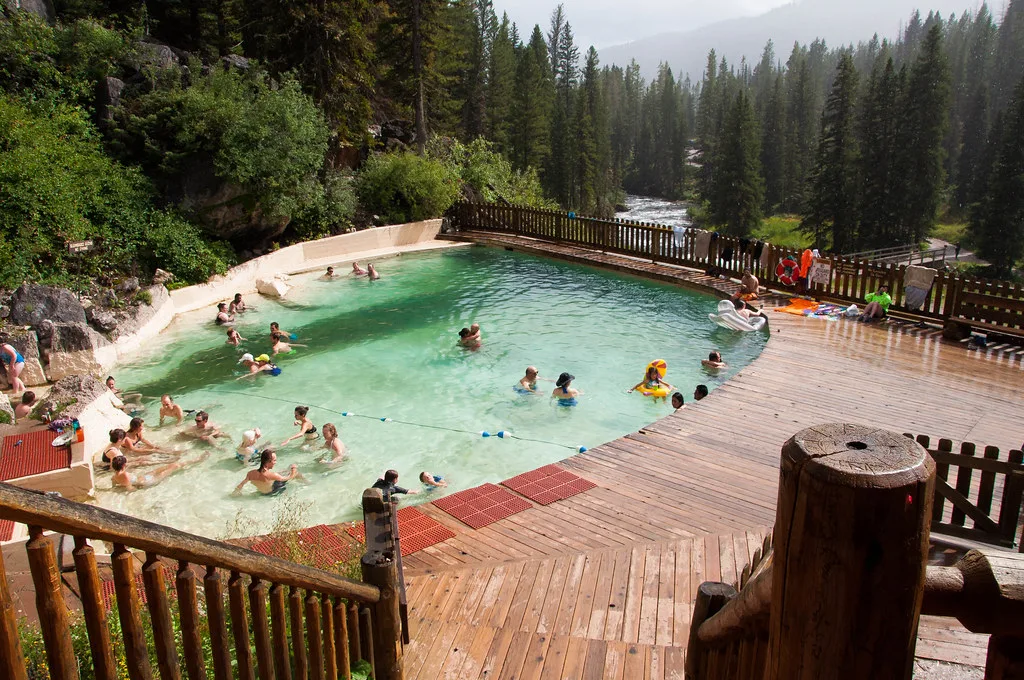
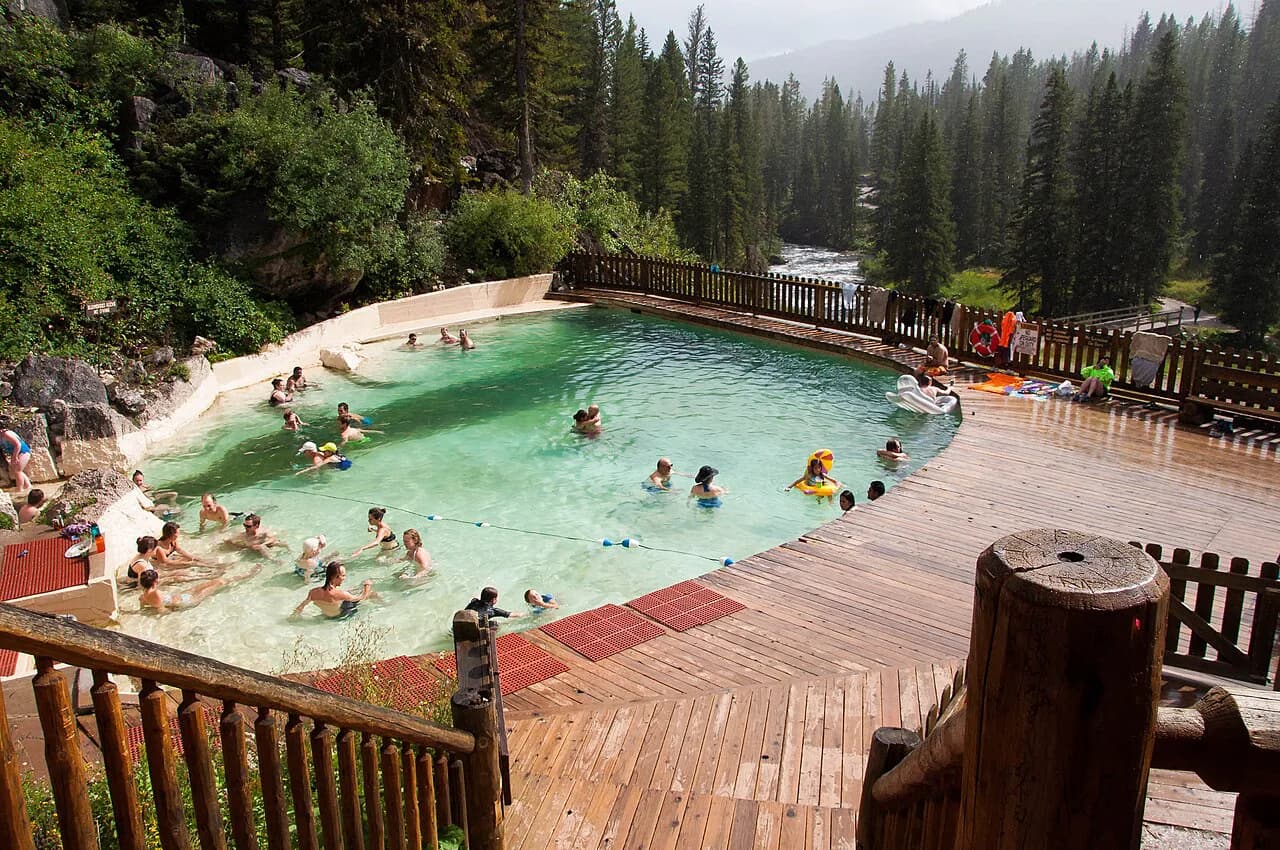
The park holds six man-made pools fed with natural hot spring water, and they are set at different temperatures so you can move between them as your body warms up. The layout includes a leisure pool, a children's pool and a quieter soaking pool tucked away for people who want less splash and conversation. The main pools are the social end of the park; the secluded one is where you go when you want the soak without the background noise.
Pool temperatures at developed springs around Jackson Hole generally fall between about 80 and 112 degrees Fahrenheit, with hotter source water posted as viewing only. At Astoria, read the signage at each pool and pick your entry point accordingly. Keep your head above water in geothermal pools, and step out for a break if you feel overheated.
Fees, sessions and hours
The pools run on a timed session model. Five soaking sessions of two hours each begin at 9 a.m., with 15-minute breaks between them, and the park is open daily except Wednesday. That turnover is the key planning detail: your soak has a defined start and end, so arrive ready to swim rather than settling in for a long afternoon.
Five two-hour sessions begin at 9 a.m., so arrive ready to soak rather than settling in for a long afternoon.
Tickets run $22 for adults and $16 for children 2 to 12, with children younger than 2 admitted free. Book and pay in advance through the park's ticketing rather than arriving and hoping for a walk-in spot. The published pool hours run 9 a.m. to 8 p.m., which fits the session schedule.
If your Jackson Hole plans are flexible, a weekday other than Wednesday gives you the full choice of session times. A late-afternoon slot puts the canyon in softer light and tends to suit travelers who spend the morning in Grand Teton. Confirm the current session schedule with Astoria Park Conservancy before you build a day around a specific time.
Reservations and what to bring
Capacity is capped at each session to keep the pools calm, so advance tickets are recommended rather than optional in practice. Buy online before you drive south and pick the session that matches your day. A confirmed slot also tells you how long you have in the water before the turnover break.
Bring your own bathing suit and towel. A basic white towel can be rented on site if yours stays in the car or the hotel room. Bathing suits are required at developed springs in the Jackson Hole area, along with footwear that handles wet, rocky ground around the pools.
Facilities and the grounds
A main house holds changing rooms and a small bar that sells drinks, including beer, and snacks. That makes Astoria a realistic stop without a full pack: suit, towel and a water bottle cover the basics, and you can leave the cooler behind. The grounds are landscaped with native plants, so the walk between the changing rooms and the pools feels like part of the visit rather than a corridor.
Follow the posted rules for the pools and the grounds, including where food and drink are allowed and how the changing rooms are used. Developed pools like this one run on house rules rather than backcountry etiquette, so read the signage as you enter. Ask at the front desk if something about the facility is unclear.
Best time to go
Winter is the strongest season for a hot soak: cold canyon air, steam off the water and far less pressure on the session schedule. Summer brings Grand Teton traffic through Hoback Canyon and higher demand for the popular mid-morning slots. Fall sits between the two, with cool mornings and a quieter park.
Whichever season you choose, the session model keeps crowds predictable. The first session of the day is the cleanest fit if you want to be on the road by late morning, while the final sessions suit travelers staying overnight in Jackson. Session times are set by Astoria Park Conservancy, so match your booking to the day you are actually in the valley.
Nearby springs to combine
Astoria is one piece of a wider circuit. Granite Hot Springs sits south of Jackson off Highway 189 in the Bridger-Teton National Forest, where a man-made pool built in the 1930s sits under tall firs along Granite Creek. In winter it is reached by snowmobile, dog sled or a long cross-country ski, so it pairs with Astoria only when the access matches your gear and season.
| Spring | Access | Temperature |
|---|---|---|
| Granite Hot Springs | Off Highway 189, Bridger-Teton National Forest | — |
| Kelly Warm Springs | Off Gros Ventre Road, north of Jackson | Averages about 80°F |
| Boiling River | Where geothermal water meets the Gardner River | — |
| Firehole River swim area | Yellowstone; often closed until mid-summer | Up to about 86°F |
Kelly Warm Springs sits just north of Jackson outside the town of Kelly along Gros Ventre Road, with water that averages about 80 degrees Fahrenheit. That makes it a cool summer soak rather than a hot one, and a natural complement to Astoria's heated pools. If you want the full picture of soaks across the state, start with this guide to hot springs in wyoming and pick the ones that fit your route.
In Yellowstone, the Boiling River forms where geothermal water meets the Gardner River, and the mixed edges create soakable spots when they are open; check the park's status before you drive up. The Firehole River swim area is cooler, reaching up to about 86 degrees Fahrenheit, and often stays closed until mid-summer because of high water. Both are day trips from Jackson rather than quick add-ons.
On a longer Wyoming road trip, Saratoga Hot Springs, Wyoming, pairs a town soak with the North Platte River country, and the Saratoga Hobo Hot Springs are a known stop for travelers crossing the state. Farther out, free hot springs in wyoming reward the drive if you want primitive water after Astoria's developed pools.
Where to stay and camp around Jackson and Hoback
Jackson has the deepest bench of hotels, motels and rentals, and it puts you about 20 minutes from the park gate. Hoback and the canyon floor have lodging closer to the springs, which shortens the drive for an early session. Book ahead in winter and in the July and August peak, when the valley fills with skiers and park visitors.
Camping in the national forest south of Jackson gives you a cheaper base within striking distance of the park. Sites along the canyon and the surrounding Bridger-Teton National Forest fill quickly in summer, so plan your campground and have a backup. Wherever you sleep, keep the soak a short drive rather than a long night drive on canyon roads.
If you are building a multi-spring trip, look at Hobo Hot Springs, Wyoming, and the North Platte River corridor on the other side of the state, and give yourself a night between driving days. Pairing a developed pool like Astoria with a primitive soak works best when you are not rushing between them, and the same developed-versus-wild trade-off shapes our Utah hot springs guide if you are extending the trip beyond Wyoming.
Camping and lodging nearby
Treat the park as a half-day: a two-hour soak plus changing time and the drive each way comes to roughly three hours from Jackson. That leaves the rest of the day for a canyon walk, a drive into Grand Teton or a meal in town. Booking the first or second session keeps the afternoon free.
Keep your gear simple: a suit, a towel, water and a dry layer for the walk back to the car. Leave glass and outside food and drink in the vehicle unless the posted rules say otherwise. For a developed pool like Astoria Hot Springs Park, the posted house rules replace Leave No Trace improvisation.
Soaking etiquette at a developed pool
Shower before you get in so lotions, oils and sunscreen stay out of the water, and keep your head above the surface the whole time. Move between pools gradually rather than jumping from the hottest to the coolest, and drink water between soaks. Signage at the park sets the temperature expectations for each pool.
Respect the quiet pool: keep voices low, don't bring glass near the water, and follow the posted directions on where children can swim. These are house rules, not backcountry judgment calls. If you want the primitive version of this experience, plan a separate trip to a hike-in spring with your own pack-it-out habits.
Plan the Rest of Your Wyoming Soak
Astoria Hot Springs is the most manageable geothermal soak in the Jackson area: a developed park, a fixed session, a published ticket price and a canyon setting that fits neatly into a Grand Teton day. Book your session, bring a suit and towel, and plan the drive south of Jackson around it.
If you have more time in the state, branch out to Saratoga Hot Springs Resort country or add a primitive soak to balance the developed pools. Either way, build the day around session times rather than around a hoped-for walk-in slot. Confirm the current schedule with Astoria Park Conservancy before you go.
Frequently Asked Questions
How much does it cost to soak at Astoria Hot Springs?
Admission is charged per person, with a higher rate for adults and a lower rate for children 2 to 12; children younger than 2 enter free. Rates are set by the operator, so buy tickets through the Astoria Park Conservancy site when you book your session.
Do you need reservations for Astoria Hot Springs?
The park recommends reserving and buying tickets in advance because each session is capped for capacity. Booking ahead also locks in your two-hour window, which matters on busy summer days when popular sessions fill.
What day is Astoria Hot Springs closed?
The pools are open daily except Wednesday. The session schedule begins at 9 a.m. and runs in two-hour blocks with 15-minute breaks in between, so check the current day's slots before you drive south from Jackson.
How long is a soaking session at Astoria Hot Springs?
Each session runs two hours, with five sessions scheduled through the day beginning at 9 a.m. and 15-minute turnover gaps between them. Plan changing time and the drive on top of the soak itself.
How far is Astoria Hot Springs from Jackson, Wyoming?
The park is about 16 miles south of Jackson at the north end of Hoback Canyon, roughly a 20-minute drive from town. It sits on Johnny Counts Road off the canyon highway, on the way toward Grand Teton National Park.
What other hot springs are near Jackson Hole?
Granite Hot Springs in the Bridger-Teton National Forest, Kelly Warm Springs off Gros Ventre Road and the Yellowstone options at Boiling River and the Firehole River swim area are all within day-trip range of Jackson. Each has different access and seasonality, so match it to your gear.
Sources
Hot springs notes for your next road trip
Optional updates when we add or revise hot springs guides.
You might also like
Continue reading
More guides you'll find useful