Polecat Hot Springs, Wyoming: Soaking at Flagg Ranch Guide
Polecat Hot Springs warms Polecat Creek near Flagg Ranch in Wyoming, reached on an easy 2.7-mile loop hike between Yellowstone and Grand Teton.
On this page
Polecat Hot Springs is the rare geothermal soak that rewards a traveler with only an hour or two to spare. The warm water seeps into Polecat Creek and its surrounding wetlands rather than filling a built pool, so the payoff is a steaming creek bank reached on a flat loop trail from Flagg Ranch. It suits road-trippers shuttling between Yellowstone and Grand Teton, families with kids who can handle an easy walk, and anyone who would rather stretch their legs than pay for a formal spa.
Where Polecat Hot Springs sits
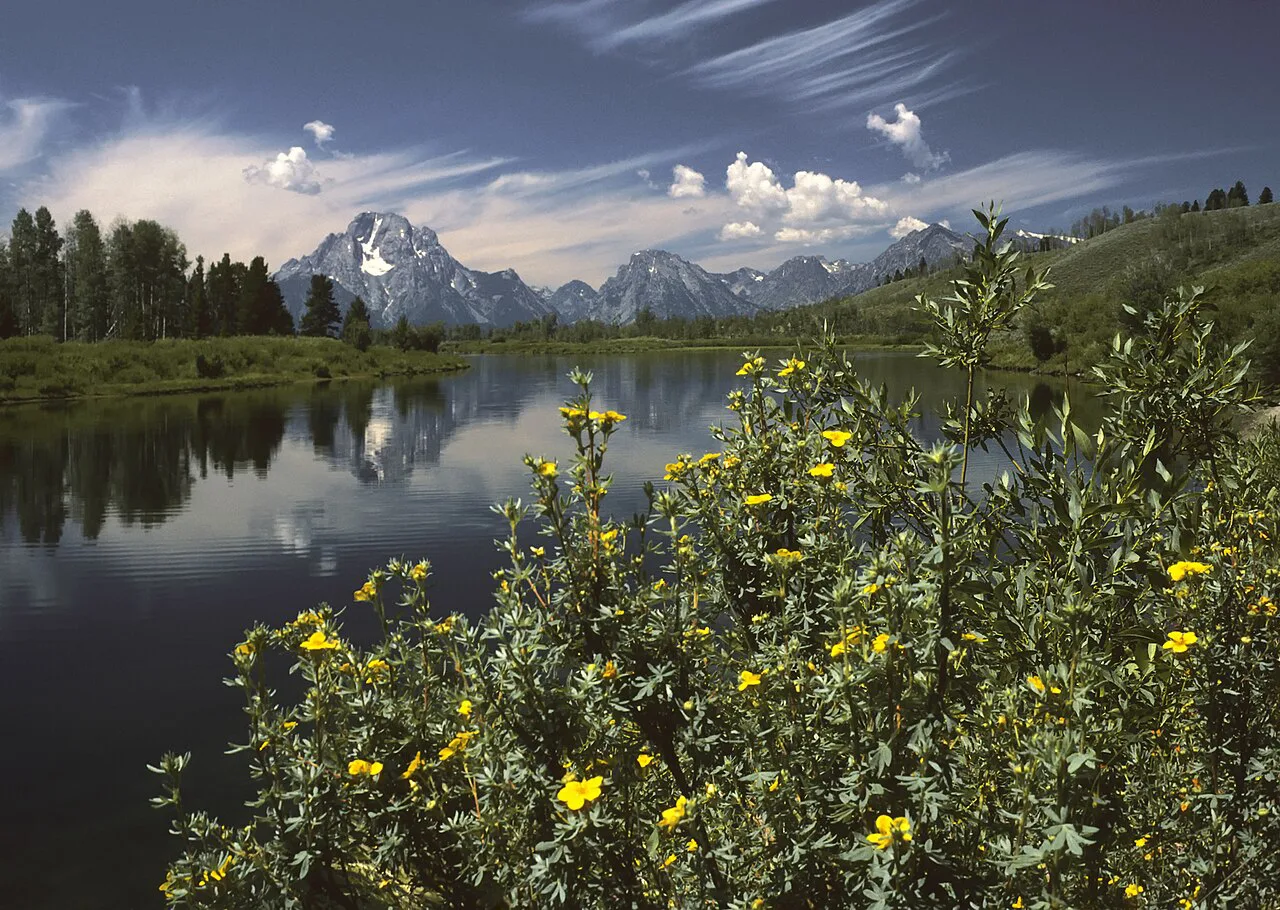
The spring lies in the John D. Rockefeller Jr. Memorial Parkway, the narrow strip of protected land that links Yellowstone's South Entrance with Grand Teton National Park. Flagg Ranch, home to Headwaters Lodge, is the base for the area, and the trail begins right from the ranch grounds. In practical terms, you are roughly at the seam between the two national parks, which makes the spring a natural stop on a north-south drive along US-89/191/287.
What the spring actually is
There is no pool, no deck and no piped water here. Geothermal heat rises through the ground beside Polecat Creek, warming the small streams that drain toward the creek bed, and on cold mornings that water steams. The result is shallow, warm creek water threading through a wetland rather than a tub-sized basin. Treat it as a creekside wade and a place to watch the water rise, not a lap-swimming or wallowing destination.
Getting there
Drive to Flagg Ranch on the parkway and park in the south lot, not the north one; parking in the north lot can result in a citation. From the south lot, walk north, cross Grassy Lake Road, and pick up the trail on the far side. An immediate junction puts you on the loop within a short walk of the road.
The Polecat Creek Loop hike
The loop runs 2.7 miles with an easy grade, so most walkers finish in well under two hours. You can take it in either direction; going clockwise puts the burn zone first and the creek-side bench later, while counterclockwise reverses that. The route is easy to follow, but two junctions matter: veer right at the unsigned fork in the meadow to stay on the loop, and turn right at the junction about 2.1 miles in to close the circuit.
The loop is 2.7 miles with an easy grade, and you can walk it in either direction. Dogs are not allowed on the trail, so leave yours at the lodge.
Plan for a kid-friendly walk, not a wilderness route, and leave the dog at the lodge since the trail does not allow dogs.
Reading the route by the Berry Fire burn
The 2016 Berry Fire burned through this corridor, and the regrowth is now the best way to keep your bearings. From the first junction you walk straight into the burn, parallel Grassy Lake Road briefly, and cross a dirt road under the power line corridor. Those two crossings are the landmarks that tell you where you are on the loop, especially where the trail briefly shares the dirt road before ducking back into the trees.
The soaking experience
The warm water shows up as steaming ground and shallow channels along the creek, with the best viewing from the bench above the water. Wading means slick, muddy edges and uneven footing, so water shoes help more than bare feet. Keep your head above the surface; geothermal water is untreated, and that habit costs you nothing while you enjoy the steam. Bring a towel and a dry layer for the walk back, since wet feet in mountain air cool fast.
Geothermal water is untreated, so keep your head above the surface. The edges are slick and muddy, so water shoes help.
Fees, hours and posted rules
Polecat Creek and its warm inflows sit within the national parkway, so the land manager's posted rules govern your visit rather than a private operator's. Read the signs and any bulletins at Flagg Ranch before you set out, and follow what is posted on the ground at the creek. For current conditions and any seasonal restrictions, ask at the Flagg Ranch front desk or a parkway visitor facility before you drive out.
Camping and lodging at Flagg Ranch
Headwaters Lodge at Flagg Ranch is the obvious base, with the trailhead a short walk from the buildings and the south parking lot serving hikers. Staying here puts the soak at the start or end of a day instead of a detour, which matters on a parkway where services are thin. Book ahead for summer nights, and confirm the lodge's season directly with the property, since mountain-lodge calendars shift with snow.
Best time to go
Cold mornings are the payoff: the gap between air temperature and water temperature makes the steam obvious against the creek bank. Summer brings the steadiest access and the most company, since the loop doubles as a popular easy hike near the parks. Fall and late spring are quieter but can bring snow or mud on the trail, so plan on boots and a warm layer rather than sandals.
Nearby soaks to combine
Huckleberry Hot Springs is the natural second stop on this corridor, with Polecat Creek fed by warm water from nearby sources that include Huckleberry, and the creek staying open to swimming and soaking. Pairing the two makes a full geothermal day between the parks. For a wider map of soaks across the state, from primitive creeks to developed pools, browse the hot springs in wyoming guide before you build the route.
Leave No Trace at a geothermal wetland
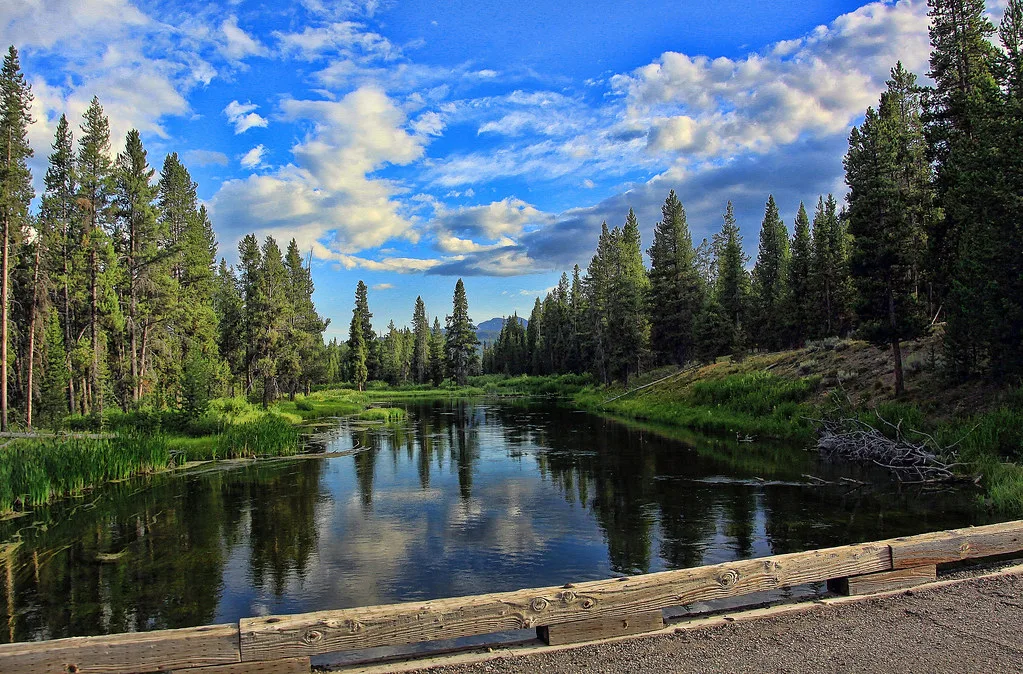
The warm ground here is a wetland, and wet geothermal soils are easy to crush. Stay on the established trail and the hardened creek-bank spots, keep your gear off the vegetation, and pack out everything you bring, towels and water shoes included. Warm water attracts wildlife as well as hikers, so give animals room and watch where you step on the muddy edges.
Plan Your Polecat Creek Soak
Polecat Hot Springs works best as a half-day stop: park in the south lot at Flagg Ranch, walk the 2.7-mile loop at an easy pace, and give yourself time on the creek bank where the water steams. Bring water shoes, a towel and a warm layer, and you have a low-effort geothermal detour between two national parks.
Build the rest of the trip around Flagg Ranch and Huckleberry Hot Springs, and confirm current conditions with the land manager before you go.
Frequently Asked Questions
Where is Polecat Hot Springs in Wyoming?
It sits in the John D. Rockefeller Jr. Memorial Parkway near Flagg Ranch, the corridor between Yellowstone's South Entrance and Grand Teton National Park. The warm water feeds Polecat Creek and its wetlands, and the trail starts from the Flagg Ranch area.
Can you swim at Polecat Hot Springs?
Plan on wading and soaking in shallow, warm creek water rather than swimming in a pool. The water is untreated geothermal water, so keep your head above the surface. Follow what is posted on the ground at the creek and at Flagg Ranch.
How long is the Polecat Creek Loop hike?
The loop is 2.7 miles with an easy grade and runs in either direction. Most walkers finish in under two hours, including time spent at the creek. Watch for the unsigned fork in the meadow and the junction about 2.1 miles in.
Do you have to hike to reach Polecat Hot Springs?
Yes, the warm water is reached on foot along the loop trail rather than from a parking area. From the south lot at Flagg Ranch, walk north, cross Grassy Lake Road, and follow the trail. Wear shoes with grip for the slick creek edges.
Is Polecat Hot Springs near Yellowstone or Grand Teton?
It is between them, in the parkway that connects Yellowstone's South Entrance with Grand Teton National Park. That makes it a practical stop on a drive along the corridor rather than a detour from either park.
Can you camp near Polecat Hot Springs?
Headwaters Lodge at Flagg Ranch is the base closest to the trailhead, with the lodge buildings a short walk from the parking area. Confirm the lodge's season directly with the property. Services along the parkway are thin, so arrange your night before you arrive.
What else can you soak in near Flagg Ranch?
Huckleberry Hot Springs is the natural companion on this corridor, with warm water from nearby sources feeding Polecat Creek. Pair the two for a full geothermal day between Yellowstone and Grand Teton. A wider Wyoming guide helps you plan the longer route.
Sources
Hot springs notes for your next road trip
Optional updates when we add or revise hot springs guides.
You might also like
Continue reading
More guides you'll find useful