Huckleberry Hot Springs, Wyoming: Hike, Soak & Camp Guide
Plan a hike-in soak at Huckleberry Hot Springs in Wyoming, from the Sheffield Creek approach to camping, seasons and pairing it with other Wyoming soaks.
On this page
Huckleberry Hot Springs sits in the Wyoming backcountry above the Sheffield Creek drainage, a primitive soak that trades easy access for quiet and a real hike in. It suits fit hikers who are comfortable with a long day on trail and who want hot water in a natural setting rather than a developed pool with a front desk.
The spring is most often reached from the Sheffield Creek trailhead on the edge of the Bridger-Teton National Forest, and the route climbs steadily toward Huckleberry Mountain. Plan the soak as the reward at the end of a half-day or full-day walk, and treat the round trip as the main event rather than an afterthought.
What Huckleberry Hot Springs offers and who the hike suits
This is a hike-in soak, not a roadside pool. The springs sit in the hills above Sheffield Creek, and reaching them means committing to a trail with real distance and elevation gain. Hikers who want a quick dip after a short walk will find better matches elsewhere in the state, including the developed soaks around Thermopolis and Saratoga. If you are weighing a different state entirely, the hot springs in Montana offer their own mix of drive-up pools and hike-in soaks.
For people who enjoy a full day out, the trip works well as a combined hike and soak. The climb is the filter that keeps the setting quiet, and the reward is hot water in a natural basin rather than a tiled tub. Bring sturdy footwear, layers for the climb and the soak, and enough water for the descent.
Consider your fitness and the season together before committing. The Sheffield Creek route to Huckleberry Mountain runs about 11.2 miles round trip with roughly 2,900 feet of elevation gain, and hikers typically budget six to seven hours for the round trip. That is a serious day, so start early and carry a headlamp in case the descent runs long.
Where the springs sit in Wyoming
Huckleberry Hot Springs lies in western Wyoming, in the Bridger-Teton National Forest country south of Yellowstone. The nearest services are in the Star Valley communities along US-89, with Afton the most practical base for groceries, fuel and a bed. Jackson is a longer drive but a natural stop if you are building a larger Yellowstone and Grand Teton loop.
The Sheffield Creek trailhead is reached from the Star Valley side, and the drive in follows forest roads that climb away from the highway. Cell service is thin once you leave the valley, so download your maps and trail notes before you set out. If you are planning a wider tour, the state's hot springs in wyoming range from primitive soaks like this one to full resort pools, and the mix makes for a varied itinerary.
Getting to the trailhead
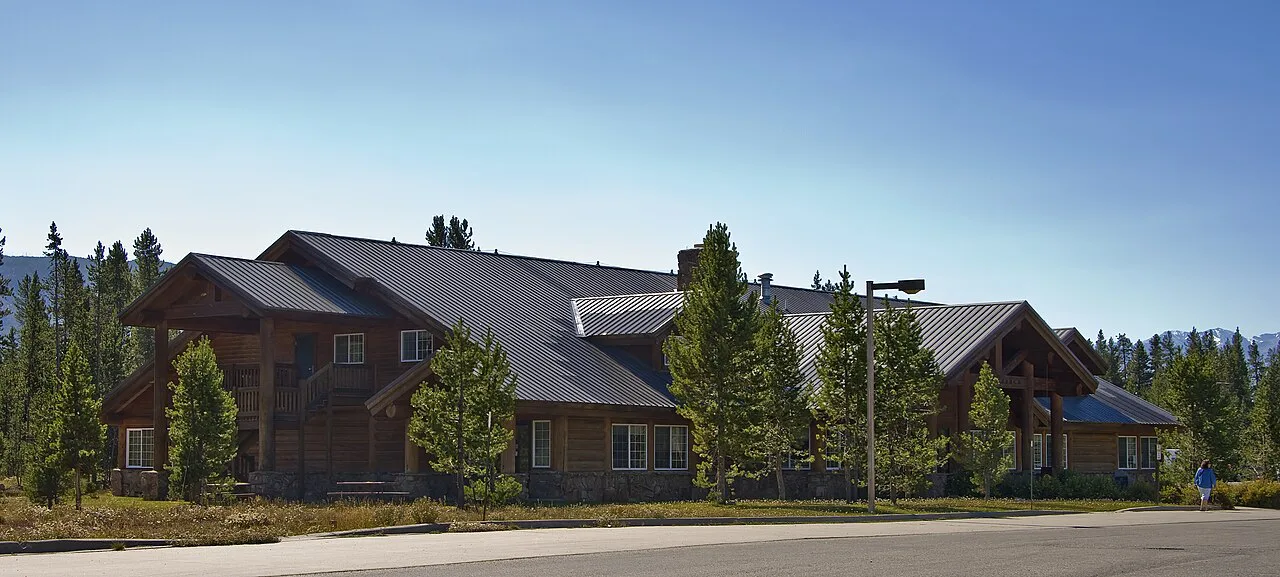
From Afton, drive south on US-89 through Thayne and Etna, then turn east toward the Sheffield Creek drainage. The final stretch is graded forest road, and conditions vary with the season. In spring and early summer, expect ruts and lingering snow patches; by late summer the road is usually dry and passable for most vehicles.
Parking at the Sheffield Creek trailhead is limited, and the lot fills on summer weekends. Arriving before mid-morning gives you the best chance of a spot and cooler climbing. The trail begins directly from the parking area, so there is no shuttle or secondary approach to arrange.
Winter access is a different proposition. Snow closes the upper forest roads, and the approach becomes a longer snowshoe or ski tour. If you are targeting a winter soak, plan for winter travel skills and check road status with the local forest service office before you leave the valley.
The hike in
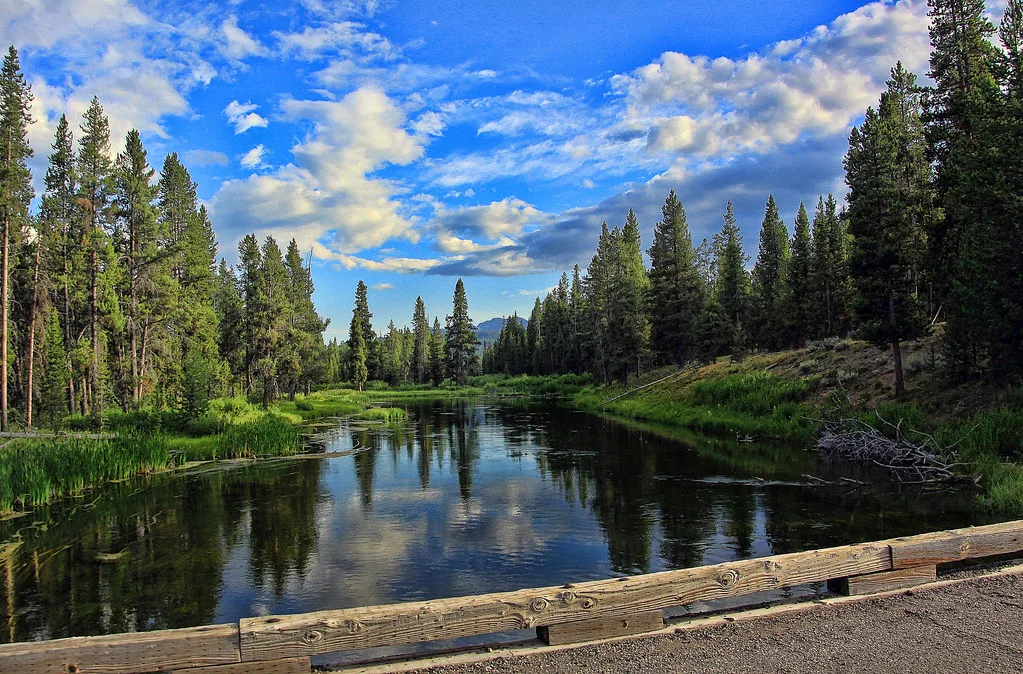
The route to Huckleberry Mountain via Sheffield Creek is considered a hard hike, and the climb is steady rather than steep in short bursts. The trail passes through open meadow, timber and stretches of historic burn where the sun hits hard. The burn sections make the middle of the day hot, so an early start is both cooler and safer.
The route to Huckleberry Mountain is a hard hike. Budget six to seven hours for the round trip and carry more water than you think you need, since there is no reliable water source on the upper trail.
Budget six to seven hours for the full round trip, including soaking time. That estimate assumes a steady pace and reasonable trail conditions; if you are new to big-mileage days, add margin. The climb gains roughly 2,900 feet, so pace yourself on the way up and save energy for the descent, which is harder on the knees than it looks.
There is no reliable water source on the upper trail, so carry more than you think you need. A filter or treatment tablets are worth packing if you plan to refill from Sheffield Creek on the lower sections. Trekking poles help on the loose sections of the descent, especially late in the day.
The pools
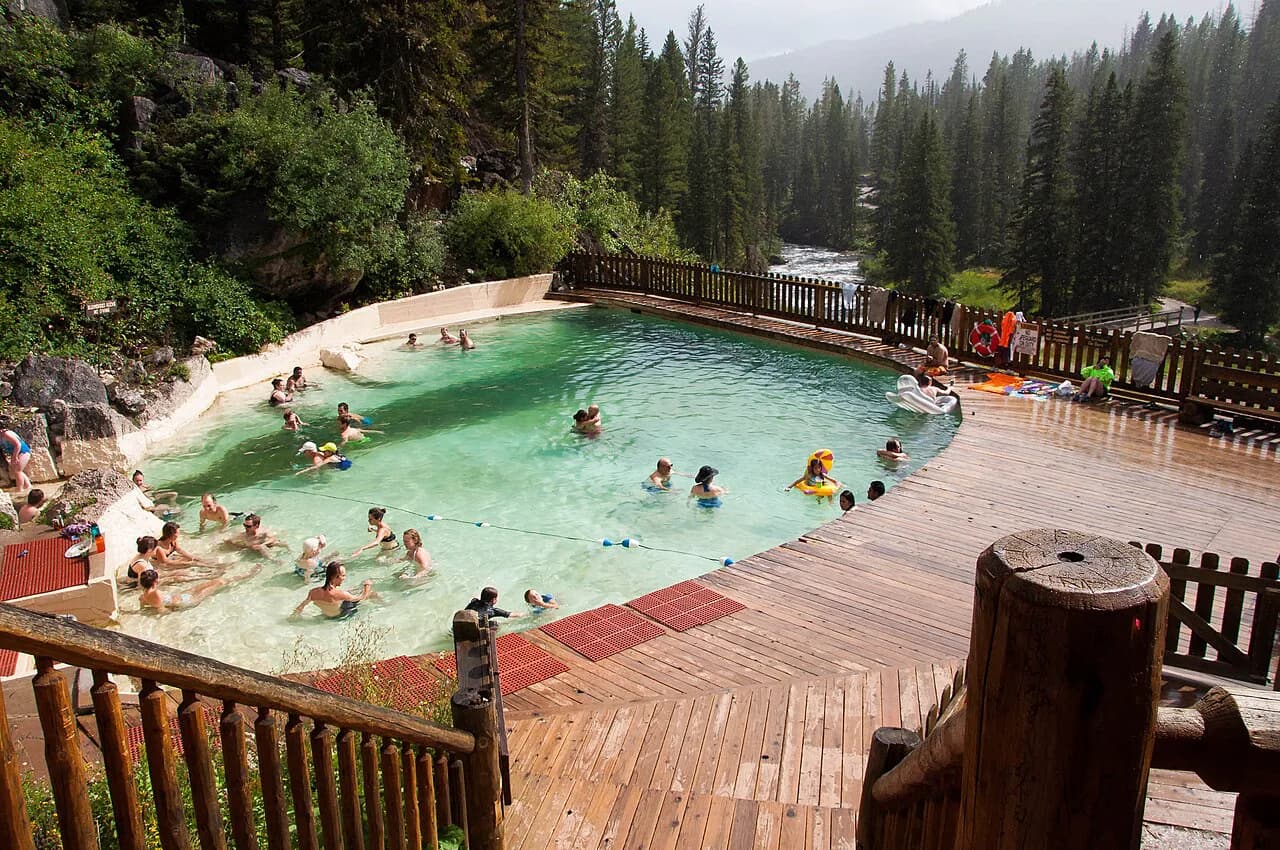
Huckleberry Hot Springs is a primitive soak, with hot water rising in a natural setting rather than a constructed pool. The basins are shallow and rocky, and the water temperature varies with the season and the flow. Test the water at the edges before you commit, and keep your head above water in untreated geothermal water.
Soak in short sessions and cool off between them. The combination of a hard climb, altitude and hot water is more taxing than a soak at a roadside pool, so watch how you feel and drink water while you are in the springs. Because the pools are small, a group of more than a few people will fill them quickly; plan to share or take turns.
Clothing and etiquette matter at a remote soak. Bring a towel and a change of clothes, and pack out everything you carry in, including food scraps and wet wipes. Keep noise low and give other parties space, since sound carries in the basin and the setting is the main reason people make the hike.
Fees, hours and rules
Huckleberry Hot Springs sits on national forest land, and access is by trail only. Fees, posted hours and seasonal closures are set by the managing ranger district rather than by a private operator, so confirm them with the Bridger-Teton National Forest office before your trip. The rules that apply on forest land, including campfire restrictions and group size limits, are posted at the trailhead kiosk.
Dogs are allowed on national forest trails but should be leashed at the trailhead and kept under control around the springs. Glass containers break on rock and are a hazard for barefoot soakers, so leave glass at home and bring a plastic bottle or a soft flask. Alcohol policies vary by district, so check the current forest order if you plan to bring a drink up.
Camping near Huckleberry Hot Springs
Camping near the springs is dispersed forest camping, with no developed campground at the trailhead. You will need to bring a stove, water and a wag bag, and you should choose a site that is at least 100 feet from water and the trail. Fires are often restricted in late summer, so check the current fire danger before you plan a campfire.
For a more comfortable base, the Star Valley has established campgrounds along US-89, including Forest Service sites in the Salt River Range. These give you a picnic table, a fire ring and a toilet, which makes them a better choice for families or first-time visitors. Reserve ahead if you are traveling on a summer weekend.
Lodging and supplies in nearby towns
Afton is the most practical base, with motels, a grocery store and fuel. Thayne and Etna have smaller options but less choice, so stock up in Afton before heading up the drainage. For a resort-style stay, the Saratoga Hot Springs Resort in Saratoga is a longer drive away but offers a developed soaking experience and a comfortable bed.
If you are combining soaks, Hot Springs State Park in Thermopolis is a full resort destination with a state bathhouse and lodgings. Star Plunge hot springs is another developed option in the same town. Neither is close to Huckleberry, but both make good stops on a multi-day Wyoming hot springs tour.
Best time to go
Late June through September is the practical window for the hike. Snow lingers on the upper trail into June, and early-season runoff can make the lower creek crossings high. By July the trail is usually dry, but the burn sections become hot and exposed; August brings afternoon thunderstorms, so plan to be off the ridge by early afternoon.
In August, plan to be off the ridge by early afternoon, when afternoon thunderstorms are common.
Fall is the sweet spot for many hikers: cooler temperatures, fewer people and stable trail conditions. September and early October often deliver crisp mornings and golden aspens, though nights at the trailhead get cold. Winter and spring access depends on snowpack and road plowing, so check conditions before committing to the drive.
Crowds peak on summer weekends and holiday Mondays. If you want the springs to yourself, aim for a weekday and start early enough to be on the trail before the parking area fills. The combination of a long hike and a small pool means that even a handful of parties can make the soak feel busy.
What to bring for a hike-in soak
Pack for a mountain day, not a spa visit. Sturdy hiking shoes, a rain shell, warm layers for the descent, a hat and sunscreen cover the basics. The burn sections offer little shade, so sun protection matters even on a cool morning.
For the soak itself, bring a quick-dry towel, a swimsuit, a plastic water bottle and a dry bag for your clothes. A small sit pad keeps you off cold rock while you change. Add a headlamp, a basic first-aid kit and a map or downloaded route, since cell service is unreliable once you leave the valley.
Nearby springs to combine on a Wyoming road trip
Huckleberry works well as one stop on a larger tour of western Wyoming. Polecat hot springs, in the Bridger-Teton country south of Jackson, is another primitive soak that pairs naturally with a Huckleberry day if you are comfortable with rough forest roads. Together they make a two-day itinerary with a camp in between.
For a developed counterpoint, Astoria hot springs near Jackson offers a built pool and easier access. Saratoga Hot Springs, Wyoming is a good stop on the drive east, and the town has lodgings and restaurants. If you are heading north, Goldbug Hot Springs in Idaho is a well-known hike-in soak.
Goldbug makes a logical northern add-on to a Wyoming soak trip. Its trailhead sits at the end of a county-maintained road about 23 miles south of Salmon on Highway 93, and the first quarter mile crosses private land on a public easement where dogs must be leashed. The BLM lists no fees at the site, so the price of the detour is mostly the drive.
Leave No Trace at a primitive soak
The pools at Huckleberry are small and slow to recover, so treat them gently. Pack out all trash, including tea bags, wrappers and wet wipes, and do not leave food scraps in the rocks. Use a wag bag if you need to go, and bury human waste at least 6 inches deep and well away from water and the trail.
Do not build rock dams or divert water to make the pools bigger; these changes alter the flow and damage the vegetation around the spring. Keep your group small, and if the pools are full, wait or come back later rather than crowding in.
Safety: scalding water, slick rock and river crossings
Geothermal water can be scalding at the source, so test the temperature with your hand before you step in. The rock around the pools is often slick with algae and mineral deposits, so move slowly and wear sandals or water shoes. Avoid submerging your head in untreated geothermal water, and keep children within arm's reach.
The Sheffield Creek crossings can run high during spring runoff. If the water is fast and above your knees, turn around rather than risk a crossing. On the upper trail, afternoon thunderstorms bring lightning, so watch the sky and descend early if clouds build.
Plan Your Soak
Huckleberry Hot Springs is a commitment: a long climb, a primitive pool and a day that rewards preparation over spontaneity. Treat it as a full-day outing, start early, and carry enough water and layers for the descent. The payoff is a quiet soak in the Wyoming backcountry that feels earned.
Build the trip around a base in the Star Valley, and decide in advance whether you are day-hiking or camping overnight. Check trail and road conditions with the Bridger-Teton National Forest before you go, then commit to an early start. If you want an easier soak afterward, Saratoga Hot Springs makes a comfortable next stop. For every soak in the state, start with our guide to Wyoming hot springs.
Frequently Asked Questions
How long is the hike to Huckleberry Hot Springs?
The Sheffield Creek route toward Huckleberry Mountain runs about 11.2 miles round trip with roughly 2,900 feet of elevation gain. Most hikers budget six to seven hours for the full day, including time in the springs. Start early and carry a headlamp in case the descent runs long.
Can you camp at Huckleberry Hot Springs?
There is no developed campground at the trailhead. Camping is dispersed forest camping on national forest land, so bring your own water, stove and wag bag and choose a site well away from water and the trail. Established campgrounds in the Star Valley make an easier base if you want a picnic table and a fire ring.
What is the best time of year to soak at Huckleberry Hot Springs?
Late June through September is the practical window for the hike. Fall brings cooler temperatures and fewer people, while winter access depends on snowpack and road plowing. Check conditions with the Bridger-Teton National Forest before you commit to the drive.
Are there other hot springs near Huckleberry Hot Springs?
Polecat hot springs and Astoria hot springs are both in western Wyoming and work well on a multi-day tour. Saratoga Hot Springs, Wyoming and Star Plunge hot springs are developed options a longer drive away. North of the state line, Goldbug Hot Springs in Idaho makes a good add-on.
What should you bring to a hike-in hot spring?
Pack for a mountain day: sturdy shoes, a rain shell, warm layers, sun protection and plenty of water. For the soak, bring a quick-dry towel, a swimsuit, a plastic bottle and a dry bag for your clothes. Add a headlamp, a first-aid kit and a downloaded map, since cell service is unreliable.
Sources
Hot springs notes for your next road trip
Optional updates when we add or revise hot springs guides.
You might also like
Continue reading
More guides you'll find useful