
Cove Creek Hot Springs, Idaho: Soaking Guide
Plan a backcountry soak at Cove Creek Hot Springs in Idaho's Salmon River Mountains, with trail planning, camping options, and nearby soaks to combine.
On this page
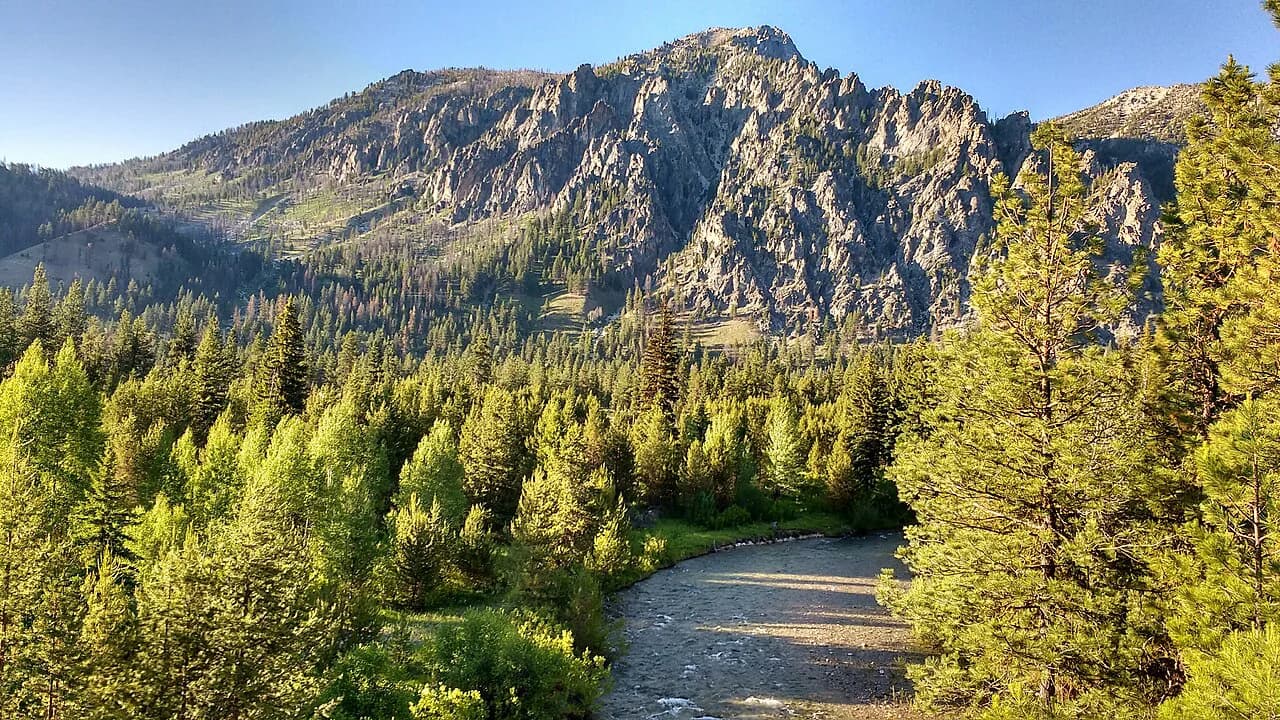
Cove Creek Hot Springs rewards the kind of traveler who would rather earn a soak than park beside one. It sits in the Salmon River Mountains, deep in the country between Stanley and Challis, where the valleys are long, the forests are thick and the hot water comes out of the ground far from any developed pool deck.
This guide covers how the spring fits into a Salmon River country road trip, how to plan the approach on national forest roads, what to carry on a hike-in soak, and which nearby springs make sense to pair with it. Because it is a primitive backcountry site, the quality of your day depends more on preparation and timing than on any amenity.
What Cove Creek Hot Springs Is
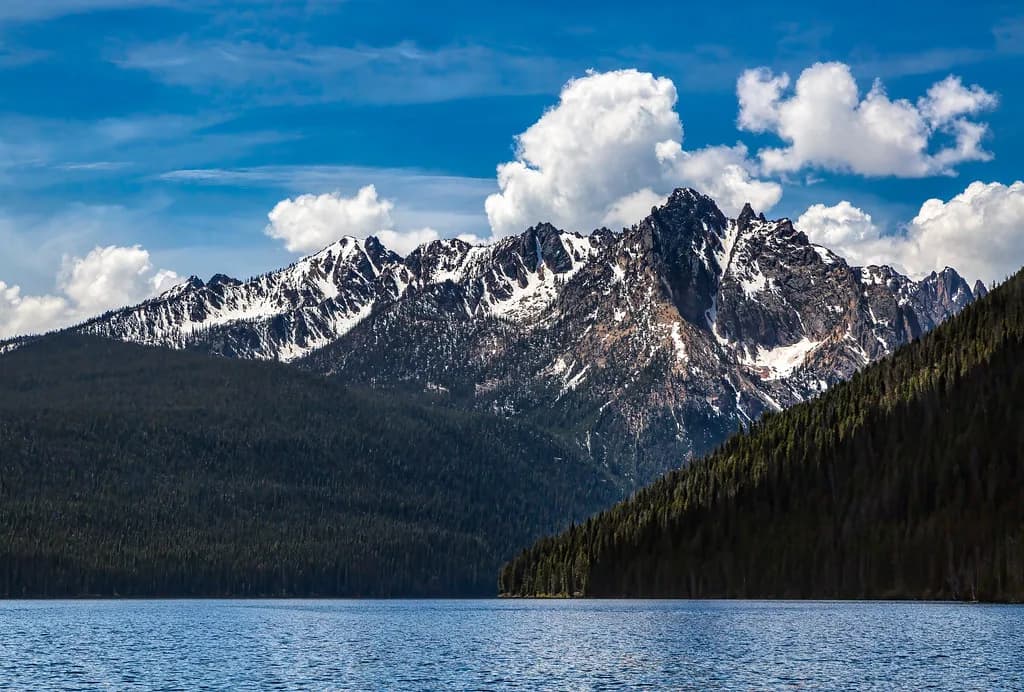
Cove Creek Hot Springs is a natural geothermal soak in the Salmon River Mountains of central Idaho, reached on foot rather than by pulling off a highway. The setting is national forest country: steep timbered slopes, a creek drainage and hot water emerging at a remote site. Treat it as a backcountry destination where the soak is the reward at the end of a hike.
That puts it in a different category from the roadside soaks along Idaho Highway 75 near Stanley, where you can walk from the car to the water in minutes. The trade-off is effort for quiet. A hike-in spring filters out casual visitors, so you are far more likely to share the water with a handful of hikers than with a crowd of day-trippers.
If you are building a broader Idaho itinerary, this soak works best as one stop among several on the state's remarkable [hot springs in idaho](/idaho-hot-springs-guide), where you can pair a primitive hike-in site with easier roadside soaks on the same trip.
Where It Sits and How to Get There
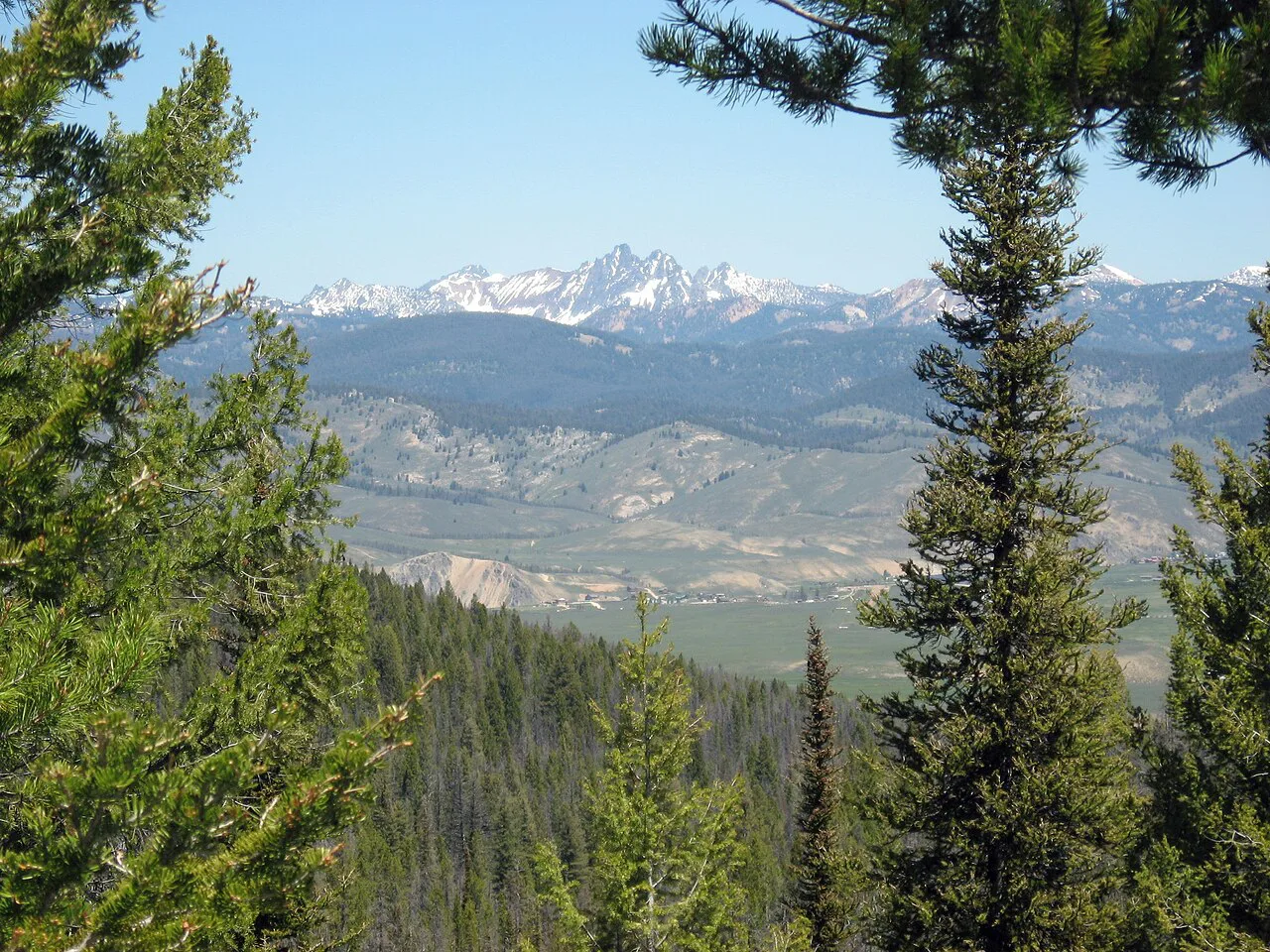
The spring lies in the Salmon River Mountains, in the mountainous country north and west of Stanley and south of Challis. Stanley, at the headwaters of the Salmon River, is the nearest mountain town with a full range of services, while Challis anchors the Salmon River valley to the south. Either town makes a sensible base for fuel, groceries and a last check on road conditions.
Access is by national forest road, and the final stretch is typically unpaved. That changes the vehicle question: a standard car handles graded gravel in dry weather, but rough sections, washouts and snow can turn the same road into a high-clearance or four-wheel-drive proposition. Ask the local Forest Service district office about current road conditions before committing, especially in spring and fall.
Drive times from Stanley or Challis vary with the condition of the forest roads, so plan on a generous margin rather than a fixed schedule. Download offline maps before you leave town, since cell coverage drops quickly once you leave the highway.
The Hike In
The walk to Cove Creek Hot Springs is a forest hike on a primitive route, not a maintained nature trail. Expect a mix of climbing, creek-side travel and sections where the path is faint or blocked by deadfall. Give yourself more time than the distance alone suggests, because climbing over and around downed trees slows a group considerably.
Compared with the region's harder backcountry soaks, this is a moderate outing rather than a full mountaineering day. For a sense of scale, the hike to Slate Creek Hot Spring in the White Cloud Mountains covers about 4.6 miles round trip with roughly 1,801 feet of elevation gain, and the Slate Creek Hot Spring trail notes describe deadfall, weak markings and small log crossings that are typical of Idaho hike-in springs.
Creek crossings are part of the deal in this drainage. Early-season runoff makes them higher and faster, so plan around late spring if you are not comfortable wading. In winter the route holds snow, and the approach becomes a snowshoe or ski trip that demands avalanche awareness and much more daylight than a summer hike.
The Pools
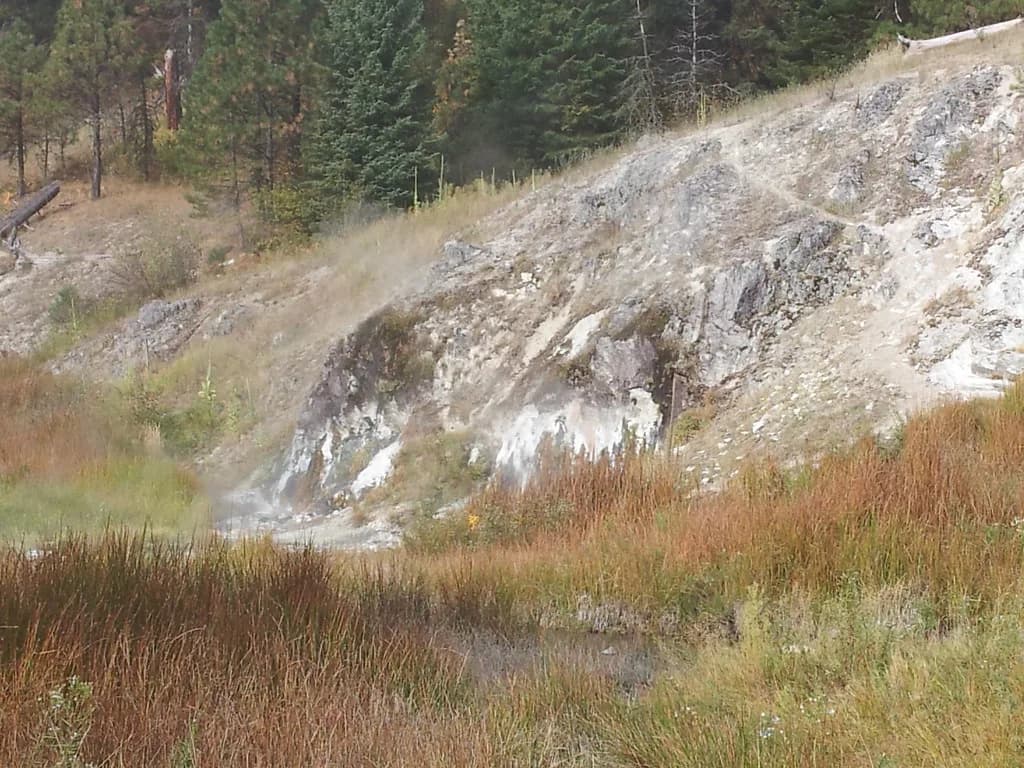
Cove Creek Hot Springs is a primitive site, which means the soaking spots are shaped by visitors and by the terrain rather than by a pool builder. Expect rock-ringed pools or a small soaking basin next to the creek, with hot water mixing into cold creek water. That mix is what makes the soak workable: the source water can be hot enough to scald, and you cool it by shifting position or adding creek water.
The source water can be hot enough to scald, and the rocks around the pools are slick with mineral deposit and algae.
Test the water with a hand or foot before you settle in, and move slowly on wet rock. The rocks around natural pools are slick with mineral deposit and algae. Avoid submerging your head in untreated geothermal water, and keep an eye on children and dogs around the hot source and the creek.
Pool size and condition change from season to season as flows shift and visitors rebuild the rock walls. If the water looks too hot or too cold on the day you arrive, adjust the rock dam or find a spot where the creek dilution suits you better.
Rules and Etiquette for a Primitive Soak
At a hike-in spring like this one, the etiquette is simple and it matters: pack out everything you carry in, including food scraps and any trash left by others, and leave the rocks, plants and historic relics where they are. Keep dogs under control and away from other soakers, and never bring glass containers to a rocky pool.
Follow any posted Forest Service regulations at the trailhead, and keep group size small. Sound carries in a quiet drainage, so keep music off and voices low. In bear and moose country, make noise on the trail and store food properly at camp.
Camping and Lodging Nearby
Camping near Cove Creek Hot Springs means national forest options: established Forest Service campgrounds along the Salmon River corridor and the nearby drainages, plus dispersed sites on forest roads. Campground seasons and fees vary, and some sites close seasonally, so check the current Forest Service listing for the specific campground you have in mind before relying on it.
Dispersed camping on national forest land gives you flexibility and no reservations, but it also means no water, no toilets and no trash service. Choose a site that is already established, camp well away from the water, and bury human waste properly. If you prefer a bed, Stanley and Challis both offer small hotels, motels and guest ranches, with Stanley the more scenic and more expensive base.
For a different overnight, consider a historic soak-and-stay elsewhere in the state, such as [Burgdorf Hot Springs](/burgdorf-hot-springs) in the Payette National Forest, then drive to the Salmon River country for the hike to Cove Creek.
Best Time to Go and What to Expect
Late summer and early fall are the sweet spot: forest roads are usually dry, creek crossings are lower, and the bugs have thinned out. July and August bring the warmest weather and the most traffic on the Salmon River corridor, so plan your hike early in the morning if you want the pools to yourself.
Late summer and early fall are the sweet spot, when forest roads are usually dry and creek crossings are lower.
Fall brings cooler air, golden larch and far fewer people, but the first snows can close high forest roads without much warning. Spring is the messiest season, with runoff-swollen creeks and lingering snow at elevation. As a comparison point, Stanley-area hot springs draw steady summer crowds, and the Stanley hot springs guide notes that even early-morning arrivals at popular roadside springs often find company.
The region's weather turns fast, with afternoon thunderstorms common in summer. Don't sit in a hot spring when lightning is nearby, and keep a backup plan for rainy days.
Nearby Springs for a Salmon River Road Trip
The Salmon River corridor around Stanley is one of the richest hot springs stretches in Idaho, with options for every fitness level. Sunbeam Hot Springs and Boat Box Hot Spring sit right off Idaho Highway 75 and take minutes to reach, which makes them easy add-ons before or after a hike. Sunbeam's hot water spills into the Salmon River, where bathers build small rock pools to mix hot and cold, per the Stanley-area hot springs roundup.
West of Stanley, Bonneville Hot Springs and Kirkham Hot Springs sit along the Payette River country, both with campgrounds nearby. The same roundup reports a $5 day-use fee at Bonneville and Kirkham, covered by the America the Beautiful pass, and campground sites at $15 for a single and $30 for a double.
Farther south near Sun Valley, [Frenchman's Bend Hot Springs](/frenchmans-bend-hot-springs) offers man-made rock pools along Warm Springs Creek with a short, flat walk from the parking area. For a Payette National Forest stop, [Rocky Canyon Hot Springs](/rocky-canyon-hot-springs) along the Middle Fork Payette River makes a good warm-up on the drive.
What to Pack for a Hike-In Soak
Carry a topographic map and a GPS device or offline maps, because the trail is faint in places and cell service disappears. Bring sturdy hiking shoes rather than sandals, a warm layer for the cool-down after soaking, and a quick-dry towel.
Water, snacks and a first-aid kit are non-negotiable on a remote hike. Carry a water filter if you plan to drink from the creek, and pack a headlamp in case the hike out runs long. For emergencies, a satellite communication device is worth the weight in this country.
If you are linking several soaks on the drive, pack a dry bag for wet swimsuits and a trash bag for anything you carry in. The nearest medical facilities are in Stanley, so plan conservatively and tell someone your itinerary before you leave.
Plan Your Visit
Cove Creek Hot Springs suits hikers who want a quiet Salmon River Mountains soak and are willing to plan around forest roads, creek crossings and changing weather. Pair it with easier roadside soaks near Stanley and the Payette River country for a road trip that mixes effort with convenience. If this hike-in style appeals to you, the Wyoming hot springs guide shows how the same effort-for-quiet trade-off plays out at Thermopolis and beyond.
Before you drive out, call the local Forest Service district office for current road and trail conditions, and carry the gear that keeps a remote hike safe. If you want a developed pool instead, [Bear River Hot Springs](/bear-river-hot-springs) in the Riverdale Valley offers an easier alternative with a different landscape.
Frequently Asked Questions
Where is Cove Creek Hot Springs in Idaho?
Cove Creek Hot Springs is in the Salmon River Mountains of central Idaho, in national forest country between Stanley and Challis. It is reached by forest road and then on foot, so allow time for both the drive and the hike.
Is Cove Creek Hot Springs a developed pool or a primitive soak?
It is a primitive backcountry soak, with rock-ringed pools and hot water mixing into the creek. There is no pool deck, lifeguard or developed facility, so bring your own water, gear and trash bag.
How long is the hike to Cove Creek Hot Springs?
The hike is a moderate forest walk on a primitive route with creek crossings and some deadfall. Exact distance varies with the route you take, so carry a topographic map and GPS and allow extra time for navigation.
Can you camp near Cove Creek Hot Springs?
Yes, camping options include Forest Service campgrounds along the Salmon River corridor and dispersed sites on national forest roads. Campground seasons and fees vary, so check the current Forest Service listing before you rely on a specific site.
What is the best time of year to soak at Cove Creek Hot Springs?
Late summer and early fall offer the best combination of dry roads, lower creek crossings and fewer people. Spring brings runoff and lingering snow, and winter turns the approach into a snowshoe or ski trip.
What other hot springs are near Cove Creek on a road trip?
Sunbeam Hot Springs and Boat Box Hot Spring along Idaho Highway 75 near Stanley are the easiest roadside stops. Bonneville and Kirkham hot springs in the Payette River country, and Frenchman's Bend near Sun Valley, are good additions to a longer loop.
Sources
Hot springs notes for your next road trip
Optional updates when we add or revise hot springs guides.
You might also like
Continue reading
More guides you'll find useful

.jpg)