
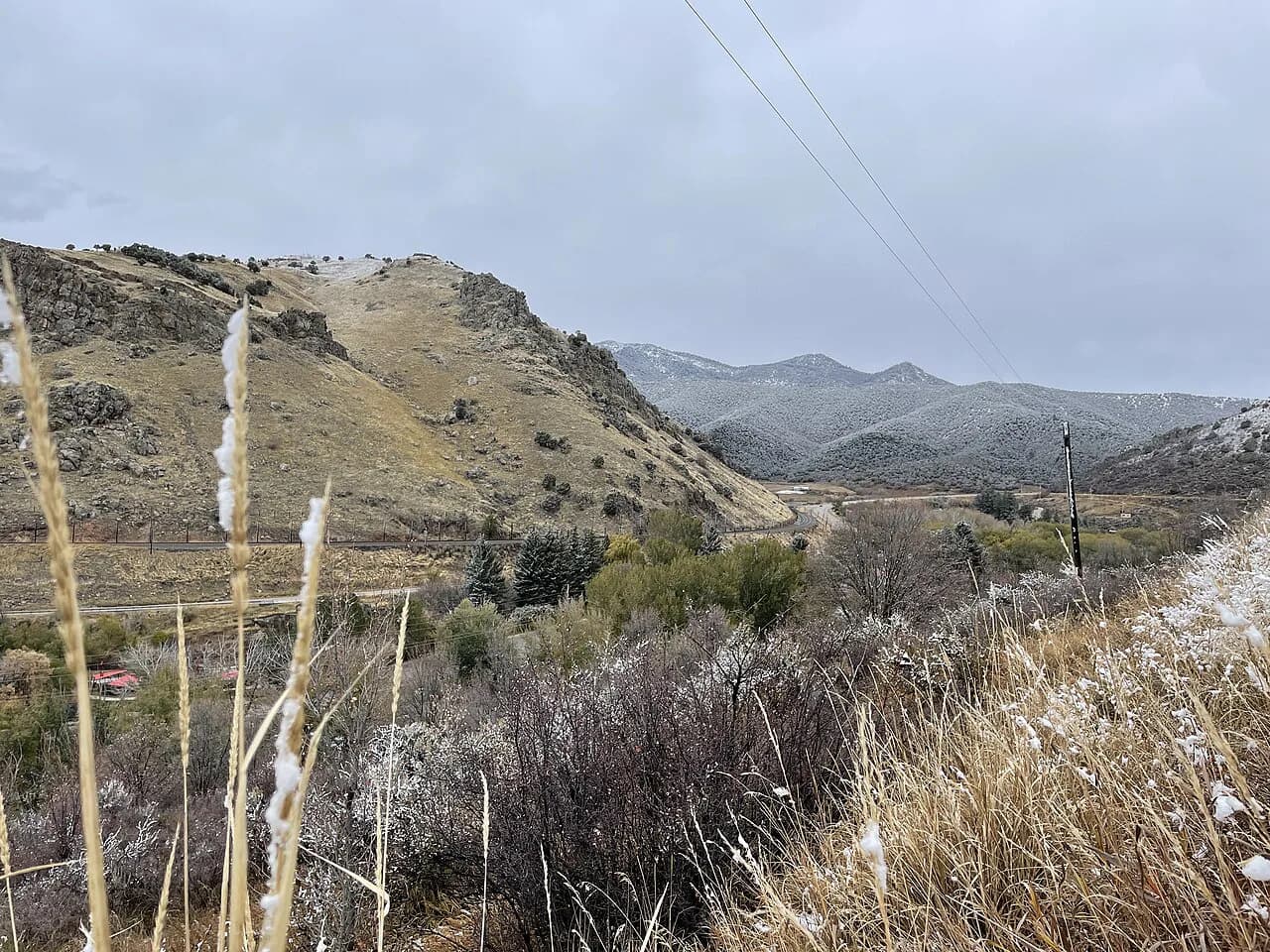
Jerry Johnson Hot Springs, Idaho: Which Hike-In Pools
Plan a soak at Jerry Johnson Hot Springs in Idaho: the 2.6-mile Warm Springs Trail, three cedar-forest rock pools, winter access and camping nearby.
On this page
Jerry Johnson Hot Springs suits anyone who wants a real forest walk before the soak: a flat 2.6-mile trail through cedar along Warm Springs Creek, ending at rock pools of noticeably different characters. There is no resort, no pool deck and no attendant, just water pooling in stone beside a tumbling creek.
It draws a mix of families, road-trippers on U.S. Highway 12 and locals from both sides of the Idaho-Montana line, and summer weekends are the busiest stretch. Go for the variety. The lower waterfall pool runs hot, the boulder-side pool is milder, and the upper pool is quieter.
Where Jerry Johnson Hot Springs sits
The springs sit in north central Idaho, close to the Montana border and roughly 65 miles from Missoula, in the Nez Perce-Clearwater National Forest. Everything runs off U.S. Highway 12, the winding river road that follows the Lochsa through this part of the state.
The nearest services are at Lochsa Lodge, which stays open year-round and is the closest place to fill up, eat a hot meal or sleep in a bed. Because the highway is the only corridor through here, plan fuel and food around it rather than assuming a town is around the next bend.
If you are building a longer Idaho trip, this is one stop among many; the state's hot springs in Idaho range from drive-up concrete tubs to hike-in pools like this one.
Getting there
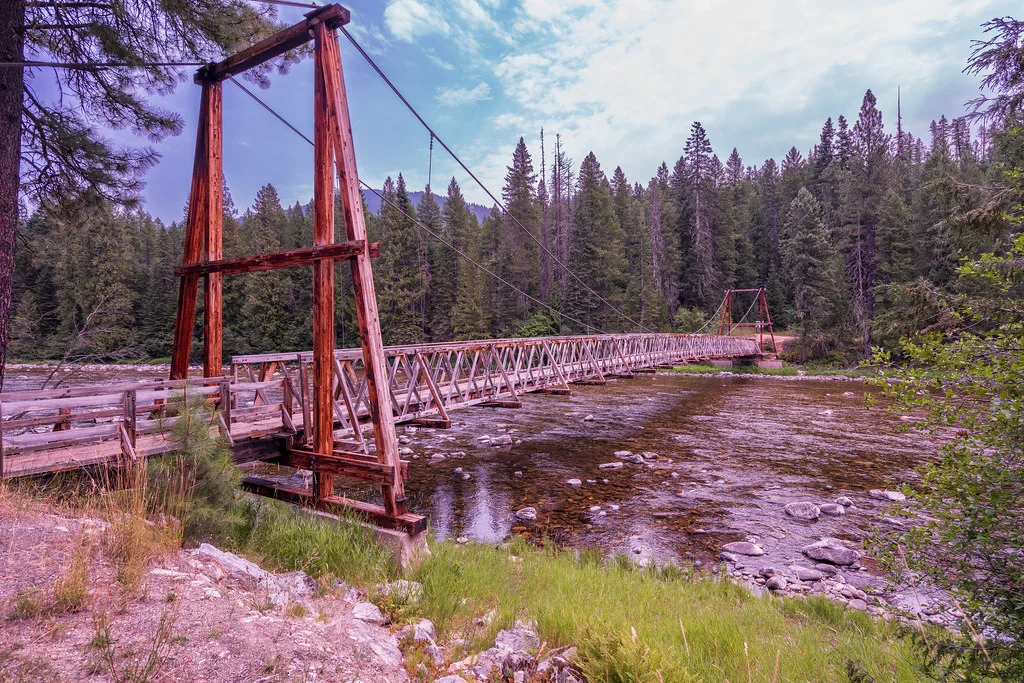
Park on the far side of U.S. Highway 12 from the trailhead and use the restroom there before you start, since it is the only one in the area. From the lot you cross a bridge over the Lochsa River and pick up the Warm Springs Trailhead.
The drive is straightforward in summer, but winter changes the calculation: the source recommends a four-wheel-drive vehicle along with snowshoes or ice grips for your shoes. Highway 12 stays the route in every season, so check road conditions with the Idaho Transportation Department before committing in snow.
The hike in
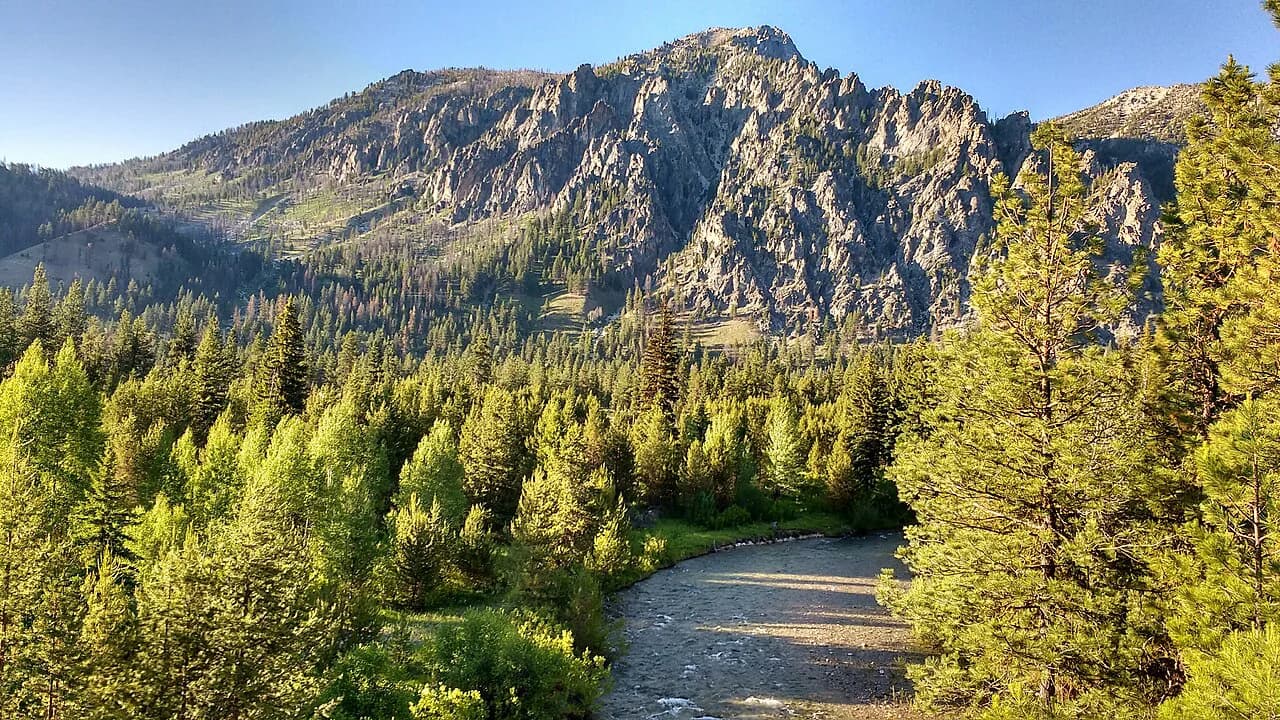
The walk is 2.6 miles one way on a relatively flat, well-trodden path through cedar forest, which makes it manageable for most hikers carrying a daypack. Doubling that gives a round trip of about 5.2 miles, all of it along Warm Springs Creek.
The trail turns slick after heavy rain or during the early spring melt, so a sturdy walking stick earns its place on those days.
Late spring and summer are the prime months, but the trail turns slick after heavy rain or during the early spring melt. A sturdy trail pole or walking stick earns its place on those days, and the descent to the first pool is steep enough to demand care.
Trail data for the route through the Nez Perce-Clearwater National Forests rates it moderate overall, with roughly 1,600 feet of elevation gain on the full path. Treat the flat riverside stretch as the easy part and save energy for the pool entries.
The pools
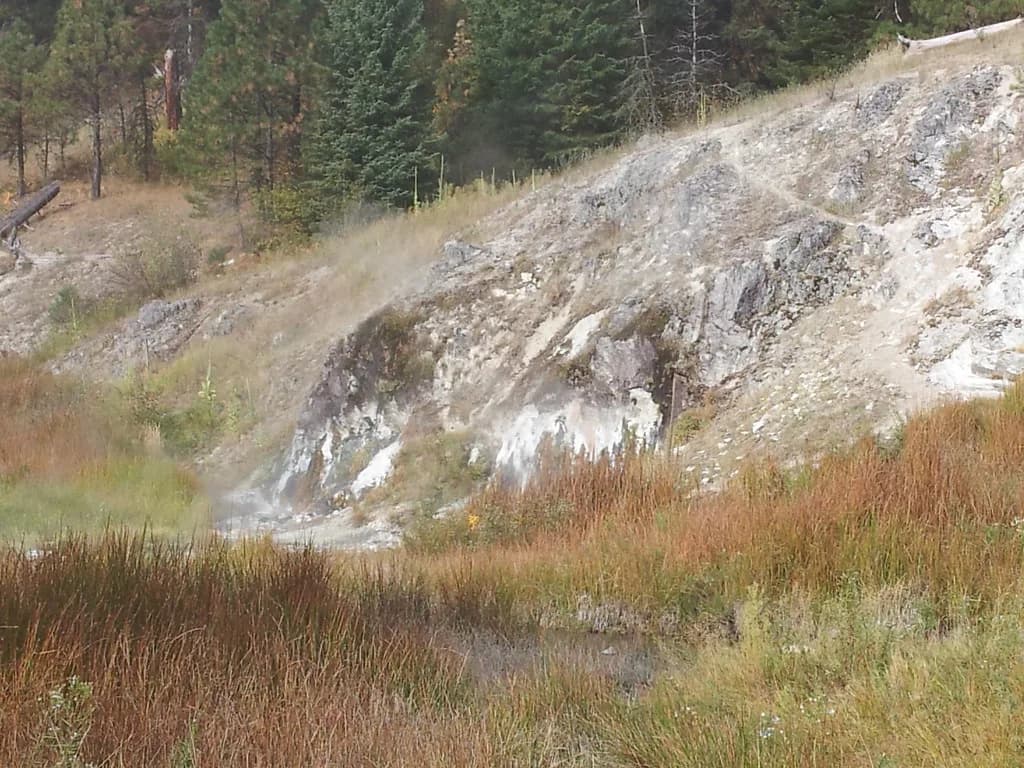
The first pools appear beside Warm Springs Creek about a mile in, fed by a waterfall that dumps water that may reach 115 degrees Fahrenheit. They often sit underwater until the creek level drops, and the path down to them is steep.
| Pool | Temperature | Notes |
|---|---|---|
| Lower waterfall pool | May reach 115°F | Fed by a waterfall; often underwater until the creek drops |
| Boulder pool | 95 to 100°F | Easiest trail access, so it sees the most use |
| Upper pool | — | Mountain views and typically fewer people |
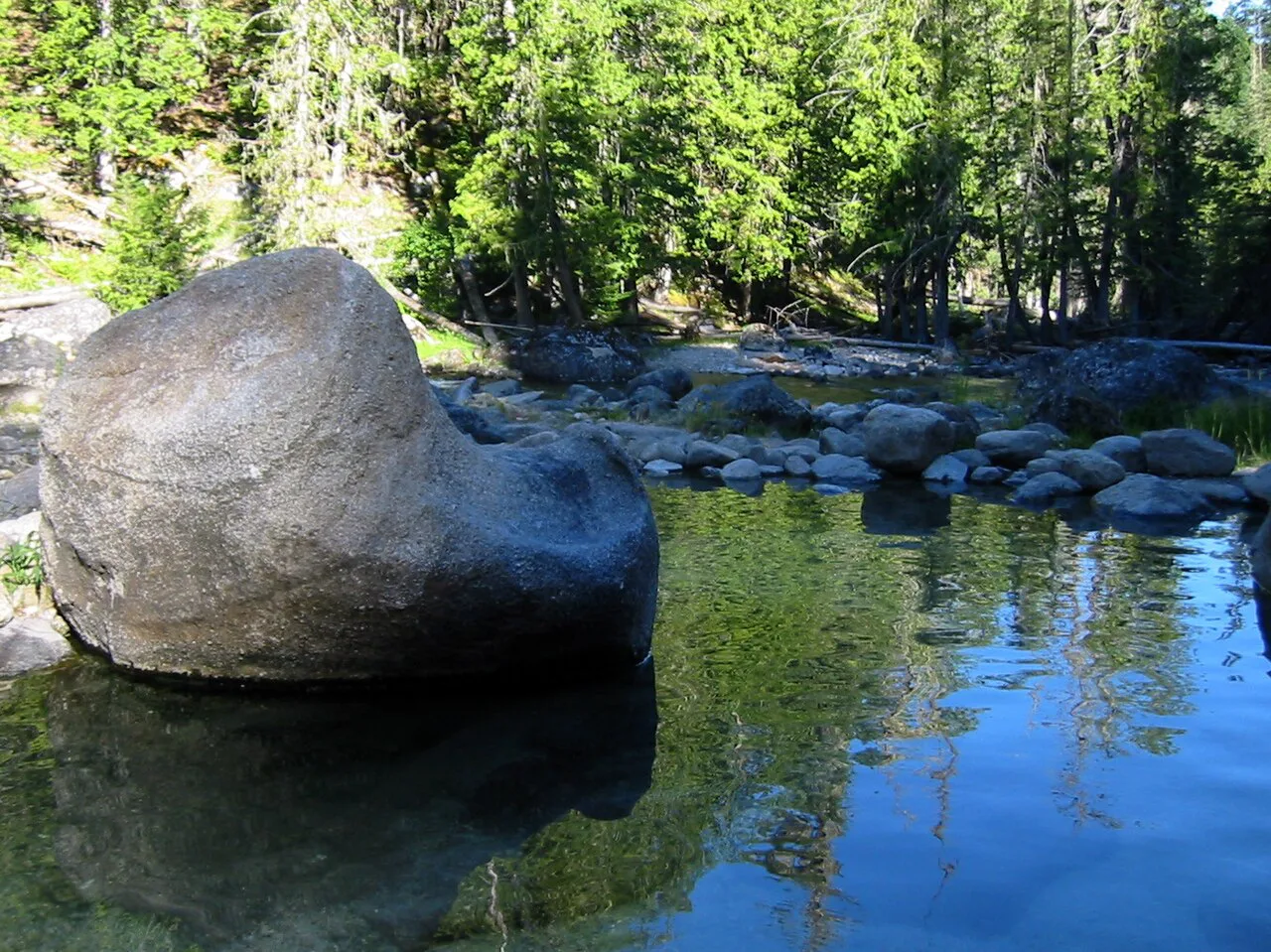
The second set sits next to a large boulder with easy trail access, which is why it sees the most use, and it usually holds a cooler 95 to 100 degrees Fahrenheit. The third pool lies just up the trail, with mountain views and typically fewer people.
Water temperatures in natural pools shift with creek flow and season, so test with your hand before easing in and keep your head above water in untreated geothermal water. The source water at the lower falls is hot enough to scald.
Footing and what to wear
Sharp rock is the main annoyance here, and sturdy water shoes are strongly recommended for moving between pools and wading the creek margins. Bare feet and thin sandals make the short scrambles around the boulder pool unpleasant.
Bring a walking stick for the slick sections and for balance at the steep entry to the waterfall pool. Pack a dry layer for the walk out, since a wet soak followed by a shaded cedar forest feels cold fast.
Rules and etiquette
Soaking here is clothing optional, and the springs are also used by families, so expect a mixed crowd rather than a private resort atmosphere. The area follows Leave No Trace practices, and camping at the springs is not allowed.
Pack out everything you carry in, including food scraps and broken gear, and keep glass away from the pools. The springs are free to access and open year-round, with summer bringing the most company.
Camping and lodging
Jerry Johnson Campground sits less than 1.5 miles west of the Warm Springs Trailhead off U.S. Highway 12, with 20 trailer or tent sites. It opens only in summer and takes campers first-come, first-served, so arrive early on a July or August weekend.
For a roof and a hot meal any time of year, Lochsa Lodge is the nearest option and covers the gap when the campground is closed. Book ahead if you are traveling on a holiday weekend, when Highway 12 traffic swells.
Crowds and timing
Summer is when the pools fill up, particularly the easily reached boulder-side set; the upper pool is your best bet for quiet on a busy afternoon. Late spring through summer is the prime window for the hike itself.
In winter, snowshoes or ice grips matter more than timing, and the lower waterfall pools may be buried under high creek water until flows drop. If that happens, the boulder pool normally stays accessible year-round.
Nearby springs on a Highway 12 road trip
Highway 12 makes a natural soak-hopping route, and Lolo Hot Springs on the Montana side pairs well with Jerry Johnson for a day that mixes a developed pool with a hike-in soak. If that side of the border tempts you, our Montana hot springs guide covers where to soak and stay. The Lewis and Clark Trail and Nez Perce history along the corridor give non-soaking hours some substance.
Further afield, Goldbug Hot Springs, Idaho offers another hike-in soak with a steeper approach near Elk Bend, a good southern counterpoint if you are touring the state. Closer to Boise, Kirkham Hot Springs and the rest of the state's drive-up soaks fill out a longer itinerary.
What to pack for a primitive soak
Carry water shoes, a walking stick, a towel and a dry layer, plus cash for fuel and food along Highway 12 where card readers can be unreliable. A small first-aid kit covers the scrapes that sharp rock hands out.
Bring more water than you think you need for 5.2 miles of round-trip walking, and pack out every bit of trash, since there are no bins at the pools. In winter, add snowshoes or traction devices and check that your vehicle can handle snow-covered roads.
Plan Your Soak
Jerry Johnson Hot Springs works best as a half-day outing: an early start from Lochsa Lodge or the campground, a steady walk through cedar, and time split between the hot waterfall basin and the milder boulder pool. Finish at the upper pool if you want quiet.
Confirm current trail and road conditions with the Nez Perce-Clearwater National Forest before you set out, especially after storms or in early spring. Then pack your water shoes, leave the glass at home and enjoy one of Idaho's classic forest soaks.
Frequently Asked Questions
How far is the hike to Jerry Johnson Hot Springs?
The walk is 2.6 miles one way from the Warm Springs Trailhead along a relatively flat path through cedar forest beside Warm Springs Creek, which makes a round trip of about 5.2 miles.
Is Jerry Johnson Hot Springs clothing optional?
Yes. Soaking without swimwear is accepted here, and the springs are also used by families, so expect a mixed crowd rather than a private atmosphere.
Can you camp at Jerry Johnson Hot Springs?
Camping at the springs is not allowed. Jerry Johnson Campground sits less than 1.5 miles west of the trailhead off U.S. Highway 12, opens in summer only and operates first-come, first-served.
How hot are the pools at Jerry Johnson Hot Springs?
The waterfall-fed lower pool may reach 115 degrees Fahrenheit, while the boulder-side pool usually runs between 95 and 100 degrees Fahrenheit. Natural flows shift with the season, so test the water before getting in.
Do you need four-wheel drive in winter?
A four-wheel-drive vehicle is recommended for winter visits, along with snowshoes or ice grips for your shoes. The lower pools may be submerged until creek levels drop, while the boulder pool is normally accessible year-round.
What should I wear on the trail?
Sturdy water shoes are strongly recommended for the sharp rock around the pools, and a walking stick helps on slick sections and steep pool entries. Bring a dry layer for the shaded walk out.
Sources
Hot springs notes for your next road trip
Optional updates when we add or revise hot springs guides.
You might also like
Continue reading
More guides you'll find useful

.jpg)