Lava Hot Springs, Idaho: Hot Pools Guide, Fees and Tips
Plan a soak at Lava Hot Springs, Idaho: geothermal pools at 102 to 112 degrees, the no-alcohol and no-glass rules, and the separate swimming complex.
On this page
Lava Hot Springs suits travelers who want a real geothermal soak without a hike, a forest road or a tent. The hot pools sit in the middle of a small southeastern Idaho town on the Portneuf River, fed by springs that come out of the ground between 102 and 112 degrees. You park, pay at the gate and step into hot water within minutes, which makes it an easy add-on to a Salt Lake City or Yellowstone road trip.
The catch is that Lava is two separate facilities on two different blocks, each with its own tickets. Knowing which one you want before you arrive saves you a confusing lap around town.
What Lava Hot Springs is and where it sits
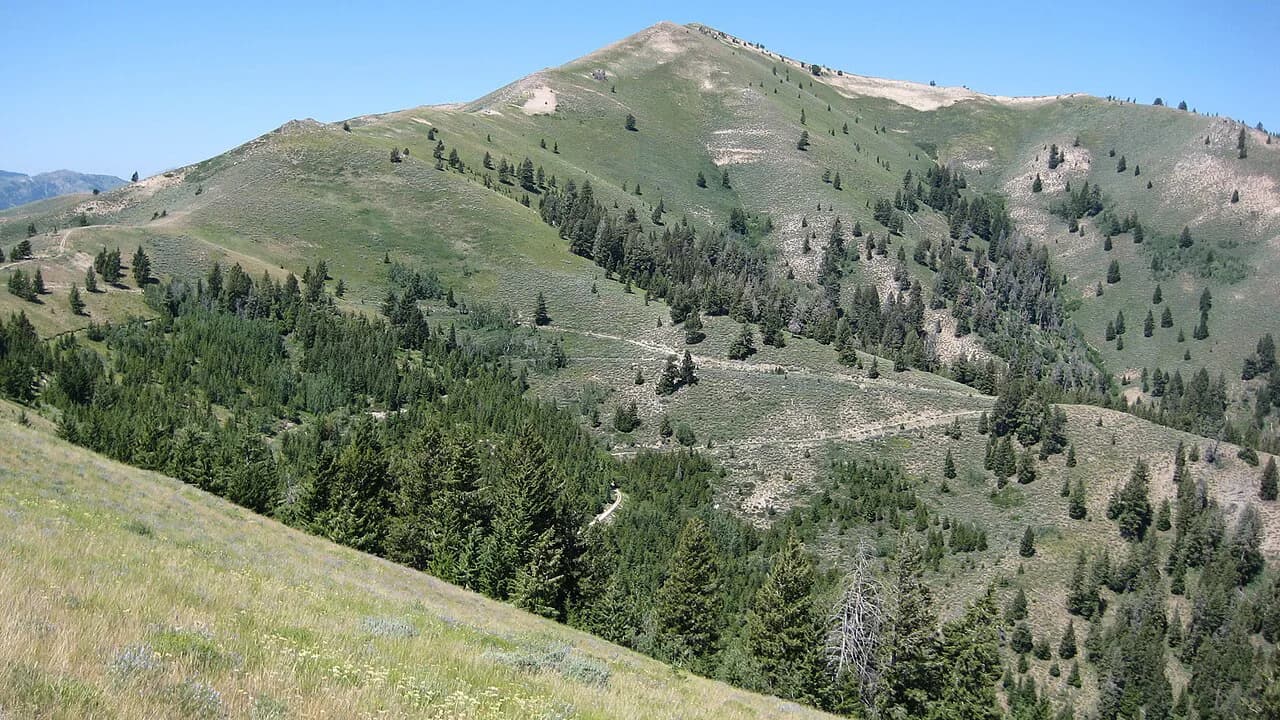
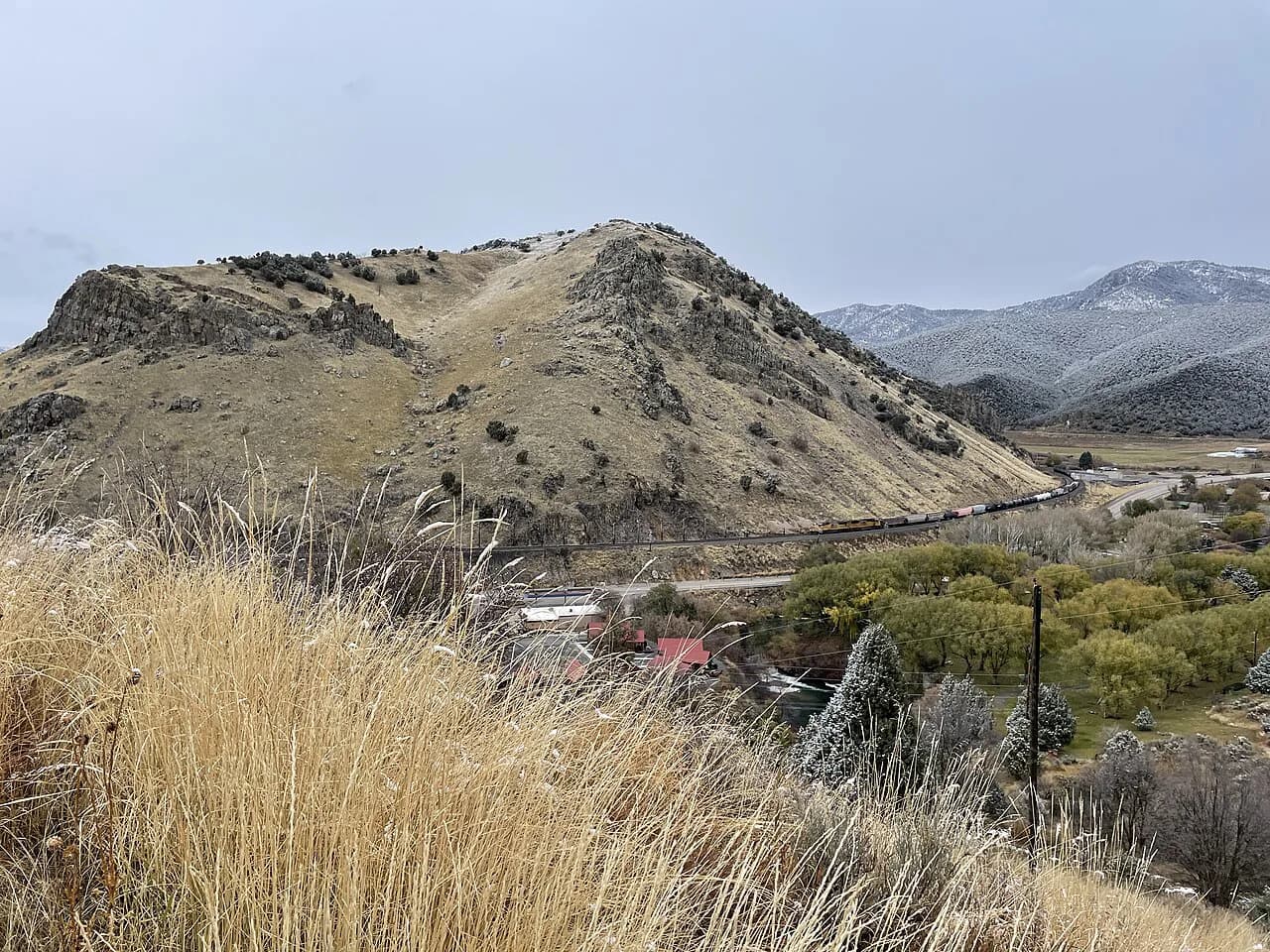
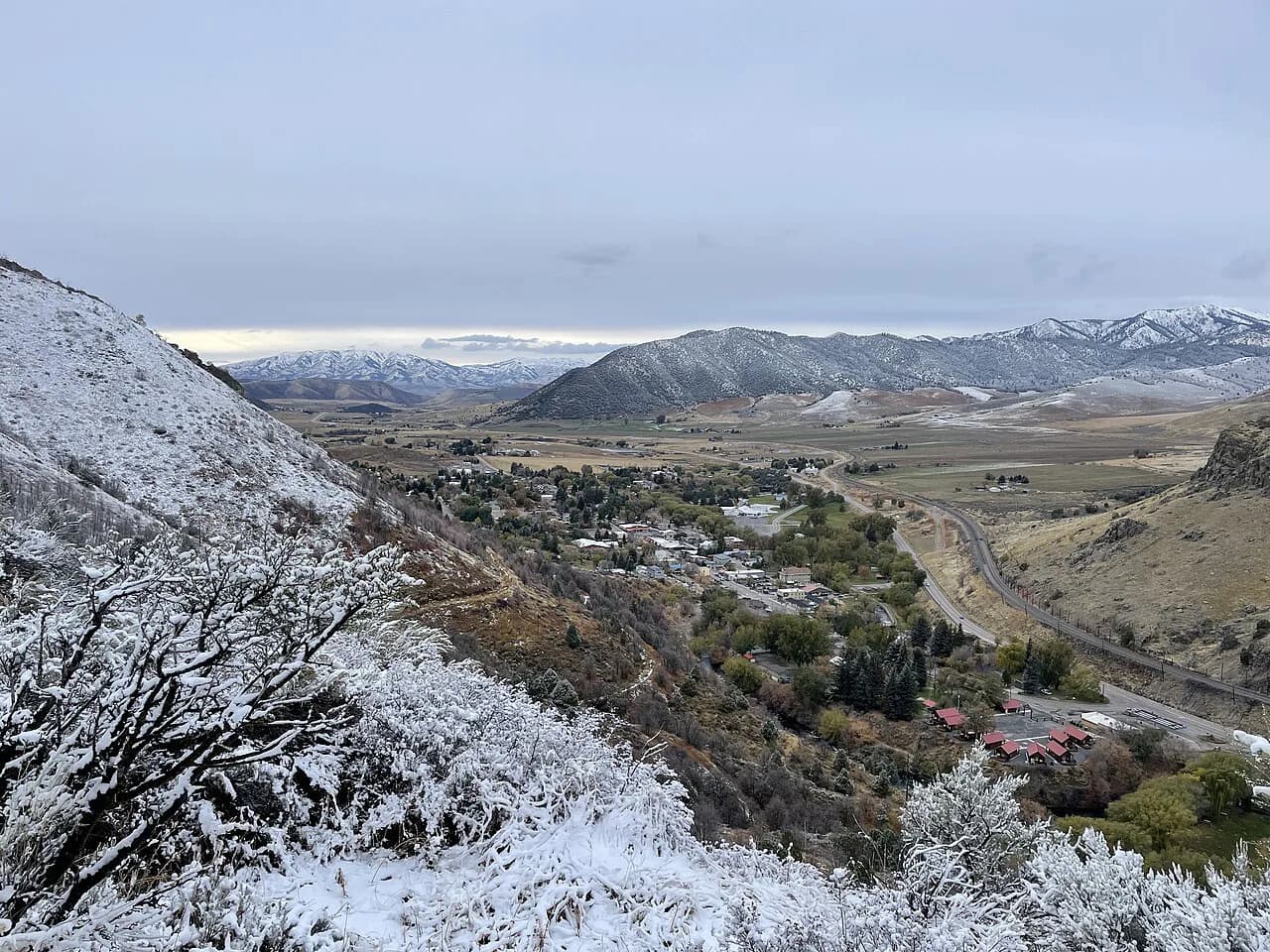
The pools are in Lava Hot Springs, Idaho, in Bannock County, in the Portneuf River valley of southeastern Idaho. The Lava Hot Springs Foundation puts the drive at roughly two hours north of Salt Lake City and about three hours south of Yellowstone National Park, both approximate and both dependent on weather and traffic through the mountain passes.
This is a developed, town-based hot spring rather than a primitive forest soak. Expect paved access, a staffed entrance, changing facilities and posted rules, not a gravel pullout and a mud bank. That makes it a strong choice for families, winter soaks and anyone without a high-clearance vehicle.
The two facilities: hot pools versus swimming complex
The geothermal hot pools are at 430 E. Main St., and the swimming side, including the indoor pool, is at 195 N. Center St., four blocks east. They are run as separate operations with separate passes, so a hot pool ticket does not get you into the pool complex.
Treat them as two different outings. The hot pools are the soak; the swimming complex is the active, kid-focused side with diving and water features, and the outdoor Olympic pool operates in summer while the indoor pool runs year round with limited hours.
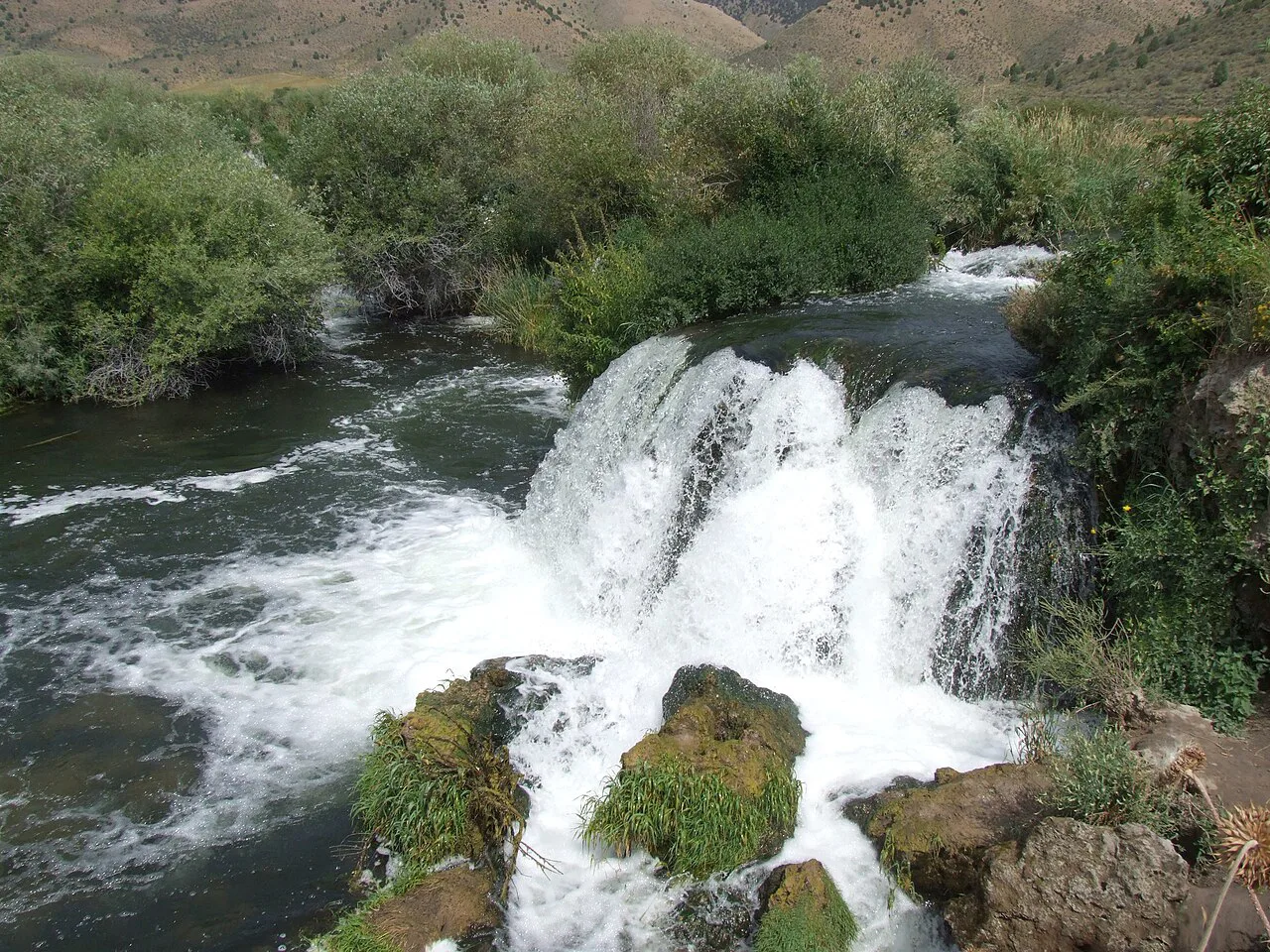
The pools and water temperatures
The geothermal water ranges from 102 to 112 degrees across the pools at the hot pools site, so you can move between a hot soak and something closer to bath temperature without leaving the property.
Source water this hot is a scald risk, and pool decks get slippery. Start at the cooler end and work upward rather than dropping straight into the hottest pool.
The springs rise mineral-rich and odorless, which means the soak smells of nothing more than warm water, and the pools sit in the Portneuf River valley of southeastern Idaho.
Start at the cooler end and work upward rather than dropping straight into the hottest pool. Source water this hot is a scald risk, rock and pool decks get slippery, and it is sensible to keep your head above the surface in untreated geothermal water. The facility posts its own advisories on site, so read them at the entrance.
Rates, passes and hours
The hot pools operate year round, which makes Lava one of the few reliable winter soaks in the region, and the Lava Hot Springs Foundation reports that the facilities are open 363 days a year. Passes are sold as separate tickets for the hot pools and for the swimming complex, so decide which outing you want before you buy.
The hot pools and the swimming complex sell separate passes, so a hot pool ticket does not get you into the pool complex.
If you are buying for a group, look at whether group rates or the park rental program fit better than individual admission. The Foundation also rents party rooms and cabanas, and it runs swim lessons at the indoor pool.
The Foundation splits the year into summer and winter schedules, and winter hours begin on October 1. On the winter schedule the hot pools open at 8:00 am and close at 10:00 pm Sunday through Thursday, with a later 11:00 pm close on Fridays and Saturdays. The indoor pool keeps shorter afternoon hours, and the outdoor Olympic pool is a summer-only facility.
Lockers, towels and swimsuits can be rented on site, so you can arrive with little more than a change of clothes. Swim diapers are sold at the swimming complex.
Rules at the pools
Alcohol and glass containers are not allowed at the hot pools or the swimming complex. This is a genuine packing constraint: leave the wine bottle and the glass growler at home, and plan any drinks for after your soak.
Beyond that, expect the standard operated-facility setup: a staffed entrance, changing areas, posted pool rules and staff direction on how long to stay in the hottest water. The diving platforms and tower at the swimming complex require a signed waiver, so have that sorted before the group heads to the deep end.
Best time to go and how to handle crowds
Summer is tubing season on the Portneuf, and the town fills with river traffic on warm weekends. If you are soaking rather than floating, aim for a weekday, or soak in the morning before the tube rentals get moving and again in the evening after they clear out.
Fall and winter are the quietest and most atmospheric months, and the hot pools stay open year round, so a cold-weather visit with steam coming off the water is a legitimate reason to come. Winter also means watching the weather over the mountain passes before you commit to the drive.
Camping and lodging in town
Lava is a full-service base rather than a trailhead. The chamber of commerce lists lodging across hotels and motels, bed and breakfasts, vacation rentals, and camping and RV parks, so you can pick between walking to the pools from a downtown room and parking an RV for the night.
Book ahead for summer weekends and event weekends, when the town's small inventory fills. Off-season, you have far more flexibility, and midweek rates and availability are easier.
Other things to do in town
Floating the Portneuf is the other reason people come, and the chamber keeps a running events calendar alongside recreation listings for trails, fishing and the zip line.
Build a half day around the soak and a half day around town: float or hike in the morning, soak in the late afternoon, then eat downtown. That order keeps you out of the hottest part of the day and off the busiest river hours.
Nearby springs and road-trip combinations
Lava works well as one stop on a southeastern Idaho loop. Miracle Hot Springs is another developed soak in the region, and pairing a town-built pool with a second, quieter spring gives you two very different afternoons without a long drive between them.
For a wider circuit, look at heise hot springs near the Snake River plain and maple grove hot springs to the south, both developed soaks that fit a family road trip.
If you want a primitive counterpoint, plan a separate northern leg toward Burgdorf Hot Springs in the Payette National Forest, where the access and the experience are entirely different. For the full statewide list, start with the hot springs in idaho guide and build the route from there. If your trip runs past the state line, the hot springs in Nevada guide covers the same decision — developed soak or wild one — for the next state south.
Sunken Gardens above the hot pools
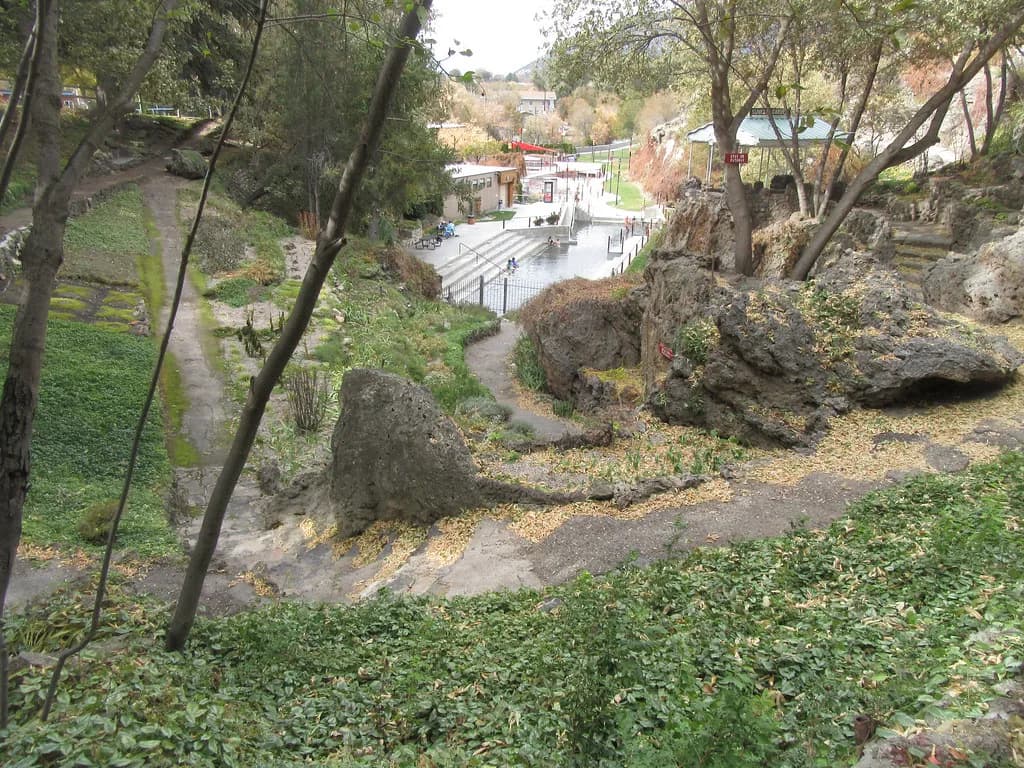
Sunken Gardens sits just off Main Street, directly above the hot pools, and entry to the gardens is free of charge. It is a planted garden with native and imported flowers, birdlife and cooler air than the pool deck, which makes it a useful stop if someone in your group does not want to soak or if you need to wait out a line.
The rock walls around the garden look volcanic, which is why many visitors assume the town's name comes from lava flows. The walls are actually the remains of algae reefs that formed in the Portneuf River long ago, which gives the garden a geology story that is more unusual than lava.
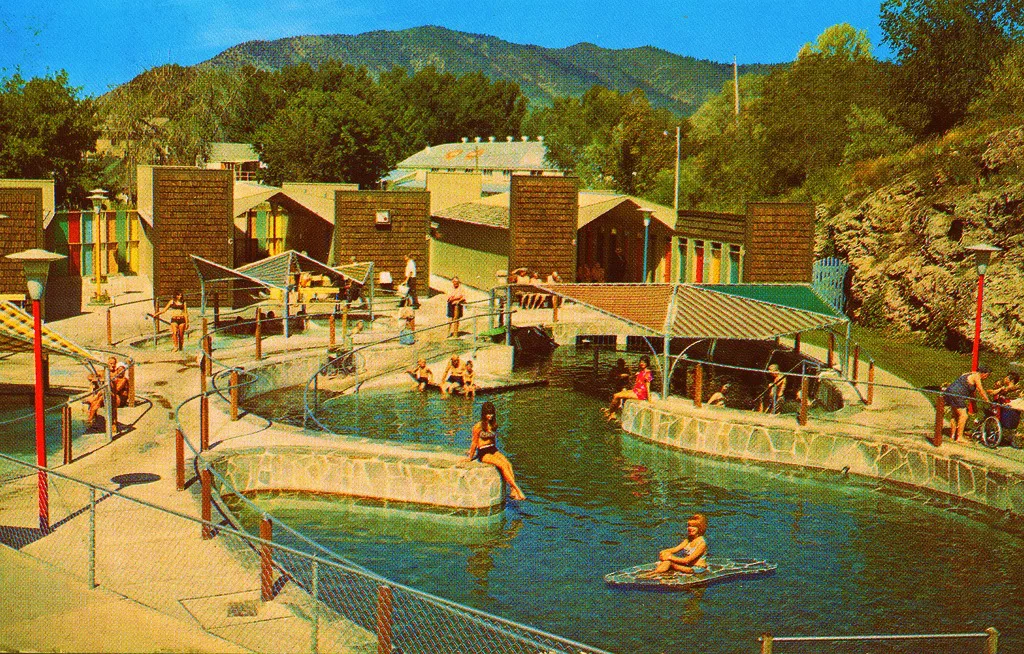
Floating the Portneuf River
Tubing is a separate activity from the pools and is run by local rental businesses. The tubing season runs from June through mid-September, with floats leaving once or twice per hour, and shuttles are arranged through the rental shops. There is no float season in winter, so a cold-weather trip is purely a hot pool trip.
The Portneuf here is a quick, rapid-filled stretch that the chamber calls a natural, unpredictable river, so this is not a lazy-river float. Life jackets come with the rental fee and are recommended for all children and non-swimmers. Wear shorts and shoes that stay on, such as old tennis shoes, water shoes or river sandals, because flip-flops are easily lost.
Leave wallets, keys, phones, loose jewelry and eyewear without a retention cord in the car. Glass and Styrofoam containers are prohibited on the river, just as glass is banned at the pools. Use only the recommended put-in and exit points on the entry and exit map, and put your trash in a receptacle before you launch.
Tubing is at your own risk, and the chamber, the city and the rental shops are not responsible for injuries or lost items. Rental prices vary by shop and season. A good sequence is to float first and soak afterward, since hot water is a welcome end to a cold river.
Families, kids and mixed groups
The split between soaking and swimming makes Lava easier for mixed groups than most hot springs. Adults who want heat can stay at the hot pools, while children who want to splash have the indoor aquatic center and, in summer, the outdoor Olympic pool with its diving platforms and water slides.
The indoor side has a six-lane, 25-yard pool, a diving board, an Aqua Climb Wall, a hot pool and a children's area called Portneuf Kiddie Cove. Water at 102 to 112 degrees is too hot for a toddler to sit in for long, so keep young children to the cooler end of the range for short periods and never leave them unattended on wet decks.
Group outings are well served too. Party rooms, cabanas and park rentals are available for reunions and birthdays, which is useful if you are planning something bigger than a single soak.
Etiquette at a town hot spring
Lava is an operated facility, so the posted rules do the work here: follow staff direction, keep glass and alcohol out, and shower before you get in. Rinse off sunscreen and lotion first, keep your voice down in the pool, and take everything you brought back out with you. At a busy town pool, the simplest courtesy is not hogging a hot pool when others are waiting.
Practical logistics
Pack a towel, flip-flops for the deck, a water bottle and a bag for wet gear, and leave the glass behind. Keep a warm layer handy for the walk back to the car in winter.
The hot pools and the swimming complex run different schedules, so plan each outing on its own. If you are driving in from Salt Lake City or Yellowstone in winter, check road conditions on the passes before you leave.
Plan Your Soak
Lava Hot Springs delivers the rare combination of genuine geothermal water and a town you can walk to dinner from. Decide up front whether you want the hot pools, the swimming complex or both, pack without glass or alcohol, and pick a weekday or an off-season date to avoid the tubing rush.
Treat it as the comfortable anchor of a southeastern Idaho road trip, then add a second, quieter spring for contrast. A call to the Lava Hot Springs Foundation at 208-776-5221 settles any detail that changes by season.
Frequently Asked Questions
Can you swim at Lava Hot Springs?
Yes, but decide which facility you mean. The hot pools are for soaking in geothermal water, while the swimming complex on a different block has the indoor pool and the outdoor Olympic pool for actual swimming and diving. They are ticketed separately.
Are the Lava Hot Springs hot pools open year round?
The hot pools operate year round, and the Foundation reports 363 open days a year, which makes Lava a solid winter soak. The swimming complex follows a different schedule, with the outdoor Olympic pool open in summer and the indoor pool running year round on limited hours.
Can you drink alcohol at the Lava Hot Springs hot pools?
No. Alcohol and glass containers are not allowed at either the hot pools or the swimming complex, so plan any drinks for after your soak and pack accordingly.
What is the water temperature at Lava Hot Springs?
The geothermal pools range from 102 to 112 degrees across the site, so you can choose between a hot soak and a milder one. Start at the cooler end and move up rather than jumping straight into the hottest water.
How far is Lava Hot Springs from Salt Lake City?
It's roughly two hours north of Salt Lake City and about three hours south of Yellowstone National Park. Both are approximations that depend on weather, traffic and pass conditions.
Is Lava Hot Springs worth visiting?
It is if you want a real geothermal soak with town amenities instead of a hike-in spring. The trade-off is that summer weekends bring tubing crowds, so a weekday or an off-season visit gives you a calmer pool.
When is tubing season on the Portneuf River?
Tubing runs from June through mid-September, with floats leaving once or twice per hour. Life jackets come with the rental, and glass and Styrofoam are prohibited on the river.
Is Sunken Gardens free?
Yes. Entry to Sunken Gardens, the planted garden just above the hot pools on Main Street, is free of charge.
Sources
- Lava Hot Springs Hot Pools, Swimming Pool & Water Park - Idaho Hot Springs
- Lava Hot Springs Recreation, Events, Lodging & Businesses - Chamber of Commerce
- Lava Hot Springs
- Lava Hot Springs Calendar of Hours for Hot Pools and Swimming Pools
- Sunken Gardens at Lava Hot Springs Hot Pools
- Float or Kayak The Portneuf River in Lava Hot Springs Idaho
Hot springs notes for your next road trip
Optional updates when we add or revise hot springs guides.
You might also like
Continue reading
More guides you'll find useful