
Loftus Hot Springs, Idaho: Plan Your Soak Guide
Loftus Hot Springs sits on the Middle Fork Boise River in Idaho, near Twin Springs. Plan a primitive soak, pair it with Kirkham, and time the river right.
On this page
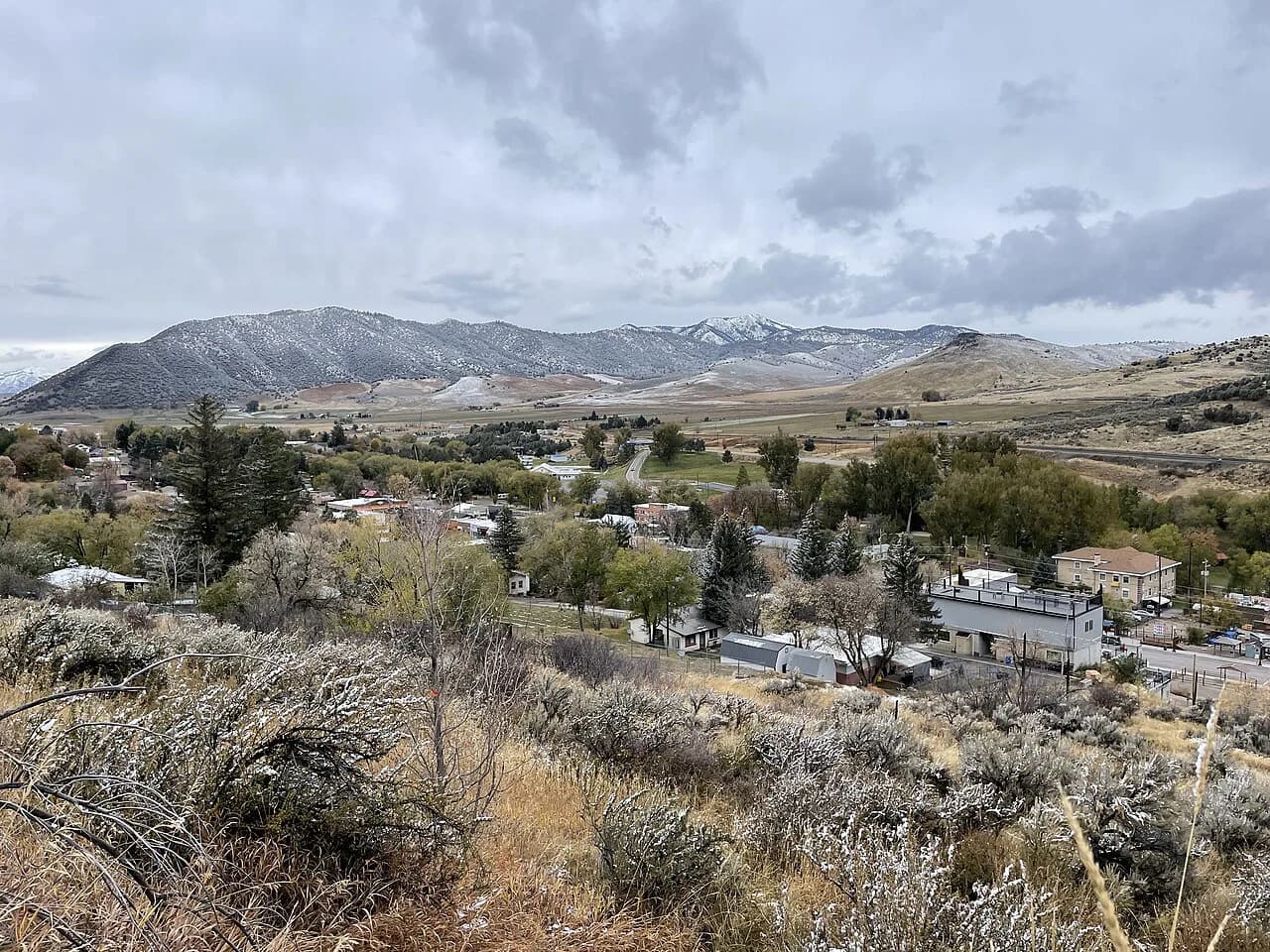
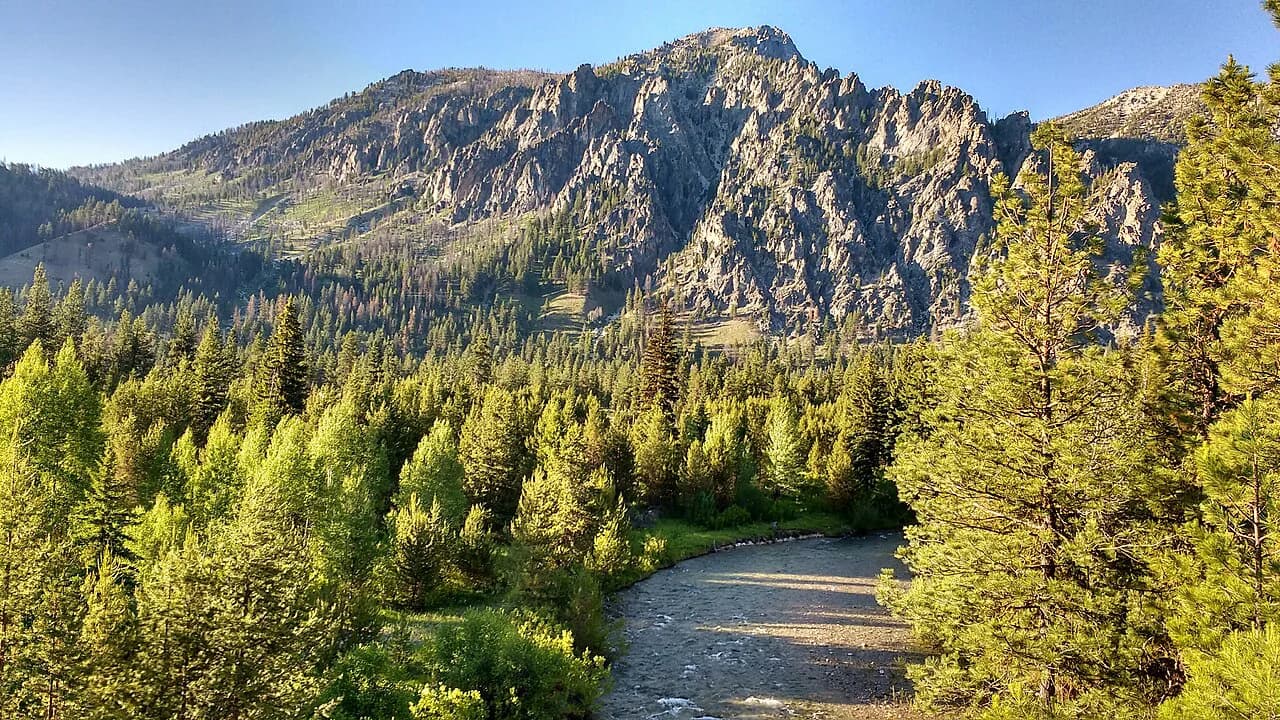
Loftus Hot Springs is a primitive soak on the Middle Fork Boise River in central Idaho, the kind of stop that rewards a driver willing to trade pavement for a gravel canyon road. The appeal is the setting: rock-lined pools at the river's edge, cold current a step away from hot water, and national forest country in every direction.
It suits travelers who already plan to spend a day on the Middle Fork road and want a soak folded into the drive, rather than a resort guest looking for a heated pool and a locker room. If you want guarantees about water level and pool condition, the developed stops on this route are the better bet.
Where Loftus Hot Springs Sits
The spring lies along the Middle Fork Boise River drainage northeast of Boise, in the mountainous country upstream of the Twin Springs area. The nearest service hub is Boise, and the nearest small communities are the mountain towns strung along the river corridors toward Lowman and Idaho City.
Drive time from Boise depends heavily on road surface and traffic on the forest highway, so treat any estimate as a range and leave early. The last stretch follows the river, which means slow going behind campers and trailers in summer and a much quieter road in spring and fall.
Getting There
Access is by the Middle Fork Boise River road, a route that mixes pavement with long gravel sections and narrow shelves above the water. Passenger cars make the drive in dry weather, but high clearance helps once the surface is washboarded, and a spare tire is worth having on any gravel day.
Parking along the river is informal; you pull into a wide spot or a pullout and walk a short distance to the water. Expect a brief scramble over rock and roots rather than a maintained trail, and wear shoes with grip since the stones near the pools stay slick.
Winter and early spring can close or complicate the road with snow and washouts, so plan the drive for the snow-free months unless you know the route is passable. Before a cold-season attempt, call the Boise National Forest district office for current road status.
The Pools
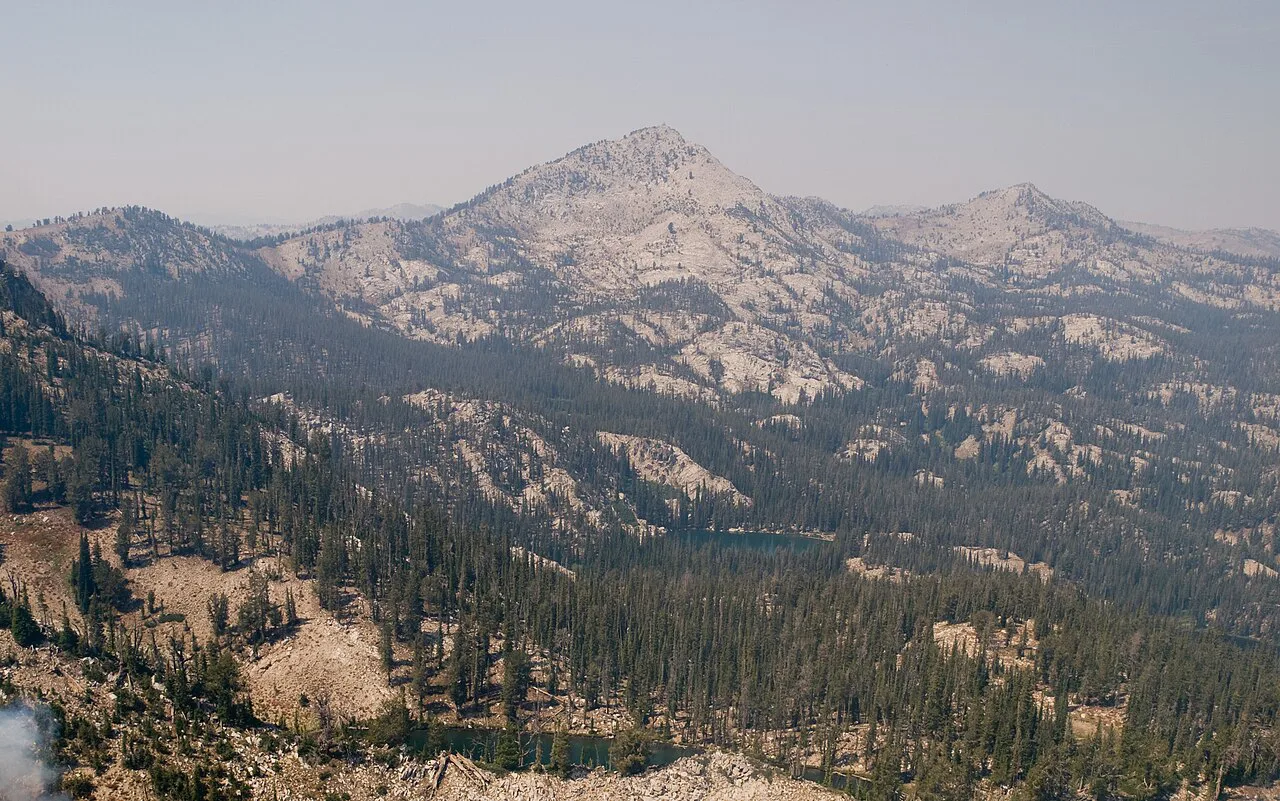
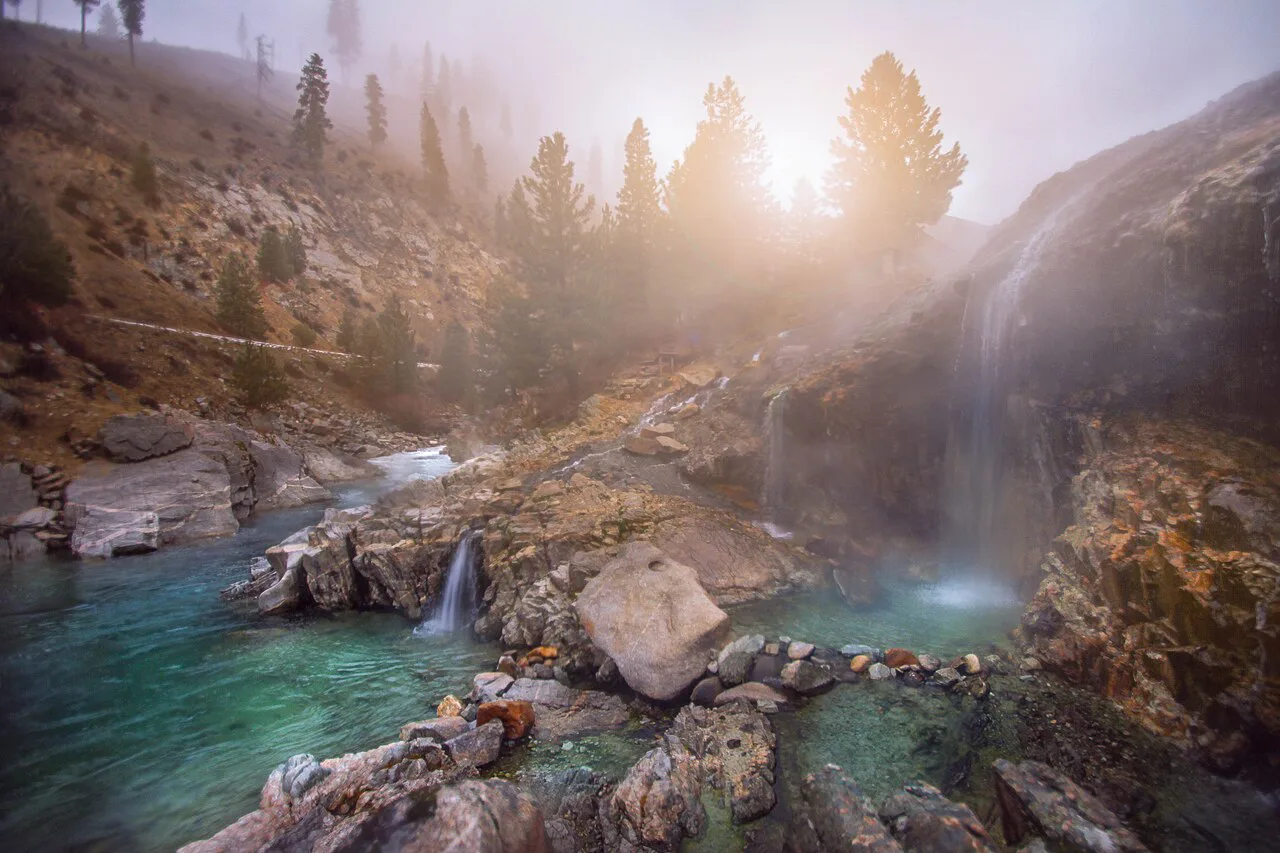
The soak is built from river rock, with small pools tucked against the bank where hot water seeps in and mixes with the cold current. Depth is shallow to knee-deep in most spots, so this is a sit-and-soak spring rather than a swimming hole.
In high water, pools can be submerged, cooled or scoured out, and the current is deceptively strong when the river runs high. Keep your head above water and test the temperature with a hand first.
River flow is the deciding factor. In high water, pools can be submerged, cooled, or scoured out; in late summer and fall, lower flow exposes more rock and leaves warmer, more defined basins. Time your visit for the low-water season if a reliable soak matters more than solitude.
Keep your head above water in untreated geothermal sources, and test temperature with a hand before committing. Rocks around the edges are slippery and the current is deceptively strong when the river runs high.
The Twin Springs Area
Just down the road, Twin Springs is a historic riverside property established in 1898 that operates cabins, private hot tubs fed by sulphur-free natural spring water, and a steam sauna. It makes a sensible base if you want a bed and a hot soak without committing to a night on the ground.
The resort describes itself as a short drive from Boise on the Middle Fork of the Boise River, with cabin, gatehouse, and rockhouse lodging and a range of outdoor recreation on site. Book directly with the property for availability and rates rather than assuming a walk-up room in summer.
Fees, Hours and Season
Idaho's hot springs range from developed pools with modern facilities to primitive soaks reached on mountain paths or beside rivers, and the Middle Fork stops fall on the rustic end of that spectrum. Plan on self-sufficiency: bring your own water, food, and layers, and do not count on services between the highway towns.
Fees, posted hours, and seasonal closures for individual Middle Fork soak sites vary by managing agency and property, so confirm the specifics with the Boise National Forest before you commit to a day. The resort publishes its own lodging and amenity details separately from the public river access.
Kirkham Hot Springs as a Developed Alternative
Kirkham Hot Springs in the Boise National Forest is the day-use counterpoint to a primitive river soak. The Forest Service lists it as day-use only, open from 7 a.m. to 9 p.m., with no overnight camping and a gate that closes daily at 9 p.m.
That gate matters for trip planning: if Kirkham is your evening stop, arrive with enough margin to soak and drive out before the gate is locked. For a full survey of what else the state offers, from roadside pools to resort tubs, the state tourism office's hot springs roundup is a useful starting point.
Combining Springs on One Loop
A Middle Fork Boise loop works best as a long day or an overnight: soak at Loftus, stop at Twin Springs for a cabin night or a steam, then run back through the Lowman stretch toward Kirkham and Sunbeam. The driving is the bulk of the day, so pick two soaks rather than four. If you enjoy stringing soaks together on a road trip, our Nevada hot springs guide shows how the same drive-and-soak plan works south of the state line.
If your trip heads west instead, Bear River Hot Springs, Idaho, in the Riverdale Valley gives you a developed soak on a different route, and it pairs naturally with a southern Idaho itinerary rather than a Middle Fork day.
Camping and Lodging
Riverside camping along the Middle Fork is largely dispersed, on national forest land with no amenities, which means packing in water and packing out everything. Established campgrounds along the corridor fill on summer weekends, so claim a site by early afternoon.
For a roof and a real bed, Twin Springs cabins put you minutes from the river with hot tubs and a steam house on the property. The trade-off is cost and a reservation requirement versus the freedom of a forest pullout.
Crowds and Timing
Weekday mornings give you the best odds of having the rock pools to yourself, and the light on the river is best before the canyon heats up. Summer weekends bring rafters, anglers, and campers to the same pullouts, so expect company and limited parking.
Late summer and early fall have low water, warm days and cool nights, which makes them the sweet spot for a soak and for camping.
Shoulder seasons bring thinner crowds and better road conditions than winter, though runoff can drown the pools well into spring. Late summer and early fall hit the sweet spot: low water, warm days, and cool nights for camping.
What to Bring
Pack water shoes for the slick rock, a towel, and quick-dry layers for the temperature swing between hot water and cold air. Bring drinking water and snacks, since the nearest grocery stop is a real drive away, and carry out all trash.
If you plan to add a developed stop such as Kirkham or a resort soak, carry cash and a card and confirm payment methods ahead of time. Cell service in the canyon is patchy, so download directions before you leave Boise.
Leave No Trace at a Primitive River Soak
At an undeveloped river soak, the etiquette is simple: pack out everything you bring in, including food scraps and broken gear, and leave the rock pools as you found them. Do not build rock dams or divert the river to enlarge a pool, and keep soap and shampoo out of the water entirely.
Plan Your Soak
Loftus Hot Springs rewards a flexible schedule and a vehicle that handles gravel, with a primitive river soak that changes character with the water level. Pair it with a Twin Springs cabin night or a Kirkham day-use stop and you get both ends of the Idaho hot springs spectrum in one loop.
Go midweek, go in low water, and go self-contained. Before you drive the Middle Fork road, confirm road and site conditions with the Boise National Forest. For every soak in the state, start with our guide to Idaho hot springs.
Frequently Asked Questions
Where is Loftus Hot Springs in Idaho?
It sits on the Middle Fork Boise River in central Idaho, in national forest country upstream of the Twin Springs area along the Middle Fork Boise River road. Boise is the nearest city and the practical starting point for the drive.
How do you get to Loftus Hot Springs?
Follow the Middle Fork Boise River road northeast from Boise, which mixes pavement with long gravel stretches. You park in an informal pullout along the river and walk a short, rocky distance to the pools, so wear shoes with grip and carry a spare tire.
Is Loftus Hot Springs clothing optional?
Nothing published by the Boise National Forest or the nearby operators describes the pools as clothing optional, so plan on standard swimwear for a national forest soak.
Can you camp near Loftus Hot Springs?
Riverside camping along the Middle Fork is mostly dispersed national forest land with no amenities, so bring your own water and pack everything out. Twin Springs offers cabins nearby if you would rather have a bed and a hot soak.
Is Loftus Hot Springs near Kirkham Hot Springs?
Both sit in the Boise National Forest country northeast of Boise and can be linked on a long loop day, but the driving between them is the bulk of the trip. Kirkham is day-use only, open 7 a.m. to 9 p.m., with a gate that closes nightly.
Sources
Hot springs notes for your next road trip
Optional updates when we add or revise hot springs guides.
You might also like
Continue reading
More guides you'll find useful


.jpg)