Murphy Hot Springs, Idaho: Which Remote Soak to Plan
Murphy Hot Springs sits in Idaho's remote Jarbidge country along Three Creek Road. Plan the drive, the soaking layout, camping, and nearby springs to combine.
On this page
Murphy Hot Springs rewards the kind of soaker who treats the drive as part of the trip. The springs sit in the Jarbidge country of south-central Idaho, where the East Fork Jarbidge River runs through a canyon off Three Creek Road and hot water spills into pools on both banks. It suits travelers with a high-clearance vehicle, a flexible day, and patience for gravel.
The appeal is the setting as much as the water: a remote river corridor, pooled water that clears itself as it flows, and a soak that most casual travelers never reach. This guide covers the drive from Boise and Twin Falls, the road and river-crossing decisions that shape the approach, camping and supplies, and how to fold Murphy into a wider Idaho road trip.
What Murphy Hot Springs Is and Who It Suits
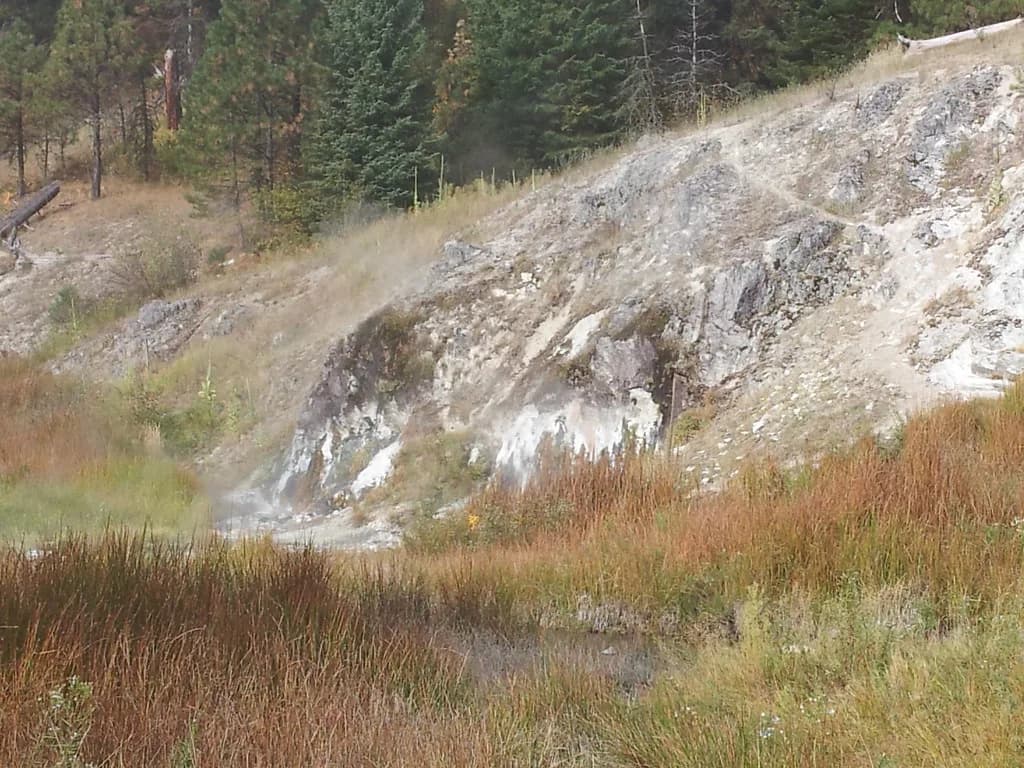
Murphy Hot Springs is a backcountry soak on the East Fork Jarbidge River in Idaho, reached by way of Three Creek Road. Hot water emerges along the river and collects in pools, with soaking spots on both sides of the stream. Water in the pools has been described at around 99 degrees, warm enough for a long soak rather than a quick dip.
Because the water is self-scouring, the pools stay cleaner than many roadside soaks where still water sits for weeks. Plan on natural rock basins rather than concrete tubs, and plan on temperatures that vary from pool to pool as hot water mixes with the river. This is a trip for confident, self-sufficient travelers, not a developed resort stop.
Where It Sits: Three Creek Road and the East Fork Jarbidge
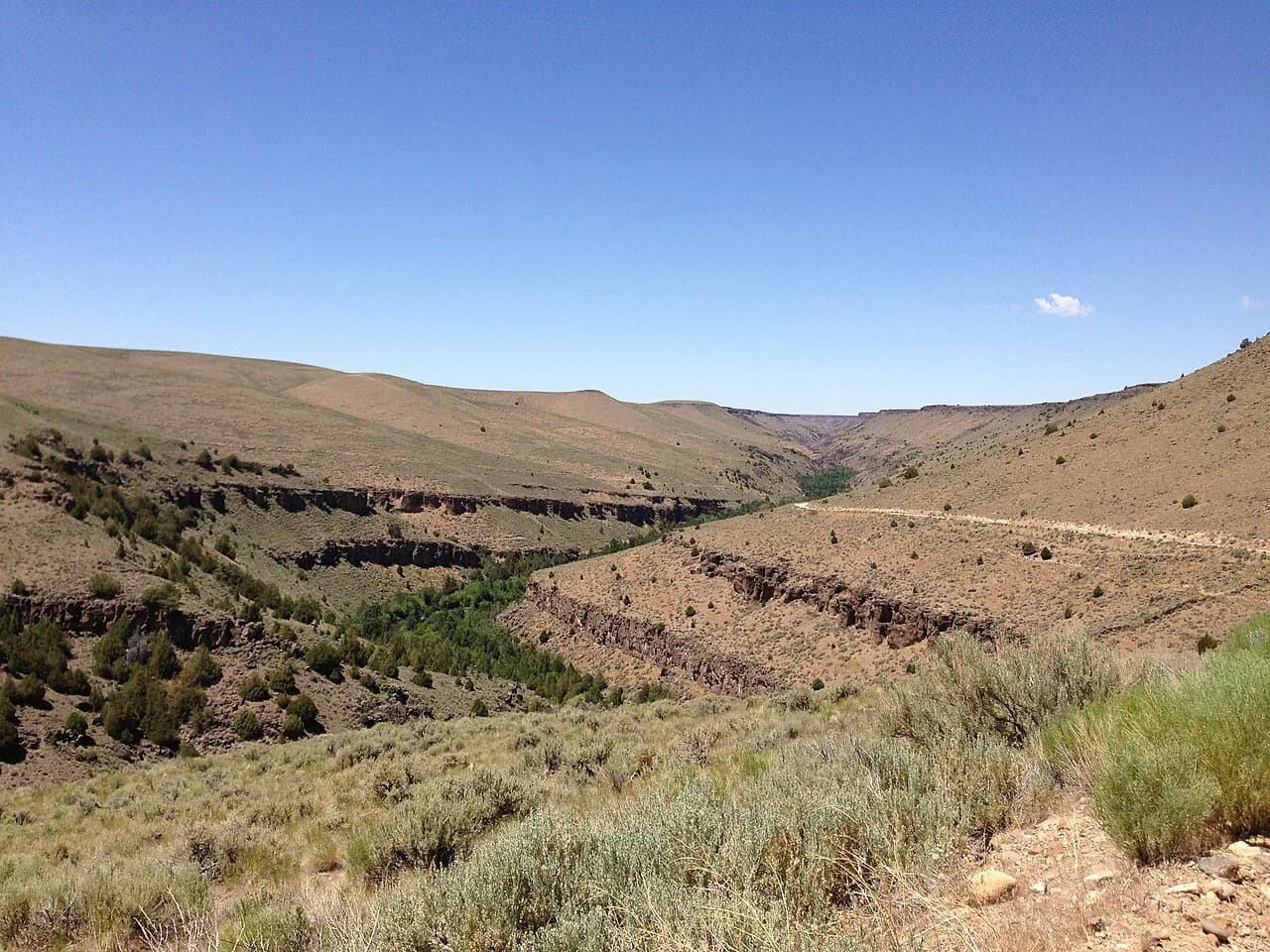
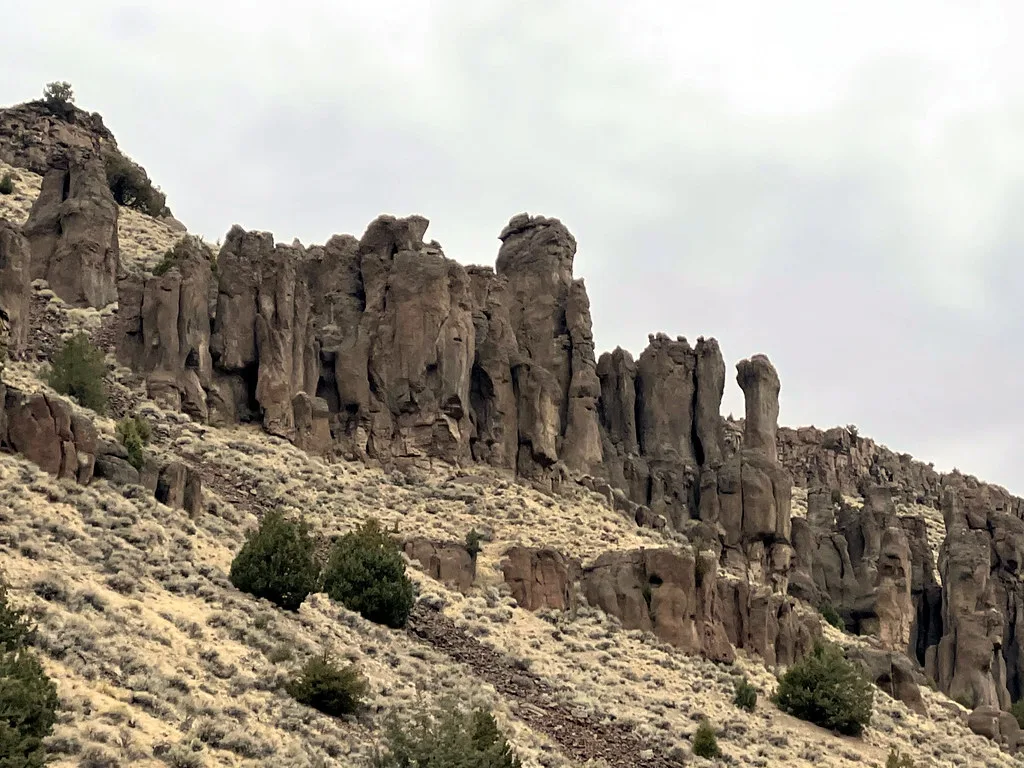
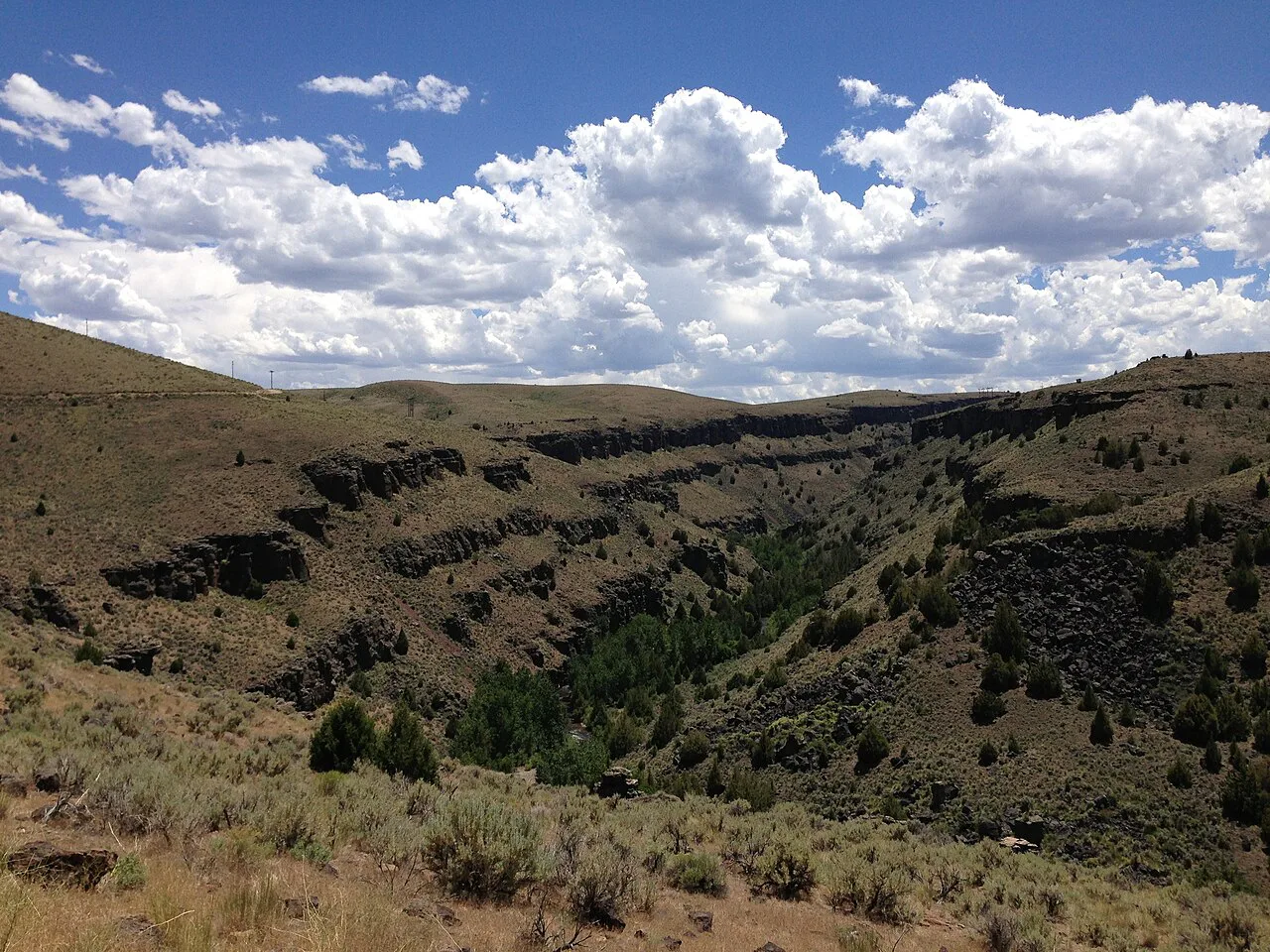
The springs lie along the East Fork Jarbidge River, accessed from Three Creek Road in Idaho's south-central border country. The corridor runs through open high desert that gives way to a canyon as the road follows the river upstream. Jarbidge, Nevada, sits at the far end of the same drainage, which makes the area a natural cross-border road trip, and you can plan the other side of that border with a guide to the hot springs in Nevada.
Treat the canyon itself as the destination rather than a pass-through. The river corridor is the reason to come, and the springs are one stop within it. If you are building a broader route through the state, the wider collection of hot springs in Idaho gives you options to string together before or after this soak.
Getting There from Boise and Twin Falls
Both Boise and Twin Falls work as starting points, but neither puts you at the springs quickly. From Boise you head south and east across the high desert toward the Three Creek corridor; from Twin Falls the approach runs south through ranch country. Either way, plan a long day with fuel and supplies handled before the pavement ends.
Distances and drive times depend on which route and road conditions you meet, so build slack into the plan rather than scheduling a tight arrival. Bring a paper map or downloaded offline maps, since cell coverage thins as you leave the highway. A full tank, a spare tire, and water for the vehicle belong on the list before you turn onto Three Creek Road.
Road Conditions, High-Clearance Needs, and the Impassable Canyon Section
The road into the canyon is the central planning decision at Murphy Hot Springs. Drivers with a 4x4 can park just across the river in dry weather, but the crossing itself is not a driving route and carries a heavy fine for anyone who tries it. From that parking area, you either wade across when the water is low or soak in the springs on your side of the river.
Driving across the river is not a driving route and carries a heavy fine. From the parking area you either wade across when the water is low or soak on your own bank.
Beyond that point the canyon becomes a hike, and it is the part most soakers skip. The walk up the river corridor is what opens the rest of the springs, so decide in advance whether you are doing the short approach or the longer canyon route. Wet weather changes the equation on the road in and on the river level, so keep your plans flexible.
The Pools: Temperatures, Layout, and Soaking on Both Sides
The springs emerge on both sides of the East Fork Jarbidge River, giving you multiple soaking options. Look for a pool set on top of a waterfall and a smaller hidden pocket behind a second waterfall. Water has been reported around 99 degrees, and the flow keeps the basins scoured and remarkably clean.
Source water at any geothermal site can be far hotter than the mixed pools, so test with a hand or foot before committing and keep your head above water in untreated geothermal springs. Rocks around the falls run slick, and the river rises and falls with snowmelt and storms. Choose your pool for the temperature you actually find, not the one you expect.
Parking and River Crossings
Parking is limited to the spots you find along the road, with the closest option just across the river for dry-weather 4x4 drivers. From there, the crossing is on foot: run across if the water is not too high, or stay on your own bank and soak there. If the river is running high or fast, the springs on your side are the sensible choice.
Wading a cold, fast river is the main hazard of the short approach, so wear footwear you can get wet and keep a dry layer waiting at the vehicle. The longer canyon walk avoids the crossing decision entirely and delivers the scenery most day-trippers miss. Weigh the two honestly against your vehicle, your group, and the day's water level.
Camping Near the Springs
Camping in the Jarbidge country is a self-supported affair, so arrive with everything you need, including water and a way to pack out trash. Established sites along the corridor are limited, and ground near the springs sees concentrated use. If you camp, choose a durable, already-used spot well away from the river and the pools.
The nearest services are in the small towns at either end of the drainage, so plan to resupply before you head in. A night near the springs buys you an early start and quieter soaking hours. Check with the managing land manager if you need current conditions or fire restrictions before you go.
Lodging and Supplies in the Nearest Towns
Lodging options are small-town and finite, so book ahead if you plan to stay overnight rather than camp. Fuel, ice, and groceries should be handled in the last sizable town on your route before the gravel begins. Carry more water than you think you need, because the canyon is dry country even with a river running through it.
If you want a developed base camp with a pool and a room, look toward the larger towns on the highway rather than the canyon itself. For a different Idaho soak on the drive home, Bear River Hot Springs sits in the Riverdale Valley and makes an easy contrast stop.
Crowds, Best Season, and Shoulder-Season Trade-offs
Summer and early fall give you the most reliable dry-weather road access and the easiest river crossings. Late spring means higher water from snowmelt, which makes the ford more serious and pushes soakers to their own bank. Winter narrows the window considerably and puts snow on the road corridor.
Weekday visits and early mornings give you the best shot at having a pool to yourself.
The site's popularity with backcountry travelers means weekends and holidays draw the most traffic to a small handful of pools. Weekday visits and early mornings give you the best shot at having a pool to yourself. Shoulder-season trips trade warmth for quiet, so pack layers and expect colder mornings and evenings.
What to Bring for a Remote Soak
Pack for self-sufficiency: plenty of drinking water, food, a first-aid kit, a repair kit, and a communication plan that does not rely on cell signal. Bring water shoes for the river crossing and slick rock, plus a towel and dry clothes kept in the vehicle. A trowel and bags let you handle waste properly and pack everything out.
Leave glass at home. Broken glass in a natural pool is dangerous to everyone who follows and is nearly impossible to clean out of a rock basin. Cans and soft containers are the sensible choice, and whatever you carry in should come back out with you.
Combining Murphy Hot Springs with Other Idaho Hot Springs
Murphy works well as one leg of a southern Idaho loop rather than a single destination. Plan the drive so the soak falls mid-trip and you are not pushing gravel roads after dark. The state's broader hot springs map gives you a range of developed and primitive options to pair with the Jarbidge country.
If your route swings through the mountains to the north, Burgdorf Hot Springs offers a developed, historic contrast in the Payette National Forest. Further west, Frenchman's Bend Hot Springs and Rocky Canyon Hot Springs sit along the Middle Fork Payette River corridor and make a natural second soak.
Leave No Trace for This Backcountry Site
This is a backcountry soak, so pack out everything you bring in, including food scraps and trash. Stay on durable rock and existing paths around the pools, and keep soap and sunscreen out of the water. If you camp, use a previously disturbed site away from the river, and bury human waste in a shallow hole well away from water.
Plan Your Visit
Murphy Hot Springs is a trip you build around the drive, not a quick roadside stop. Decide between the short river crossing and the longer canyon walk, match your vehicle and footwear to that choice, and carry everything you need for a remote day. The reward is a self-scouring soak in one of Idaho's quieter corners.
Build in slack for gravel roads and river levels, and bring a plan B if the crossing looks too high. For the rest of your itinerary, the state's hot springs in Idaho give you plenty of ways to turn one soak into a full road trip.
Frequently Asked Questions
Where is Murphy Hot Springs in Idaho?
Murphy Hot Springs sits on the East Fork Jarbidge River in south-central Idaho, reached from Three Creek Road. Jarbidge, Nevada, lies at the far end of the same drainage, so the area works as a cross-border road trip.
How do you get to Murphy Hot Springs from Boise?
Drive south and east from Boise across the high desert toward the Three Creek corridor. Fuel up and buy supplies before the pavement ends, carry offline maps, and leave slack in your schedule because the gravel section sets the pace.
How hot is the water at Murphy Hot Springs?
Pools have been reported at around 99 degrees, with temperatures varying from basin to basin as hot water mixes with the river. Source water can run hotter than the pools, so test before you settle in and keep your head above water.
Can you drive right up to the springs?
In dry weather, a 4x4 can park just across the river, but driving across the river itself is not allowed and carries a heavy fine. Beyond that point the canyon becomes a hike, and the longer walk opens up the rest of the springs.
Is there camping at Murphy Hot Springs?
Camping is a self-supported proposition in the Jarbidge country, with limited established sites and no services nearby. Bring your own water and pack out all trash, and contact the managing land manager for current conditions and fire restrictions.
What is the best time of year to soak at Murphy Hot Springs?
Summer and early fall bring the most reliable dry-weather road access and easier river crossings. Late spring means higher snowmelt water, and winter narrows the window with snow on the corridor; weekdays and early mornings are the quietest.
Are there other hot springs near Murphy Hot Springs?
You can string Murphy into a southern Idaho loop, and northern mountain soaks like Burgdorf Hot Springs offer a developed contrast. West of the mountains, Frenchman's Bend Hot Springs and Rocky Canyon Hot Springs sit along the Middle Fork Payette River.
Sources
Hot springs notes for your next road trip
Optional updates when we add or revise hot springs guides.
You might also like
Continue reading
More guides you'll find useful