Pah Tempe Hot Springs, Utah: Status and Where to Soak Now
Pah Tempe Hot Springs is closed to soaking and human use, and the springs at La Verkin are controlled by the Washington County Water Conservancy District.
On this page
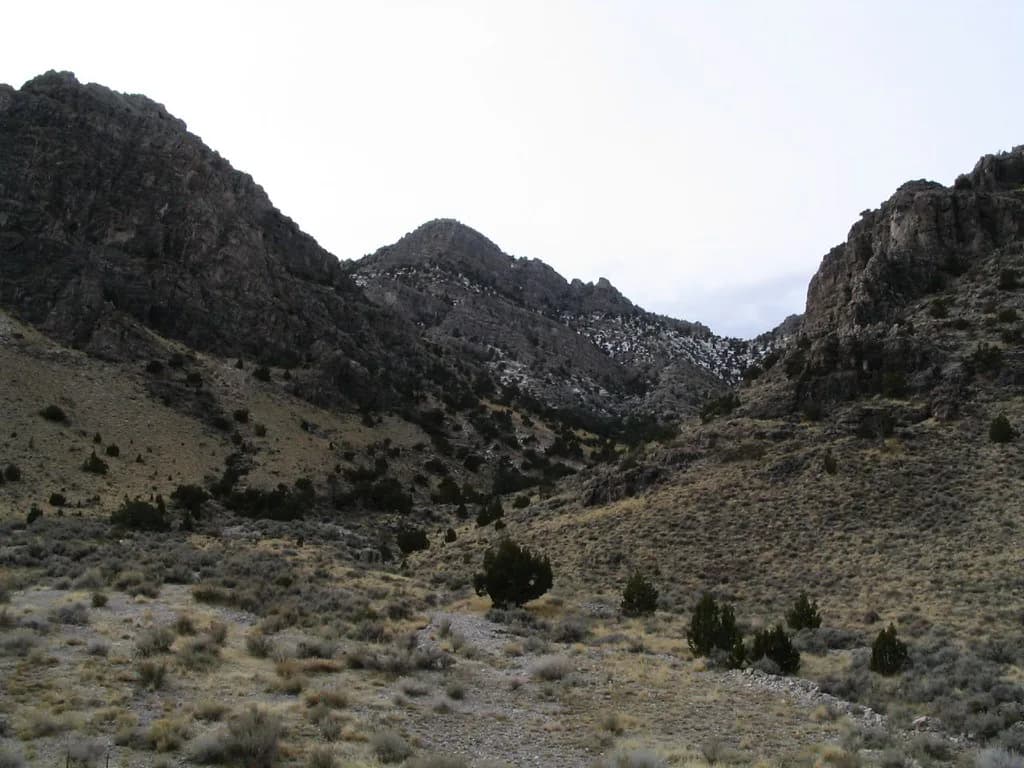
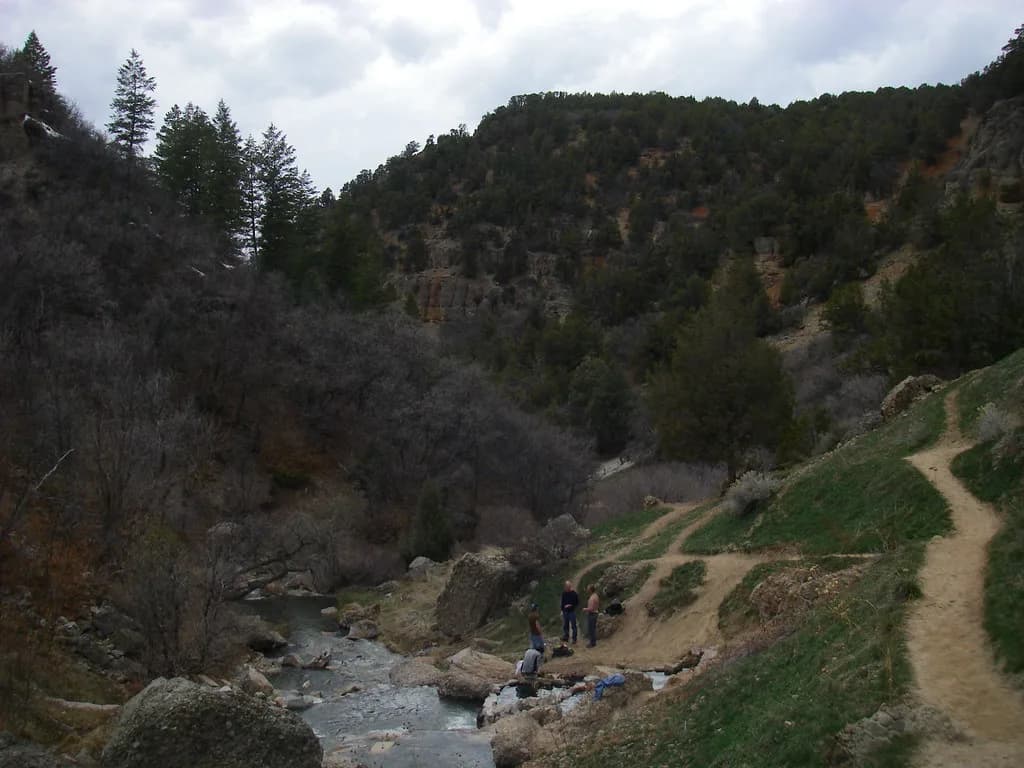
Pah Tempe Hot Springs is one of the most talked-about geothermal sites in southwestern Utah, a cluster of mineral springs that rise along the Hurricane Fault at the mouth of Timpoweap Canyon between La Verkin and Hurricane. It draws attention for its geology and its long cultural history with the Paiute Indian Tribe of Utah, not for a soak you can plan around today. That distinction matters before you point the car toward the Virgin River gorge.
This guide is for travelers who have already heard about Pah Tempe and want the real status, the landscape that produced it, and a workable soaking plan within a short drive of Zion National Park. If you simply want hot water and a place to sit, the developed property in La Verkin fed by the same river-edge springs is the practical choice.
Where Pah Tempe sits
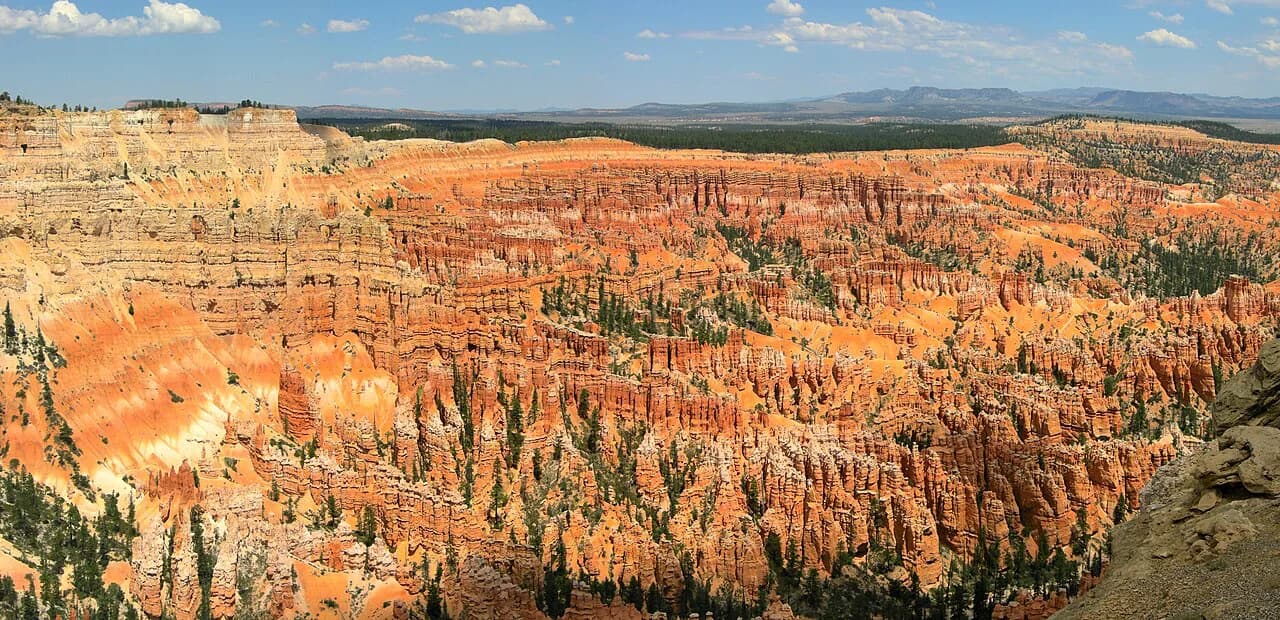
Pah Tempe occupies the mouth of Timpoweap Canyon near La Verkin and Hurricane, on the edge of the Virgin River just downstream of the towns. It is a short drive off Utah State Route 9, the highway that runs through Hurricane, La Verkin and on toward Zion National Park. The surrounding land is a mix of private holdings, town boundaries and river corridor, so be careful where you park.
The springs emerge along the Hurricane Fault, the geologic boundary that separates the Great Basin from the Colorado Plateau. On the east side of the fault, the Navajo Sandstone that forms Zion's cliffs sits at the surface; on the west side, beneath Pah Tempe, that same sandstone lies deep underground.
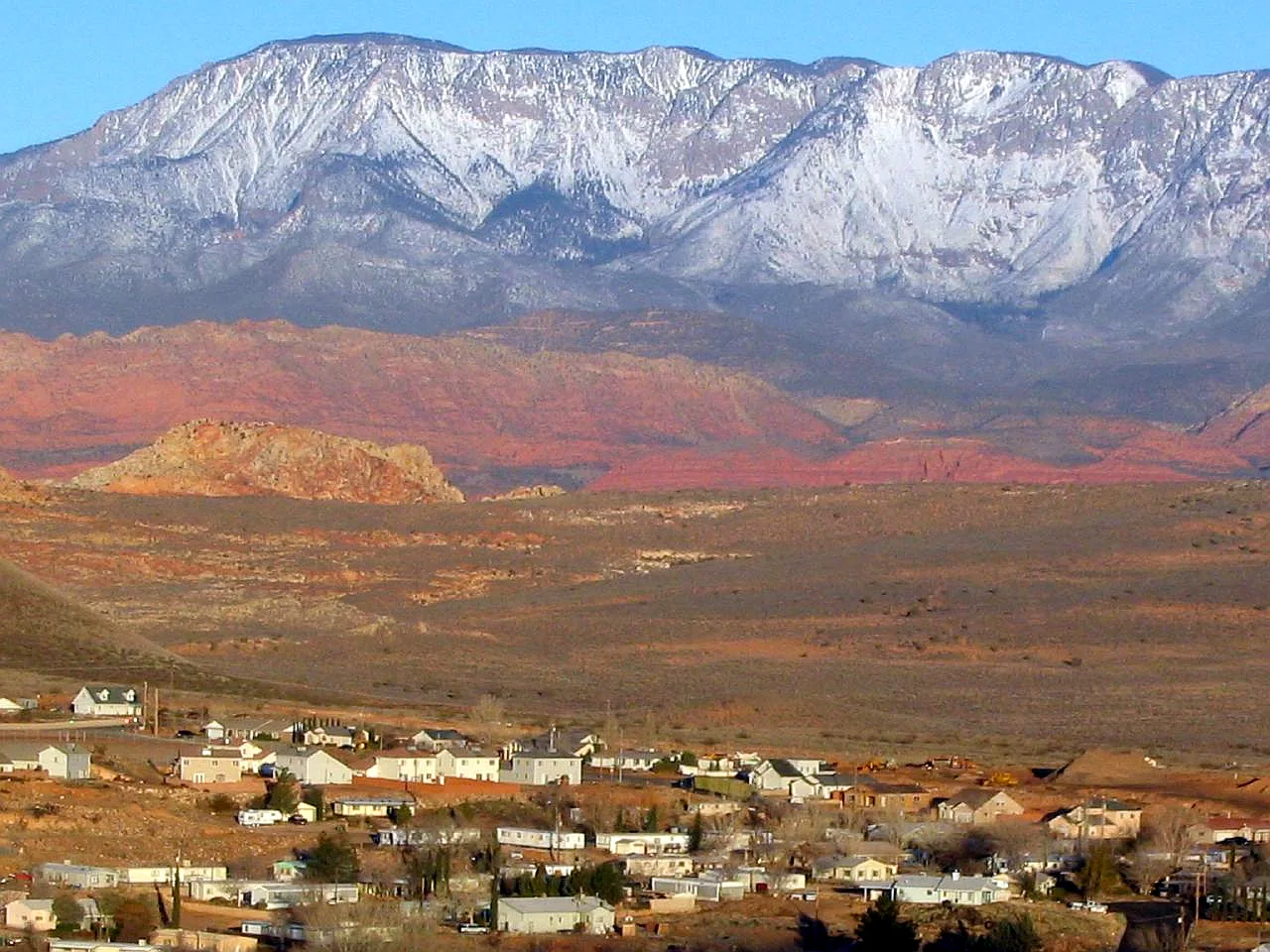
Pah Tempe's status: closed to soaking
Pah Tempe is closed to soaking and human use of any kind, and the site is now controlled by the Washington County Water Conservancy District. Plan to view the canyon from public roads and trails rather than to enter the springs or step into the water channels.
Pah Tempe is closed to soaking and human use of any kind. For hot water, use the developed property in La Verkin instead.
Visitors describe all access at the site as gated and posted. Treat fences, gates and signage as the boundary of the closed area and stay on the public side rather than looking for a gap in the perimeter.
The practical consequence is simple: Pah Tempe does not belong on a soaking itinerary. It belongs on a scenery or geology stop, one you pair with a developed pool in La Verkin if you want hot water on the same day.
La Verkin and Hurricane make the most sensible bases for this part of the Zion corridor, with the towns' services a few minutes from the canyon mouth. Sleeping in either town keeps the closed site a viewpoint rather than a destination in itself.
Why the site is geologically unusual
The heat at Pah Tempe comes from tectonic forces that shaped the Great Basin and drove volcanism across southwestern Utah. Nearby basalt lava flows and cinder cones are estimated at only 200,000 to 300,000 years old, a young volcanic record that points to the same underground heat source still warming groundwater as it rises.
Because the Hurricane Fault, young volcanism and exposed Navajo Sandstone all converge here, Pah Tempe is a rare place to read a landscape rather than soak in one. That makes it worth a look through binoculars from public ground even when the water itself is off-limits.
Where the water goes
The springs at the Virgin River on the Hurricane and La Verkin boundary, also known as Sulphur Springs or Dixie Hot Springs, produce roughly seven million gallons of water a day. Those waters are heavily salinated and mineral-dense, reaching up to about 107°F at the source.
That water now feeds a developed soaking property rather than free public pools. Zion Canyon Hot Springs pumps it from the river-edge springs into its own pools, where the water is refreshed and treated before use.
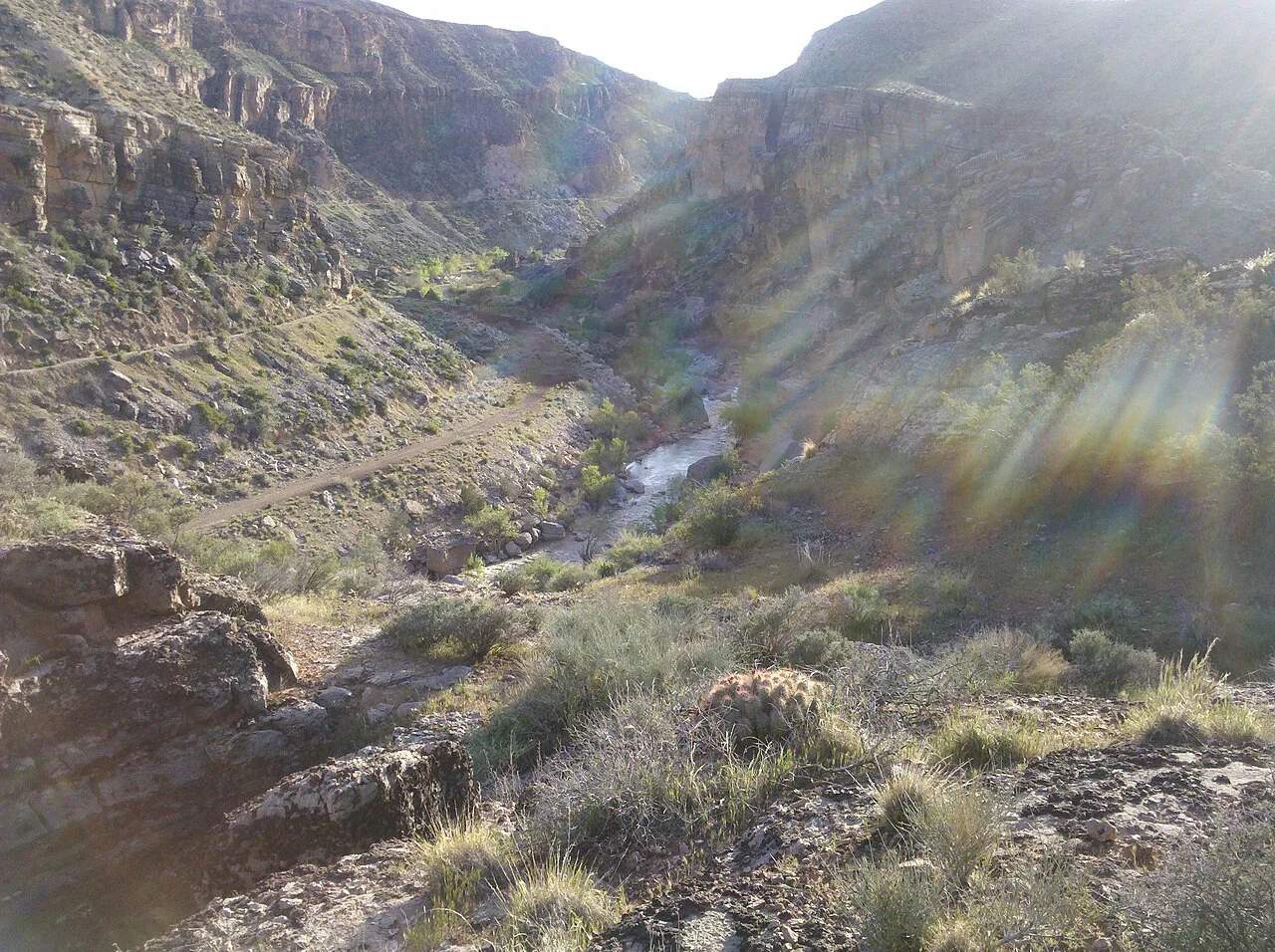
The nearby soak: mineral pools and freshwater pools
Zion Canyon Hot Springs in La Verkin is the developed property that draws on the river-edge springs, and it is the closest thing to a Pah Tempe soak you can book. The property lists 32 pools, split between mineral pools, globally inspired soaking pools and freshwater pools, plus barrel saunas and poolside food and drinks.
The property lists 14 mineral pools in a family-friendly area and 18 pools in a 21+ area, alongside 16 WorldSprings inspired pools and freshwater pools, up to 32 pools across the whole site. Freshwater additions include a large family pool and cold plunge pools that give you a cool contrast between soaks.
Expect visible white mineral flecks in some of the mineral pools. They are undissolved calcium and sodium from the spring water, not debris, and Zion Canyon Hot Springs says the pools are maintained and monitored to meet health and safety standards.
Temperatures you can expect
The mineral pools at the La Verkin property run from about 88°F to 104°F, so you can step from a mild soak into a genuinely hot one without leaving the grounds. The large freshwater family pool is held around 90°F to 92°F, a comfortable middle ground for kids and adults who want to swim rather than sit still.
Keep your head above water in any geothermal pool and move slowly on wet pool decks and steps.
Source water at the river springs reaches up to about 107°F before it is pumped up to the pools. Keep your head above water in any geothermal pool and move slowly on wet pool decks and steps.
Fees, booking and ID
The property is a booked, ticketed operation rather than a roadside freebie, so reserve before you drive out on a weekend or holiday. Rates and time slots are handled through Zion Canyon Hot Springs.
Bring a valid government ID if you plan to use the WorldSprings inspired-water side of the property, which Zion Canyon Hot Springs requires for entry to that area.
Families with children should book the family-friendly mineral area; adults looking for a quieter soak should choose the 21+ area. Splitting the booking this way avoids arriving with the wrong wristband and having to move.
Who each option suits
Pah Tempe suits travelers who want to see a fault-line hot spring and understand the landscape, and who are content with a view from outside the gates. The developed La Verkin property suits anyone who actually wants to get in the water, especially families and couples who value facilities, saunas and food over solitude.
If your priority is a remote, primitive soak, neither option delivers it. Look to other hot springs in utah on a separate leg of the trip rather than trying to convert Pah Tempe into one, and if your route runs beyond the state line, the Wyoming guide covers where to soak in Thermopolis.
Respecting the closure
Stay on public roads and public ground around the canyon mouth, and treat gates and posted signs as the edge of the closed area. The site's water is not available for soaking or any other human use, so there is no soak to reach even if a route seems open.
Photograph from the road or a public pullout, keep dogs leashed where rules require it, and pack out everything you carry in. That keeps the pressure off a river corridor that is already closed to entry.
Where to stay
La Verkin and Hurricane are the practical bases for this stretch of the Zion corridor, with motels, vacation rentals and RV parks a short drive from both the closed site and the developed pools. Staying in town also keeps you close to State Route 9 for the run into Zion National Park.
Book lodging early for spring and fall weekends, when the Zion corridor fills up. A room in Hurricane puts you slightly farther from the park entrance but closer to the highway junctions for day trips in every direction.
Combining soaks on a road trip
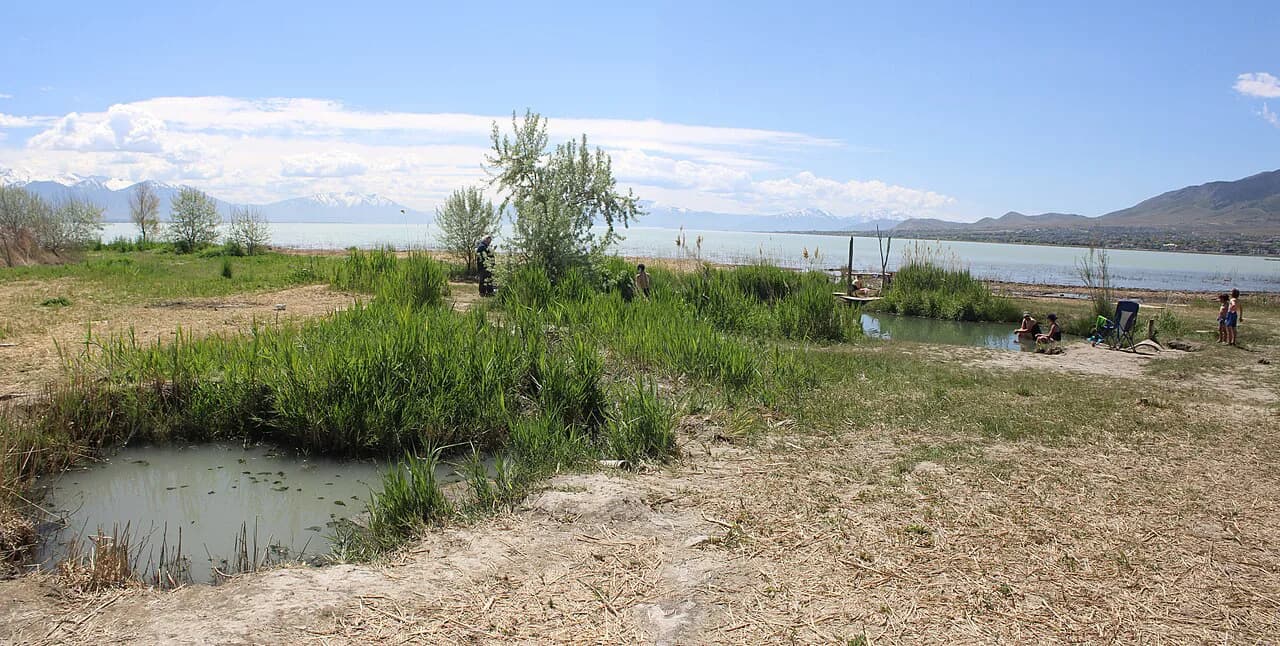
The developed pools make an easy first or last stop on a southern Utah loop, with Zion Canyon and the Virgin River gorge close at hand. From there, point north toward the Wasatch Front for a very different kind of soak at inlet park hot springs near Saratoga Springs, where a developed roadside pool sits beside Utah Lake.
Farther north, crystal hot springs near Honeyville in Box Elder County offers a large developed pool complex of its own. Build the drive between the Zion corridor and the northern springs as a full day, and book lodging at each end rather than trying to do both in one push.
Rules and etiquette
At developed pools, follow the posted rules on food, glass, alcohol and children's supervision, and shower before you get in. At any primitive soak you add to the trip, pack out everything, keep soap and sunscreen out of the water, and leave the site as you found it.
Plan Your Soak
Pah Tempe is a closed site with a remarkable geologic story, worth a look from public ground and nothing more. Put your soaking hours into the developed property in La Verkin, where the same river-edge water is pumped into pools you can actually use.
Reserve a time slot, bring a government ID for the WorldSprings area, and choose the family or 21+ side based on who is traveling with you. Check current hours with Zion Canyon Hot Springs before you drive out, especially around holidays.
Frequently Asked Questions
Can you soak at Pah Tempe Hot Springs?
No. Pah Tempe is closed to soaking and human use, and the site is controlled by the Washington County Water Conservancy District. Visitors report gated, posted access, so plan to view the canyon from public ground rather than to enter the springs.
Where is Pah Tempe Hot Springs in Utah?
The springs sit at the mouth of Timpoweap Canyon on the edge of the Virgin River, between La Verkin and Hurricane in southwestern Utah. The nearest highway is Utah State Route 9, the road that runs through both towns toward Zion National Park.
What is the water temperature at Pah Tempe?
The river-edge springs behind Pah Tempe reach up to about 107°F at the source. Water is pumped from those springs into pools at the developed La Verkin property, where mineral pools run about 88°F to 104°F.
Are there hot springs near Hurricane, Utah where you can soak?
Yes. Zion Canyon Hot Springs in La Verkin uses water from the same river-edge springs and offers 32 pools, split between a family-friendly mineral area and a 21+ area, plus freshwater pools, cold plunges and barrel saunas.
Sources
Hot springs notes for your next road trip
Optional updates when we add or revise hot springs guides.
You might also like
Continue reading
More guides you'll find useful