Twin Springs Hot Springs, Idaho: Cabin or Day Soak?
Twin Springs hot springs in Idaho is an overnight-only resort with private spring-fed hot tubs, a rock steam room and cabins along the Middle Fork Boise River.
On this page
Twin Springs Resort suits travelers who want their hot water behind a cabin door rather than beside a highway pullout. It is a rustic 1898 property on the Middle Fork Boise River with sulfur-free spring water feeding private hot tubs, plus a steam sauna, and the whole appeal is settling in for a night rather than pulling over for an hour.
The trade-off is commitment. You drive roughly 45 miles from Boise on a route that takes about two hours, and you stay overnight to use the water. If you pictured a quick roadside dip on the way to the mountains, this is a different kind of outing.
What Twin Springs is
Twin Springs has operated on the Middle Fork of the Boise River since 1898, and the resort leans into that history rather than polishing it away. Cabins, a gatehouse and a rockhouse make up the lodging, and the water comes from natural springs the resort describes as sulfur-free.
Soaking happens in private hot tubs attached to the cabins, which puts the spring water in your own space instead of a shared pool. A steam sauna rounds out the bathing, and the surrounding national forest supplies the recreation: wildlife, river access and quiet.
The setting on the Middle Fork Boise River
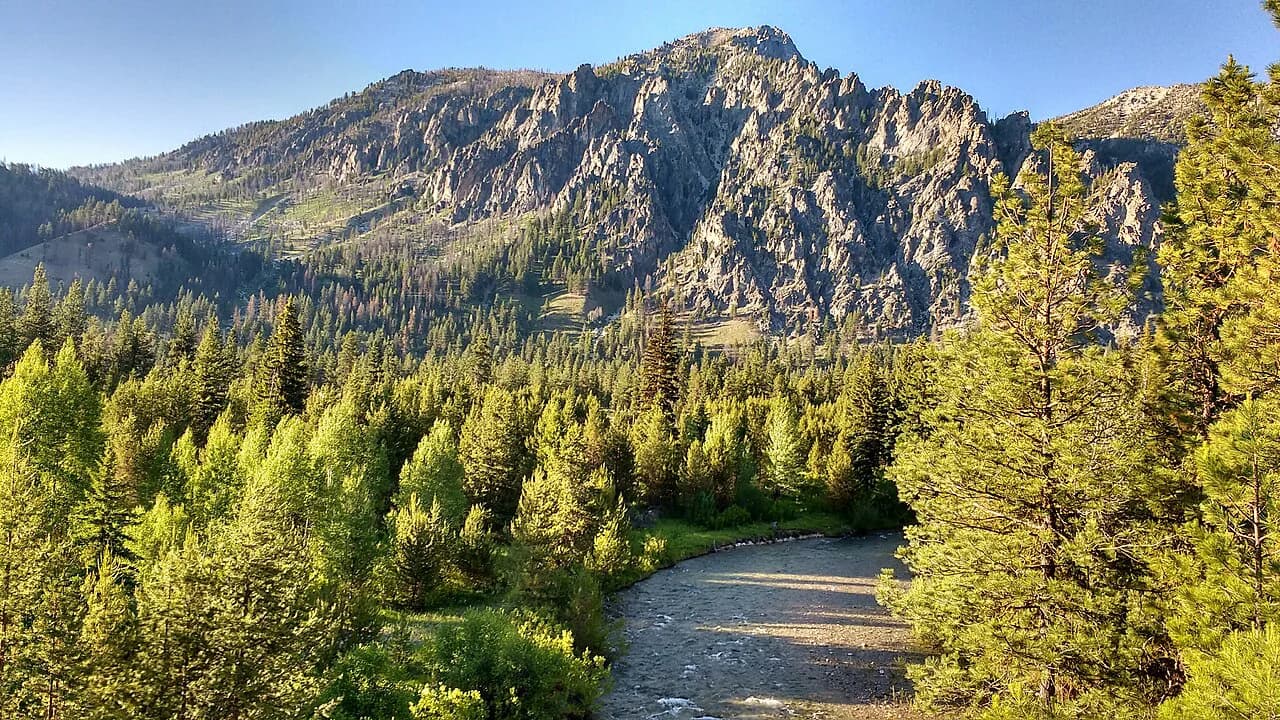
The address is 2538 Middle Fork Road, outside Boise in Boise County, and the property sits right on the river. Riverside cabins put the water at your doorstep, which is the main reason to choose this over a motel with a hot tub in town.
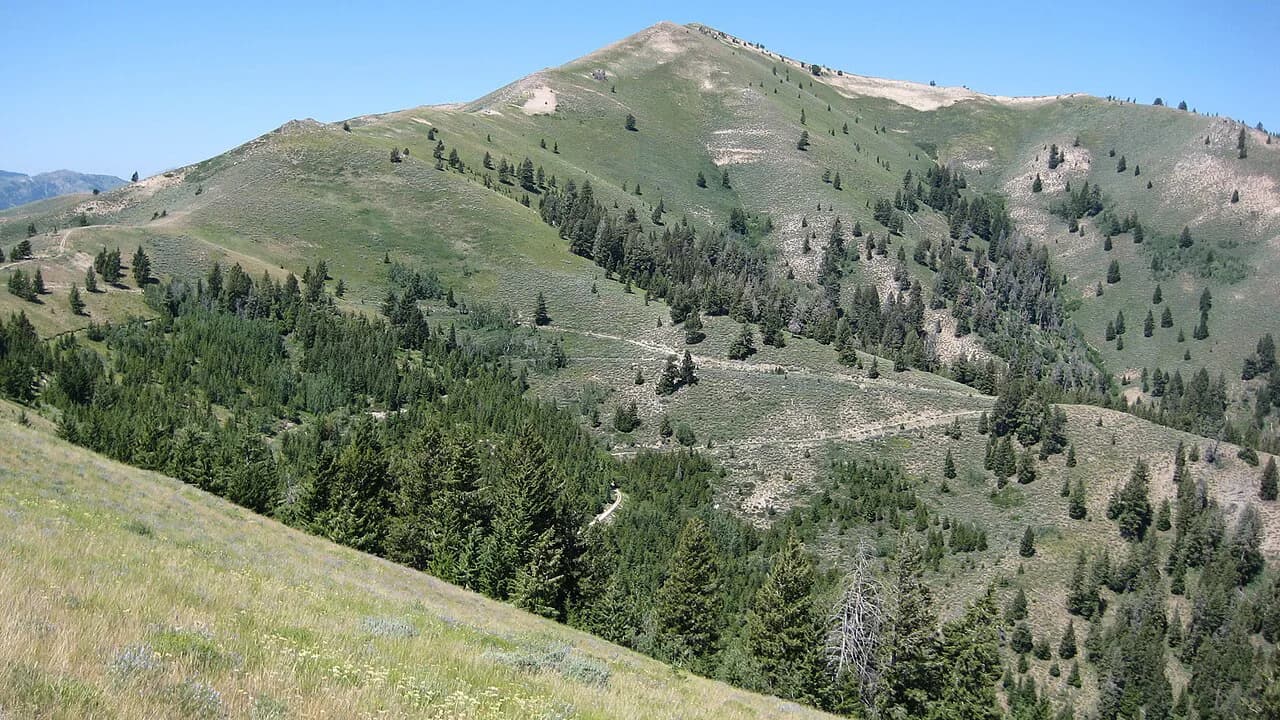
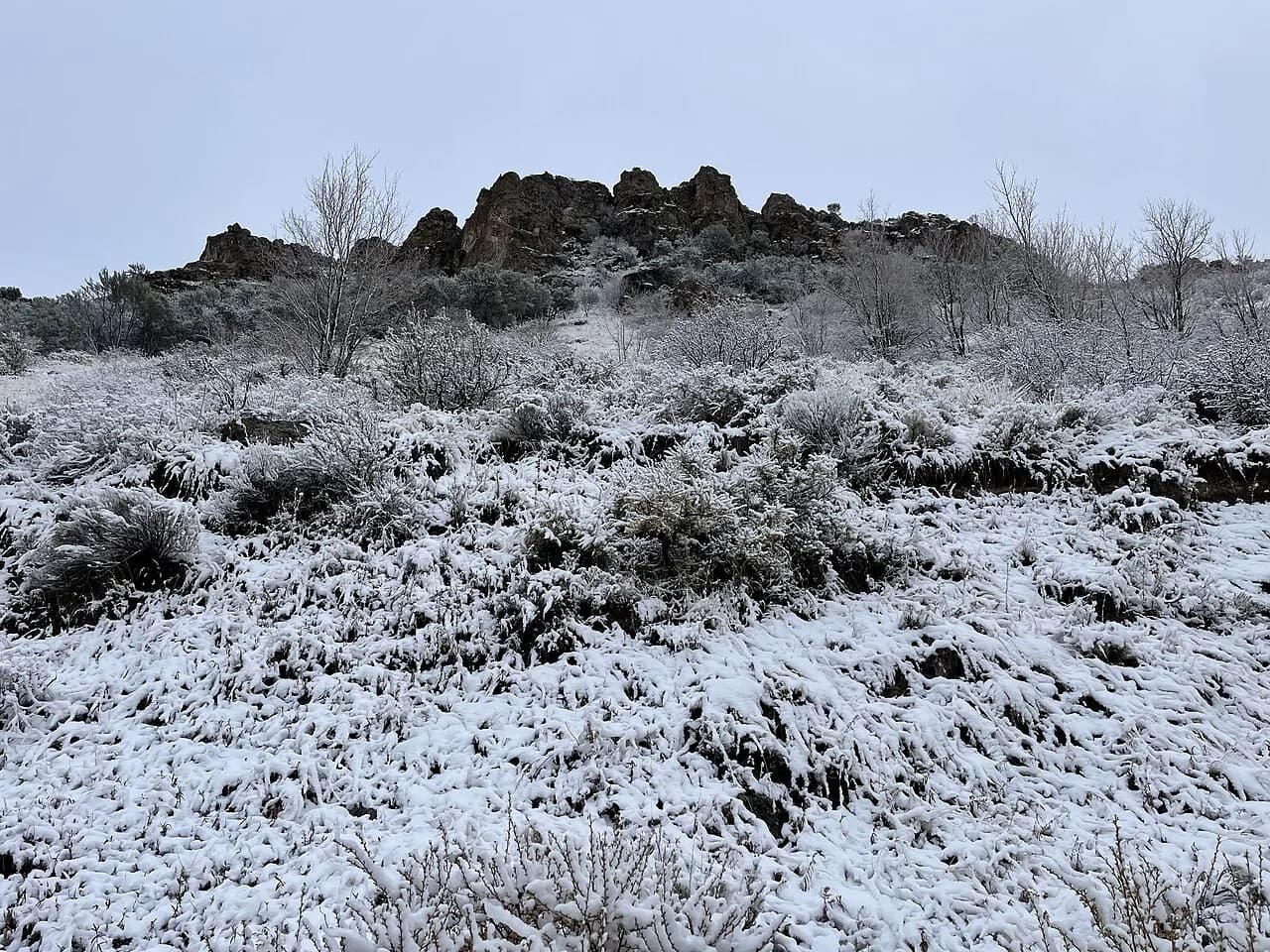
This is mountain river country, not a resort strip. Expect a rustic, comfortable stay in a riverside cabin, gatehouse or rockhouse rather than polished hotel finishes, and plan your day around the river and the surrounding forest.
Getting there from Boise
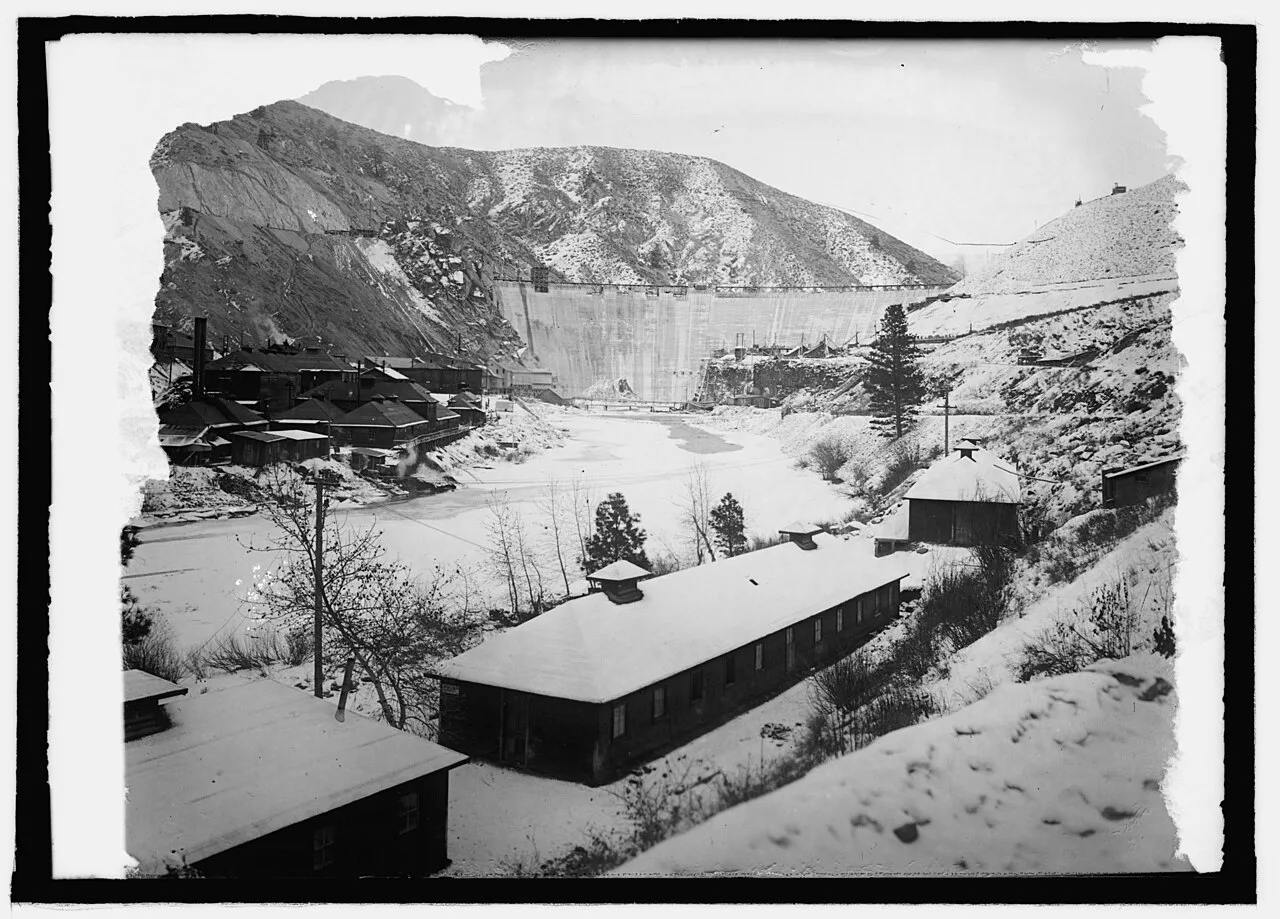
From Boise, take ID-21 north toward Spring Shores Road, then follow North Fork Boise River Road into Boise County to the property. The route covers about 45 miles and takes roughly two hours because the last stretch is slow mountain road, so leave with a full tank and daylight to spare.
Leave with a full tank and daylight to spare, because the last stretch is slow mountain road.
You drive right up to the property and walk only a short, easy distance to the buildings and tubs. The site is not set up for wheelchair access, so travelers with mobility limitations should plan around uneven ground and rustic thresholds.
The pools and steam house
Each cabin comes with its own hot tub, filled with untreated natural spring water rather than a chlorinated mix. Because the tub is private, clothing is your own call inside your cabin's soaking space.
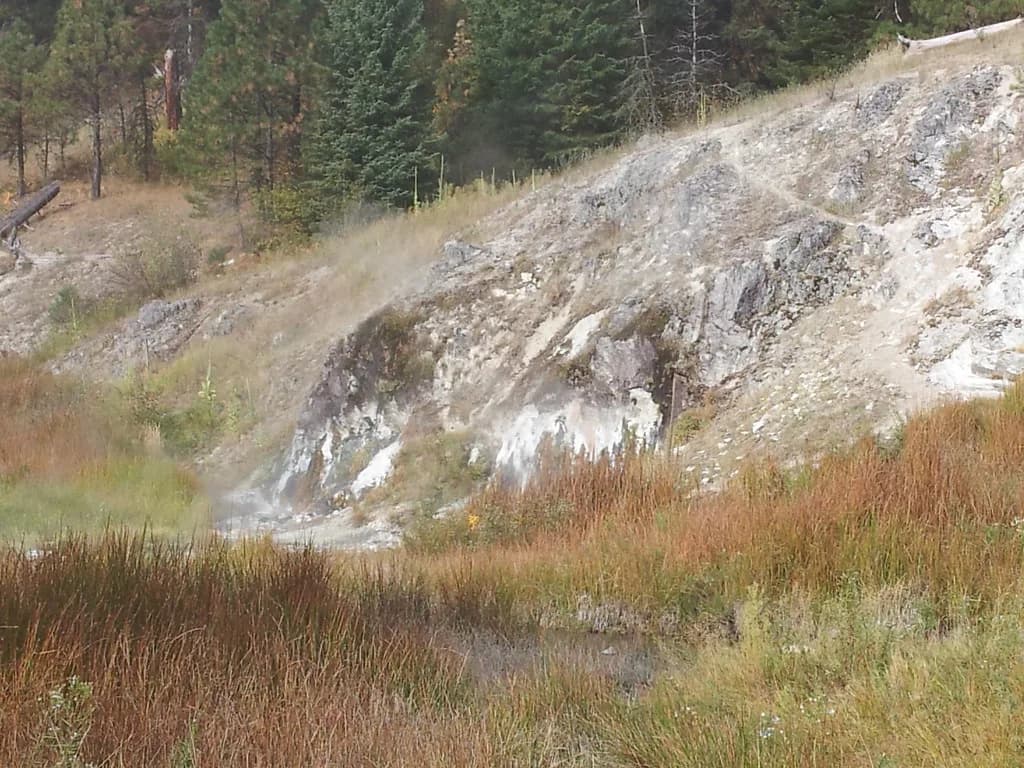
The steam house is the other centerpiece: a rustic river-rock room with a geothermal stream running under and through it. Treat the source water with respect, keep your head above the water in the tubs and steam room, and watch your footing on wet rock.
Overnight only: plan a cabin night
Twin Springs is an overnight destination. The resort's lodging is the way to use the hot springs, and the property has three cabins and two houses, so space is limited and a stay is the point rather than an add-on.
That structure decides your trip for you. If you want a short soak between other stops, build your Idaho itinerary around day-use springs and keep Twin Springs for a night when you can settle in. The same cabin-versus-day-use split shapes a Montana guide to hot springs, if your route runs north.
Cabins and what to expect
The cabins have fully equipped kitchens with four-burner stoves and refrigerators, and everything runs on propane. Cooking in is the practical move here, so pack groceries in Boise before the drive rather than counting on supplies along the way.
Accommodations split between riverside cabins, a gatehouse and a rockhouse, so ask which building fits your group when you book. The resort describes itself as a rustic getaway, which is the right expectation: comfortable beds and hot water, not room service.
Rules and site logistics
Pets are welcome but must stay on a leash and be picked up after, so bring bags and a stake-out line if you travel with a dog. Children and glass policies are best settled with Twin Springs Resort directly when you reserve, especially with a group.
There is no cell service at the resort, so arrange your stay by email or social media and download offline maps before leaving Boise.
There is no cell service and no phone service at the resort, so contact the property by email or social media to arrange your stay. Download offline maps before leaving Boise and tell someone your route and arrival window.
Best time to go and crowds
Cold-weather soaks are the classic way to make a cabin tub and steam room worth the drive, though the resort does not publish seasonal opening dates or hours, so confirm availability when you book. Summer brings river traffic and warmer days along the Middle Fork road, which suits anglers and families more than soakers.
Because the resort is small, your stay feels quiet regardless of season, but book well ahead for holiday weekends and summer dates. Off-season midweek nights are the easiest to secure and the most peaceful once you are there.
Camping and nearby springs for a road trip
Camping near Twin Springs means national forest land along the Middle Fork corridor rather than a developed campground at the resort. Check current fire restrictions and road conditions with the Boise National Forest before you rely on dispersed sites.
To build a longer soaking circuit, pair a Twin Springs cabin night with a day at a developed Idaho pool such as Bear River Hot Springs, Idaho, where the setup is day-use and family-oriented. Further north, Frenchman's Bend Hot Springs, Idaho, adds a hike-in option to the same trip.
Travelers heading toward McCall can add a historic pool stop at Burgdorf Hot Springs, Idaho, and travelers on the Payette side can work in Rocky Canyon Hot Springs near the Middle Fork Payette River. Each adds a different kind of soak, from cabin tubs to forest pools.
Leave No Trace along the river corridor
The river corridor and surrounding national forest are shared ground, so pack out everything you bring, including food scraps, and keep pets leashed and away from the water's edge. Camp only in established or signed sites, bury human waste properly, and leave the hot springs and riverbank as you found them.
Plan Your Stay
Twin Springs is a specific kind of Idaho hot springs trip: a two-hour drive from Boise, a propane kitchen, a private spring-fed tub and a river-rock steam room at the end of the day. Book it when you want a night in the mountains, not a roadside stop.
Confirm your dates and building with the resort by email or social media before you leave, since there is no phone service on site and space is limited to a handful of cabins and houses. Then pack groceries, offline maps and a leash, and let the Middle Fork do the rest. For every soak in the state, start with our guide to Idaho hot springs.
Frequently Asked Questions
Is Twin Springs hot springs open for day use?
Twin Springs is set up around overnight stays, with lodging the route to the private cabin hot tubs and steam house. Plan a cabin night rather than a drop-in soak and contact the resort by email or social media to arrange it.
How far is Twin Springs from Boise?
The property sits on Middle Fork Road in Boise County, about 45 miles from Boise, with a drive time of roughly two hours on ID-21 and North Fork Boise River Road. The last stretch is slow mountain road, so plan for daylight arrival.
What heats the hot tubs at Twin Springs?
The private cabin hot tubs are filled with untreated natural spring water from the property's sulfur-free springs. A river-rock steam house with a geothermal stream running under and through it provides the second bathing option.
How many cabins does Twin Springs have?
The resort has three cabins and two houses, split among riverside cabins, a gatehouse and a rockhouse. The cabins have propane kitchens with four-burner stoves and refrigerators, so cooking in is the practical plan.
Can you camp near Twin Springs hot springs?
Camping in the area means national forest land along the Middle Fork corridor rather than a campground at the resort. Check fire restrictions and road conditions with the Boise National Forest before counting on dispersed sites.
Is there cell service at Twin Springs?
There is no cell service and no phone service at the resort, so arrange your stay by email or social media before you drive out. Download offline maps in Boise and share your route and arrival window with someone.
Sources
Hot springs notes for your next road trip
Optional updates when we add or revise hot springs guides.
You might also like
Continue reading
More guides you'll find useful