
Gillard Hot Springs, Arizona: Access, Soaking and Camping
Plan a remote Gila-country soak at Gillard Hot Springs in Arizona, with guidance on the approach, what to expect at the pools, camping and nearby stops.
On this page
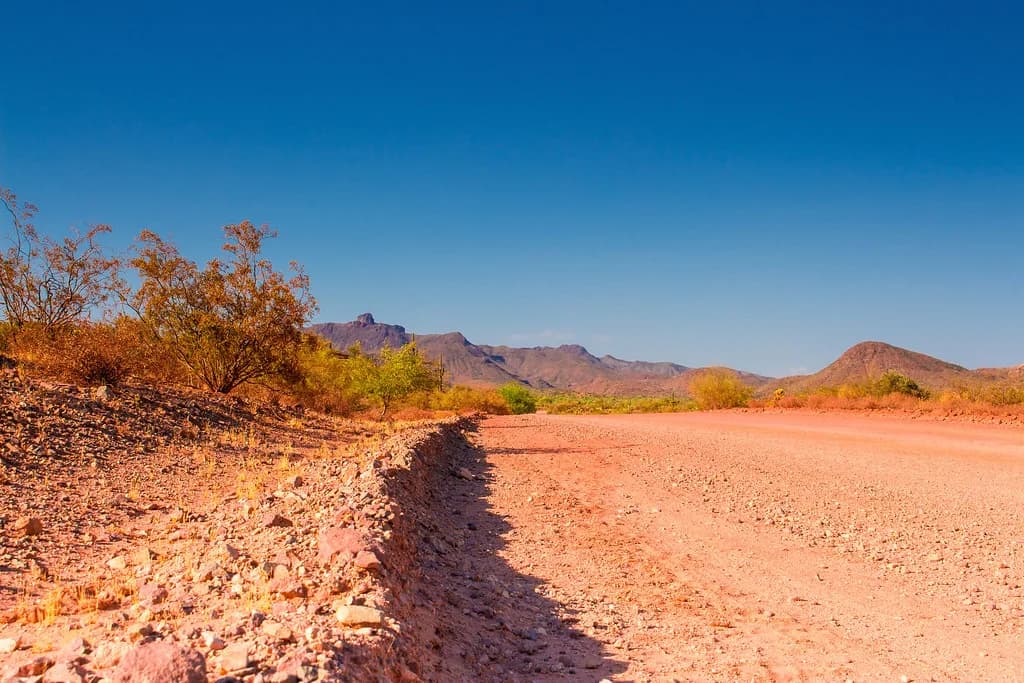
Gillard Hot Springs sits in the rugged Gila country of eastern Arizona, the kind of place you plan a whole day around rather than tack onto an afternoon. It suits confident drivers and hikers who want a primitive soak and are comfortable carrying in what they need, and it is a poor fit for anyone expecting a developed pool with a front desk.
This guide separates the trip into its real pieces: the highway run to the region, the rough-road approach, the hiking, and the soak itself. Read it as a planning framework, then match your vehicle, water supply and timing to what the country demands.
What Gillard Hot Springs is
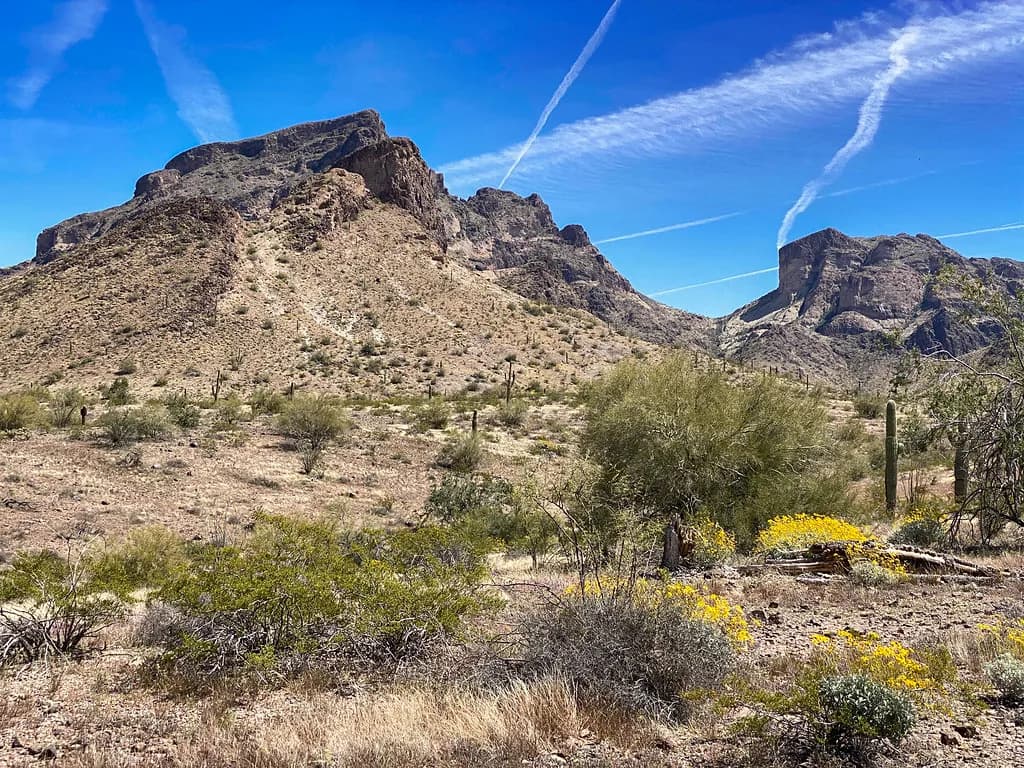
Gillard is a primitive soak in Arizona's Gila country, the high, dry, river-cut landscape of the eastern part of the state. Expect a natural setting and an unmaintained site rather than concrete decks, lockers or a lodge. The appeal is quiet, scenery and water in a place that takes effort to reach.
Think of the site as the opposite of Arizona's resort springs, where you book ahead and soak in groomed pools. At Gillard the trade-off is control: you set your own schedule, but you also supply your own water, food, shelter and first aid. That makes it a good match for self-sufficient campers and a bad one for travelers with limited time or mobility constraints.
Because it is primitive, the planning you do before leaving pavement matters more than anything you do at the water. Pack for a day longer than you intend to stay, and treat the soak as a reward at the end of a rough approach rather than the main event. Readers comparing options across the state can start with this overview of hot springs in arizona and then narrow to the Gila region.
Where it sits in Gila country
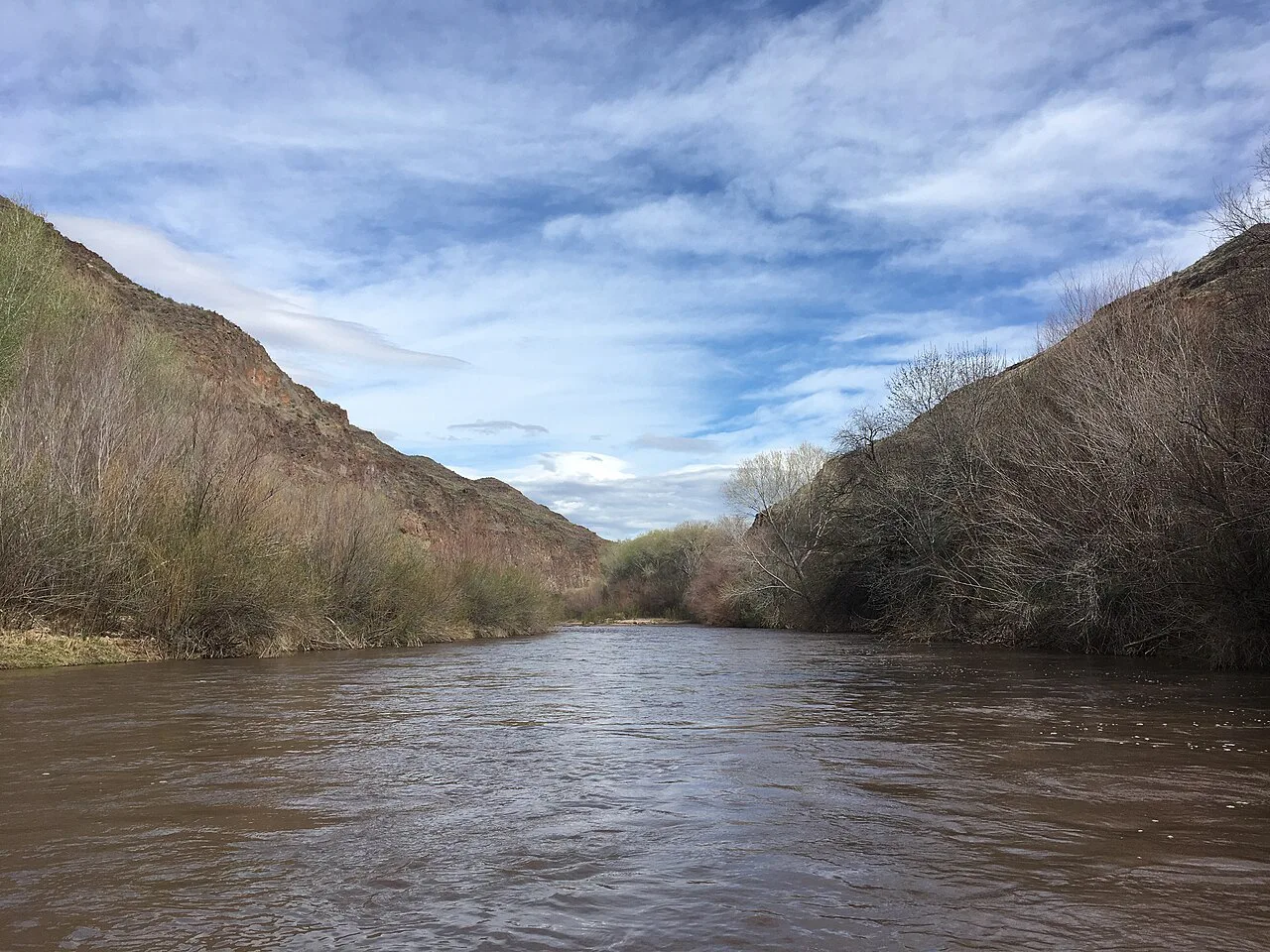
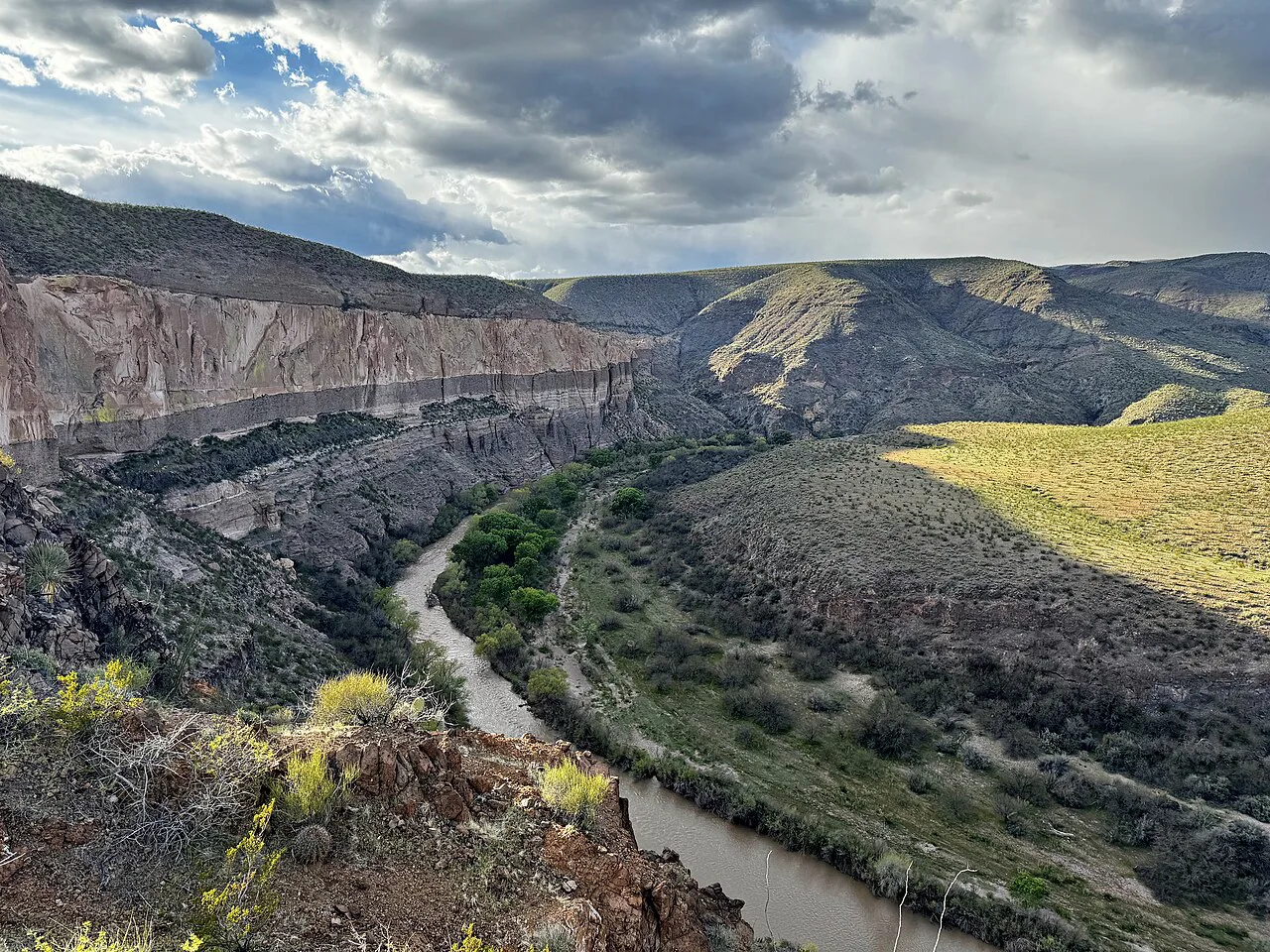
Gillard lies in the Gila River corridor of eastern Arizona, the same broad drainage that runs past Gila Hot Springs Ranch in New Mexico, where the river flows year round below rock formations and cottonwoods line the banks. The Arizona side shares that character: a river-cut valley, cottonwood shade and mineral water moving through a remote landscape.
Silver City, New Mexico, is the practical hub for this stretch of the Gila, sitting west of the river corridor and serving as the supply town for the surrounding mountains. If you are driving in from Arizona, expect a long highway day before the road turns rough, so plan to arrive with a full tank, a full water supply and food for the whole stay. The Olsen Road's account of the Gila River area gives a feel for the setting.
Do not underestimate the last stretch. In this country the highway miles are the easy part and the forest-road miles are what determine whether you make the water by dark. Build in a buffer and carry a paper map, because phone coverage in the Gila is unreliable.
Getting there: highway, forest road and hike
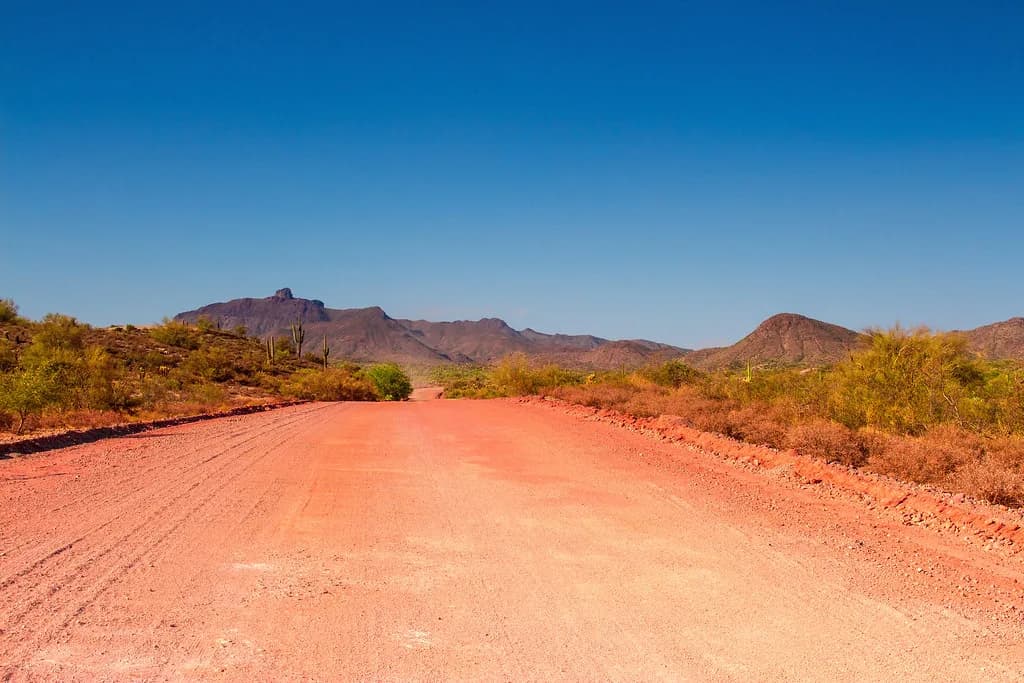
Approach Gillard in three stages. First the highway run to the Gila region, then the forest roads that climb and contour toward the river, then a hike from where your vehicle can safely stop. Judge each stage separately: a sedan can handle the highway day easily but may not clear the rough road, and the hike adds time that a day trip cannot absorb.
A sedan can handle the highway day easily but may not clear the rough road, and the hike adds time that a day trip cannot absorb.
High-clearance vehicles are the sensible choice for the forest-road segment, and a full-size spare, extra water and a way to self-rescue matter more than horsepower. Winter and spring can bring snow, mud and high water at the creek crossings, so ask the Gila National Forest ranger district office about road and river conditions before you commit to the drive. That one call covers both the Arizona and New Mexico sides of the corridor.
At the trailhead, park clear of the road so other vehicles can pass, and plan your turnaround before you start walking. The hike in is the place to test your footing and your load: if the going feels harder than expected, turn back early rather than pressing on with tired legs. For other Arizona access options, the guide to Eagle Creek Hot Springs shows how a remote, hike-in soak near Morenci is laid out and what the approach involves.
The pools and the river setting
Gillard's water sits in a natural river setting rather than in engineered tubs, so the pools are shaped by rock, gravel and river levels. Water depth and temperature shift with flow and season, which means the soak you find depends on when you arrive. The draw is the setting itself: moving water, shade trees and rock you can sit on.
Treat the source water with respect. Geothermal water can run hot enough to scald, so test with a hand before committing, and keep your head above water rather than submerging it in untreated spring water. Rock around the pools is often slick with algae and mineral deposit, so move slowly and keep your footing.
Because the site is unmaintained, you are responsible for judging whether the pools are safe on the day you visit. If the river is high or the water is running too hot, soak your feet and enjoy the setting instead. Combine your visit with a look at the wider range of Arizona soaking options in this guide to hot springs to see how Gillard fits among them.
Rules and etiquette for a primitive soak
There are no lifeguards or staff at a site like Gillard, so the etiquette is simple and it falls on you. Pack out everything you carry in, including food scraps and wrappers, and leave the site cleaner than you found it. Keep group sizes small, keep noise low and give other soakers room.
Use a portable stove rather than building a fire ring, and where fires are allowed, check the current fire restrictions with the ranger district first, since this country routinely closes to open flame. Glass containers and soap belong nowhere near the water. If you bring a dog, keep it leashed and away from the pools so the site stays usable for the next visitor.
Because Gillard is primitive and remote, Leave No Trace practices are not optional here; they are what keeps the site open. Carry out all trash in a sealed bag, and plan your bathroom stops well away from the water.
Camping near Gillard Hot Springs
Camping is the natural way to do Gillard, because the approach eats enough of the day that a there-and-back trip leaves little time at the water. Dispersed sites along the forest roads give you the most flexibility and the shortest walk to the pools. Established campgrounds in the Gila National Forest on the New Mexico side of the corridor offer a more reliable base with defined sites.
Dispersed sites along the forest roads give you the most flexibility and the shortest walk to the pools.
For a comparative look at a semi-developed option, the Gila Hot Springs Ranch in New Mexico combines soaking pools under cottonwoods with a campground and sits on a working ranch, which makes it a comfortable base for a night before or after a primitive Arizona soak. The Olsen Road's trip report on Gila River Hot Springs describes that ranch setting and the river that runs through it.
Wherever you camp, choose a site that is already established, keep your camp away from the water's edge, and store food so animals cannot reach it. In a place this dry, your water supply is the limiting factor: plan on carrying more than you think you need and do not count on a refill.
Crowds and timing
Gillard sees far less traffic than Arizona's developed springs, and the rougher approach keeps numbers down. The busiest times line up with mild weather, spring wildflower season and fall color, plus holiday weekends. Midweek visits and early mornings are the quietest windows.
Summer heat makes a midday soak unpleasant and the hike in harder, so start early and finish before the afternoon build-up. Spring and fall give the most comfortable hiking temperatures, while winter can bring snow and closed forest roads. Check the National Weather Service forecast for the nearest town and call the Gila National Forest ranger district about road access before you drive out.
If you want a quiet soak, plan around the weather rather than around the calendar. In a wet year, the river runs higher and the crossings are harder; in a dry year, flows drop and access improves.
Nearby springs for a Gila road trip
Gillard works best as one stop on a longer Gila circuit rather than a stand-alone destination. Pair it with the Gila Hot Springs Ranch in New Mexico, where the river runs year round and cottonwoods shade the pools, and with the cliff dwellings at Gila Cliff Dwellings National Monument for a history break between soaks. Silver City makes a natural overnight and resupply stop between the two.
Arizona has plenty more soaking options to combine on the drive. Castle Hot Springs in the Bradshaw Mountains is the developed contrast to a primitive Gila soak, and Sheep Bridge Hot Springs on the Verde River offers another river-corridor stop, with the full sheep bridge hot springs guide covering access and camping. SoakerSeeker describes Eagle Creek Hot Springs as a primitive, hike-in site with hillside grottoes near Morenci, a useful second hike-in option on the eastern side of the state. If you are extending the road trip beyond Arizona, the Utah hot springs guide covers developed resorts and wild soaks across the state line.
Aim for a two- or three-night loop: one night near Gillard, one near the Gila Hot Springs Ranch, and a driving day between them. That pace gives you time to hike in, soak and still have daylight for the drive back out.
What to bring for a primitive Arizona soak
Bring more water than you plan to drink, plus a filter or treatment method as backup, since the river is not a guaranteed source. Carry sturdy shoes for the rough approach, a sun hat and high-coverage sunscreen, and layers for cold mornings and evening wind. A first-aid kit, a headlamp and a paper map belong in every pack on a road like this.
For the soak itself, pack a towel, sandals for slippery rock, and a dry bag for anything you want to keep dry at the water's edge. A trowel and wag bag cover bathroom needs, and a trash bag lets you pack out everything. Leave the glassware at home.
Finally, tell someone your plan and expected return time before you leave pavement. Cell service in the Gila is unreliable, so a satellite messenger is worth the weight. The same planning applies to any remote Arizona outing, and this overview of Arizona Hot Springs options helps you decide which approach suits your vehicle and schedule.
Plan Your Soak
Gillard Hot Springs is a primitive Gila-country soak that rewards preparation and punishes improvisation. Go if you have a high-clearance vehicle, a free day or two, and the gear to be self-sufficient; skip it if you want a developed pool or a fast stop.
Build your trip around the approach, camp nearby so you are not racing daylight, and confirm road and river conditions with the Gila National Forest ranger district before you set out. Pair the stop with the Gila Hot Springs Ranch or a nearby Arizona spring to make the drive worthwhile, and leave the site as you found it so the next traveler gets the same experience. For every soak in the state, start with our guide to Arizona hot springs.
Frequently Asked Questions
How do you get to Gillard Hot Springs in Arizona?
Plan a three-stage approach: the highway drive to the Gila country of eastern Arizona, rough forest roads toward the river, and a hike from a safe stopping point. A high-clearance vehicle is the sensible choice for the forest-road section, and you should confirm road conditions with the Gila National Forest ranger district before driving out.
Can you camp at Gillard Hot Springs?
Camping is the practical way to visit, because the rough approach and hike eat up much of the day. Dispersed sites along the forest roads give the shortest walk to the pools, while established campgrounds in the Gila National Forest on the New Mexico side offer a more reliable base. Choose established sites and store food where animals cannot reach it.
What is the water temperature at Gillard Hot Springs?
The pools sit in a natural river setting, so temperature and depth vary with flow and season. Test the water with your hand before soaking, since geothermal source water can be hot enough to scald, and keep your head above water in untreated spring water.
What other hot springs are near Gillard Hot Springs?
Gila Hot Springs Ranch in New Mexico pairs soaking pools under cottonwoods with a campground, making it a comfortable base for the same trip. In Arizona, Castle Hot Springs in the Bradshaw Mountains is the developed contrast, Sheep Bridge Hot Springs sits on the Verde River, and Eagle Creek Hot Springs near Morenci is a primitive hike-in site with hillside grottoes.
When is the best time to visit Gillard Hot Springs?
Spring and fall give the most comfortable hiking temperatures, while summer heat pushes you to start early and finish before the afternoon build-up. Winter can bring snow and rough road conditions. Midweek visits and early mornings are the quietest windows.
Sources
Hot springs notes for your next road trip
Optional updates when we add or revise hot springs guides.
You might also like
Continue reading
More guides you'll find useful
.jpg)
