
San Antonio Hot Springs, New Mexico: Plan Your Soak
San Antonio Hot Springs in New Mexico is a stack of primitive rock-walled pools on a steep Jemez hillside, reached by a short forest hike and rough road.
On this page
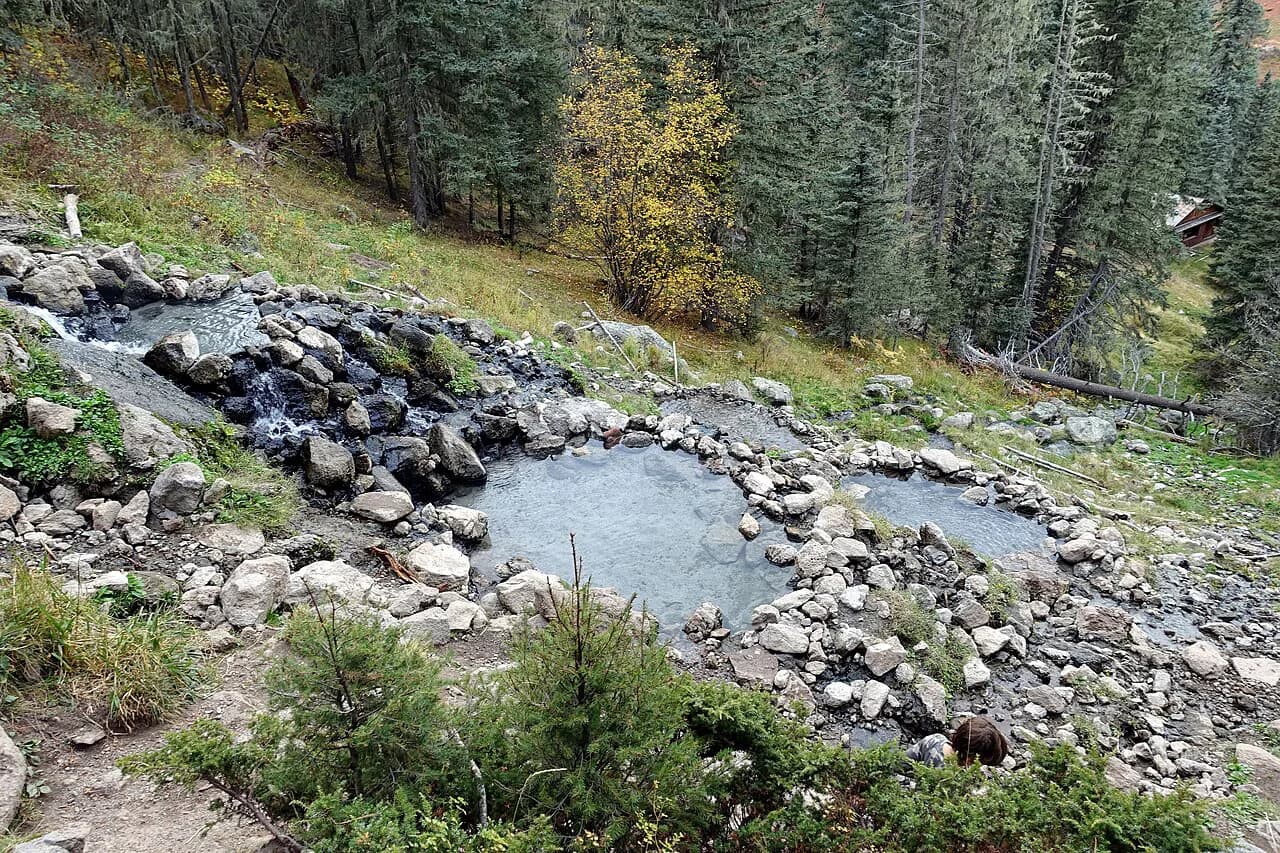
San Antonio Hot Springs rewards the extra effort: three primitive rock-walled pools terraced into a steep hillside in the Santa Fe National Forest, with big views and hot water that cools as it spills from one basin to the next. It suits hikers with high-clearance vehicles and a taste for undeveloped soaks, not travelers looking for a developed pool with a front desk. The drive from Albuquerque runs about 75 miles and an hour and 50 minutes.
Where the spring sits
The spring sits near Jemez Springs, New Mexico, off NM-4 in the Jemez Valley west of San Ysidro. From Albuquerque, take I-25 north and US-550 to NM-4 East, a route that runs roughly 75 miles and an hour and 50 minutes from the city. The approach climbs into the Santa Fe National Forest, where the hot water emerges from several sources on a steep hillside.
This is a primitive national forest soak, not a resort. There are no concession stands, showers or changing rooms at the pools, and the nearest services are about 40 miles away, so arrive with everything you need. Fuel up and buy water in Bernalillo or Jemez Springs before the final stretch.
Getting there
The final approach uses Forest Road 376 North for about 5 miles to the springs area. The upper miles of dirt road are rough enough that a 4x4 or high-clearance vehicle makes the trip far easier, especially after storms or snowmelt. If your car sits low, plan to stop early and walk the remainder rather than scrape the undercarriage.
Winter and spring bring snow, mud and washboard on that road, and conditions change through the year. Before committing the final 5 miles, ask the ranger district about road status and any seasonal gate closures. A vehicle with decent clearance and all-terrain tires gives you the most options in marginal weather.
Parking and the trailhead
Parking is a packed dirt pullout near the road sign that marks the hot springs, not a paved lot. Space is tight on busy weekends, and turning around on the narrow road is easier with a smaller vehicle. Arrive early in the morning if you want a spot and a quieter pool.
Do not block the road, since other vehicles and emergency access depend on it.
Leave the car clear of the travel lane and do not block the road, since other vehicles and emergency access depend on it. Carry your gear from the pullout rather than leaving coolers or towels at the roadside. Cell reception is unreliable here, so download maps before you drive up.
The hike
The Forest Service lists access as a 0.7-mile out-and-back trail from the road to the springs. That is short, but the path climbs a steep hillside and gains elevation, so budget more time than the distance suggests. Hiking shoes with grip make the loose, rocky sections easier, and a walking stick helps on the descent.
The San Antonio Hot Springs trail is rated moderate, covering about 1.5 miles with 216 feet of elevation gain if you walk the fuller route, which takes roughly half an hour to an hour. The guide describes the climb as about a half mile and moderate. Either way, the grade is steady rather than flat.
Pack light but bring layers: the shaded forest feels cool even when the pools are hot, and the exposed hillside bakes in summer. Wear shoes you can scramble in, because the last approach to the rock basins is uneven. Snow and ice can linger on the trail into spring, so check conditions before a shoulder-season hike.
The pools
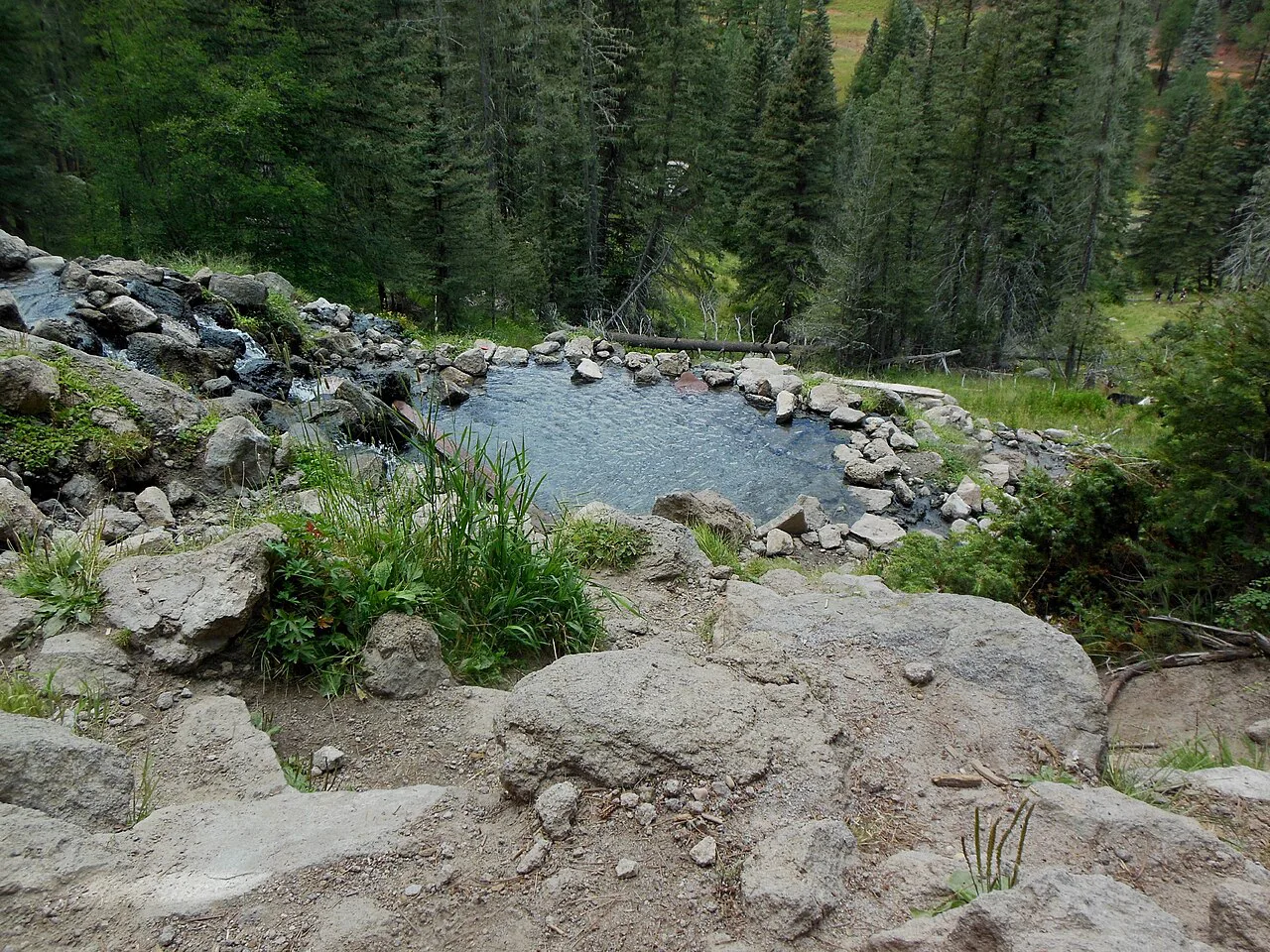
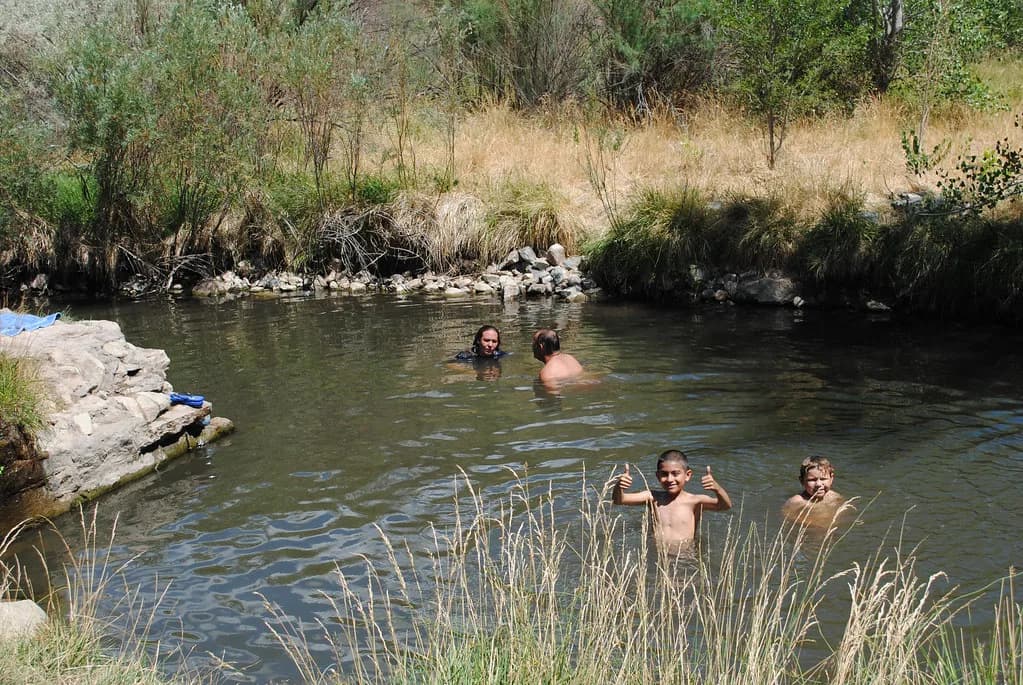
San Antonio has a series of three primitive rock-walled pools that cascade into each other down the hillside. The top basin is the hottest and the water cools as it drops into the lower pools, so you can move between them to find your preferred temperature. The rock walls and bottoms are natural, not tiled, and they can be slick.
Each pool is small, holding just a handful of people at a time, which is part of the appeal and the main reason it feels crowded on weekends. Sitting on the rock ledge with your feet in the water is a good option when every basin is full. Give other soakers room to enter and exit before you settle in.
Water temperatures
The hot source is reported at 125 degrees Fahrenheit, and the first rock-walled pool runs around 105 degrees. Water cools as it cascades into the lower pools, which end up lukewarm to warm rather than hot.
Test with a hand or foot before committing, and start in a cooler lower basin if you are heat-sensitive.
Temperatures change with the season and with how the rock walls have been rebuilt, so the upper pool can run hotter or cooler than the reported figure. Test with a hand or foot before committing, and start in a cooler lower basin if you are heat-sensitive. The source water is hot enough to scald, so ease in slowly.
Keep your head above water in untreated geothermal pools, and skip the soak if you have open cuts or feel overheated. Drink water while you soak, since the altitude and heat dehydrate you faster than you expect. These are practical habits for any primitive spring, not medical advice.
What to wear and bring
Clothing is optional at San Antonio Hot Springs, and you should expect a mix of suited and unsuited soakers. Pack a swimsuit if that is your preference, plus a quick-dry towel and a warm layer for the hike out. A changing sarong or towel helps if the site is busy.
Bring water shoes for the slick rock, a dry bag for valuables, and trash bags to pack everything out. Glass containers are a poor choice on rock ledges, so decant drinks into reusable bottles before you hike in. A headlamp is worth the weight if you plan to soak late in the day.
Rules on site
The springs sit on Santa Fe National Forest land, so national forest regulations apply. Dogs are welcome at the spring, but keep them leashed near other soakers and pack out waste. The guide notes that camping is not allowed at the hot springs themselves, so plan to sleep elsewhere in the valley.
Beach etiquette covers the basics: no glass, no soap or shampoo in the pools, and no moving rocks to enlarge a basin. The rock walls hold the pools together, so rebuilding them changes the water levels for everyone. Keep voices low and music off to preserve the forest quiet.
Crowds and timing
San Antonio receives a lot of foot traffic because it is close to Albuquerque and Jemez Springs, and the small pools fill quickly. Weekday mornings give you the best odds of having a basin to yourself. Holiday weekends and summer afternoons are the busiest.
Fall and spring bring cooler hiking weather and fewer bathers, while summer afternoons can feel hot on the exposed climb. Winter soaks are possible when the road is passable, but snow and ice make the trail slick and the descent slower. Check with the ranger district before a cold-season attempt.
Camping and lodging nearby
Jemez Springs makes the most practical base for an overnight trip, with lodges and cabins along NM-4 within a short drive of the forest road. Campers can look at established Forest Service campgrounds in the Jemez Valley rather than camping at the spring itself. Book ahead in summer and during fall foliage weekends.
For a broader state tour, the hot springs in new mexico range from primitive forest soaks like this one to developed resorts in Truth or Consequences and Ojo Caliente. If you are weighing a similar trip farther west, our Utah hot springs cover both developed resorts and wild soaks. Build a two- or three-night loop so you are not driving the rough forest road after dark.
Nearby springs to combine
Spence Hot Springs sits down the road and makes an easy second stop, with a shorter approach and its own cliffside pools. Pairing the two gives you a full Jemez Valley day: Spence first, then San Antonio for the quieter soak.
If you are heading south, Riverbend Hot Springs in Truth or Consequences offers riverside developed pools and a very different experience from this primitive hillside site. Farther north, Ojo Caliente hot springs anchors a day of mineral pools near the town of the same name. Both work as overnight stops on a longer New Mexico hot springs road trip.
Leave No Trace at a hike-in spring
San Antonio is a hike-in spring with no trash service, so everything you carry in comes back out, including food scraps and wet wipes. Stay on the established path to protect the hillside, and keep your gear on rock rather than trampling vegetation. If a pool is full, wait your turn instead of crowding in.
Plan Your Soak
Build your day around the drive and the climb: leave Albuquerque early, take NM-4 through the Jemez Valley, and give yourself time on the rough final road. Bring high-clearance transport if you can, shoes with grip, water and a towel. Then confirm road and trail conditions with Santa Fe National Forest before you set out.
The reward is a rare combination: three rock-walled pools on a steep forested hillside, hot at the top and cooler below, with views across the Jemez. Treat the site gently, share the basins, and it stays worth the hike for the next soaker.
Frequently Asked Questions
How long is the hike to San Antonio Hot Springs?
The Forest Service lists a 0.7-mile out-and-back trail from the forest road to the springs. Hiking platforms report a longer route of about 1.5 miles with 216 feet of elevation gain, taking roughly half an hour to an hour. The path climbs a steep hillside, so allow more time than the distance suggests and wear shoes with grip for the loose, rocky sections.
Do you need a 4x4 to reach San Antonio Hot Springs?
The final approach follows Forest Road 376 North for about 5 miles, and the upper miles are rough enough that high clearance makes the trip far easier, especially after storms or snowmelt. A low-clearance car can stop early and walk the remainder rather than risk scraping the undercarriage. Ask the ranger district about road status before committing to the final stretch, since snow, mud and washboard change through the year.
What is the water temperature at San Antonio Hot Springs?
The hot source is reported at 125 degrees Fahrenheit, and the first rock-walled pool runs around 105 degrees. Water cools as it cascades into the lower pools, which end up lukewarm to warm. Temperatures shift with the season and with how the rock walls have been rebuilt, so test the water with a hand or foot before you settle into a basin.
Are dogs allowed at San Antonio Hot Springs?
Dogs are welcome at the spring, but keep them leashed near other soakers and pack out waste. The pools sit on Santa Fe National Forest land, so national forest regulations apply alongside the usual pool etiquette: no glass, no soap, and no moving rocks to enlarge a basin.
When is the best time to visit San Antonio Hot Springs?
Weekday mornings give you the best odds of having a basin to yourself, since the small pools fill quickly and the spring draws steady foot traffic. Fall and spring bring cooler hiking weather and fewer bathers, while summer afternoons can feel hot on the exposed climb. Winter soaks are possible when the road is passable, but snow and ice make the trail slick and the descent slower.
Is there camping at San Antonio Hot Springs?
Camping is not allowed at the hot springs themselves, so plan to sleep elsewhere in the Jemez Valley. Established Forest Service campgrounds and lodges along NM-4 in Jemez Springs make the most practical base, and booking ahead helps in summer and during fall foliage weekends. Carry everything out from the spring, including food scraps and wet wipes, since there is no trash service.
What other hot springs are near Jemez Springs?
Spence Hot Springs sits down the road with a shorter approach and its own cliffside pools, making an easy second stop to pair with San Antonio for a full Jemez Valley day. Farther afield, developed soaks such as Riverbend Hot Springs in Truth or Consequences and Ojo Caliente hot springs work as overnight stops on a longer New Mexico road trip.
Sources
Hot springs notes for your next road trip
Optional updates when we add or revise hot springs guides.
You might also like
Continue reading
More guides you'll find useful
.jpg)
.jpg)
.jpg)