
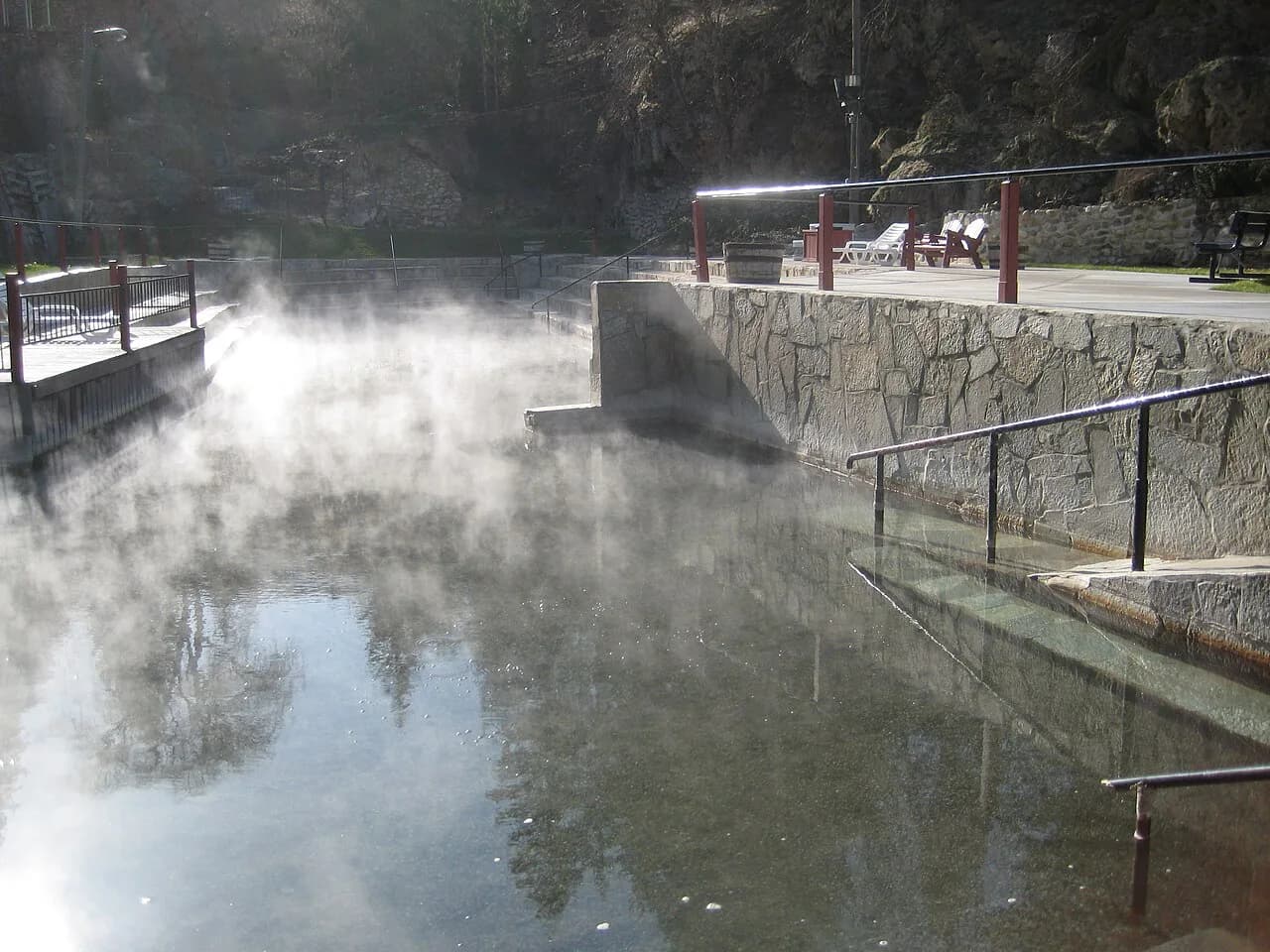
Bruneau Hot Springs, Idaho: Canyon Soak Access Guide
Bruneau Hot Springs sits deep in Idaho's Bruneau Canyon, reached only by rough 4x4 roads above the river. Plan the drive, the canyon float and camping.
On this page
Bruneau Hot Springs rewards the kind of soaker who wants remoteness more than convenience: warm water in a vertical-walled canyon on a river recently added to the Wild and Scenic Rivers System. It suits confident 4x4 drivers, self-supported boaters and travelers who treat the journey as the point.
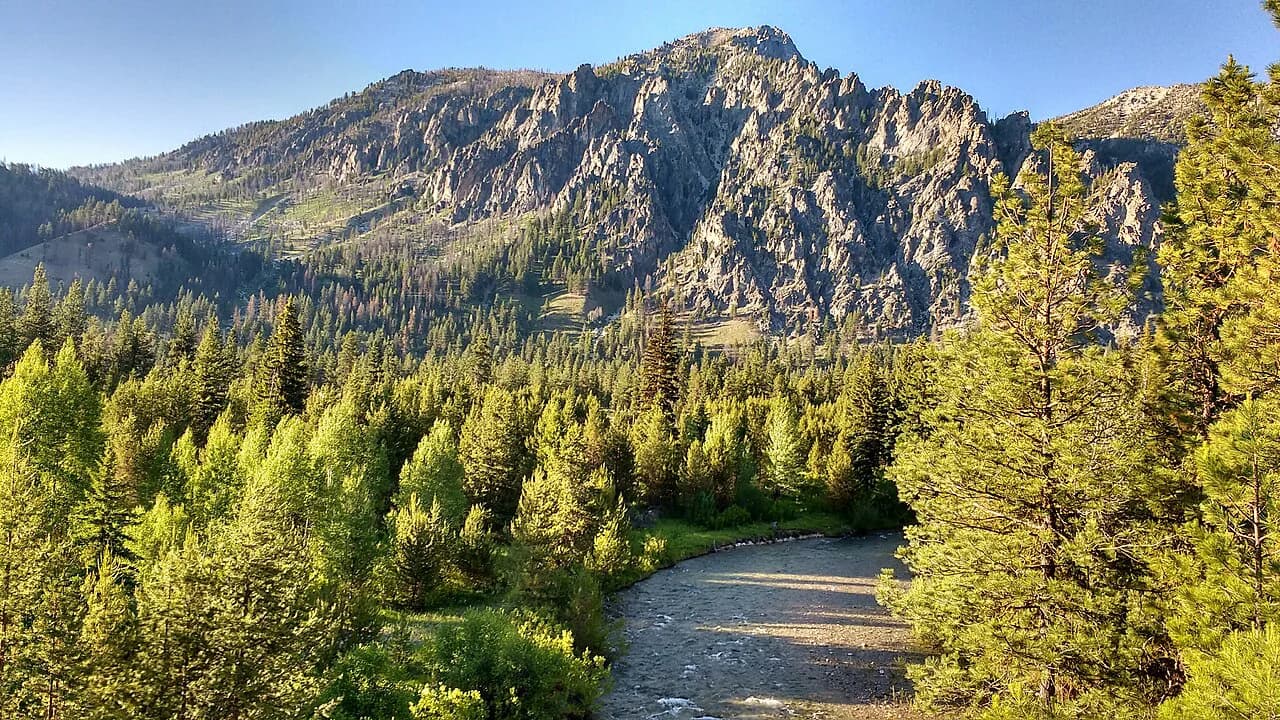
The spring sits on the Bruneau River below the confluence of the Jarbidge and West Fork Bruneau, in the canyon that gives the river its reputation. The Bruneau Canyon runs up to 1,200 feet deep and about forty miles long, with rapids and hot springs along the way.
Where Bruneau Hot Springs Sits
The spring is reached from the small town of Bruneau in southwestern Idaho, roughly an hour southeast of Boise depending on your starting point. From town you head southeast on Hot Springs Road, which later becomes Clover Three Creek Road on maps. The spring itself lies at river level in the canyon, not beside the highway.
Treat this as a primitive canyon soak rather than a roadside pool. The water emerges on the Bruneau River below the Jarbidge and West Fork Bruneau confluence, so everything you need for soaking, eating and staying warm has to come down the road with you. For a broader menu of Idaho soaks, including drive-up options, see this guide to hot springs in idaho.
Getting There from Bruneau, Idaho
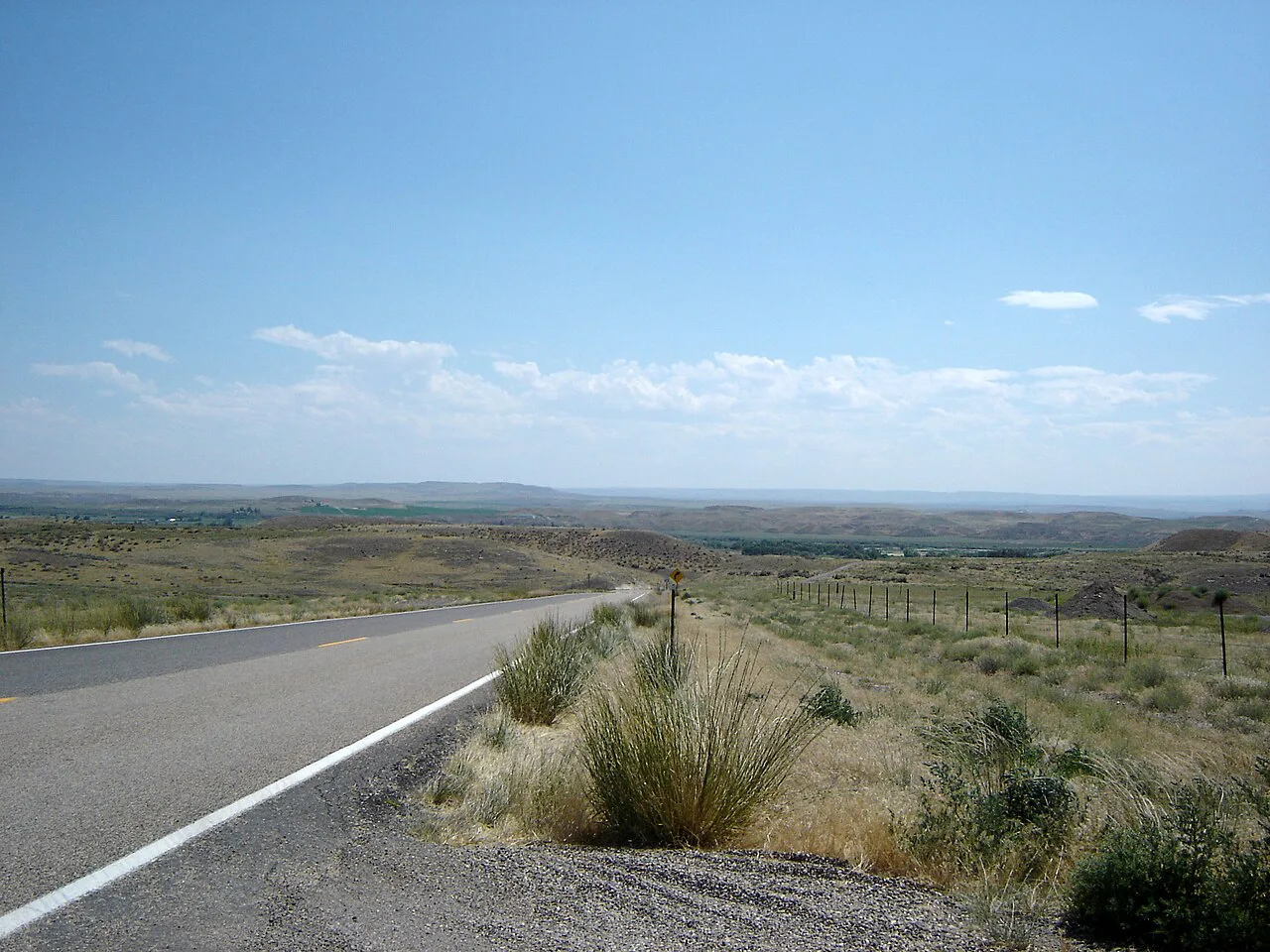
The drive breaks into two stages. From Bruneau, go southeast on Hot Springs Road for about eight miles, then continue on Clover Three Creek Road for roughly thirty miles to reach the river. The first six miles of that road are good, but it then deteriorates into about ten miles of genuinely difficult driving.
Watch for a sign on the right after crossing Clover Creek and making a large switchback. At unmarked forks the useful rule from boaters who run this shuttle is to stay left and mark your turns, because the sagebrush flats offer almost no landmarks for the return. Send someone ahead on foot before committing to the final descent if another vehicle might be coming up.
The Last Stretch: 4x4 and High-Clearance Requirements
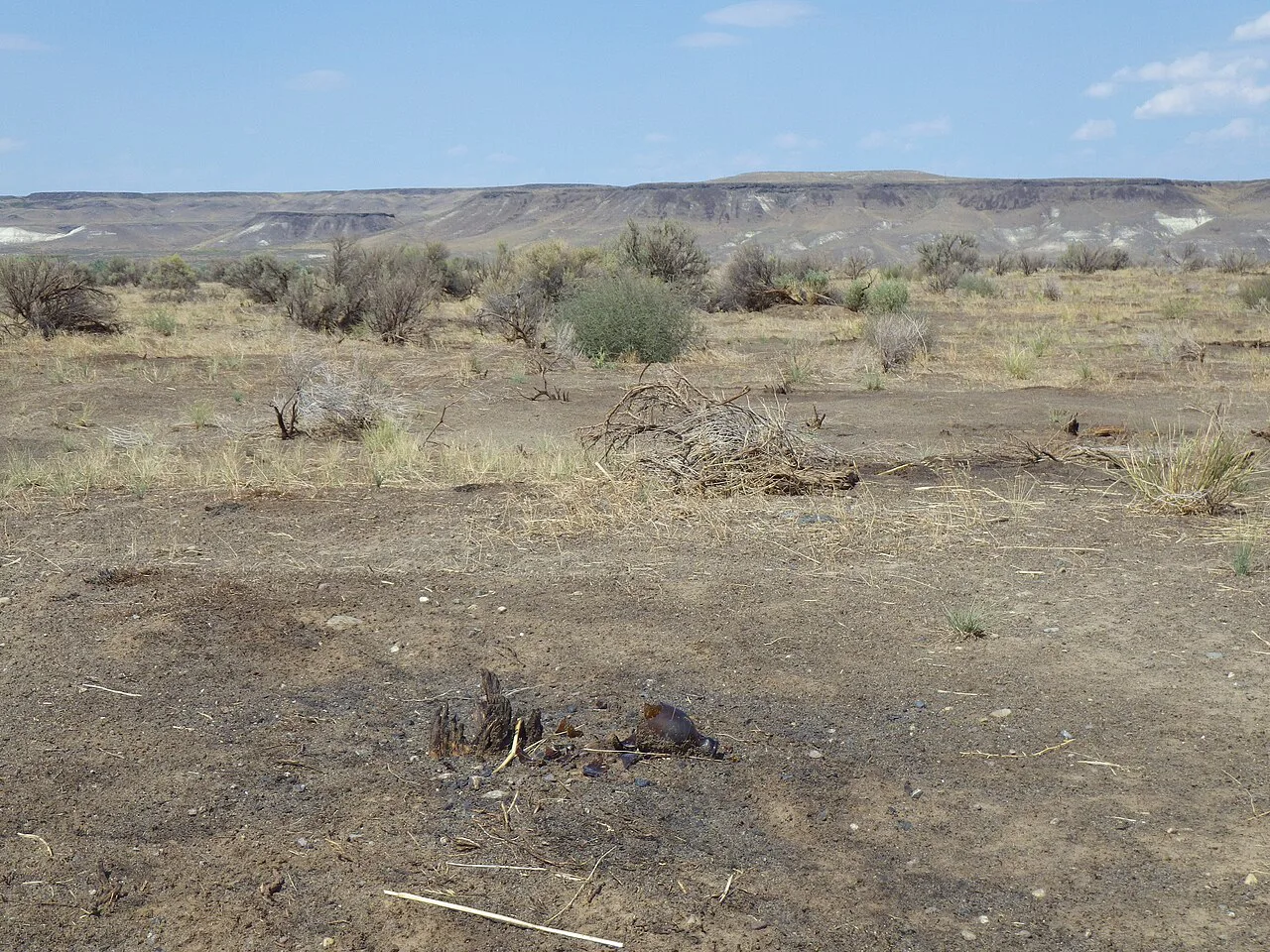
The final miles demand a 4x4 with real ground clearance and good tires for muddy ground, plus a driver comfortable on rough roads. Boaters who make this shuttle regularly recommend two spare tires and a high-lift jack for the remote Bruneau country. Do not attempt the descent in wet or snowy weather, which is common during the boating season.
Even with the right rig, expect slow going: one boating party found the bad surface starting about ten miles before the canyon rim and needed to back up roughly fifteen yards to let a BLM vehicle pass. A common strategy is to unload at the river, drive the vehicle back up to the rim, and walk down, so the steep sections are handled in daylight. Ask the BLM about current road conditions before you commit.
The Springs and Pools
Soaking here happens in a canyon setting, at river level, with the water issuing along the Bruneau. Bring water shoes for slippery rock and plan to keep your head above the waterline in untreated geothermal water. Because the site is undeveloped, you carry in everything from drinking water to a dry layer for the climb back to the rim.
Keep your head above the waterline in untreated geothermal water. Vertical canyon walls limit both access and exits, so pick your turnaround time before you get absorbed in the soak.
The payoff is solitude of a kind you will not find at a paved pool. Vertical canyon walls limit both access and exits, so pick your turnaround time before you get absorbed in the soak. If you want a developed alternative on the same trip, Bear River Hot Springs, Idaho, near Riverdale Valley offers a very different, easier sort of visit. Drivers weighing a friendlier road trip can compare this primitive canyon soak with the hot springs in Oregon, many of which sit closer to paved access.
River Access and Floating the Bruneau
Indian Hot Springs is the traditional put-in for a Bruneau River float, and the run is a serious one: Class II to IV water, about 40.6 miles, with logjams, poison ivy, rattlesnakes and a low diversion dam just below the take-out that is hard to see from river level.
The take-out is reached from Bruneau by continuing on Hot Springs Road, then following the gravel road straight along the river where the main road bends left and climbs. That gravel stretch is about half a mile to a take-out on private property. Boaters describe the shuttle from the rim back to the river taking several hours, so build that into your schedule.
Camping and Lodging Near the Canyon
Camping near Bruneau Hot Springs is self-supported: you are responsible for your own shelter, water and waste in a remote canyon with limited access and exits. Boaters running the Bruneau typically camp on the river during multi-day trips, which is the realistic model for staying overnight here.
For a base with facilities, look toward Bruneau Dunes State Park, which pairs sand dunes with an observatory run by Idaho Parks and Recreation. The park makes a practical, paved counterpart to the canyon trip and a better choice for families or anyone towing a trailer.
Fees, Permits and River Paperwork
For a Bruneau float, self-issuing permits can be downloaded from the BLM website and are available at self-registration stations at access and take-out points. Complete that paperwork before you leave cell service behind, since the canyon offers no easy place to sort it out later.
Best Time to Go and Seasonal Access
April and May are the boating season on the Bruneau, and that timing carries a catch: wet or snowy weather is frequent then, and the final road should not be attempted in those conditions. For a day soak rather than a float, aim for a dry stretch when the road has had time to firm up.
For a day soak rather than a float, aim for a dry stretch when the road has had time to firm up.
Boaters have run the Bruneau in summer at flows around 730 cfs, but flow is a river-running concern rather than a soaking one. If your goal is simply the spring, watch the forecast, avoid storm windows, and confirm road status with the BLM before driving out from Bruneau.
Nearby Springs and Stops to Combine
Pair the canyon with Bruneau Dunes State Park for a paved, family-friendly stop where you can stretch out after the rough drive. Farther afield, Frenchman's Bend Hot Springs and Rocky Canyon Hot Springs on the Middle Fork Payette River make a natural add-on for a longer Idaho soaking loop.
Travelers heading north toward McCall can work in Burgdorf Hot Springs in Payette National Forest, a historic developed soak that balances the primitive canyon experience. For more ideas across the state, browse the full collection of hot springs.
Pack-It-Out Etiquette for a Remote Canyon Soak
This is a hike-in or rough-road primitive site, so pack out everything you carry in, including food scraps and grey water. Keep soap and sunscreen out of the river, use established pullouts and campsites, and leave the canyon as you found it so the next party gets the same experience.
Plan Your Bruneau Canyon Soak
Bruneau Hot Springs is a trip for prepared drivers and self-sufficient boaters: a rough road out of Bruneau onto Clover Three Creek Road, then about thirty miles to a primitive soak at river level. Bring a high-clearance 4x4, spares and a high-lift jack, and keep the steep sections for daylight.
If the rough road is not for you, trade the canyon for a developed soak and a dunes-and-observatory afternoon, then save the canyon for a dry-weather window when you can give it a full day. Either way, the Bruneau country rewards planning more than improvisation.
Frequently Asked Questions
Where is Bruneau Hot Springs in Idaho?
It sits on the Bruneau River in southwestern Idaho, downstream of the Jarbidge and West Fork Bruneau confluence. You reach it from the town of Bruneau by heading southeast on Hot Springs Road, which becomes Clover Three Creek Road, then descending to the river.
Can you drive to Bruneau Hot Springs?
Yes, but the last stretch is a rough 4x4 road. Boaters describe about eight miles on Hot Springs Road out of Bruneau, then roughly thirty miles on Clover Three Creek Road, with the final ten miles badly deteriorated.
Do you need a 4x4 to reach Indian Hot Springs on the Bruneau River?
A 4x4 with good ground clearance and good tires is the realistic minimum, and muddy or snowy conditions make the descent unsafe. Boaters who run this shuttle recommend two spare tires and a high-lift jack for the remote country.
Can you float the Bruneau River from Bruneau Hot Springs?
Yes. Indian Hot Springs is the traditional put-in for the Bruneau, a Class II to IV run of about 40.6 miles with logjams, a low diversion dam below the take-out and limited exits along the way.
Do you need a permit to float the Bruneau River?
Self-issuing permits can be downloaded from the BLM website and are available at self-registration stations at access and take-out points. Fill them out before leaving cell service behind.
What is the best time of year to visit Bruneau Hot Springs?
April and May are the boating season, but wet or snowy weather is common then and the final road should not be attempted in it. For a day soak, pick a dry stretch when the road has firmed up and confirm road status with the BLM.
Is there camping near Bruneau Hot Springs?
Overnight stays in the canyon are self-supported, and Bruneau's boaters typically camp on the river during multi-day trips. For a base with facilities, Bruneau Dunes State Park and its observatory make a more comfortable counterpart.
Sources
Hot springs notes for your next road trip
Optional updates when we add or revise hot springs guides.
You might also like
Continue reading
More guides you'll find useful
.jpg)

.jpg)