Fillmore Utah Hot Spring Guide: Where to Soak
Meadow Hot Springs near Fillmore has three geothermal pools a short walk from the parking area. Here is how the pools differ and how to plan a soak.
On this page
Meadow Hot Springs is the soak that makes Fillmore worth a stop rather than a pass-through on I-15. Three pools sit in open desert at the foot of the Pahvant Range, the water is clear and nearly odorless, and the walk in from the parking area takes about five minutes, which makes it an easy add-on for families and road-trippers hauling coolers and camp gear.
It suits travelers who want a real geothermal soak without a long hike, and it rewards people who arrive with a plan for crowds. The springs sit on private land in Millard County, and public access is not restricted, so you share the pools with whoever else has the same idea on the same afternoon.
Where the springs sit
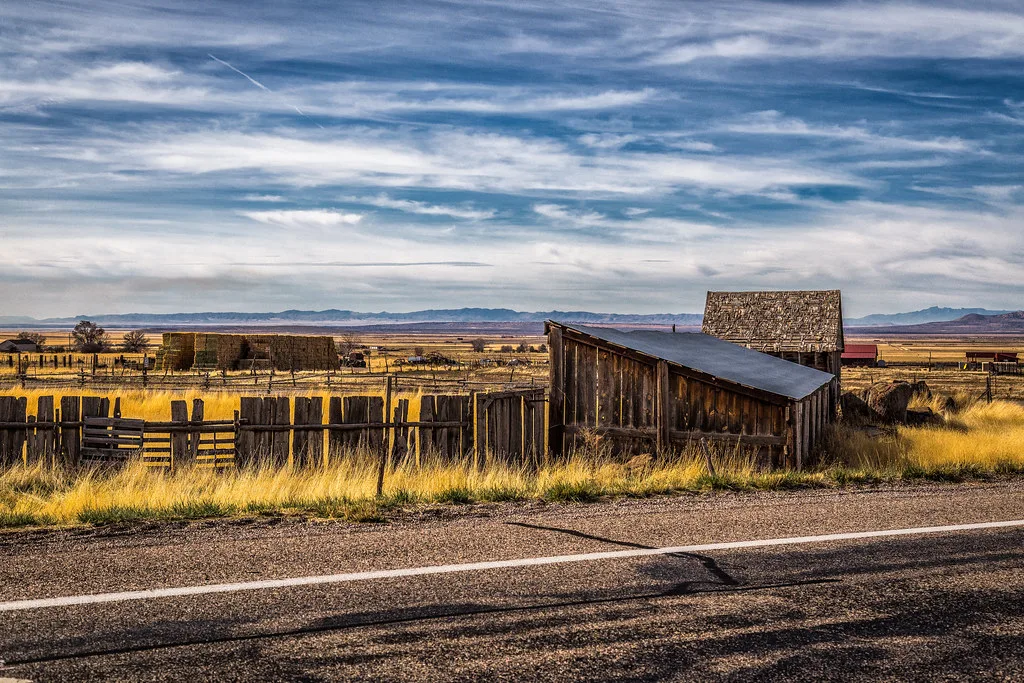
The springs lie in Utah's West Desert outside the town of Meadow, roughly five miles from the community that gives them their name, in Millard County below the Pahvant Mountain Range. Fillmore, the Millard County seat, is the nearest practical base for food, fuel and a motel bed, and the drive between the two runs on I-15.
Treat the springs as a West Desert detour rather than a Wasatch Front destination. Coming from the north, Fillmore is the last full-service stop before the spring exit, so top off the tank and buy water there instead of counting on services closer to the pools.
Getting there from Fillmore
From Fillmore, head south on I-15 and leave the interstate near Meadow, then follow the local roads west toward the springs. The approach is straightforward for a passenger car in dry weather, and the final stretch ends at a parking area rather than at the water.
Park in the lot and walk the short, improved trail to the pools, a stroll of about five minutes. Visitors have worn new tracks across the ground by driving as close to the water as their vehicles allow, and those tracks have turned meadow into rutted dirt, so the walk in is the better choice for the place and usually the faster one.
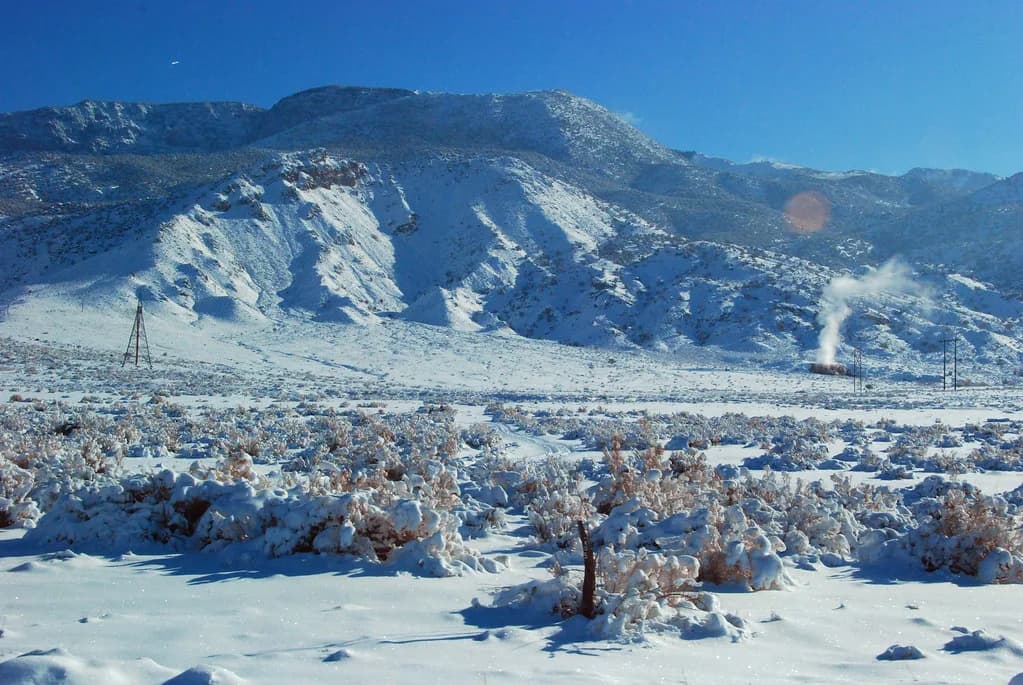
Winter access is the one variable to plan around. The highway corridor stays the main route year-round, but the desert tracks beyond the pavement can hold snow, mud or ice after a storm, so a dry forecast and daylight arrival make the approach simpler.
The three pools
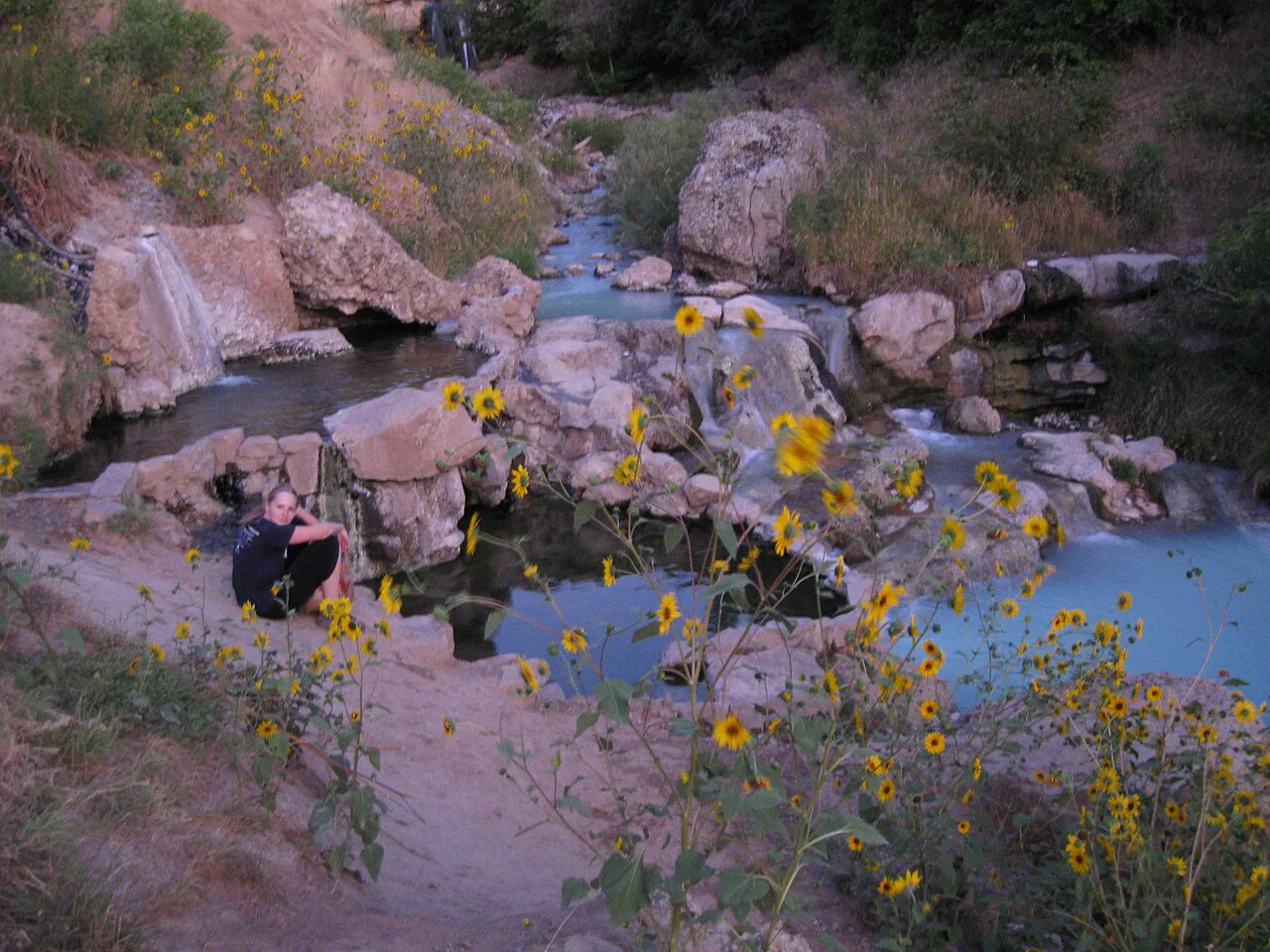
The springs form three distinct pools. The first and warmest sits at roughly 100 degrees Fahrenheit, and the other two step down in temperature from there, with the coolest pool cold enough to hold small warm-water fish.
That temperature ladder is the reason the springs work in every season. In cold weather, head straight for the hottest pool and expect to share it; in summer, the cooler pools give you a place to sit without overheating, and the deepest pool is the one most people gravitate toward for a full soak.
Water quality is part of the appeal: the pools run clear with little or no sulfur odor, which makes them comfortable for first-time soakers and for kids. The trade-off is visibility, because clear water in a heavily used pool shows every footprint in the sediment.
What to expect on the ground
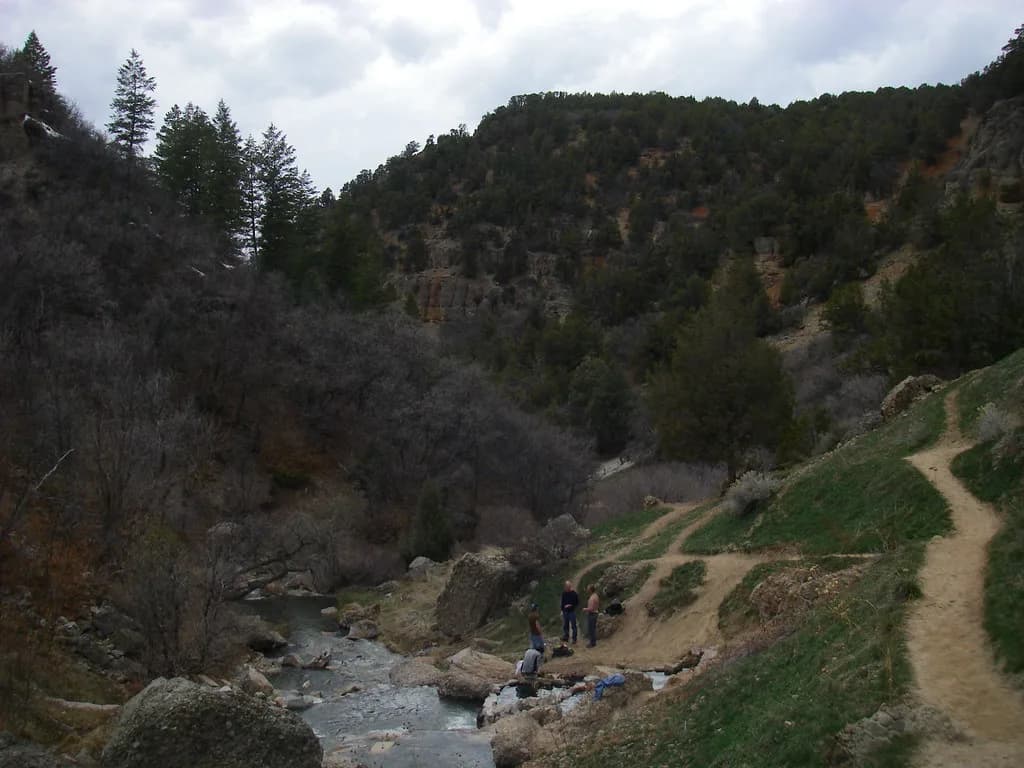
Expect a short walk on an established path, pool edges of packed dirt, and ground around the pools that sees heavy traffic. The setting is open desert with a wide view of the Pahvant Range, not a developed resort with decks, changing rooms or lifeguards.
Expect packed dirt and heavy traffic around the pools, with no developed facilities such as decks, changing rooms or lifeguards.
The area has taken a beating as visitor numbers have grown, with tire ruts, trash and human waste reported around the pools in recent years. Locals who grew up soaking here now describe a dirt pit where grass once grew to the water's edge, which is a fair picture of what you will walk into on a busy weekend.
Bring footwear you can slip on at the water's edge, a towel, and a bag for anything you carry in. There are no posted facilities to rely on, so plan your changing and bathroom stops before you leave the highway.
Fees, hours and posted rules
The springs sit on private property, and access has been open to the public, but there are no published day-use fees, opening hours or reservation system to plan around. Donation boxes with signs asking visitors to contribute have stood near the pools, according to reporting on the site.
Because the property is private, the rules that apply are the owner's and whatever is posted at the gate, not a land-manager regulation sheet. Read signs as you arrive, follow them, and treat the donation boxes and trash cans as the owner's infrastructure rather than park furniture.
If you are planning a trip around a specific holiday weekend and want certainty about access, contact the Millard County tourism office or ask in Fillmore before you drive out. Conditions at a privately held spring can change with the season and with the owner's tolerance for damage.
Etiquette at a well-loved spring
Pack out everything you bring, including food scraps, cans and glow sticks, and keep your vehicle on the established route to the parking area rather than cutting new tracks toward the water. Campers should use the durable ground near the lot and skip campfires at the pool edge, where charred wood has been left within a few feet of the water.
Best time to go
Meadow Hot Springs fills up, and it fills up fastest on summer weekends and holiday Mondays. Since the site drew social-media attention in the mid-to-late 2010s, locals have watched steady traffic grow, and some regulars now visit only once or twice a year because of the crowds.
Meadow fills up fastest on summer weekends and holiday Mondays, so a weekday visit or an early morning gives you the best chance at a quiet pool.
Early mornings in spring and fall give you the best odds of a quiet pool, cool air over warm water, and firm ground on the walk in. Winter soaks are excellent for the hottest pool, but the desert road and the mud around the pools can be the limiting factor after a storm.
If you arrive and the parking area is full, take the long view: the pools are a five-minute walk from the lot, so a short wait often clears. A weekday visit in any season beats a Saturday in July.
Camping and lodging around Fillmore
Visitors do camp at the springs, with tents and trailers set up on the flat ground around the cooler pools. Overnight stays there are informal and put you right at the water for a sunrise soak, but you will be sharing packed dirt with other campers and whatever they leave behind.
Fillmore is the more comfortable base, with motels and restaurants along the I-15 exit, and it puts you within a short drive of the springs for an evening soak. Staying in town also means a real bathroom, a hot shower and a place to dry gear, which matters in winter.
Fill your cooler and water jugs in Fillmore before heading out, since the desert around the springs has no services to fall back on. Plan to carry out every scrap, including what you would normally leave in a campground bin.
Other soaks to combine with the drive
Fillmore works as a base for a longer southern Utah run, and Meadow slots in neatly on the way south. If you are building an itinerary of hot springs in utah, this stop pairs well with a day or two around Zion, where the soaking is a different experience entirely. Travelers extending the loop west can use the same planning approach in our Nevada guide.
A Zion hot springs detour means sandstone country, longer drives and a very different set of pools from the open desert at Meadow, so give that leg its own day or two rather than tacking it onto a Fillmore afternoon.
For travelers coming down from the north, the hot springs near Salt Lake City make a logical first stop before the drive to Millard County. Northern soaks and desert soaks have very different settings, so decide whether you want developed pools or open desert before you commit the day.
If your route swings toward Springville and Provo, fifth water hot springs is a hike-in destination that trades the short Meadow walk for a longer trail through a canyon. Plan it as a separate half-day rather than a quick add-on, and check trailhead access before you go.
Safety basics
The warmest pool sits near 100 degrees Fahrenheit, which is hot enough to feel uncomfortable quickly, so test the water with a hand and step in slowly rather than plunging. Move between pools deliberately, since the step down in temperature is what makes the layout work.
Pool edges are packed dirt and slick rock in places, and the ground around the water is uneven, so wear shoes as far as the edge and watch your footing. Keep your head above the untreated geothermal water, and keep children within arm's reach near the pools.
Plan Your Soak
Meadow Hot Springs is the reason to build a Fillmore stop into an I-15 run: three clear pools, a five-minute walk from the car, and a temperature ladder that works in January and July. Arrive early, walk in from the lot, and carry out more than you brought.
Before a winter trip, take one look at the weather and road conditions with Millard County or the Utah Department of Transportation, then build the rest of the day around Fillmore. From there, you can link the soak to a longer southern Utah itinerary or a northern add-on without backtracking.
Frequently Asked Questions
How do I get to Meadow Hot Springs from Fillmore, Utah?
Head south from Fillmore on I-15 and leave the interstate near the town of Meadow, then follow the local roads west toward the springs. The drive ends at a parking area, and from there an improved path leads to the pools in about five minutes on foot.
How many pools are at Meadow Hot Springs?
There are three pools. The first is the warmest, the second is cooler, and the third is cool enough to hold small warm-water fish. That layout lets you choose a hot soak in winter or a milder sit in summer.
How hot is the water at Meadow Hot Springs?
The warmest of the three pools sits at roughly 100 degrees Fahrenheit, and the other two step down in temperature from there. Step in slowly and test the water before committing, since 100 degrees feels hot quickly.
Can you camp near Meadow Hot Springs?
Visitors have camped on the flat ground around the pools, with tents and trailers set up near the cooler water. Fillmore is the alternative for motels and restaurants, and the town makes a more comfortable base for a winter trip.
What should I bring to Meadow Hot Springs?
Bring a towel, shoes you can slip on at the water's edge, water, and a bag for everything you carry in. There are no dependable facilities at the pools, so plan changing and bathroom stops in Fillmore before you drive out.
What other hot springs are near Fillmore, Utah?
Meadow is the anchor soak for Fillmore. For a longer trip, northern soaks near Salt Lake City sit on the route down from the north, and a hike-in spring in the Diamond Fork area works as a separate half-day if your route swings toward Provo.
When is the quietest time to visit Meadow Hot Springs?
Early mornings in spring and fall give the best odds of thinner crowds and cool air over the water. Summer weekends and holiday Mondays are the busiest, and the site has drawn steady visitation since it spread on social media in the mid-to-late 2010s.
Sources
Hot springs notes for your next road trip
Optional updates when we add or revise hot springs guides.
You might also like
Continue reading
More guides you'll find useful