Hot Springs Near St. George, Utah: Where to Soak
Compare hot springs near St. George, Utah, from the developed pools at Zion Canyon Hot Springs to outlying desert soaks, with drive times and trip ideas.
On this page
St. George sits at the crossroads of southwestern Utah, close enough to Zion National Park that a soak can bookend a day of hiking. The choice comes down to two very different outings: a built-out mineral pool complex near La Verkin with every comfort on site, or a longer desert drive toward primitive water. This guide lays out both so you can pick the one that fits your trip.
If you are traveling with family, recovering from a long hike, or simply want a guaranteed place to sit in warm water, the developed option is the obvious anchor. If you want quiet and are willing to plan around rough roads and self-sufficiency, head farther out. Either way, St. George works as the hub, and the surrounding parks give you reasons to stay another day.
St. George as your base
Nearly every soak within reach of St. George is a day trip from town. The developed complex near La Verkin and Hurricane is about 20 miles from downtown St. George, roughly a 24-minute drive, which puts it within easy range of a morning start or an evening return. Interstate 15 runs through St. George and carries you south toward the La Verkin exit, so the bulk of the drive is highway.
Think about how far you are willing to drive before you commit. A developed soak is a straightforward outing with no navigation stress; a primitive desert soak usually means a longer drive, a rougher road, and more planning around daylight and weather. If you have one afternoon, take the easy option and use the saved time for Snow Canyon or Zion. The same developed-versus-primitive trade-off shapes the hot springs in Idaho, where remote soaks demand similar planning.
Zion Canyon Hot Springs near La Verkin
Zion Canyon Hot Springs is the developed answer for anyone asking about hot springs near St. George. It sits roughly 30 minutes from Zion National Park, which makes it a natural stop on the way in or out of the park. The property is built for lingering: you arrive with a swimsuit, change, and settle in rather than hiking to a source.
This is the pick for families and mixed groups. There is a dedicated family area, and the resort also keeps adults-only spaces for travelers who want a quieter soak. That split matters if your group includes both kids and adults who would rather not share a pool with cannonballs.
The pools and amenities
The layout is generous by any measure: 32 natural hot spring pools at varying temperatures, plus 16 pools inspired by destinations around the world, for 53 bodies of water in all. Water temperatures vary from pool to pool, so you can move between hotter soaks and cooler ones instead of committing to a single temperature for the whole visit.
Beyond the pools, there are three saunas and a cold plunge pool, plus a larger freshwater pool and a whirlpool. Drinks and food are available from an on-site bar and café, with poolside snacks if you do not want to leave your lounger. This is the kind of place where a two-hour stop often stretches into an afternoon.
Pairing a soak with a Zion day
The most efficient plan is to hike Zion early, when the shuttle lines and trailheads are calmest, then drive to La Verkin for a soak in the late afternoon. The heat eases by then, and sore legs get the warm water they have been asking for. Keep your soak bag in the car so you do not have to double back to your lodging.
If you would rather soak first, go in the morning and give yourself a buffer before the park gets busy. Either order works because the drive is short, but do not overschedule. A Zion hike plus a two-hour soak is already a full day, and rushing between them defeats the point of both.
Primitive desert soaks within reach
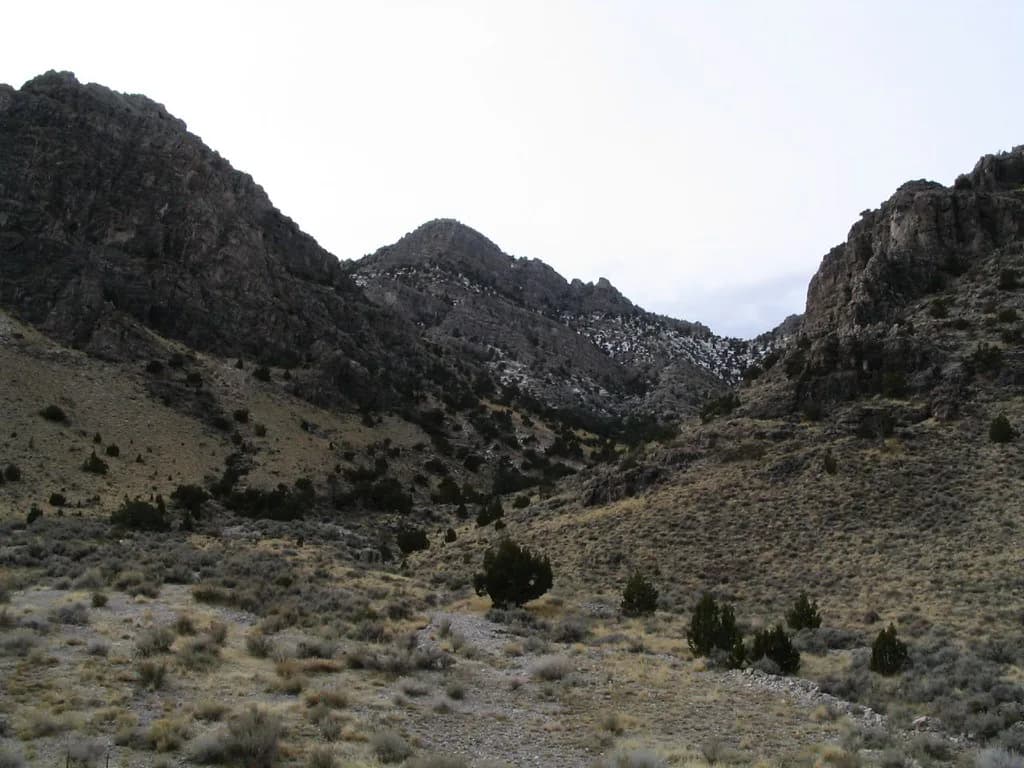
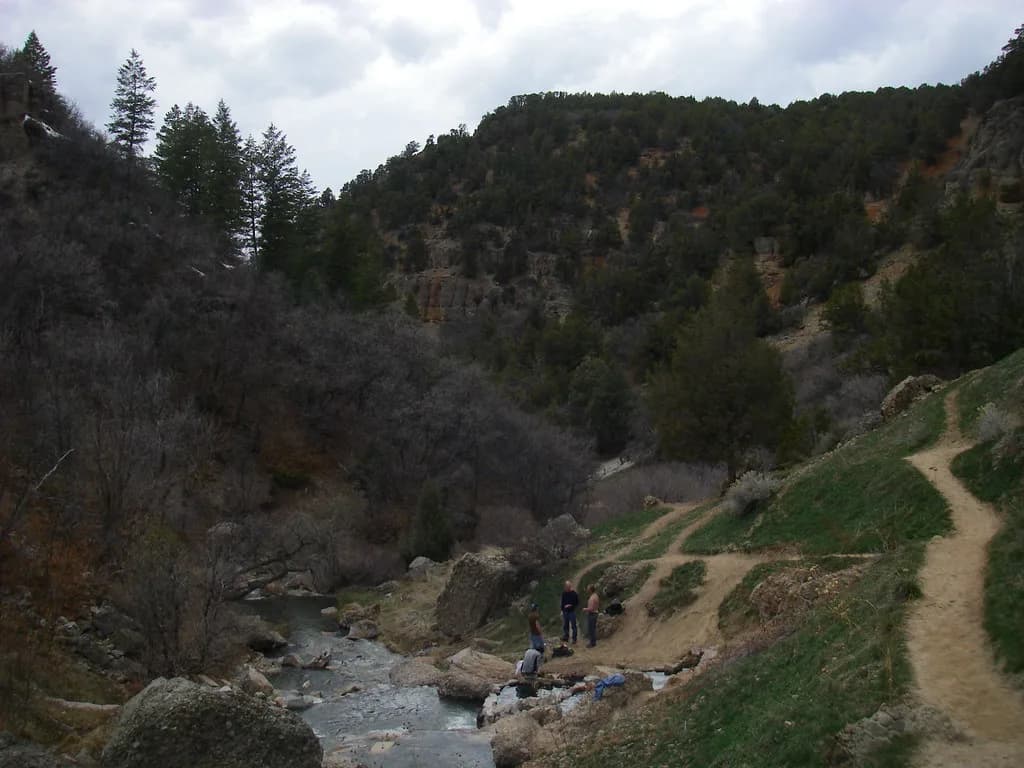
Southwestern Utah also has wilder soaking options for travelers who want to earn the water. These are typically reached by unpaved roads and short walks, with no facilities, no lifeguard, and no one regulating water temperature. The reward is quiet, open country, and a soak that feels nothing like a resort pool.
Primitive soaks have no facilities, no lifeguard, and no one regulating water temperature. Treat one as a half-day outing and carry more water than you think you need.
Treat a primitive soak as a half-day outing at minimum. Check road conditions before you leave pavement, carry more water than you think you need, and tell someone where you are going. Cell service thins out quickly beyond St. George, so download maps and directions in advance rather than relying on a live signal.
Fees, hours and reservations
Zion Canyon Hot Springs sells admission to the whole property, and recommends booking a visit in advance to guarantee entry. Rates and the current daily schedule are posted on the Zion Canyon Hot Springs booking pages, so check the date you plan to visit before you drive out. Buying ahead also saves you from finding a sold-out day at the gate.
Zion Canyon Hot Springs recommends booking a visit in advance to guarantee entry. Check the posted rates and daily schedule for your date before you drive out.
For primitive soaks, there is no gate and no schedule; your constraints are daylight, weather, and how well your vehicle handles dirt roads. Plan to arrive with enough light to find your way back out, and keep a headlamp in your pack in case the soak runs long.
Camping and lodging
St. George has the widest range of hotels, motels, and vacation rentals, and it keeps you close to restaurants and fuel. The La Verkin and Hurricane corridor puts you closer to the pools and to Zion's west entrance, which shortens your morning drive. Choose St. George for convenience and town amenities, or La Verkin and Hurricane for proximity to the water and the park.
Campers have options in and around the national and state parks, but popular campgrounds fill well ahead in spring and fall. Reserve as early as your plans allow, and treat a campsite as a base for day trips rather than a soaking destination in itself. For a backcountry night at a primitive soak, pack out everything you bring in and keep your camp well away from the water.
Best time of year to soak
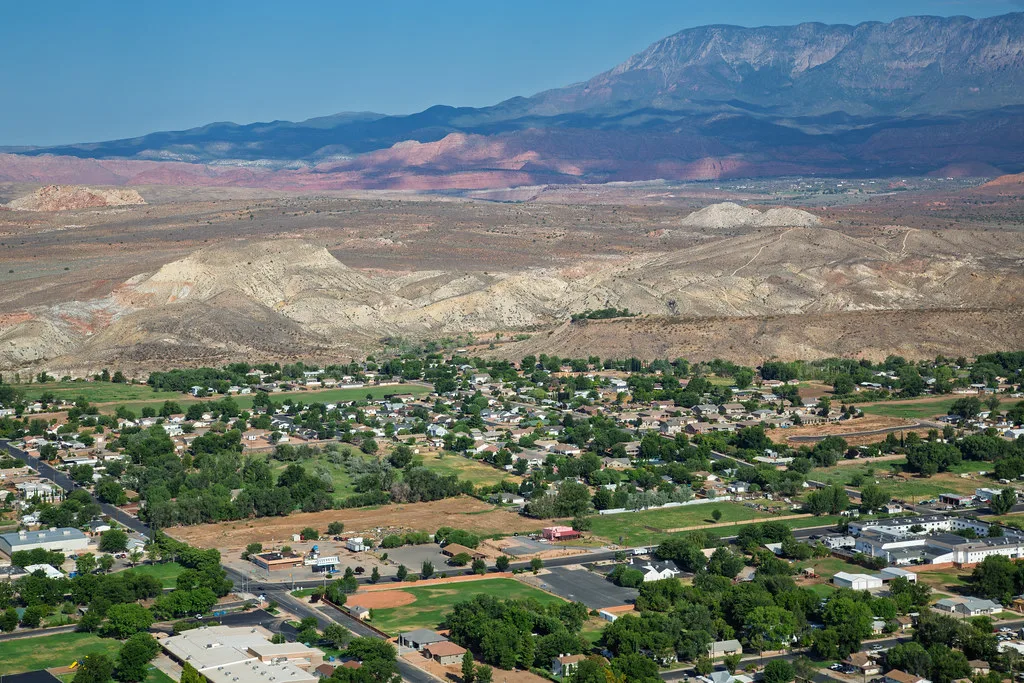
Spring and fall are the comfortable windows. Daytime temperatures are mild enough for hiking, and evening soaks feel good rather than punishing. These seasons are also the busiest, so book lodging early and start your days sooner if you want quiet pools.
Summer in St. George is genuinely hot, and midday soaks lose their appeal. Soak in the early morning or after the sun drops behind the ridges, and drink more water than you think you need. Winter brings cool nights and quiet trails, and a steaming pool outside on a cold evening is one of the better reasons to visit in the off-season.
Building a road trip
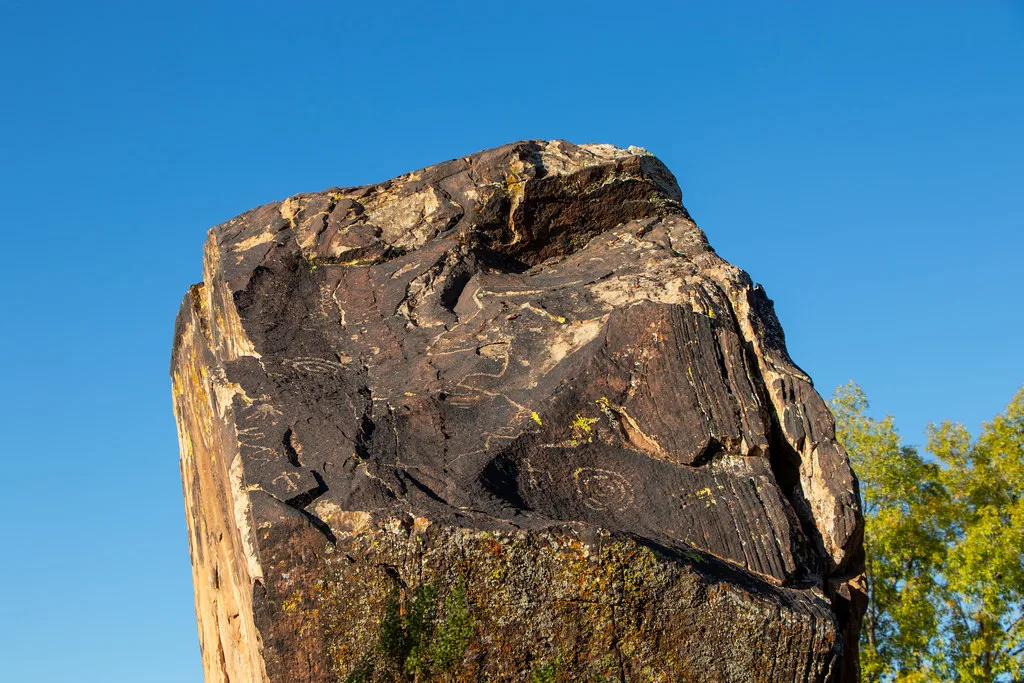
Use St. George as the first or last stop on a loop through southern Utah. Snow Canyon State Park is close to town and pairs easily with a morning hike and an afternoon soak. Zion is the bigger draw, and the developed pool near La Verkin sits conveniently between the park and the highway.
If you are extending the trip east, you can move toward Moab for a very different landscape of red rock and canyon country, where soaking options shift to smaller, locally run pools. The hot springs near Moab reward planning around long drives and remote trailheads, so give that leg its own day. Travelers heading north instead will find a completely different set of choices around Park City and the Wasatch Range.
What to pack and what to leave
At a developed pool complex, bring a swimsuit and a change of clothes, and plan to rent or buy whatever you forgot. Bring your own towel, as it is part of your kit. Leave glass, alcohol, and pets behind unless Zion Canyon Hot Springs' posted rules allow them, and follow the posted rules on age limits and pool conduct.
At a primitive soak, your kit is different: sturdy shoes for slick rock, extra drinking water, sun protection, a trash bag, and warm layers for the drive back. Move carefully near the source, where water can be scalding and the rock is often slippery. Keep your head above the water in untreated geothermal pools, and skip the soak if the water looks or smells off.
Leave No Trace at primitive springs
Wild soaks stay worth visiting only if visitors leave them clean. Pack out every bit of trash, including food scraps and wet wipes, and keep soap and sunscreen out of the water. Stay on established paths around the pool edges rather than trampling the surrounding vegetation, and leave the site looking as though you were never there.
Plan Your Soak
For most travelers based in St. George, the developed pools near La Verkin are the straightforward pick: a short drive, a range of temperatures, saunas and a cold plunge, and space for both families and adults. Build it into a Zion day and you get hiking and soaking out of one tank of gas.
If you want solitude, put in the extra planning for a desert soak, but go prepared with water, maps, and a firm turnaround time. Check current conditions with the land manager before you drive out, and check booking pages for the date you have in mind. For every soak in the state, start with our guide to Utah hot springs.
Frequently Asked Questions
Are there natural hot springs near St. George, Utah?
Southwestern Utah has both developed mineral pools and wilder desert soaks within driving range of St. George. The developed complex near La Verkin is the easiest to reach, while primitive options require longer drives and more planning.
How far is Zion Canyon Hot Springs from St. George?
The complex sits between La Verkin and Hurricane, about 20 miles from downtown St. George, which works out to roughly 24 minutes by car. It is about 30 minutes from Zion National Park.
What is the best hot spring near St. George for families?
Zion Canyon Hot Springs suits families best, with a dedicated family area alongside adults-only spaces and dozens of pools at varied temperatures. Children's policies are posted at the pools.
Do you need reservations for hot springs near St. George?
Booking ahead is recommended for guaranteed entry at the developed pools near La Verkin, and rates and availability appear on the booking pages. Primitive soaks have no gate, so your planning centers on daylight, weather, and road conditions.
What should I bring to a hot spring soak near St. George?
Bring a swimsuit, a towel, and a change of clothes for a developed pool, plus sun protection. For a primitive soak, add sturdy shoes, extra water, a trash bag, and warm layers for the drive back.
When is the best time of year to soak near St. George?
Spring and fall offer the mildest weather for combining hikes with soaks. Summer soaks are best early or after sunset, while winter brings quiet trails and cold nights that make a hot pool especially welcome.
Sources
Hot springs notes for your next road trip
Optional updates when we add or revise hot springs guides.
You might also like
Continue reading
More guides you'll find useful