Hot Springs Near Tucson: Arizona Soaks Within Reach
Tucson sits far from Arizona's best soaks. Compare a Lake Mead hike-in spring, BLM tubs near Safford, and an overnight-only desert resort.
On this page
Tucson makes a good base for a hot springs road trip because it puts you on Interstate 10 with the whole state ahead of you, not because soaking water rises inside the city limits. The three worthwhile targets in reach are wildly different: a strenuous canyon hike to free-flowing springs near the Colorado River, a drive-up pair of BLM tubs beside sand dunes outside Safford, and a luxury desert resort north of Phoenix that only overnight guests can use. Pick by how much effort and money you want to spend, then build the drive around that choice.
Distances here are long. The Lake Mead trailhead sits northwest of Tucson via Phoenix and U.S. 93, and Safford lies east of the city across the desert. Plan each spring as a full day of driving rather than a side stop, and treat an overnight near the water as part of the plan. The trade-off is real: the closest option to Tucson in drive time is the hike-in spring, which is also the one that demands the most fitness. If you are willing to cross a state line for a shorter approach, the Nevada hot springs sit within easy reach of the Hoover Dam corridor.
Why Tucson works as a base for a hot springs road trip
From Tucson you can reach both the western desert along the Colorado River and the high desert around Safford without crossing into another state. That geography makes a loop possible: run northwest to Lake Mead country, cut east across the state to the dunes, and return south through Phoenix. Fuel, groceries and hospital services are concentrated in the bigger towns along the way, so top off before the last stretch of each leg.
The springs themselves cluster around Phoenix and the western border, which is why a Tucson-based trip rewards planning rather than improvisation. Build in a night near each soak so you are not driving desert highways after dark on tired legs. Two nights per stop also lets you hit a trailhead at first light, when canyon shade and cooler air still exist.
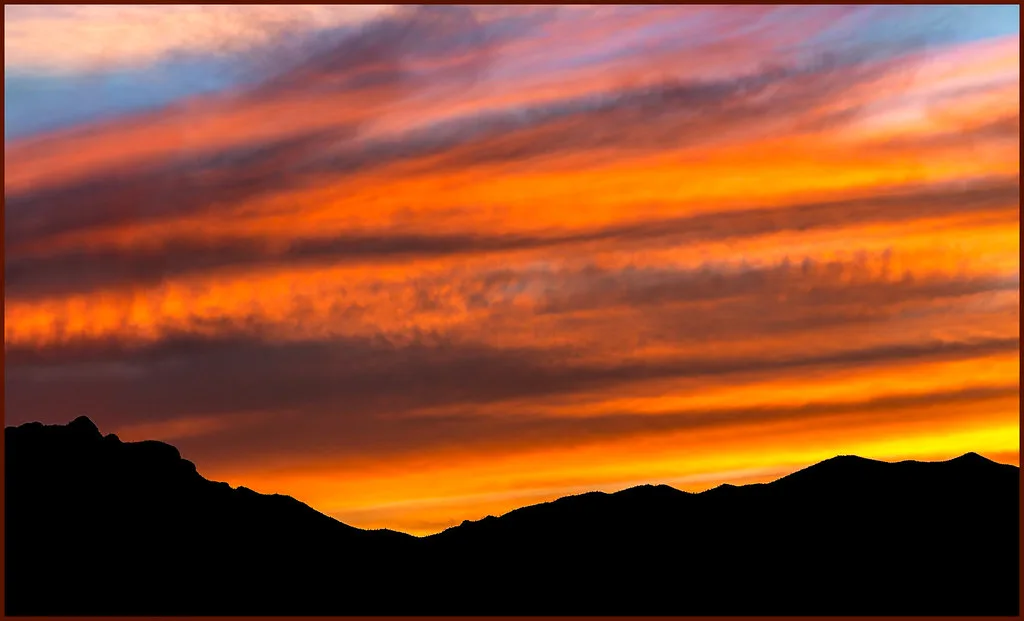
Arizona Hot Springs at Lake Mead: the strenuous hike and the hot water
The Arizona Hot Springs trail leaves from a shared trailhead just off U.S. 93 before mile post 4, south of Hoover Dam. It runs 5 miles out and back with 750 feet of elevation change over an unmaintained desert wash of soft sand, gravel and boulders, and the park service rates it strenuous. The loop version adds the White Rock Canyon trail, connected by a 20-foot ladder you climb down at your own risk, so decide before you go whether you want that exposure.
The loop version adds a 20-foot ladder you climb down at your own risk, so decide before you go whether you want that exposure.
The spring water here runs between 111 and 120 degrees Fahrenheit, which is hot enough that you should ease in and keep your head out of the water. Springs are free-flowing and altering them is not permitted, so do not stack rocks or sandbags to deepen a pool. Plan four to eight hours for the round trip and carry more water than you think you need, because nothing is available at the trailhead.
Access follows park rules rather than spring-specific ones. The trail sits inside Lake Mead National Recreation Area and is a fee area, so keep your park pass or proof of admission in the vehicle for rangers. Pets are allowed on a leash no longer than six feet, and the wash is a flash-flood channel: do not enter canyon sections when thunderstorms are building.
The park service closes certain strenuous trails in this corridor from May 15 through September 30 each year because of dangerous heat, and adds temporary closures when temperatures are forecast to hit 95 degrees at Willow Beach or when flash floods are possible. The springs remain reachable by water on Lake Mohave during that window. For a road trip from Tucson, that makes late fall through early spring the sane slot for the hike.
There is no camping at the trailhead, so most hikers base themselves in Boulder City or Henderson and drive out early. Pit toilets sit along the Colorado River about 200 yards downstream of the springs. If you want a second soak in the same region, look at the developed pools around the Phoenix side of the state on the way home.
Hot Well Dunes near Safford: two solar-filled tubs and a dune camp
Hot Well Dunes Recreation Area sits about 35 miles from Safford, the nearest town with full services including a hospital. The BLM approach via Haekel Road runs seven miles east of town on U.S. 70 and then 25 miles south on gravel; the road is generally passable for all vehicle types but can turn rough, so allow extra time and slow down. Two alternative approaches come in from Bowie and from Tanque Road off U.S. 191 near milepost 105.
The tubs typically fill about an hour after sunrise and stay usable until roughly an hour before sunset. Heavy overcast cuts the fill, so a gray morning can leave you waiting.
The water comes from an artesian well drillers struck in 1928 while hunting oil, and it arrives at the tubs at 106 degrees Fahrenheit, fed by a solar pump. That pump means the tubs typically fill about an hour after sunrise and are usable until roughly an hour before sunset; the pump shuts off overnight and each tub drains. Heavy overcast cuts the fill, so a gray morning can leave you waiting.
Recreation use fees of $3 per vehicle are collected at the site, and vehicles in tow do not need a separate permit or fee. An annual pass costs $30 from the Safford Field Office, which is worth it if you plan repeat visits. The money goes back into roads, campsites, restrooms and the tubs themselves.
Camping is allowed in developed sites with a picnic table and fire ring, or in any undeveloped spot outside parking areas and the railed zones around the tubs and wildlife ponds. Stays are capped at 14 days within a 28-day period. Expect vault toilets and no drinking water, electricity or phone service, and bring your own firewood because very little is available on site.
Rules at the tubs are posted and specific: public nudity, including in the hot tubs, is not allowed; pets must be leashed or physically restrained at all times; and dumping gray water or sewage is prohibited. Off-road vehicles need a bright orange or red safety flag at least 6 by 12 inches mounted eight feet high, and speed is capped at 10 mph near the access road and campsites. Because the site is shared with dune riders, the tubs are calmest on weekdays and outside holiday weekends.
Most use falls in fall, winter and spring, when temperatures are pleasant and OHV traffic is heaviest on weekends. Summers are extremely hot, and the solar-fed tubs are least reliable under cloud. The BLM has scheduled facility and road work in the recreation area from June 2026 to January 2027, with signs posted ahead of work periods, so expect possible impacts to trash service, vault toilets and developed campsites while the site stays open.
Castle Hot Springs near Morristown: overnight guests only
Castle Hot Springs sits in a valley of the Bradshaw Mountains roughly 45 minutes north of Phoenix, at the end of about seven miles of unpaved road off Interstate 17. The mineral pools are reserved for registered overnight guests, so this is not a day-soak stop and you cannot drop in for an hour. The property reopened in 2019 as an all-inclusive, adults-only resort with a maximum of 60 guests a night and a two-night minimum, and it runs seasonally from September through June.
Rooms range from sky-view cabins to spring bungalows with private outdoor tubs plumbed with mineral water, and meals, many activities and spring access are bundled into the rate. The natural springs area has lounge chairs and a changing room, and the traditional spa is a set of private cabanas rather than a large building. Guests typically drive in or arrive by helicopter; there is no public access to the grounds.
Because the resort is all-inclusive and priced by the night, budget for a stay rather than a soak, and book directly with the property or through a travel adviser. Confirm the current season, minimum-night requirement and what your rate includes before committing, since those terms change. The restaurant sources much of its produce from an on-site farm, which is part of the appeal for guests staying two nights or more.
For a Tucson-based trip, Castle Hot Springs works as a splurge night on the Phoenix leg rather than a substitute for a public soak. Guests who want the reverse experience, a rustic tub site, should look at the historic roadside springs west of the city.
How the springs compare: hike-in, drive-up or resort
Sort the three by what they demand. Arizona Hot Springs asks for a strenuous 5-mile round trip, a 750-foot elevation change and, on the loop, a ladder descent; it is the choice for hikers who want wild water in a volcanic canyon. Hot Well Dunes asks only for a rough gravel drive and a vehicle fee; it suits campers, dune riders and anyone who wants a tub without a trail. Castle Hot Springs asks for money and a booking; it suits travelers who want a bed, meals and quiet rather than a public pool.
| Spring | Type | Access | Water temperature |
|---|---|---|---|
| Arizona Hot Springs | Free-flowing hike-in spring at Lake Mead | 5 miles out and back with 750 feet of elevation change | 111 to 120°F |
| Hot Well Dunes | BLM tubs beside sand dunes near Safford | About 35 miles from Safford, with 25 miles of gravel road | 106°F |
| Castle Hot Springs | Resort pools for registered overnight guests | About 45 minutes north of Phoenix | — |
Temperature separates them too. The Lake Mead spring runs 111 to 120 degrees and is free-flowing, so it demands short soaks and care near the source; the BLM tubs sit at 106 and cool as they fill, which makes them forgiving for longer sits. Castle Hot Springs keeps its pools for guests, so crowds stay low. None of these are swimming pools, and submerging your head in untreated geothermal water is not something to do.
Crowding follows access. Hot Well Dunes draws OHV riders, especially on holiday weekends, and the tubs share space with them; Lake Mead's trail pulls hikers and river runners in cool months and closes in the hot ones. The resort caps its own numbers. If quiet is the goal, pick weekdays and the shoulder seasons, and arrive at trailheads early.
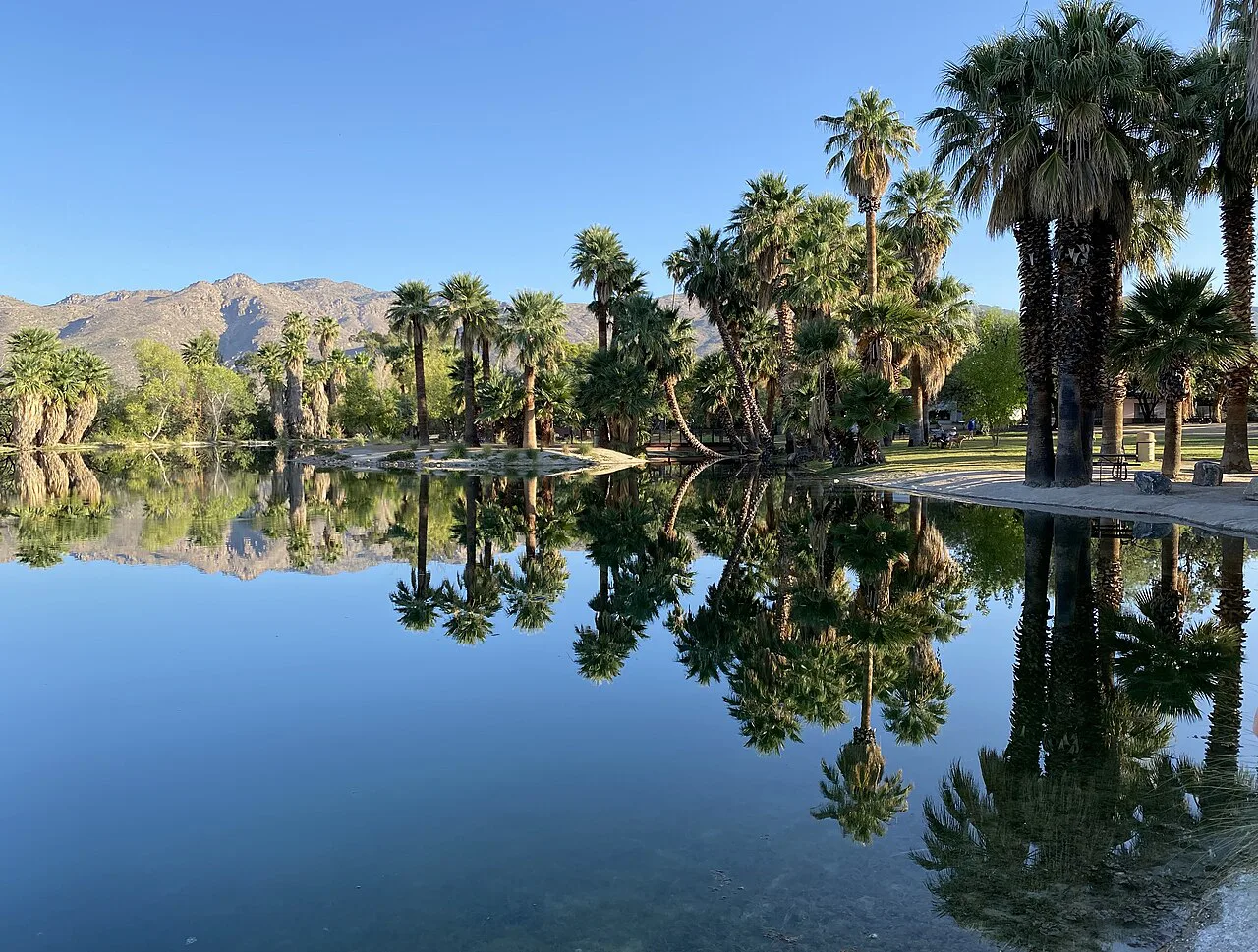
Drive times and routing from Tucson
Route the Lake Mead leg northwest via Phoenix and U.S. 93, aiming for the trailhead south of Hoover Dam before mile post 4. It is a long day behind the wheel from Tucson, so break the drive in the Phoenix area and hike the next morning. A pre-dawn start also gets you into the canyon before the heat builds, which matters on a strenuous route with no water at the trailhead.
For Hot Well Dunes, drive east from Tucson to Safford and then follow U.S. 70 seven miles east to Haekel Road, turning south for the 25-mile gravel run. Because the last stretch is slow, plan to arrive with daylight left and camp rather than drive back out the same evening. Fuel and groceries in Safford are your last easy stop.
Castle Hot Springs fits naturally between the two on a loop: north from Phoenix on Interstate 17, then the unpaved approach off the highway. Do not plan to arrive unannounced, because entry is limited to registered guests. A sensible multi-day shape is Phoenix, the resort night, then east toward Safford and the dunes before returning south.
When to go: heat, closures and crowds
Winter and spring are the reliable windows across all three stops. Lake Mead country closes some strenuous trails from mid-May to the end of September and adds heat closures above 95 degrees, while Hot Well Dunes sees its heaviest OHV traffic and its most pleasant temperatures in fall, winter and spring. Summer is a poor fit everywhere except the resort, which runs a seasonal calendar of its own.
Cloud cover changes the plan at the dunes, where the solar pump governs how much water reaches the tubs. A clear, sunny day is what fills them; a heavily overcast morning can leave them low well into the day. Schedule Hot Well Dunes for the middle of a fair-weather stretch, and keep your soaking window between mid-morning and late afternoon.
For the hike, watch the forecast as well as the temperature. Flash floods are the real hazard in the wash and canyon sections, and the park service closes the route temporarily when floods are possible. Build a spare day into the itinerary so a stormy forecast does not sink the whole trip.
Camping and lodging near each spring
Near Lake Mead, base yourself in Boulder City or Henderson and drive to the trailhead; camping at the trailhead is not an option. Near Safford, the BLM campground at Hot Well Dunes itself is the point, with developed sites and undeveloped spots and a 14-day stay limit in any 28-day period. Bring everything you need, including water, since the site has no drinking water, electricity or phones.
For Castle Hot Springs, the accommodation is the stay; there is no separate lodging at the property for non-guests. If you want a Phoenix-area base instead, chain hotels and resorts along Interstate 17 give you an easy launch point for the drive north. Book well ahead for the cooler months, when desert travel peaks.
Combining springs on a multi-day loop
A workable five-day loop from Tucson runs northwest to Lake Mead for the hike, east and south to Phoenix for a night, then east to Safford and the dunes for a camp, and home via Interstate 10. That order puts the hardest physical day first, when you are freshest, and ends with the easiest soak. Add a resort night in the Phoenix area if the budget allows, and keep one flex day for weather.
If you would rather stay in the northern part of the state, shift the loop toward Sedona and the Verde Valley, where cooler elevations make summer soaking more tolerable. That version trades the Lake Mead hike for shorter drives and more spring options per day. The red-rock country also gives you a natural second base between Phoenix and Flagstaff.
Packing and safety for desert soaks
Pack for dry heat and cold nights: layers, a wide-brim hat, sunglasses, sunscreen, more water than you think you need, and a first-aid kit. For the Lake Mead hike, add sturdy shoes for soft sand and boulders and a headlamp in case the descent runs late. For the dunes, bring your own firewood, a shade structure and enough food for the whole stay.
Treat the water as hot and the rock as slippery. At Lake Mead the spring source reaches 120 degrees, so enter slowly and stay out of the source flow; at Hot Well Dunes the 106-degree tubs are still hot enough that young children need close supervision. Keep your head above water in untreated geothermal pools, drink water between soaks, and be careful with alcohol near hot water.
Two habits cover most of the risk: leave an itinerary with someone at home, and carry a paper map where cell service drops. The dunes have no phone service, and canyon walls block signal on the Lake Mead hike. Conditions can shift quickly, so it is worth checking ahead with the Safford Field Office or the National Park Service before you commit, especially around the scheduled construction window at Hot Well Dunes.
Leave No Trace at the primitive springs
At the hike-in spring, pack out all trash and human waste; pit toilets sit along the river, about 200 yards downstream of the springs, and that is your option in the canyon. Do not build or alter pools, move rocks or stack sandbags, since the water is meant to flow as it does. Keep groups small, give other soakers room, and leave the site looking as you found it.
Plan Your Visit
Treat Tucson as the launch point rather than the destination. Choose the Lake Mead hike if you want wild water and are fit enough for a strenuous 5-mile round trip, the Hot Well Dunes tubs if you want a cheap camp-and-soak base with your vehicle, or Castle Hot Springs if you would rather book a quiet night and let someone else handle the details.
Book the resort night first, build the drive legs around it, and keep the shoulder seasons in mind for any plan. Then check current conditions with the land manager before you leave, pack more water than feels necessary, and give yourself a spare day so weather does not decide the trip for you. For every soak in the state, start with our guide to Arizona hot springs.
Frequently Asked Questions
Are there natural hot springs near Tucson?
Not inside the city. The realistic targets are a strenuous hike-in spring at Lake Mead National Recreation Area northwest of Phoenix, the two BLM tubs beside the dunes at Hot Well Dunes outside Safford, and the overnight-only pools at Castle Hot Springs north of Phoenix. Each takes a serious drive from Tucson, so plan an overnight near the water rather than a same-day return.
What is the closest hot spring to Tucson?
By drive time, the Lake Mead country spring is the most direct run, northwest via Phoenix and U.S. 93 to a shared trailhead just off the highway south of Hoover Dam. It is also the most physically demanding of the three, with 750 feet of elevation change over an unmaintained desert wash. Safford and the dunes sit the other direction, east across the desert.
Do you need a reservation for Castle Hot Springs?
Yes. The mineral pools are reserved for registered overnight guests, so you cannot drop in for a day soak. Book directly with the property or through a travel adviser, and confirm the current season, minimum-night requirement and what the all-inclusive rate covers before you commit, since those terms change.
How hard is the Arizona Hot Springs hike?
The park service rates it strenuous: about 5 miles out and back with 750 feet of elevation change through soft sand, gravel and boulders, and a 20-foot ladder on the loop route down into White Rock Canyon. Plan four to eight hours and carry all your water, because there is none at the trailhead. Do not enter the canyon sections when thunderstorms are building.
Can you camp at Hot Well Dunes?
Yes. You can camp in developed sites with a picnic table and fire ring, or pick an undeveloped spot outside the parking areas and the railed zones around the tubs. Stays are limited to 14 days within a 28-day period, and there is no drinking water, electricity or phone service, so bring your own water and firewood.
Sources
- Hot Well Dunes Recreation Area - Arizona | Bureau of Land Management
- Hike the Arizona Hot Springs Trail (U.S. National Park Service)
- Castle Hot Springs review: What it’s like staying at one of the most exclusive resorts in Arizona - The Points Guy
- Book Castle Hot Springs Arizona With VIP Benefits & Perks
Hot springs notes for your next road trip
Optional updates when we add or revise hot springs guides.
You might also like
Continue reading
More guides you'll find useful