Hot Springs Near Sedona: The Soaks Worth the Drive
Sedona has no hot springs of its own. Compare the soaks within reach, from an adults-only resort to a free-flowing canyon spring on the Colorado River.
On this page
Sedona is red rock, trailheads and a busy town, and none of that includes a soakable spring. The closest true hot springs sit west toward Phoenix and the Bradshaw Mountains, or far northwest in Lake Mead National Recreation Area, so this is a decision about drive time, money and how much hiking you want. For a full map of what the state offers, browse the guide to hot springs in arizona and then pick the model that fits your trip. If you are weighing a longer road trip instead, compare these with the hot springs in New Mexico, where the same choice between resort soaks and free backcountry pools plays out.
Three options cover most plans: a historic adults-only resort, a strenuous canyon hike to a free-flowing spring, and a pair of drive-up tubs in the sand dunes outside Safford. Each rewards a different kind of traveler, and mixing two into one road trip is the reason to keep Sedona as your base rather than your destination soak.
Why Sedona Itself Has No Soakable Hot Springs
Geothermal water in central Arizona surfaces where faults and fractures let deep groundwater rise, and the known soaks cluster well away from the Sedona basin. That means no pool, tub or riverside seep in town, and no short walk from a Sedona trailhead to warm water. Plan a day trip or an overnight rather than an afternoon detour.
The geography also sets the driving logic. Castle Hot Springs sits in a valley of the Bradshaw Mountains to the southwest, Arizona Hot Springs lies along the Colorado River below Hoover Dam, and Hot Well Dunes spreads across dunes east of Safford. Verde Hot Springs, on the Verde River, is the closest backcountry option and is reached by a rough forest-road drive. Build your itinerary around one of these, not around a fictional Sedona soak.
Castle Hot Springs: The Closest True Hot Springs
Castle Hot Springs is a restored historic resort on private land in the Bradshaw Mountains, and the mineral water is piped to pools and private tubs reserved for registered overnight guests. The property reopened in 2019 after a long closure that followed a 1976 fire in its main guest building. The resort caps the guest count at 60 per night, requires a two-night minimum stay, and admits adults only.
Getting there is part of the experience. The resort sits about 20 miles off Interstate 17, roughly an hour northwest of Phoenix Sky Harbor International Airport, and the final approach runs about seven miles of unpaved road. The property is open seasonally from September through June, so a summer Sedona trip will not include a soak here.
The swimming area has lounge chairs and a changing room, and Castle Hot Springs runs a rotating slate of included activities such as yoga, farm tours and guided hikes, with some add-ons charged separately. Spring Bungalows come with private outdoor soaking tubs fed from the spring, while Sky View Cabins trade that for elevated stargazing decks. Check current rates and dates with Castle Hot Springs when planning your stay, and ask about your room's bathing setup if a private tub matters to you.
What a Castle Hot Springs Stay Costs and How Booking Works
Rates are all-inclusive, covering all meals, snacks, soft drinks, included activities and gratuities, with a daily beverage credit per guest that can go toward alcohol. Rates start around $1,650 per room per night based on double occupancy, and spa treatments and premium activities such as the Via Ferrata and guided canyon hikes cost extra. Prices move with the season, so treat that figure as a starting point and request a current quote.
Book directly with the resort or through a travel adviser network, and plan on the two-night minimum. Because the property is all-inclusive and remote, there is no day-use soak to bolt onto a Sedona afternoon: the springs come with a room. For travelers who want water without a resort bill, skip ahead to the canyon and dune options.
Arizona Hot Springs in Lake Mead: The Free-Flowing Canyon Soak
Arizona Hot Springs sits in a volcanic canyon in Lake Mead National Recreation Area, where geothermal water rises through faults and fractures and discharges at an estimated 30 to 50 gallons per minute before flowing toward the Colorado River. The spring water ranges from 111 to 120 degrees Fahrenheit, which is hotter than most people expect from a canyon soak. The springs are free-flowing, and blocking the flow with sandbags or other materials to build pools is prohibited.
This is a hike-in soak, not a drive-up one. The trail is unmaintained and runs through a normally dry wash of soft sand, gravel, rocks and boulders, with steep grades and rock ledges to climb down. The park rates it strenuous. Pit toilets sit 200 yards downstream along the river, and there is no drinking water at the trailhead.
The Hike to Arizona Hot Springs
Plan on 5 miles out and back, or 5.69 miles if you combine the hot springs trail with the White Rock Canyon loop, and 750 feet of elevation change. The park estimates four to eight hours for the round trip. The trailhead parking sits just off U.S. Highway 93 before milepost 4, south of Hoover Dam.
The loop option includes a 20-foot ladder down to the White Rock Canyon trail, which you climb at your own risk and which makes the route a poor choice for anyone uneasy with exposure. Travelers without that comfort level should treat the out-and-back as the goal. There is a fee to enter the park, so keep your pass or proof of admission in the vehicle for rangers to inspect.
Seasonal Closures and Heat Rules
The park closes the strenuous trails in this area annually from May 15 through September 30 to protect hikers and first responders from extreme heat. Outside that window, temporary closures can be called when the forecast at Willow Beach reaches 95 degrees Fahrenheit or higher, or when flash floods are possible. The hot springs themselves stay open and reachable by water on Lake Mohave.
From mid-May to the end of September, plan on the dune tubs or a resort stay instead of the canyon hike.
That closure reshapes a summer Sedona trip: from mid-May to the end of September, plan on the dune tubs or a resort stay instead of the canyon hike. In a monsoon forecast, stay out of the wash and canyon entirely. Winter, spring and fall are the seasons the park lists for this route.
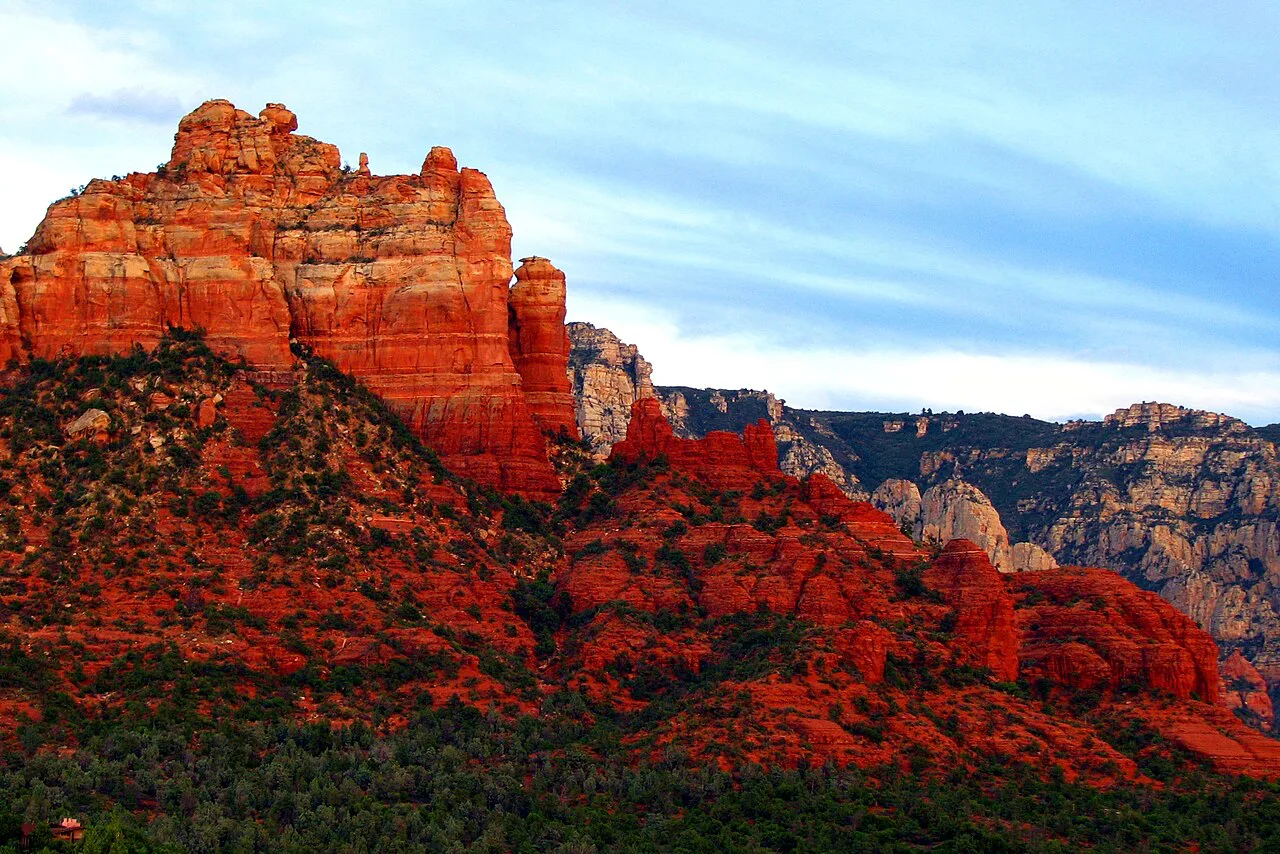
Hot Well Dunes: Two BLM Hot Tubs in the Sand Dunes
Hot Well Dunes Recreation Area spreads 2,000 acres of rolling sand across BLM land about 35 miles from Safford, the nearest town with full services including a hospital. The sands were a lake beach roughly two million years ago. Hot water arrived by accident in 1928, when drillers hunting oil broke into a pocket at 1,920 feet.
The layout is simple: two hot tubs, ten tent and RV units with picnic tables and fire rings, fire grills and vault toilets. Dispersed camping is allowed outside parking areas and the railed zones around the tubs and wildlife ponds. General vehicles can reach the area, but the road gets rough, so drive slowly.
Hot Well Dunes Fees, Camping, and the Solar Pump Window
Recreation use fees of $3 per vehicle are collected at the site, and vehicles in tow do not need a separate permit. An annual pass costs $30 from the Safford Field Office. Camping is limited to 14 days within a 28-day period.
The artesian well, now aided by a solar pump, produces water that reaches 106 degrees Fahrenheit. The pump runs from about an hour after sunrise to an hour before sunset, the tubs are typically full within that window, and each one drains overnight. Overcast skies can reduce how much water the tubs receive, so a cloudy morning may mean a slow fill.
The site has no drinking water, electricity or phones, so haul in water and bring your own firewood, since very little is available on site. BLM has scheduled work from June 2026 through January 2027 that relocates the hot tubs and upgrades campsites and roads; the area stays open, but trash receptacles, vault toilets and developed campsites may be affected. Plan to pack out trash and stay clear of active construction.
Fall, winter and spring bring pleasant temperatures and the heaviest use, especially weekends and holiday weekends. Summers are extremely hot. To reach the dunes, take Highway 70 east from Safford for seven miles, turn south on BLM's Haekel Road, and continue 25 miles.
Verde Hot Springs: A Backcountry Soak at a Burned Resort
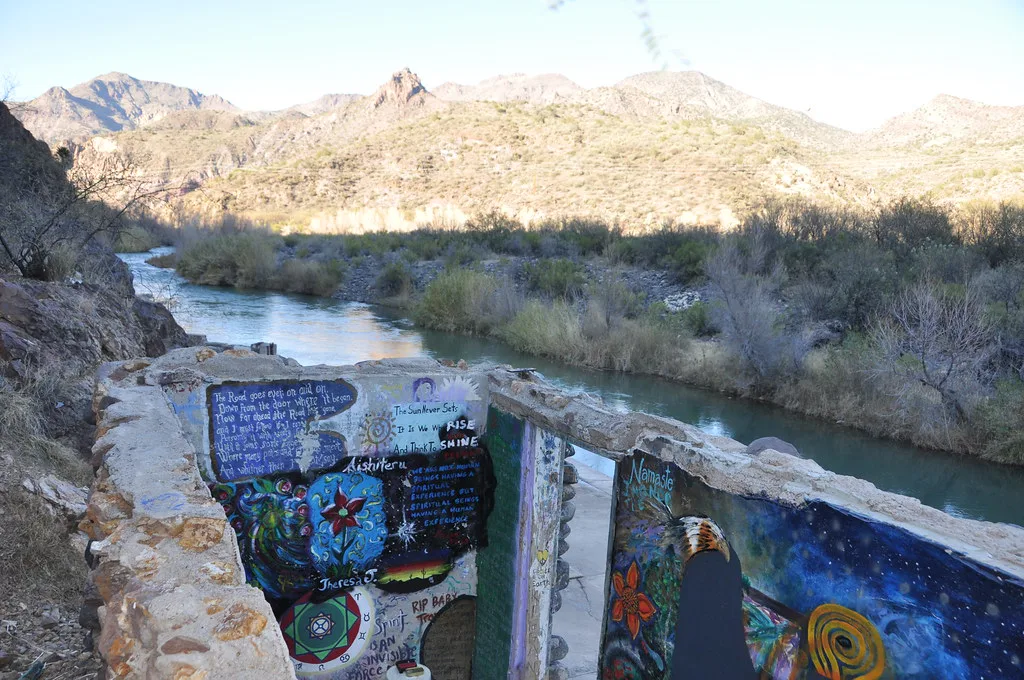
Verde Hot Springs is a backcountry soak on the Verde River at the site of an old resort that burned in the early 1960s, with the remains still standing near the water. People came out here to soak in the middle of nowhere, and that description still fits. Treat it as a rough-road adventure rather than a developed pool.
Because the site is primitive and the access roads are unpaved, bring everything you need and expect no facilities. The nearest practical comparison for trip planning is the canyon hike at Arizona Hot Springs, which is similarly unmaintained. Check road conditions with the managing forest before committing a low-clearance vehicle.
Pairing Soaks Into a Road Trip From Sedona
A sensible loop runs Sedona to Castle Hot Springs for an overnight, then south and west toward Hoover Dam and the Arizona Hot Springs trailhead off U.S. Highway 93. That pairs an indulgent night with a strenuous canyon day, which suits travelers who want both. A separate eastern trip heads for Safford and Hot Well Dunes, where the tubs and campsites make a self-contained weekend.
If you have room for a fourth stop, El Dorado Hot Springs sits west of Phoenix and works as a break on the drive between the Bradshaw Mountains and the Colorado River. If your route runs south instead, a hot spring tucson itinerary makes a different trip entirely. Group stops by drive time rather than by reputation, and you will spend more of the trip in the water.
What to Bring and How to Soak
For the canyon hike, carry more water than you think you need, wear shoes with grip for slick rock and loose gravel, and bring a hat for the exposed wash. For Hot Well Dunes, pack drinking water, firewood, trash bags and sun protection, and plan around the solar pump so your soak falls inside the daylight window. A towel, sandals and a dry layer cover all three.
Water at Hot Well Dunes and Arizona Hot Springs is hot enough that children and people with heart conditions or high blood pressure should take care.
The 106-degree tubs at Hot Well Dunes and the 111-to-120-degree water at Arizona Hot Springs are hot enough that children and people with heart conditions or high blood pressure should take care; the park and BLM both post advisories, and the BLM suggests consulting a doctor first. Keep your head above water in untreated geothermal springs, and follow posted rules on alcohol and conduct. Public nudity is prohibited at Hot Well Dunes, and pets must be leashed or physically restrained.
Leave No Trace at Primitive Springs
At Arizona Hot Springs, pack out all trash and human waste; the park provides pit toilets 200 yards downstream along the Colorado River for the latter. Do not stack rocks or sandbags to dam the flow and enlarge pools. At Verde Hot Springs, the same pack-it-out approach keeps a fragile roadside site usable.
Plan Your Visit
Pick your soak by access model: Castle Hot Springs for an all-inclusive adults-only stay in the Bradshaw Mountains, Arizona Hot Springs for a strenuous canyon hike with a park fee, Hot Well Dunes for drive-up tubs and cheap camping near Safford. Verde Hot Springs fills the backcountry slot if you want ruins and a rough road. Conditions on all four change with weather and construction, so check the latest with the BLM Safford Field Office or Lake Mead National Recreation Area before you drive.
| Spring | Soak style | Access |
|---|---|---|
| Castle Hot Springs | Restored resort for registered overnight guests | About 20 miles off Interstate 17, two-night minimum |
| Arizona Hot Springs | Free-flowing canyon soak | 5 miles out and back on a strenuous hike |
| Hot Well Dunes | Two BLM hot tubs in the sand dunes | About 35 miles from Safford |
| Verde Hot Springs | Backcountry soak beside an old resort ruin | Rough, unpaved forest roads |
Book resort nights well ahead, plan around the May 15 to September 30 trail closure, and time your Hot Well Dunes soak to the daylight pump window. With those three decisions made, the drive from Sedona becomes the easy part.
Frequently Asked Questions
Are there any hot springs near Sedona, Arizona?
Not in Sedona itself. The nearest true hot springs are Castle Hot Springs in the Bradshaw Mountains, reached by an unpaved road and open to registered overnight guests, plus the hike-in Arizona Hot Springs in Lake Mead National Recreation Area and the drive-up tubs at Hot Well Dunes near Safford. Verde Hot Springs is the closest primitive soak.
Do you have to stay overnight at Castle Hot Springs?
Yes. The resort reserves its pools and private tubs for registered guests, requires a two-night minimum stay, and admits adults only. It operates seasonally from September through June and sits at the end of roughly seven miles of unpaved road off Interstate 17.
How hard is the hike to Arizona Hot Springs?
The park rates it strenuous: about 5 miles out and back, or 5.69 miles on the loop with White Rock Canyon, with 750 feet of elevation change and some steep scrambling through a sandy, rocky wash. The loop adds a 20-foot ladder down to the canyon trail, and the park estimates four to eight hours round trip.
Is the Arizona Hot Springs trail closed in summer?
The park closes the strenuous trails in that area every year from May 15 through September 30 because of extreme heat. Outside that window, temporary closures can be called when the Willow Beach forecast reaches 95 degrees Fahrenheit or flash floods are possible. The springs stay reachable by water on Lake Mohave.
What does it cost to soak at Hot Well Dunes?
The BLM collects a recreation use fee per vehicle at the site, and an annual pass is available from the Safford Field Office. Vehicles in tow do not need a separate permit. The fee pays for access roads, campsites, restrooms, hot tubs, picnic areas and parking.
Can you camp at Hot Well Dunes?
Yes. There are ten tent and RV units with picnic tables and fire rings, plus dispersed camping away from parking areas and the railed zones around the tubs and ponds. Camping is limited to 14 days within a 28-day period, and the site has no drinking water, electricity or phones.
What should I bring to a hot spring?
Carry more drinking water than you expect to need, grippy shoes for slick rock and gravel, sun protection and a towel. At Hot Well Dunes you also want firewood, trash bags and a plan that puts your soak inside the daylight solar pump window; at canyon springs, pack out everything you bring in.
What is the best time of year for a hot spring trip from Sedona?
Fall, winter and spring are the comfortable months: Lake Mead's canyon trails are open and the dune tubs sit in pleasant temperatures. Summer heat closes the Arizona Hot Springs trails and makes Hot Well Dunes extremely hot, so shift to a resort stay or plan around water access in that season.
Sources
Hot springs notes for your next road trip
Optional updates when we add or revise hot springs guides.
You might also like
Continue reading
More guides you'll find useful