
Verde Hot Springs, Arizona: Hike-In Soak Guide
Verde Hot Springs in Arizona takes a dirt-road drive, a short hike and a river crossing to reach two soak pools above the Verde River. Here is the plan.
On this page
Verde Hot Springs earns its reputation the hard way: a long dirt-road drive, a walk on an old road, a scramble down an embankment and a cold river crossing stand between you and two soak pools above the Verde River. That effort is the appeal for hikers who want the trek to be part of the trip rather than a parking-lot preamble, and it keeps the reward feeling earned.
This guide lays out the sequence of the day in the order you will actually do it, separates the two pools by character so you know where to settle, and points you toward camping and a road trip through the Camp Verde–Payson corridor. It suits confident walkers with river-crossing gear and a tolerance for rough roads.
Where Verde Hot Springs sits
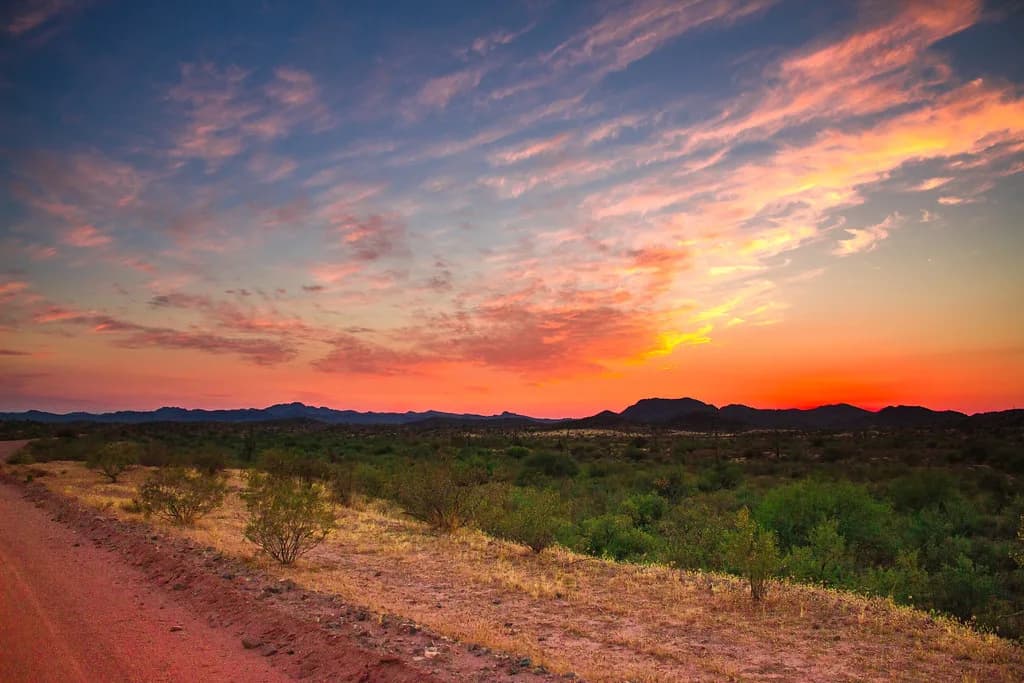
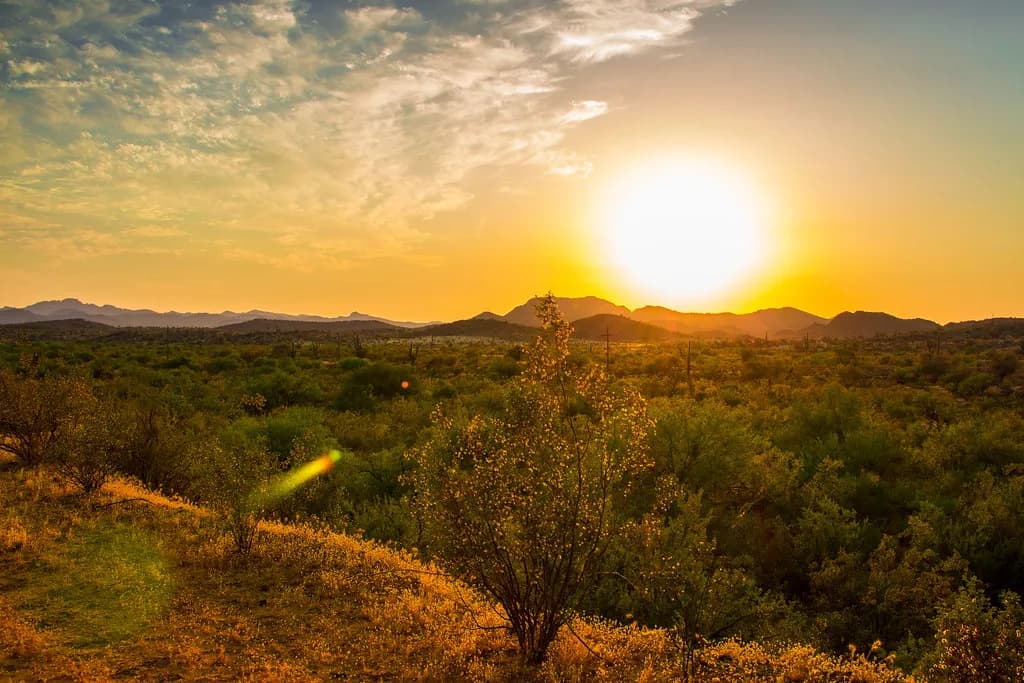
The springs lie in Yavapai County, Arizona, on the Verde River downstream of Camp Verde and inside Tonto National Forest. The surrounding terrain is the river corridor itself: a canyon wall on one side, open woodland on the slopes, and the verde running between them.
Because the pools sit inside national forest land, plan around land-manager rules rather than a commercial resort schedule. If you are mapping a wider loop of hot springs in arizona, this one is the adventurous end of the spectrum rather than the drive-up end.
Getting there
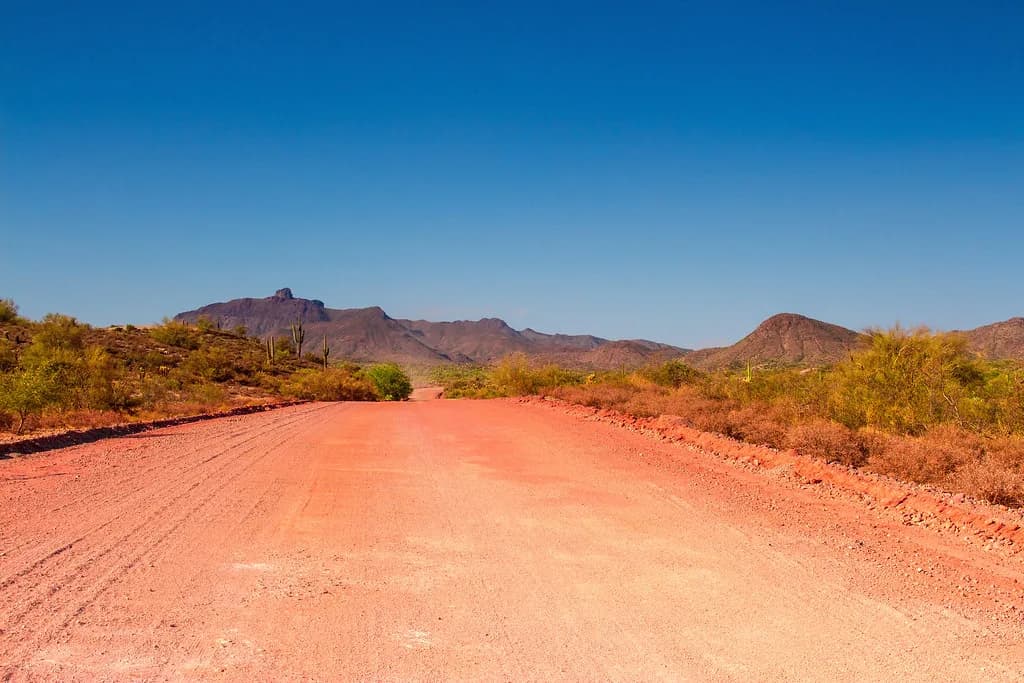
Reaching Verde Hot Springs takes three stages in order: a long drive on dirt road, a short hike on an old road, and a descent down an embankment to the river. Budget time for the road itself, because the slow, washboard surface is a bigger part of the day than the mileage suggests.
The walking section is modest. The out-and-back route to the springs runs about 2.5 miles, roughly 4 kilometers, with a gentle elevation gain that makes it a low-gradient walk rather than a climb. Komoot rates it an easy hike of around an hour and four minutes of walking time, which leaves the road drive and the crossing as the real variables.
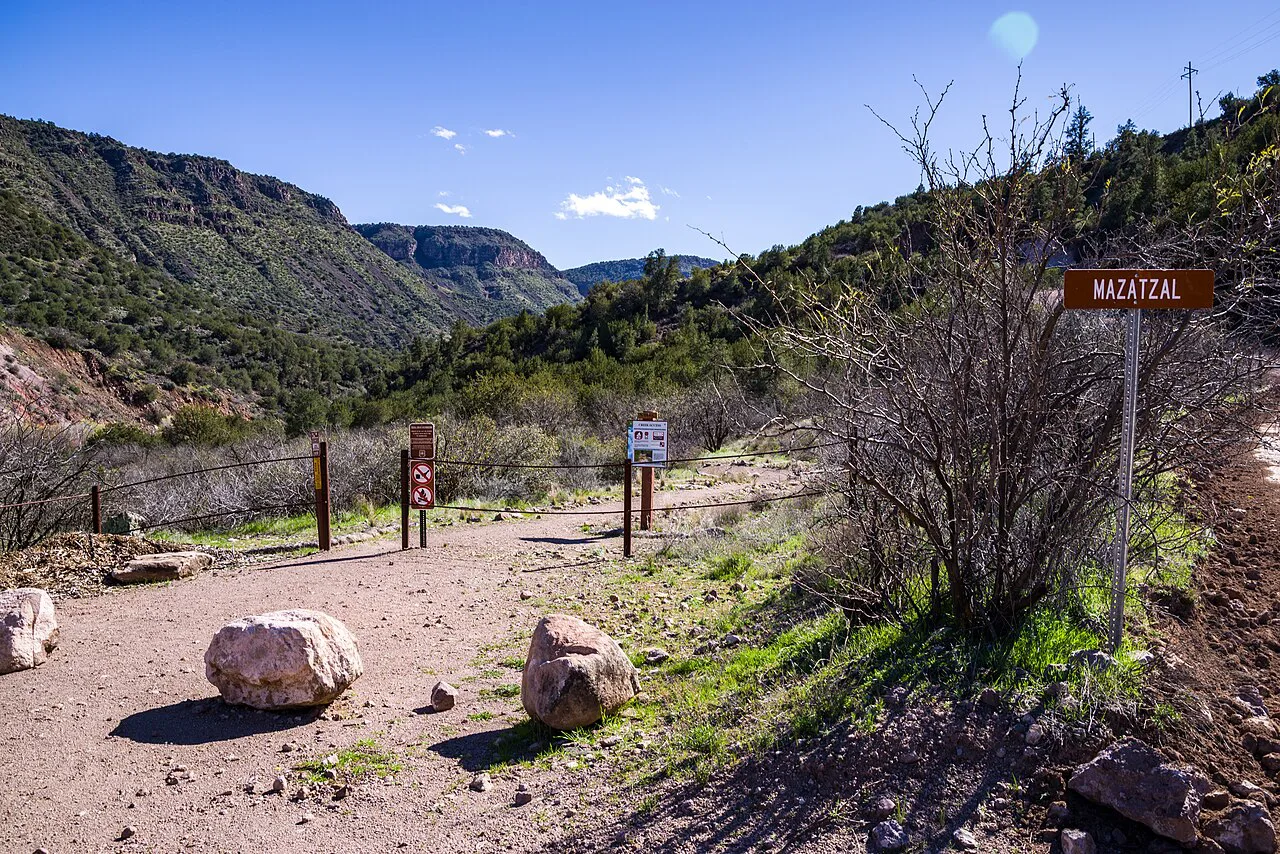
Park where the road ends and continue on foot on the old road. Treat the posted forest roads and gates as your guide rather than a fixed driving time from Camp Verde, since surface conditions change after storms.
The river crossing
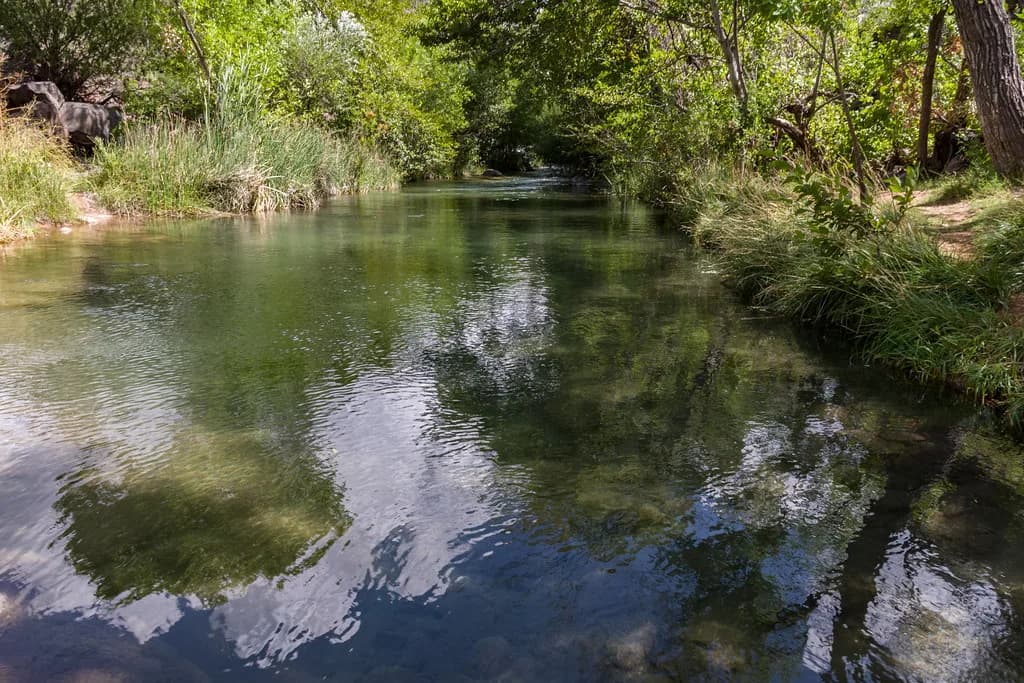
The ford is the decision point of the day, not the hiking distance. To reach the pools you walk down an embankment and cross the Verde, water that hikers describe as usually freezing cold.
Shallow, slow water on a calm spring day and a swollen, pushy current after runoff are different problems entirely.
River levels shift with snowmelt and with storms upstream, so the crossing you get depends on the season and recent weather rather than a fixed description. Shallow, slow water on a calm spring day and a swollen, pushy current after runoff are different problems entirely.
Read the water before you commit: pick a line with a wide eddy below it, unbuckle your pack's sternum strap, and use a stick for a third point of contact. If the current looks beyond your experience, turning around is a legitimate plan, and the national forest office in the Verde corridor can tell you what the river has been doing.
The pools
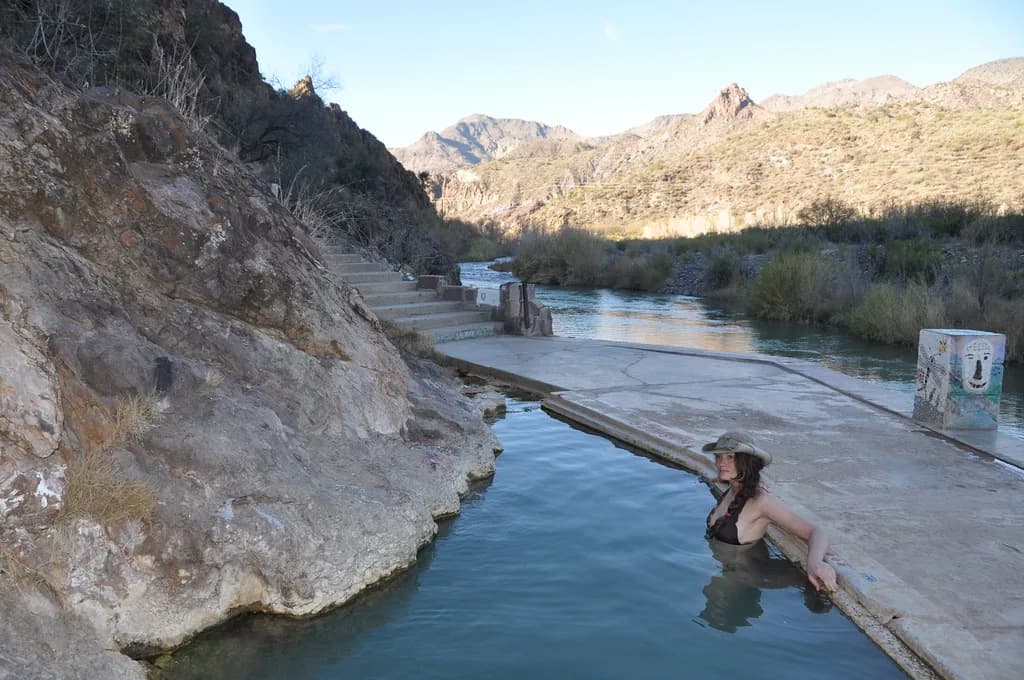
On the far bank you get two soaking pools set above the river. One is described as deep, which makes it the better choice for full immersion while the other suits a shallower sit.
The water runs about 98°F, or 37°C, close to body temperature rather than a scalding boil. That makes Verde a long-soak pool, comfortable for lingering without the short-timer feel of hotter sources.
Treat the source water as untreated geothermal water, as at any natural Arizona Hot Springs, and keep your head above the surface rather than submerging it. The rock around the pools is slick in places, so move deliberately when you shift between the two.
What to bring
Dress for two climates in one day. The canyon shades sections of the route, and the river crossing soaks your feet, so quick-drying shoes and a dry bag for the crossing and the walk out matter more here than at a drive-up pool.
Pack sandals or old sneakers for the ford rather than crossing barefoot on slick rock.
Pack sandals or old sneakers for the ford rather than crossing barefoot on slick rock, and carry a towel and a warm layer for the far side. A water filter covers your drinking supply and saves carrying heavy bottles on the walk.
Camping and lodging
Camp Verde is the practical base for this trip, with the town's lodging, fuel and food within reach of the forest roads that lead to the river corridor. Staying there the night before lets you start the dirt-road drive fresh rather than arriving at the ford already tired.
If you want to string soaks together across a region, Castle Hot Springs, Arizona, offers a developed, resort-style contrast in the Bradshaw Mountains that many travelers pair with a Verde River run. Travelers building longer loops often extend that contrast northward into the Utah hot springs, where developed resorts and wild soaks sit side by side.
Crowds and timing
Verde Hot Springs ranks among the harder-to-reach soaks in this part of Arizona, and that effort buys seclusion. The old-road walk and the ford filter out most casual visitors, so you are more likely to share the pools with people who planned the trip.
Aim for a weekday or an early start to reach the crossing with daylight to spare for the walk out. Cooler months make the ford bracing but the hike comfortable, while high summer puts the emphasis on the shade and the soak itself.
Rules and etiquette
This is a hike-in soak on national forest land, so leave no trace: pack out everything you carry in, keep soap and food out of the river, and stay on the established paths at the pools. Whatever rules Tonto National Forest posts at the site or publishes for the district take precedence over anything you read elsewhere.
Nearby springs and stops to combine
Fossil Creek sits close enough to make a second day of the same road trip. The Fossil Creek area and Fossil Springs are the natural pairing with Verde for anyone exploring the Camp Verde–Payson corridor, and hikers commonly describe the Fossil Creek approach as the easiest way in.
North of the Verde corridor, a hot spring near sedona makes a natural third stop if you are building a week-long loop. Different springs reward different travel styles, so check each site's land-manager rules before you string them into one itinerary.
On any Arizona loop the payoff varies: Verde is the adventure, Fossil Creek the swimming, and Castle Hot Springs the polished soak. Pick your mix based on how much river crossing you actually want to do.
Plan Your Visit
Verde Hot Springs is a hike-in soak with a real gatekeeper: the ford across the Verde. Plan the dirt-road drive, the 2.5-mile out-and-back walk and the embankment descent so that the crossing is the hardest thing you do that day, and you'll get two body-temperature pools above the river without the rush.
Check river levels and forest conditions with Tonto National Forest before you set out, and carry a dry bag and dry shoes so a cold ford does not end the trip. For drive-up soaks and resort options in the same state, browse the rest of the arizona hot springs guide to round out the itinerary.
Frequently Asked Questions
How do I get to Verde Hot Springs?
You drive a long dirt road, walk a short stretch on an old road, descend an embankment and ford the Verde River to reach the pools on the far bank. Budget time for the rough road, because it takes longer than the walking section.
How long is the hike to Verde Hot Springs?
The out-and-back route runs about 2.5 miles, or roughly 4 kilometers, with a gentle elevation gain, and the walking time is about an hour and four minutes. The dirt-road drive and the river crossing are what make the day long, not the mileage.
Do you have to cross the Verde River to reach the springs?
Yes. The pools sit on the far bank, and you reach them by walking down an embankment and fording the river, which hikers describe as usually freezing cold. Choose your crossing line carefully and reconsider if the current looks beyond your experience.
How hot is the water at Verde Hot Springs?
The water runs about 98°F, or 37°C, close to body temperature. Expect two pools, one of them described as deep, and treat the source water as untreated geothermal water, keeping your head above the surface.
Is Verde Hot Springs good for a first hike-in soak?
It suits walkers comfortable with a cold ford and rough forest roads more than first-timers, since the crossing is the gatekeeper. The walking itself is easy and short, so the challenge is the water and the road, not the trail.
Where can I camp near Verde Hot Springs?
Camp Verde is the practical base, with town lodging, fuel and food near the forest roads into the river corridor. National forest rules govern camping on the land itself, so follow what Tonto National Forest posts for the district.
Sources
Hot springs notes for your next road trip
Optional updates when we add or revise hot springs guides.
You might also like
Continue reading
More guides you'll find useful
.jpg)