Slate Creek Hot Springs, Idaho: Soaking Pools and Access
Plan a soak at Slate Creek Hot Springs in Idaho. Learn how the trailside pools are laid out, what to bring for a primitive soak, and which springs to add.
On this page
Slate Creek Hot Springs rewards the kind of traveler who would rather walk a forest trail with a towel over one shoulder than pay a cover charge at a resort gate. The soak is undeveloped and trailside, which means the experience is built around the hike, the weather and what you carry in. It suits confident hikers and road-trippers touring central Idaho who want a primitive stop between bigger-name soaks.
Why Slate Creek Suits a Primitive Soak-and-Hike Day
This is a backcountry-style soak, not a developed pool with a deck, changing rooms or a front desk. The appeal is the contrast: a short hike through Idaho forest, water warmed by the same deep geology that feeds the state's other springs, and no schedule beyond daylight. If you want a guaranteed soak with amenities, a resort spring is the better pick; if you want quiet and are prepared to walk, Slate Creek delivers the primitive version.
Plan the day around the hike rather than the pool. Arriving with dry layers, a towel and footwear that grips wet rock matters more here than at a paved-edge pool, and the return walk is easier before the light goes flat. Treat the soak as the middle of the day, not the whole of it.
Where the Springs Sit in Idaho
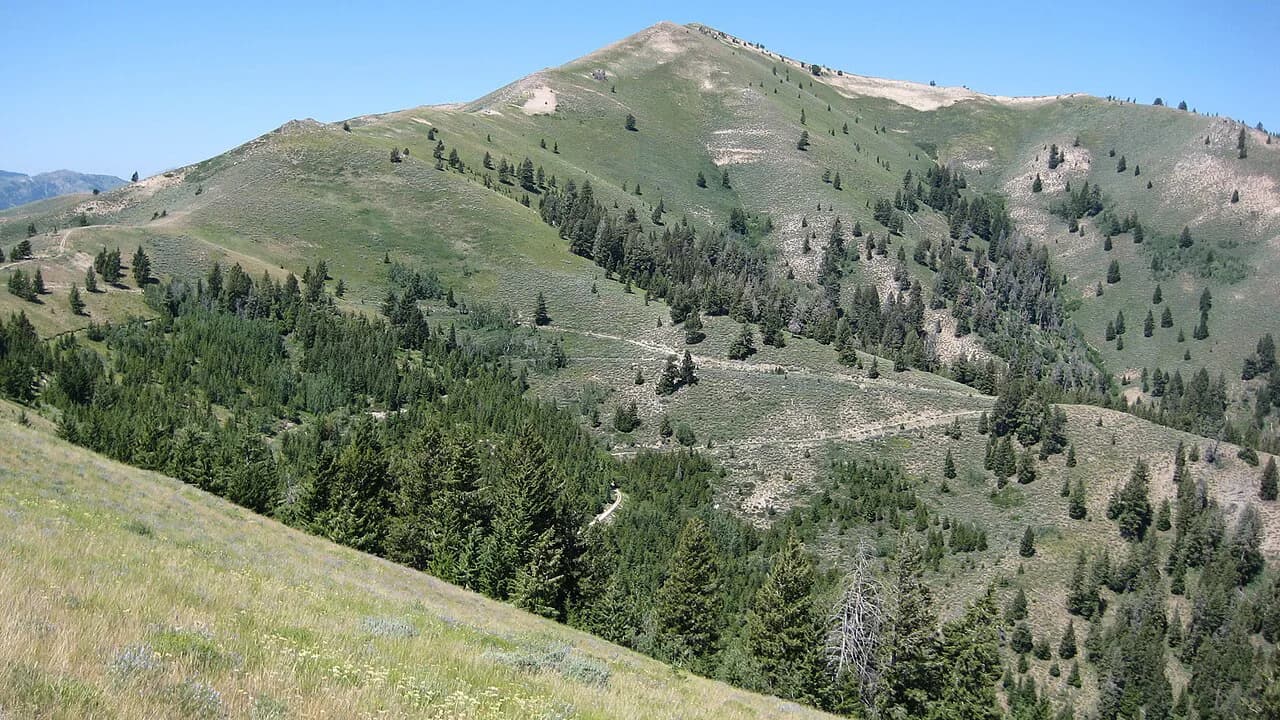
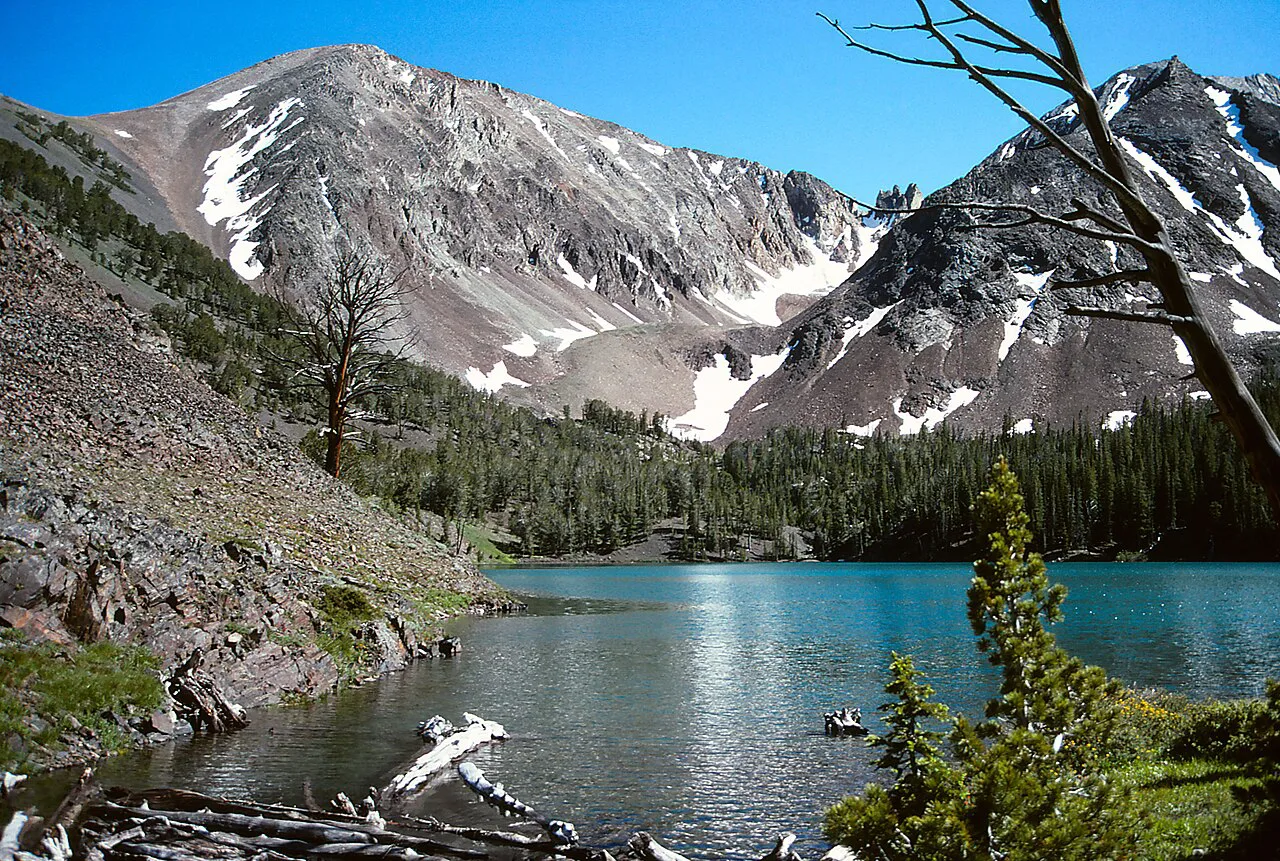
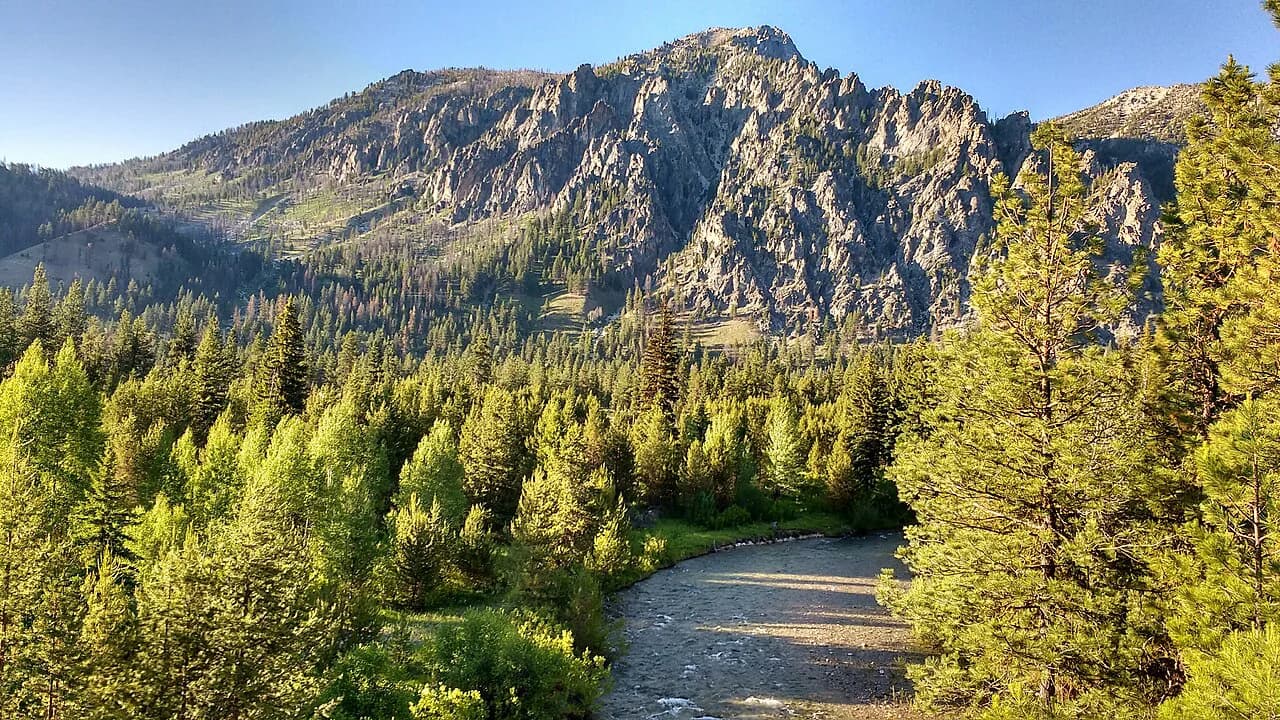
Slate Creek Hot Springs lies in Idaho's mountainous backcountry, the kind of terrain shaped by the Idaho Batholith, the massive granite body that underlies much of central Idaho. The broader region holds more than a hundred soakable natural springs, and the visitor authority for North Central Idaho groups the best-known ones by highway corridor, which is the most useful way to plan a route.
Nearest towns, highway junctions and forest roads shift with the season, so pin the location on a current map and match it to your route before you leave. Build the drive around a corridor you can reach on paved roads, then treat the final stretch as forest-road travel that deserves daylight and a full tank.
Getting There: Drive, Parking and the Walk In
Approach Slate Creek as a hike-in spring: you park, walk, and carry everything you need for the soak and the return. Forest-road surfaces and gates vary through the year, so plan to arrive in daylight with enough margin to walk back before dusk. Sturdy shoes, water and a headlamp cover the basics even on a short outing.
Check current road and trail conditions with the managing land manager before you commit to the drive, particularly in shoulder season or after storms.
Check current road and trail conditions with the managing land manager before you commit to the drive, particularly if you are traveling in shoulder season or after storms. That one call or web check is worth more than any forecast, because it tells you whether the access you planned is open.
The Pools: Layout and Source Water
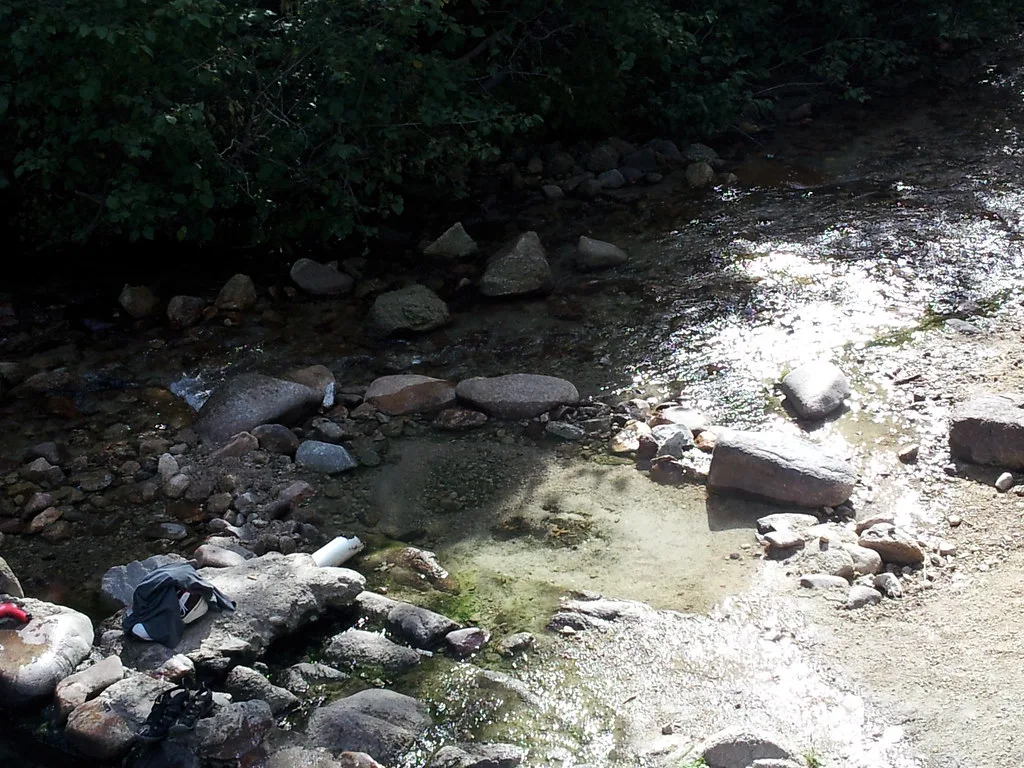
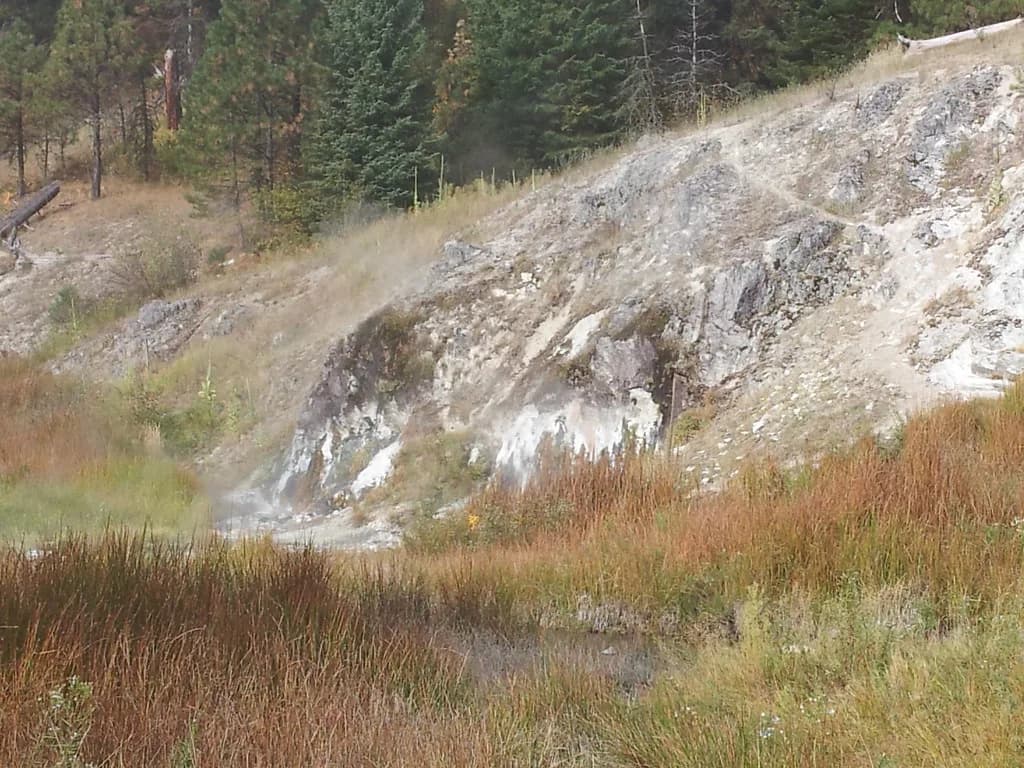
Expect a primitive layout: soaking spots formed along the drainage, with hot water emerging from the ground and mixing with cooler water nearby. Water temperatures shift with flow and season, so test with a hand before you settle in, and pick a spot where you can add cooler water if the pool runs hot. Geothermal water is untreated, so keep your head above the surface and avoid swallowing it.
Rock around undeveloped springs is often slick with mineral deposit and algae, which is where grippy footwear earns its place. Move slowly at the water's edge, keep gear off the wet stone, and leave the pools as you found them so the next hiker gets the same soak.
Fees, Season and Day-Use Rules
Most natural springs in this part of Idaho are free to visit according to the region's visitor authority, though two in the area are tied to resorts and lodges. Slate Creek is a primitive trailside soak rather than a resort pool, so plan on self-sufficiency rather than a ticket window, and bring cash only as a backup for other stops on your route.
Season shapes everything here. Higher forest roads close or turn difficult with snow, and the soak is best paired with late spring through early fall travel; some Idaho springs in the region are described as accessible only from late spring to early winter. Plan your window around snowmelt and the first storms, and leave a margin for weather turning the drive into the hard part.
Camping and Lodging Near the Springs
Camping near Slate Creek means national forest dispersed sites and established campgrounds along the corridor you drive in on, so the practical move is to choose a base before you reach the trailhead and confirm it on the forest's own recreation pages. Lodging clusters in the larger mountain towns within driving range, which suits travelers who want a bed and a shower after a day of forest-road driving.
A base within an hour or so of the trailhead lets you soak in the morning and still make a second stop the same day. If you plan to camp, carry your own water and pack out everything; established campgrounds in the region take reservations through the usual federal system, so book ahead on summer weekends.
Crowds and the Best Time to Go
Popular Idaho springs see weekend traffic, and the well-known ones along Highway 12 draw steady use, including Jerry Johnson Hot Springs, which is open year round for day use from 6am to 8pm. Slate Creek is the quieter counterpoint: go midweek, start early, and you trade amenities for space.
Late spring through early fall is the sweet spot for access and comfortable hiking, while summer weekends bring the most company. Aim for a weekday morning, watch afternoon storms in the mountains, and keep the soak short if the weather is building.
Combining Nearby Springs on a Road Trip
Build a loop that pairs Slate Creek with other Idaho soaks so one drive covers several stops. In the McCall area, Zims Hot Springs, operated by the Nez Perce Tribe, holds two outdoor pools fed by a natural artesian well: a soaking pool warmed to roughly 100 to 105 degrees Fahrenheit and a larger swimming pool around 90 to 100 degrees, maintained year round.
Farther south, Bear River Hot Springs sits in the Riverdale Valley and makes a natural overnight stop on a longer Idaho circuit. Resort springs such as Lolo Hot Springs, just across the Montana line on Highway 12 with indoor and outdoor pools, offer the easy-access contrast to a primitive hike-in soak.
Closer to the McCall corridor, Gold Fork Hot Springs and Trail Creek Hot Springs are the familiar names travelers add to a soaking day, and the McCall area's springs are grouped together by the local visitor office so you can order them by drive time.
Farther afield, Burgdorf Hot Springs and Frenchman's Bend Hot Springs reward a longer loop, while Rocky Canyon Hot Springs sits along the Middle Fork Payette River for travelers routing through that drainage.
What to Bring and How to Soak Safely
Pack for a hike that ends in water: quick-dry shorts or a swimsuit, a microfiber towel, sandals or water shoes for the slick rock, a dry layer for the walk out, and more drinking water than you think you need. A small dry bag keeps phone and keys safe at the pool edge, and a headlamp covers an unplanned late return.
Alcohol and hot water are a poor combination on a remote trail, so save the celebration for camp.
Soak in short stretches, cool off on the bank between dips, and keep your head out of untreated geothermal water. Alcohol and hot water are a poor combination on a remote trail, so save the celebration for camp.
Leave No Trace for a Hike-In Soak
Undeveloped springs depend on visitors packing out everything they carry in, including food scraps and wrappers. Stay on the established path to the pools, keep soap and sunscreen out of the water, and leave the rock and vegetation exactly as you find them. The Nez Perce Clearwater National Forest asks visitors to follow Leave No Trace principles and to take only photos and leave only footprints, guidance that applies to any primitive soak on your route.
Plan Your Soak
Slate Creek Hot Springs is the right call when you want a primitive Idaho soak with a walk attached and no resort schedule. Bring grip for wet rock, water for the hike, and a plan for the drive out before dark. Pair it with Zims or Bear River Hot Springs to turn a single soak into a road trip.
Start with the state guide to plan the wider route, then set your dates around late spring through early fall and confirm forest-road access with the land manager before you go. If your route reaches beyond Idaho's borders, our Washington hot springs guide covers the neighboring soaks for an easy extension. For every soak in the state, start with our guide to Idaho hot springs.
Frequently Asked Questions
Where is Slate Creek Hot Springs in Idaho?
It sits in Idaho's mountainous backcountry, in the same broad region of central Idaho shaped by the Idaho Batholith that feeds the state's many natural springs. Approach it from the nearest paved highway corridor and allow extra time for forest-road travel at the end.
Do you have to hike to Slate Creek Hot Springs?
Yes. This is a trailside, undeveloped soak rather than a resort pool, so you park and walk in carrying your own gear. Wear shoes that grip wet rock and bring water for the return.
Is there a fee to soak at Slate Creek Hot Springs?
The region's visitor authority notes that most natural springs in North Central Idaho are free, with two tied to resorts and lodges. Budget for other stops on your route, such as Zims Hot Springs, where the price varies by age.
When is the best time to visit Slate Creek Hot Springs?
Late spring through early fall gives the most reliable forest-road access and comfortable hiking. Summer weekends are busiest, so a weekday morning is the better window, and afternoon mountain storms are worth watching.
Can you camp near Slate Creek Hot Springs?
Camping options are national forest campgrounds and dispersed sites along the corridor you drive in on, plus lodgings in nearby mountain towns. Choose and confirm your base on the forest's recreation pages before you rely on it.
Which other hot springs should I add to the drive?
Zims Hot Springs near McCall offers two outdoor pools, one warmed to roughly 100 to 105 degrees Fahrenheit, and Bear River Hot Springs makes a good overnight stop in the Riverdale Valley. Lolo Hot Springs, just over the Montana line, has indoor and outdoor pools.
Sources
Hot springs notes for your next road trip
Optional updates when we add or revise hot springs guides.
You might also like
Continue reading
More guides you'll find useful